«عكاظ» (مكة المكرمة، المدينة المنورة) Okaz-Online@
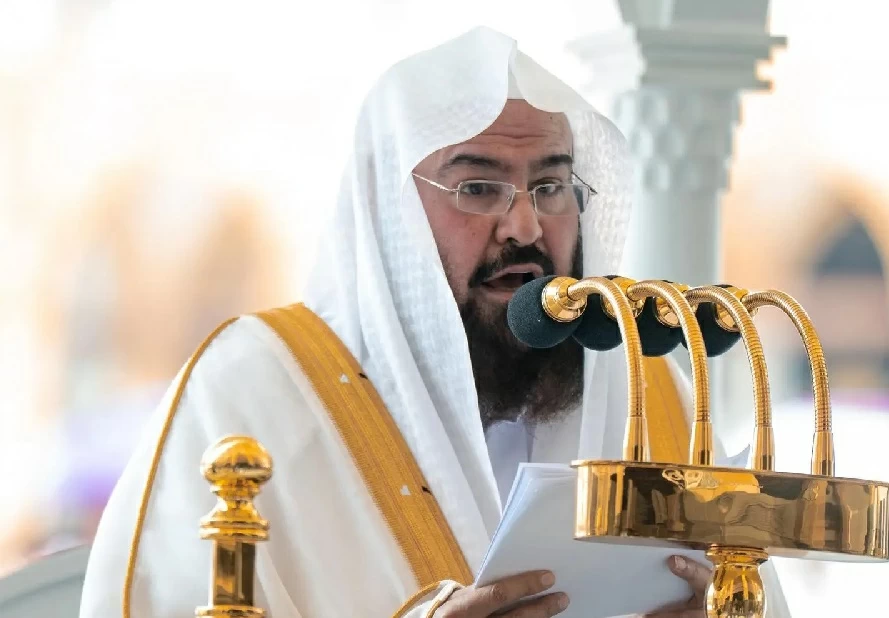
أوصى إمام وخطيب المسجد الحرام الشيخ الدكتور عبدالرحمن بن عبدالعزيز السديس، وإمام وخطيب المسجد النبوي الشيخ الدكتور خالد المهنا، المسلمين بتقوى الله تعالى، والالتزام بمكارم الأخلاق وضبط الكلمة، محذرين من مخاطر إساءة استخدام وسائل التواصل الاجتماعي والتقنيات الحديثة، وما يترتب عليها من شائعات وفتن واعتداءات تمس الأفراد والمجتمعات.
في خطبة الجمعة بالمسجد الحرام، شدد الشيخ السديس على ضرورة الالتزام بالضوابط الشرعية والأخلاقية عند التعامل مع المنصات الرقمية، محذرًا من نشر الأخبار المضللة، وانتهاك الخصوصيات، واستغلال تقنيات الذكاء الاصطناعي في التزوير والاحتيال وانتحال الشخصيات. وأوضح أن الإسلام نظام شامل يهدي إلى حسن التعامل، وأن التقنيات الحديثة نعمة تستوجب شكر الله بحسن استخدامها وتسخيرها فيما ينفع، مع استشعار مراقبة الله في كل ما يُنشر ويُقال.
وأكد الدكتور السديس أن الاستخدام غير المسؤول لهذه الوسائل يفضي إلى الإضرار بالعلاقات الاجتماعية، وإشاعة البلبلة، والتعدي على أعراض الناس وأموالهم، داعيًا إلى الحذر من المنصات المنتحلة والمواقع المزيفة، وإلى التثبت من صحة الأخبار والصور قبل تداولها، مستشهدًا بآيات وأحاديث تؤكد مسؤولية الكلمة وخطورتها. كما حذّر من جرائم الابتزاز والتشهير والاختراقات الرقمية، ومن المحتويات التي تبث الكراهية والإلحاد والإباحية، داعيًا إلى الوقوف صفًا واحدًا في مواجهة الأنشطة الإجرامية التي تستهدف أمن المجتمع ووحدته وقيمه. وأدان الهجمات الإرهابية الحوثية على مكة المكرمة والمدينة المنورة، مؤكدًا أن أمن الحرمين الشريفين خط أحمر لا يمكن تجاوزه.
وفي المسجد النبوي، ركز الشيخ الدكتور خالد المهنا على قيمة الكلمة الطيبة وأثرها في إصلاح القلوب وجمع الكلمة، مبينًا أن حسن القول من صفات النبي صلى الله عليه وسلم، وأنه كان أطيب الناس كلامًا وألطفهم خطابًا، ينتقي أحسن الألفاظ وأبعدها عن الفحش والغلظة. وأوضح أن الكلمة الطيبة من أسباب نيل رضوان الله والنجاة من النار، وأن الله لا يقبل إلا طيبًا من القول والعمل، مستشهدًا بآيات وأحاديث تحث على اختيار أحسن القول، وتنهى عن القيل والقال والفحش في الكلام.
وبيّن الدكتور المهنا أن طيب الخطاب يسهم في تأليف القلوب ودفع أسباب التنازع، وأن الكلمة قد ترفع صاحبها درجات أو تهوي به في المهالك، داعيًا إلى ضبط اللسان، والتثبت في الكلام، والاستعاذة بالله عند الغضب، وحسن مخاطبة الفقراء والمحتاجين، مؤكدًا أن «الكلمة الطيبة صدقة»، وأن أثرها يعظم حين تُلقى إلى قلب مكلوم أو نفس مهمومة.
واختتم إماما الحرمين خطبتيهما بالدعاء للمملكة العربية السعودية بالأمن والاستقرار والرخاء، وللقيادة بالتوفيق، ولرجال الأمن والدفاع بالحفظ والتسديد، وللمسلمين بالهداية ورفع الكرب والشفاء والرحمة.
The Imam and preacher of the Grand Mosque, Sheikh Dr. Abdulrahman bin Abdulaziz Al-Sudais, and the Imam and preacher of the Prophet's Mosque, Sheikh Dr. Khalid Al-Muhanna, advised Muslims to fear Allah Almighty, adhere to noble morals, and control their words, warning against the dangers of misusing social media and modern technologies, and the resulting rumors, seditions, and assaults that affect individuals and communities.
In his Friday sermon at the Grand Mosque, Sheikh Al-Sudais emphasized the necessity of adhering to Sharia and ethical guidelines when dealing with digital platforms, warning against spreading misleading news, violating privacy, and exploiting artificial intelligence technologies for forgery, fraud, and impersonation. He clarified that Islam is a comprehensive system that guides good conduct, and that modern technologies are a blessing that requires gratitude to Allah through their proper use and harnessing for beneficial purposes, while being mindful of Allah's observation in everything that is published and said.
Dr. Al-Sudais affirmed that the irresponsible use of these means leads to harming social relationships, spreading confusion, and infringing on people's honor and property, calling for caution against impersonated platforms and fake websites, and for verifying the accuracy of news and images before circulating them, citing verses and hadiths that emphasize the responsibility and seriousness of words. He also warned against crimes of extortion, defamation, and digital breaches, as well as content that spreads hatred, atheism, and pornography, urging a united front against criminal activities that target the security, unity, and values of society. He condemned the Houthi terrorist attacks on Mecca and Medina, asserting that the security of the Two Holy Mosques is a red line that cannot be crossed.
In the Prophet's Mosque, Sheikh Dr. Khalid Al-Muhanna focused on the value of kind words and their impact on healing hearts and unifying opinions, indicating that good speech is one of the attributes of the Prophet (peace be upon him), who was the kindest of people in speech and the gentlest in address, choosing the best words and avoiding vulgarity and harshness. He explained that kind words are among the reasons for attaining Allah's pleasure and salvation from the Fire, and that Allah only accepts what is good in speech and action, citing verses and hadiths that encourage choosing the best words and prohibit gossip and vulgarity in speech.
Dr. Al-Muhanna pointed out that kind speech contributes to uniting hearts and reducing causes of disputes, and that a word can elevate its speaker or lead them to destruction, calling for controlling the tongue, verifying speech, seeking refuge in Allah when angry, and addressing the poor and needy kindly, affirming that "a kind word is charity," and that its impact is magnified when directed to a wounded heart or a troubled soul.
The Imams of the Two Holy Mosques concluded their sermons by praying for the Kingdom of Saudi Arabia for security, stability, and prosperity, for the leadership for success, for the security and defense forces for protection and guidance, and for Muslims for guidance, relief from distress, healing, and mercy.