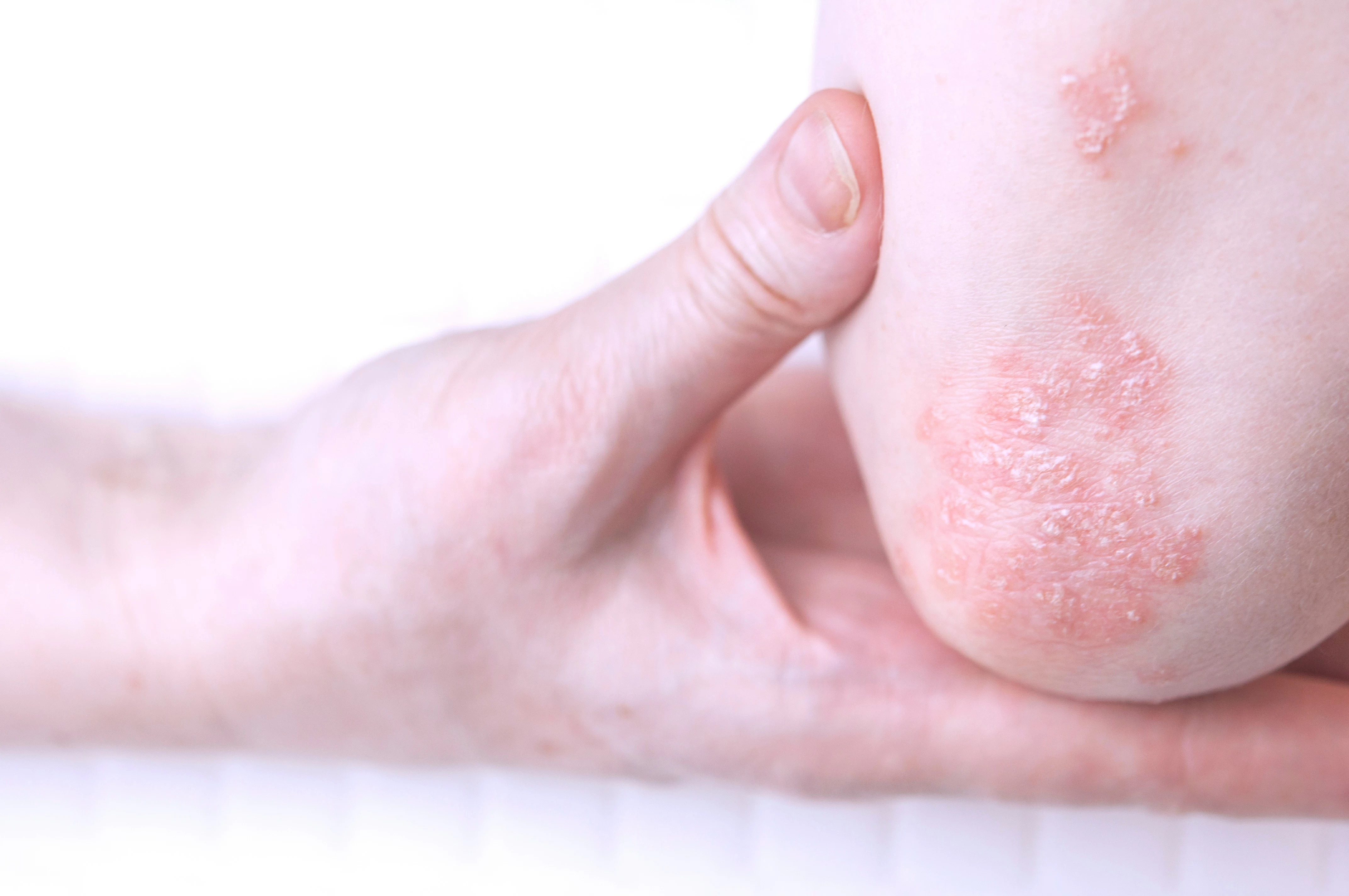
في بعض الأمراض، لا يرى الناس سوى ما يظهر على الجسد، ولا يرون ما يحدث خلفه.
بقع حمراء، جلد جاف، حكة لا تهدأ، وربما آثار خدوش تبدو للعين بسيطة.. لكن خلف هذه العلامات قد يعيش إنسان ليلة كاملة عاجزاً عن النوم، أو طفل يستيقظ من شدة الحكة، أو أم تحاول أن تمنع صغيرها من حك جلده حتى لا يتأذى أكثر.
هكذا هي الأكزيما.
مرض يبدو على سطح الجلد، لكنه قد يتسلل إلى تفاصيل الحياة كلها.
ولهذا يأتي شهر أكتوبر شهراً للتوعية بالأكزيما، لا لنتحدث عن مرض جلدي فحسب، وإنما لنتذكر أن الجلد جزء من الإنسان، وأن ما نراه على سطحه قد يخفي معاناة لا نراها.
ليست مجرد «حساسية»
من أكثر المفاهيم شيوعاً أن الأكزيما تعني حساسية الجلد، أو أن سببها مجرد جفاف يمكن علاجه بأي مرطب. والحقيقة أكثر تعقيداً.
الأكزيما، وخصوصاً التهاب الجلد التأتبي، مرض التهابي مزمن يرتبط بخلل في حاجز الجلد واضطراب في تنظيم الجهاز المناعي. ولذلك قد يكون الجلد أكثر جفافاً وحساسية، وقد يتفاعل مع بعض العوامل البيئية بصورة أكبر.
لكن الأكزيما ليست معدية.
ولا تنتقل من شخص إلى آخر بالمصافحة أو اللمس أو مشاركة المكان.
وهذه نقطة تستحق أن تُقال بوضوح؛ لأن بعض المرضى لا يعانون من المرض وحده، بل من نظرة الآخرين إليهم أيضاً.
الحكة التي لا تُرى
إذا كان علينا أن نختار عرضاً واحداً يختصر معاناة مريض الأكزيما، فلعلها تكون الحكة.
الحكة ليست مجرد إحساس عابر.
إنها قد تقطع النوم، وتشتت التركيز، وتؤثر في الدراسة والعمل والمزاج والعلاقات الاجتماعية. وقد تبدأ دائرة مؤلمة: يحك المريض جلده، فيزداد التهاب الجلد، فيزداد الشعور بالحكة.
وهكذا تبدأ حلقة يصعب كسرها.
أما الطفل، فقد لا يستطيع حتى أن يصف ما يشعر به.
قد يبدو متوتراً، كثير البكاء، قليل النوم، أو غير قادر على التركيز في المدرسة، بينما يكون السبب الحقيقي شيئاً بسيطاً في ظاهره وعميقاً في أثره: جلد يحكه بلا توقف.
حين تصبح الأكزيما جزءاً من اليوم
الأكزيما لا تتوقف عند العيادة. قد تؤثر في اختيار الملابس، والاستحمام، والنوم، وممارسة الرياضة، والخروج في المناسبات، وحتى في المصافحة أو الاقتراب من الآخرين عندما تكون الآفات الجلدية واضحة.
وقد يشعر بعض المرضى بالحرج من مظهر جلدهم، فيخفون أيديهم، أو يتجنبون المناسبات، أو يعتذرون عن صور كانوا يتمنون أن يكونوا جزءاً منها.
وهنا نحتاج إلى أن نغيّر طريقة نظرنا إلى الأمراض الجلدية.
ليست كل معاناة تُقاس بما يظهر على الجلد.
هل يمكن علاج الأكزيما؟
نعم، ويمكن السيطرة عليها بدرجات كبيرة.
لكن التعامل معها لا ينبغي أن يكون بمنطق «كريم واحد للجميع».
فالأكزيما تختلف في شدتها، ومكان ظهورها، وعمر المريض، والعوامل التي تزيدها، وتأثيرها في حياته. ولذلك يضع طبيب الجلدية خطة علاجية تناسب كل حالة، وقد تشمل العناية المنتظمة بالجلد، والمرطبات، والعلاجات الموضعية، وأحياناً علاجات أخرى للحالات المتوسطة والشديدة وفق تقييم الطبيب.
والرسالة الأهم هنا: لا تنتظر حتى تصبح الأكزيما شديدة حتى تطلب المساعدة. كلما كان التشخيص صحيحاً والخطة مناسبة، كان من الممكن كسر دائرة الالتهاب والحكة مبكراً، وتقليل أثر المرض في حياة المريض.
وما دور المرطب؟
ربما يكون المرطب أبسط الأشياء التي يفعلها مريض الأكزيما، لكنه من أهمها.
فالمرطب يساعد على دعم حاجز الجلد وتقليل فقدان الماء من الجلد ولذلك تمثل العناية اليومية جزءاً أساسياً من التعامل مع الأكزيما.
لكن المرطب ليس بالضرورة علاجاً كافياً لكل مريض.
وهنا أيضاً تقع مشكلة شائعة: عندما لا تتحسن الحالة، يبدأ المريض بتجربة منتج جديد، ثم آخر، ثم وصفة شعبية، ثم علاج وجد عنه مقطعاً في وسائل التواصل الاجتماعي.
وبين كل تجربة وأخرى قد يضيع الوقت، بينما يستمر الالتهاب.
ليس كل ما يُقال عن الأكزيما صحيحاً
في عصر المعلومات، أصبح المريض محاطاً بآلاف النصائح.
«ابتعد عن هذه الأطعمة»
«استخدم هذا الزيت»
«هذه الخلطة تعالج الأكزيما نهائياً»
«العلاج الطبيعي يغني عن العلاج الطبي»
لكن الطب لا يُبنى على تجربة شخص واحد.
قد يساعد تجنب عامل معين مريضاً لديه حساسية أو محفز واضح، لكن ذلك لا يعني أن كل مريض بالأكزيما يحتاج إلى الحمية نفسها أو إلى قائمة طويلة من الممنوعات.
والأخطر أن يتحول البحث عن «العلاج السحري» إلى رحلة طويلة من التجارب، بينما يبقى المرض دون سيطرة.
لذلك، عندما تكون الأكزيما مستمرة أو شديدة أو تؤثر في النوم والحياة اليومية، فإن أفضل خطوة ليست البحث عن نصيحة جديدة على الإنترنت، وإنما زيارة طبيب جلدية ووضع خطة واضحة.
إلى كل من يعيش مع الأكزيما..
لا تختزل نفسك في جلدك.
الأكزيما جزء من قصتك، لكنها ليست قصتك كلها.
وفي السنوات الأخيرة، تطورت معرفتنا بالمرض وازدادت الخيارات العلاجية المتاحة، وأصبح لدينا فهم أعمق للآليات التي تقف خلف الالتهاب والحكة، وهو ما فتح أبواباً جديدة للسيطرة على الحالات التي كانت تُعد صعبة العلاج في السابق.
لذلك، لا تجعل الأكزيما تقنعك بأن عليك التعايش مع المعاناة بصمت.
اطلب المساعدة.
اسأل.
ناقش خيارات العلاج.
ولا تتردد في العودة إلى طبيبك إذا لم تكن الخطة الحالية كافية.
أكتوبر.. شهر الوعي
التوعية بالأكزيما لا تعني أن نتحدث عن الكريمات فقط.
تعني أن نفهم الإنسان خلف المرض.
أن نعرف أن طفلاً يحك جلده في الصف قد لا يكون مشتتاً، بل متعباً من ليلة لم ينم فيها.
وأن شخصاً يتجنب المصافحة قد لا يكون متكبراً، بل محرجاً من مظهر يده.
وأن أماً تبحث بلا توقف عن حل لطفلها ليست مبالغة في القلق، بل تحاول ببساطة أن تعيد إليه نومه وراحته وطفولته.
في النهاية، الجلد ليس مجرد غطاء يحيط بأجسادنا.
إنه أول ما يلامس العالم، وأحياناً يكون أول ما يكشف معاناتنا.
وفي هذا الشهر، لنجعل رسالتنا بسيطة:
افهموا الأكزيما.. ولا تحكموا على أصحابها.
فالمرض قد يظهر على الجلد،
لكن أثره قد يصل إلى أبعد بكثير منه.
والأمل أيضاً يبدأ من هناك.
سؤال وجواب
متى تراجع الطبيب؟
ليس كل جفاف أو حكة تستدعي زيارة الطبيب، لكن مراجعة طبيب الجلدية تصبح مهمة عندما تكون الأعراض متكررة أو شديدة أو تؤثر في النوم والحياة اليومية، أو عندما لا تتحسن رغم استخدام المرطبات والعناية المناسبة بالجلد. كما ينبغي طلب التقييم الطبي عند ظهور علامات التهاب أو عدوى، مثل الألم المتزايد، أو تورم الجلد، أو خروج إفرازات، أو انتشار الاحمرار بسرعة.
وفي الأطفال، تستحق الأكزيما المتكررة أو التي تسبب اضطراب النوم والحكة المستمرة تقييماً طبياً، خصوصاً إذا بدأت تؤثر في نشاط الطفل أو تركيزه أو حياته اليومية.
والأهم: لا تنتظر أن تصبح الأكزيما شديدة حتى تطلب المساعدة؛ فالتشخيص المبكر ووضع خطة علاج مناسبة قد يمنعان تفاقم الأعراض ويقللان تأثير المرض في حياة المريض.
ترند الأسبوع
«الخلطة السحرية» للأكزيما..حين يتحوّل العلاج الشعبي إلى ضرر
مع انتشار المحتوى الصحي على منصات التواصل الاجتماعي، تتكرر بين فترة وأخرى وصفات وخلطات تُقدَّم على أنها «علاج سحري» للأكزيما، وتَعِد المرضى بالتخلص من الحكة والاحمرار خلال أيام. لكن ما لا يظهر في مقاطع الفيديو هو الجانب الآخر من القصة؛ فهذه الخلطات قد تحتوي على مواد دوائية أو كيميائية غير معلنة، أو تركيبات غير مناسبة للبشرة، وقد يؤدي استخدامها من دون تشخيص أو إشراف طبي إلى تفاقم الحالة بدلاً من علاجها.
وفي أروقة عيادات الجلدية والمستشفيات، نشاهد بالفعل حالات تضررت بشرتها نتيجة الاستخدام العشوائي لهذه الوصفات، بدءاً من ترقق الجلد وتغير لونه وظهور الشعيرات الدموية، وصولاً إلى مضاعفات أكثر خطورة في بعض الحالات عندما تحتوي الخلطات على مواد دوائية قوية أو يتم استخدامها على مساحات واسعة أو لفترات طويلة. وقد تصل المخاطر، بحسب مكونات الخلطة وطريقة استخدامها، إلى تأثيرات جهازية تمس أعضاء أخرى من الجسم.
والرسالة الأهم هنا: ليس كل ما هو «طبيعي» آمناً، وليس كل ما ينتشر على السوشيال ميديا علاجاً. الأكزيما مرض مزمن له أنواع ومحفزات مختلفة، وما يناسب مريضاً قد لا يناسب آخر. لذلك، قبل تجربة أي خلطة أو وصفة متداولة، يجب معرفة مكوناتها والتأكد من ملاءمتها للحالة مع طبيب الجلدية.
In some diseases, people only see what appears on the body and do not see what happens behind it.
Red spots, dry skin, relentless itching, and perhaps scratch marks that seem simple to the eye... But behind these signs, a person may spend an entire night unable to sleep, or a child may wake up from the intensity of the itching, or a mother may try to prevent her little one from scratching his skin so that he doesn't get hurt more.
This is how eczema is.
A disease that appears on the surface of the skin, but it can infiltrate into the details of life as a whole.
That is why October comes as a month for eczema awareness, not just to talk about a skin disease, but to remember that the skin is part of the human being, and that what we see on its surface may hide suffering that we do not see.
It’s not just “allergy”
One of the most common misconceptions is that eczema means skin allergy, or that its cause is just dryness that can be treated with any moisturizer. The reality is more complex.
Eczema, especially atopic dermatitis, is a chronic inflammatory disease associated with a defect in the skin barrier and a disorder in immune system regulation. Therefore, the skin may be drier and more sensitive, and it may react more to certain environmental factors.
But eczema is not contagious.
It does not spread from one person to another through shaking hands, touching, or sharing a space.
This is a point worth stating clearly; because some patients do not suffer from the disease alone, but also from the way others look at them.
The itch that isn’t seen
If we had to choose one symptom that encapsulates the suffering of an eczema patient, it might be the itch.
The itch is not just a fleeting sensation.
It can disrupt sleep, scatter concentration, and affect study, work, mood, and social relationships. A painful cycle may begin: the patient scratches their skin, the inflammation increases, and the feeling of itch intensifies.
Thus, a cycle begins that is difficult to break.
As for the child, they may not even be able to describe what they feel.
They may seem anxious, cry a lot, sleep little, or be unable to concentrate in school, while the real reason is something simple in appearance and deep in effect: skin that itches non-stop.
When eczema becomes part of the day
Eczema does not stop at the clinic. It may affect clothing choices, bathing, sleeping, exercising, going out for events, and even shaking hands or getting close to others when the skin lesions are visible.
Some patients may feel embarrassed about the appearance of their skin, hiding their hands, avoiding events, or declining photos they wished to be a part of.
Here, we need to change the way we view skin diseases.
Not all suffering is measured by what appears on the skin.
Can eczema be treated?
Yes, and it can be controlled to a large extent.
But dealing with it should not be based on a “one cream for all” mentality.
Eczema varies in severity, location, patient age, aggravating factors, and its impact on life. Therefore, the dermatologist develops a treatment plan suitable for each case, which may include regular skin care, moisturizers, topical treatments, and sometimes other treatments for moderate to severe cases based on the doctor’s assessment.
The most important message here: do not wait until eczema becomes severe to seek help. The earlier the diagnosis and the appropriate plan, the more possible it is to break the cycle of inflammation and itching early and reduce the impact of the disease on the patient’s life.
What is the role of the moisturizer?
The moisturizer may be the simplest thing an eczema patient does, but it is one of the most important.
The moisturizer helps support the skin barrier and reduce water loss from the skin, which is why daily care is an essential part of managing eczema.
However, the moisturizer is not necessarily a sufficient treatment for every patient.
Here, too, lies a common problem: when the condition does not improve, the patient starts trying a new product, then another, then a folk remedy, then a treatment they saw a clip about on social media.
Between each trial, time may be wasted while inflammation continues.
Not everything said about eczema is true
In the age of information, patients are surrounded by thousands of tips.
“Avoid these foods”
“Use this oil”
“This mixture cures eczema permanently”
“Natural treatment replaces medical treatment”
But medicine is not built on one person's experience.
Avoiding a specific factor may help a patient with a clear allergy or trigger, but that does not mean that every eczema patient needs the same diet or a long list of prohibitions.
The more dangerous thing is for the search for a “magic cure” to turn into a long journey of trials while the disease remains uncontrolled.
Therefore, when eczema is persistent or severe or affects sleep and daily life, the best step is not to search for new advice online, but to visit a dermatologist and establish a clear plan.
To everyone living with eczema...
Do not reduce yourself to your skin.
Eczema is part of your story, but it is not your whole story.
In recent years, our understanding of the disease has evolved, and the treatment options available have increased, and we have gained a deeper understanding of the mechanisms behind inflammation and itching, which has opened new doors for controlling cases that were previously considered difficult to treat.
So, do not let eczema convince you that you have to endure suffering in silence.
Seek help.
Ask.
Discuss treatment options.
And do not hesitate to return to your doctor if the current plan is not sufficient.
October... Awareness Month
Raising awareness about eczema does not mean that we only talk about creams.
It means understanding the person behind the disease.
Knowing that a child scratching their skin in class may not be distracted, but rather tired from a night they did not sleep.
And that a person avoiding a handshake may not be arrogant, but rather embarrassed by the appearance of their hand.
And that a mother searching tirelessly for a solution for her child is not exaggerating in her worry, but is simply trying to restore his sleep, comfort, and childhood.
In the end, the skin is not just a cover surrounding our bodies.
It is the first thing that touches the world, and sometimes it is the first thing that reveals our suffering.
In this month, let us make our message simple:
Understand eczema... and do not judge its sufferers.
For the disease may appear on the skin,
but its impact may reach far beyond it.
And hope also begins from there.
Q&A
When should you see a doctor?
Not every dryness or itch requires a doctor's visit, but seeing a dermatologist becomes important when symptoms are recurrent or severe or affect sleep and daily life, or when they do not improve despite using moisturizers and proper skin care. Medical evaluation should also be sought when signs of inflammation or infection appear, such as increasing pain, skin swelling, discharge, or rapid spreading of redness.
In children, recurrent eczema or eczema causing sleep disturbances and persistent itching deserves medical evaluation, especially if it starts to affect the child's activity, concentration, or daily life.
And most importantly: do not wait for eczema to become severe to seek help; early diagnosis and establishing an appropriate treatment plan can prevent the worsening of symptoms and reduce the impact of the disease on the patient’s life.
Trend of the week
“The magic mixture” for eczema... when folk treatment turns into harm
With the spread of health content on social media platforms, recipes and mixtures are repeatedly presented as “magic cures” for eczema, promising patients relief from itching and redness within days. But what does not appear in the videos is the other side of the story; these mixtures may contain undisclosed pharmaceutical or chemical substances, or formulations unsuitable for the skin, and using them without diagnosis or medical supervision may worsen the condition instead of treating it.
In the corridors of dermatology clinics and hospitals, we indeed see cases whose skin has been damaged due to the random use of these recipes, ranging from skin thinning and discoloration and the appearance of capillaries, to more serious complications in some cases when the mixtures contain strong pharmaceutical substances or are used over large areas or for long periods. The risks may reach, depending on the mixture's components and how it is used, to systemic effects affecting other organs of the body.
The most important message here: not everything that is “natural” is safe, and not everything that spreads on social media is a treatment. Eczema is a chronic disease with different types and triggers, and what works for one patient may not work for another. Therefore, before trying any circulating mixture or recipe, one should know its components and ensure its suitability for the condition with a dermatologist.