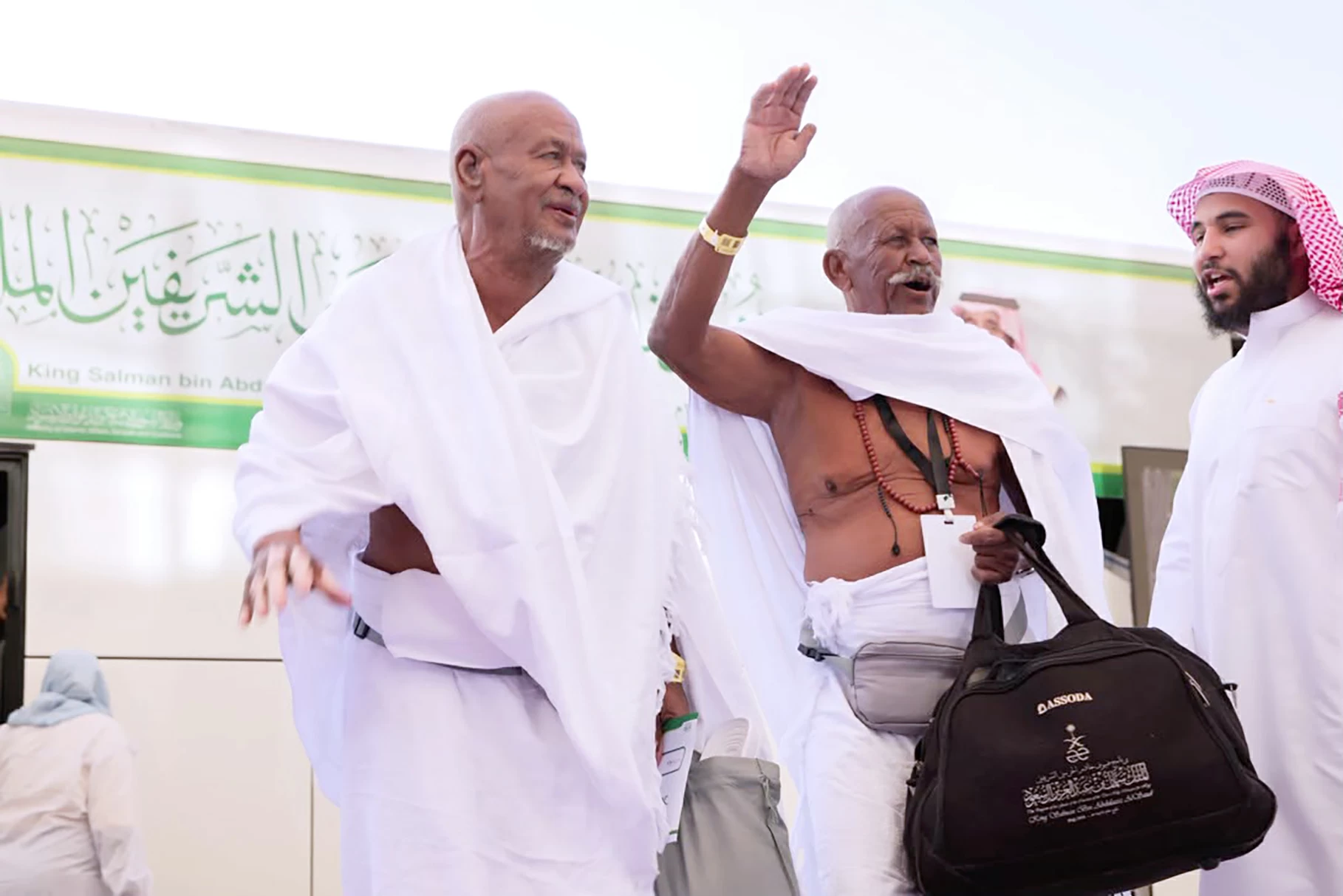
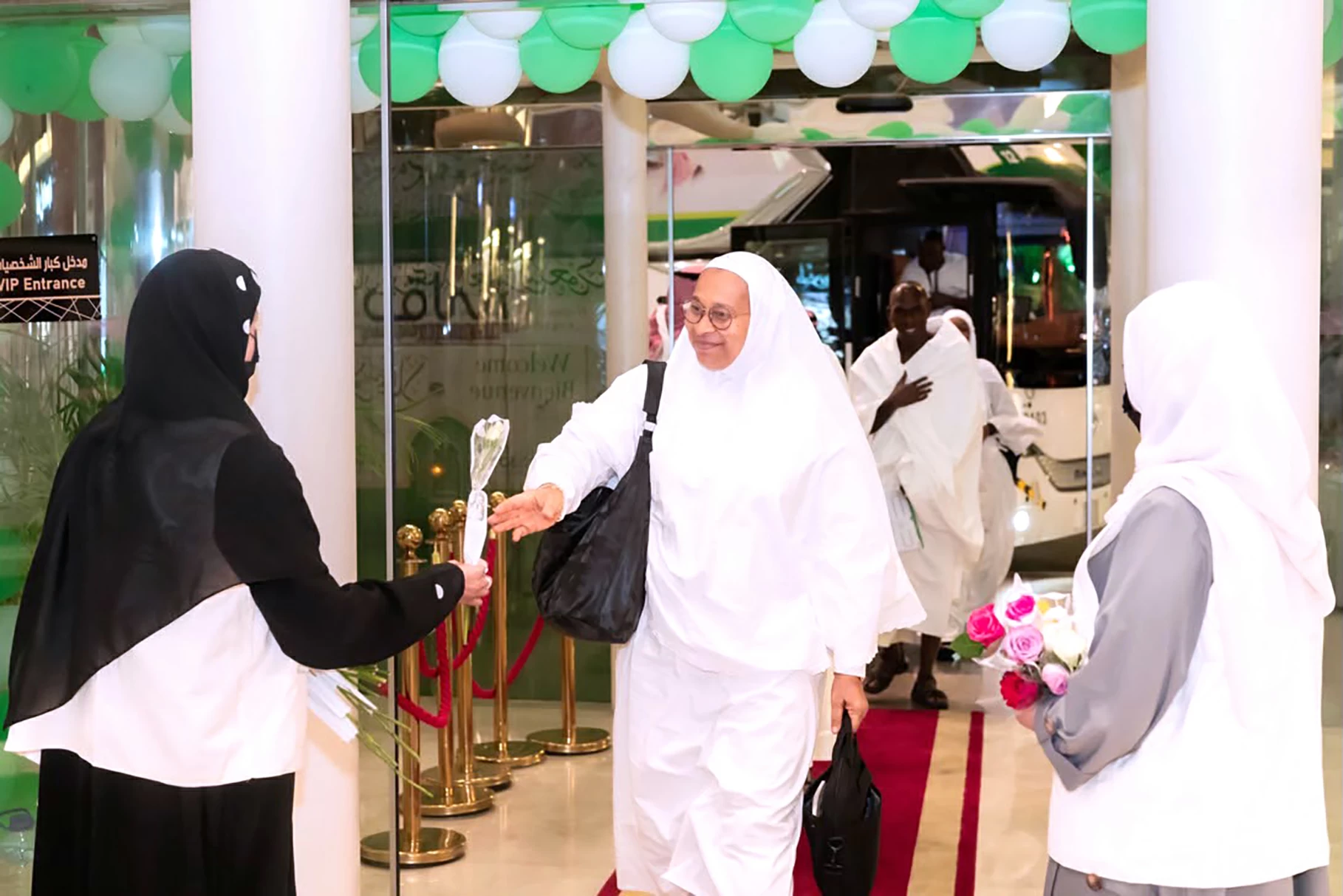
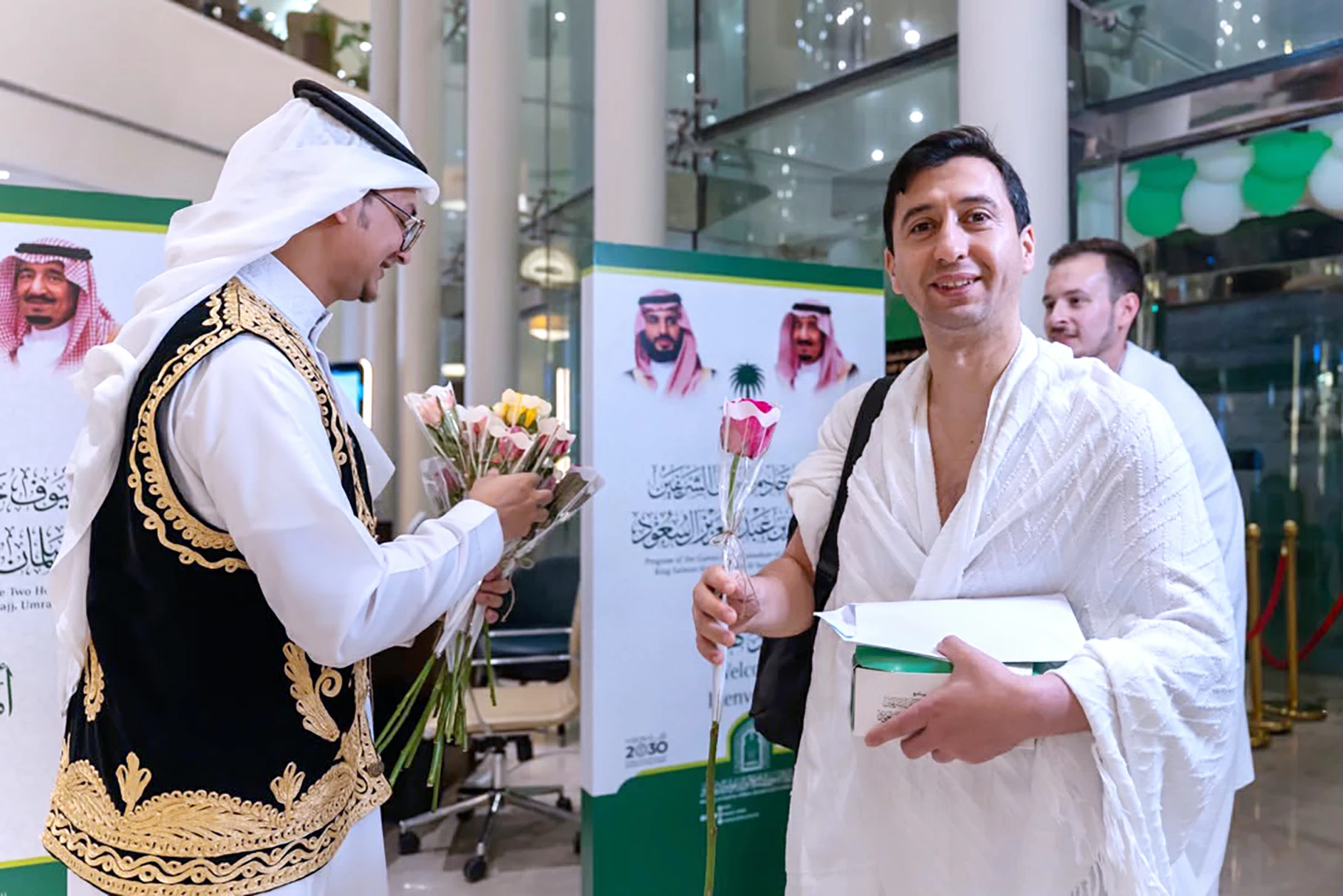
من أقصى آسيا وأفريقيا إلى أوروبا والأمريكتين، حمل آلاف المسلمين أمنية العمر إلى مكة المكرمة، فيما حملت السعودية عنهم أعباء الرحلة، وهيأت لهم الاستضافة والرعاية حتى إتمام النسك والعودة إلى أوطانهم؛ قصة من الكرم السعودي تحوّلت عبر العقود إلى برنامج مؤسسي يجمع المسلمين من أنحاء العالم في رحاب الحرمين الشريفين.
ويُمثّل «برنامج ضيوف خادم الحرمين الشريفين للحج والعمرة والزيارة»، الذي تنفّذه وزارة الشؤون الإسلامية والدعوة والإرشاد، إحدى أبرز صور هذا العطاء. وبحسب وزارة الشؤون الإسلامية، انطلق البرنامج عام 1417هـ، ومكّن نحو 65 ألف حاج وحاجة من 140 دولة حول العالم من أداء المناسك حتى عام 1446هـ، عبر منظومة متكاملة من الخدمات اللوجستية والدينية والصحية والثقافية، تبدأ من ترشيح الضيف وتمتد حتى عودته إلى بلاده.
وفي موسم حج 1447هـ، اتسعت خريطة الضيافة بصورة لافتة؛ إذ أعلنت وزارة الشؤون الإسلامية اكتمال وصول 2,500 حاج وحاجة يمثلون 104 دول من مختلف قارات العالم ضمن البرنامج.
وتكشف بيانات الوزارة، أن ضيوف موسم 1447هـ توزعوا على ثلاث فئات؛ 1,300 حاج وحاجة من الشخصيات الإسلامية والعلماء والدعاة ومختلف شرائح المجتمعات الإسلامية من 102 دولة، بما يعادل 52% من إجمالي المستضافين، و1,000 حاج وحاجة من أسر وذوي الشهداء والمصابين من جمهورية السودان بنسبة 40%، إضافة إلى 200 حاج وحاجة من جمهورية ليبيريا بنسبة 8%.
وهكذا جاءت نسبة 60% من ضيوف الموسم من الوفود الدولية وليبيريا، و40% من المبادرة المخصصة للأشقاء السودانيين، في صورة تجمع بين البعد الإسلامي العالمي والبعد الإنساني في برنامج واحد.
وتتجاوز الاستضافة الوصول إلى مكة؛ فوفق وزارة الشؤون الإسلامية، تشمل الخدمات السكن والنقل والإعاشة والرعاية الصحية والتوعية والإرشاد، إضافة إلى البرامج الإيمانية والثقافية والعلمية والزيارات الميدانية للمعالم الإسلامية والتاريخية في مكة المكرمة والمدينة المنورة، ولقاءات مع العلماء وأئمة الحرمين الشريفين.
وتظهر الأرقام التاريخية حجم نمو البرنامج؛ فبحسب وزارة الشؤون الإسلامية، استضاف موسم حج 1440هـ وحده 6,351 حاجاً وحاجة من 94 دولة، وهو أكبر عدد من المستضافين في موسم واحد منذ انطلاق البرنامج حتى ذلك الوقت، ليرتفع إجمالي المستفيدين منذ عام 1417هـ إلى 54,108 حجاج وحاجات.
ويكشف الكتاب الإحصائي لوزارة الشؤون الإسلامية للعام المالي 1440/1441هـ حجم العمل الذي رافق الاستضافة؛ إذ سجلت الوزارة 21,103 أنشطة وخدمات، بينها 8,042 هدية إرشادية، و6,326 استفتاءً وإرشاداً، و3,868 حركة مواصلات، و895 لقاءً مع اللجنة الشرعية، و519 إسعافاً طبياً، و512 نشاطاً للإرشاد والتأهيل، و481 مسابقة ودرساً، إلى جانب الأنشطة الإعلامية والتوعوية.
ويورد الكتاب الإحصائي للوزارة توزيعاً للضيوف شمل 3,705 ضيوف من آسيا، و308 من أوروبا، و52 من أمريكا الجنوبية، و2,286 ضمن تصنيف أفريقيا ودول أخرى. وبحساب النسب من إجمالي 6,351 ضيفاً، استحوذت آسيا على نحو 58.3%، وأفريقيا ودول أخرى على نحو 36%، وأوروبا 4.8%، وأمريكا الجنوبية نحو 0.8%.
وفي موسم 1447هـ، أضيفت صورة أخرى إلى كرم الاستضافة؛ إذ أعلنت جريدة أم القرى أن خادم الحرمين الشريفين الملك سلمان بن عبدالعزيز تكفّل على نفقته الخاصة بنفقات الهدي لجميع ضيوف البرنامج البالغ عددهم 2,500 حاج وحاجة من 104 دول، لتشمل المكرمة كامل ضيوف الموسم بنسبة 100%.
ويمنح الامتداد الجغرافي للبرنامج دلالة تتجاوز أعداد المستضافين؛ فبحسب وزارة الشؤون الإسلامية، وصلت الاستضافة منذ انطلاقها إلى 140 دولة، ما يجعل كل حاج يعود إلى وطنه حاملاً تجربة شخصية عن المملكة وخدمة الحرمين، ويحوّل البرنامج إلى جسر إنساني وثقافي يصل السعودية بالمجتمعات الإسلامية في أنحاء العالم.
وفي اليوم الوطني، يجد شعار «عزّنا بكرمنا» واحداً من أكثر تطبيقاته وضوحاً في «ضيوف ملوك السعودية»؛ نحو 65 ألف حاج من 140 دولة، تستقبلهم المملكة، وتتكفل بخدمتهم ورعايتهم، وتفتح لهم طريق مكة والمدينة، ليبقى إكرام ضيف الرحمن أحد الشواهد الممتدة على نهج المملكة في خدمة الإسلام والمسلمين.
From the farthest reaches of Asia and Africa to Europe and the Americas, thousands of Muslims carried the dream of a lifetime to Mecca, while Saudi Arabia took on the burdens of the journey, providing hospitality and care until the rituals were completed and they returned to their homelands; a story of Saudi generosity that has transformed over the decades into an institutional program bringing Muslims from around the world to the holy sites.
The "Guests of the Custodian of the Two Holy Mosques Program for Hajj, Umrah, and Visits," implemented by the Ministry of Islamic Affairs, Call, and Guidance, represents one of the most prominent examples of this generosity. According to the Ministry of Islamic Affairs, the program was launched in 1417 AH, enabling about 65,000 pilgrims from 140 countries around the world to perform the rituals up to the year 1446 AH, through a comprehensive system of logistical, religious, health, and cultural services, starting from the nomination of the guest and extending until their return to their country.
In the Hajj season of 1447 AH, the hospitality map expanded significantly; the Ministry of Islamic Affairs announced the completion of the arrival of 2,500 pilgrims representing 104 countries from different continents as part of the program.
Data from the ministry reveals that the guests of the 1447 AH season were divided into three categories; 1,300 pilgrims from Islamic figures, scholars, preachers, and various segments of Islamic communities from 102 countries, accounting for 52% of the total guests, 1,000 pilgrims from the families of martyrs and the injured from the Republic of Sudan, making up 40%, in addition to 200 pilgrims from the Republic of Liberia, representing 8%.
Thus, 60% of the season's guests came from international delegations and Liberia, while 40% were from the initiative dedicated to the Sudanese brothers, in a way that combines the global Islamic dimension with the humanitarian aspect in one program.
The hospitality goes beyond just reaching Mecca; according to the Ministry of Islamic Affairs, the services include accommodation, transportation, sustenance, healthcare, awareness, and guidance, in addition to faith-based, cultural, and scientific programs, field visits to Islamic and historical landmarks in Mecca and Medina, and meetings with scholars and imams of the two holy mosques.
Historical figures illustrate the growth of the program; according to the Ministry of Islamic Affairs, the Hajj season of 1440 AH alone hosted 6,351 pilgrims from 94 countries, the largest number of guests in a single season since the program's inception up to that time, raising the total beneficiaries since 1417 AH to 54,108 pilgrims.
The statistical book of the Ministry of Islamic Affairs for the fiscal year 1440/1441 AH reveals the extent of the work accompanying the hospitality; the ministry recorded 21,103 activities and services, including 8,042 guiding gifts, 6,326 inquiries and guidance, 3,868 transportation movements, 895 meetings with the Sharia Committee, 519 medical emergencies, 512 guidance and rehabilitation activities, and 481 competitions and lessons, in addition to media and awareness activities.
The statistical book of the ministry provides a distribution of the guests, including 3,705 guests from Asia, 308 from Europe, 52 from South America, and 2,286 classified under Africa and other countries. By calculating the percentages from a total of 6,351 guests, Asia accounted for about 58.3%, Africa and other countries for about 36%, Europe for 4.8%, and South America for about 0.8%.
In the 1447 AH season, another aspect of hospitality was added; the newspaper Umm al-Qura announced that the Custodian of the Two Holy Mosques, King Salman bin Abdulaziz, personally covered the expenses of the sacrificial offerings for all 2,500 guests of the program from 104 countries, ensuring that the generosity included all guests of the season at a rate of 100%.
The geographical extension of the program signifies more than just the number of guests; according to the Ministry of Islamic Affairs, the hospitality has reached 140 countries since its inception, making each pilgrim return to their homeland carrying a personal experience about the Kingdom and the service of the two holy mosques, transforming the program into a humanitarian and cultural bridge connecting Saudi Arabia with Islamic communities around the world.
On National Day, the slogan "Our Pride is in Our Generosity" finds one of its most evident applications in "Guests of the Kings of Saudi Arabia"; about 65,000 pilgrims from 140 countries are welcomed by the Kingdom, which takes care of their service and care, opening the way for them to Mecca and Medina, ensuring that honoring the guest of the Most Merciful remains one of the enduring testimonies of the Kingdom's commitment to serving Islam and Muslims.