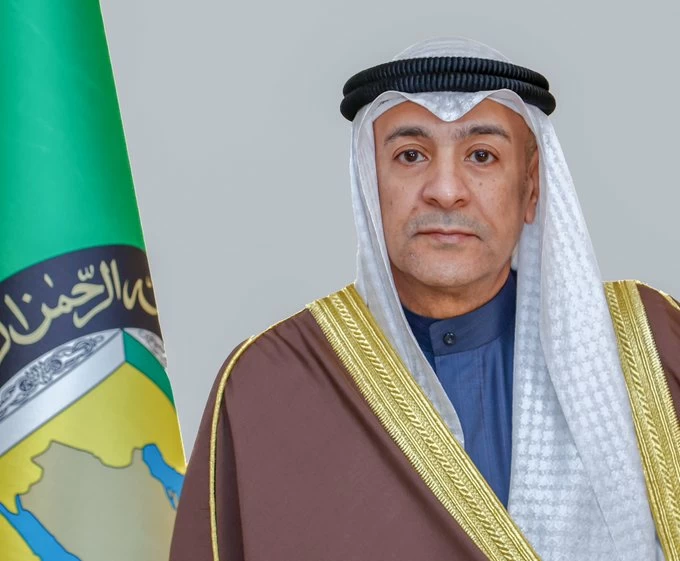
أكد الأمين العام لمجلس التعاون لدول الخليج العربية جاسم محمد البديوي، أن دول المجلس نجحت في بناء قاعدة اقتصادية ومالية واستثمارية قوية، عززت قدرتها على التكيف مع المتغيرات العالمية، ورسخت مكانتها وجهةً عالمية للاستثمار ومصدرًا لرأس المال والشراكات الدولية طويلة الأمد.
جاء ذلك خلال جلسة حوارية بعنوان «اقتصادات دول مجلس التعاون: المرونة والاستثمار والشراكات الإستراتيجية»، نظمتها DLA Piper وHighbridge Advisory، في نيويورك، على هامش أعمال الجمعية العامة الـ81 للأمم المتحدة.
دعم التنوع الاقتصادي
وأوضح البديوي أن اقتصادات دول المجلس يبلغ إجمالي حجمها نحو 2.4 تريليون دولار، فيما تتجاوز أصول الصناديق السيادية الخليجية 5 تريليونات دولار، وأصول البنوك التجارية 3.9 تريليون دولار، بينما تبلغ تجارة دول المجلس السلعية مع العالم نحو 1.6 تريليون دولار.
وأشار إلى أن هذه القدرات تدعم مسيرة التنويع الاقتصادي والاستثمار في الصناعة والتكنولوجيا والذكاء الاصطناعي والطاقة النظيفة والخدمات اللوجستية والسياحة والخدمات المالية والبنية التحتية، مبينًا أن رصيد الاستثمار الأجنبي المباشر في دول المجلس بلغ نحو 792.7 مليار دولار في 2025، منها 171.4 مليار دولار استثمارات خليجية، تمثل نحو 22% من الإجمالي.
ميزة تنافسية جماعية
وأكد أن التكامل الاقتصادي الخليجي، بما يشمله من الاتحاد الجمركي والسوق الخليجية المشتركة والربط الكهربائي وأنظمة المدفوعات والتكامل الرقمي ومشروع سكة حديد دول المجلس، يمثل ميزة تنافسية جماعية تعزز حركة التجارة ورؤوس الأموال وكفاءة سلاسل الإمداد.
ولفت إلى اتساع الشراكات الدولية لدول المجلس لتشمل الاستثمار والتكنولوجيا والذكاء الاصطناعي والصناعات المتقدمة والطاقة النظيفة والبنية التحتية والأمن الغذائي وسلاسل الإمداد، مؤكدًا أن الموقع الإستراتيجي والموانئ والمطارات والشبكات اللوجستية والقدرات المالية والاستثمارية تؤهل دول المجلس للقيام بدور محوري في الربط بين الأسواق ورؤوس الأموال وسلاسل الإمداد.
واختتم البديوي بالتأكيد على انفتاح دول المجلس على شراكات طويلة الأمد تقوم على الاستثمار المتبادل ونقل التكنولوجيا والمعرفة وتطوير المشاريع، والعمل مع المستثمرين والمؤسسات المالية والشركات الدولية لابتكار فرص جديدة في القطاعات التي ستشكل اقتصاد المستقبل، بما يحقق قيمة مشتركة ونموًا مستدامًا.
The Secretary-General of the Gulf Cooperation Council, Jasem Mohammed Al-Budaiwi, confirmed that the member states have succeeded in building a strong economic, financial, and investment base, enhancing their ability to adapt to global changes and solidifying their position as a global investment destination and a source of capital and long-term international partnerships.
This was stated during a panel discussion titled "The Economies of the Gulf Cooperation Council: Resilience, Investment, and Strategic Partnerships," organized by DLA Piper and Highbridge Advisory in New York, on the sidelines of the 81st United Nations General Assembly.
Supporting Economic Diversification
Al-Budaiwi explained that the total size of the economies of the member states is approximately $2.4 trillion, while the assets of Gulf sovereign wealth funds exceed $5 trillion, and the assets of commercial banks amount to $3.9 trillion, with the merchandise trade of the member states with the world reaching about $1.6 trillion.
He pointed out that these capabilities support the path of economic diversification and investment in industry, technology, artificial intelligence, clean energy, logistics, tourism, financial services, and infrastructure, noting that the balance of foreign direct investment in the member states reached approximately $792.7 billion in 2025, of which $171.4 billion are Gulf investments, representing about 22% of the total.
Collective Competitive Advantage
He affirmed that Gulf economic integration, which includes the customs union, the common Gulf market, electrical interconnection, payment systems, digital integration, and the Gulf railway project, represents a collective competitive advantage that enhances trade movement, capital flow, and supply chain efficiency.
He noted the expansion of international partnerships for the member states to include investment, technology, artificial intelligence, advanced industries, clean energy, infrastructure, food security, and supply chains, emphasizing that the strategic location, ports, airports, logistical networks, and financial and investment capabilities qualify the member states to play a pivotal role in connecting markets, capital, and supply chains.
Al-Budaiwi concluded by emphasizing the openness of the member states to long-term partnerships based on mutual investment, technology transfer, knowledge sharing, and project development, working with investors, financial institutions, and international companies to innovate new opportunities in sectors that will shape the economy of the future, achieving shared value and sustainable growth.