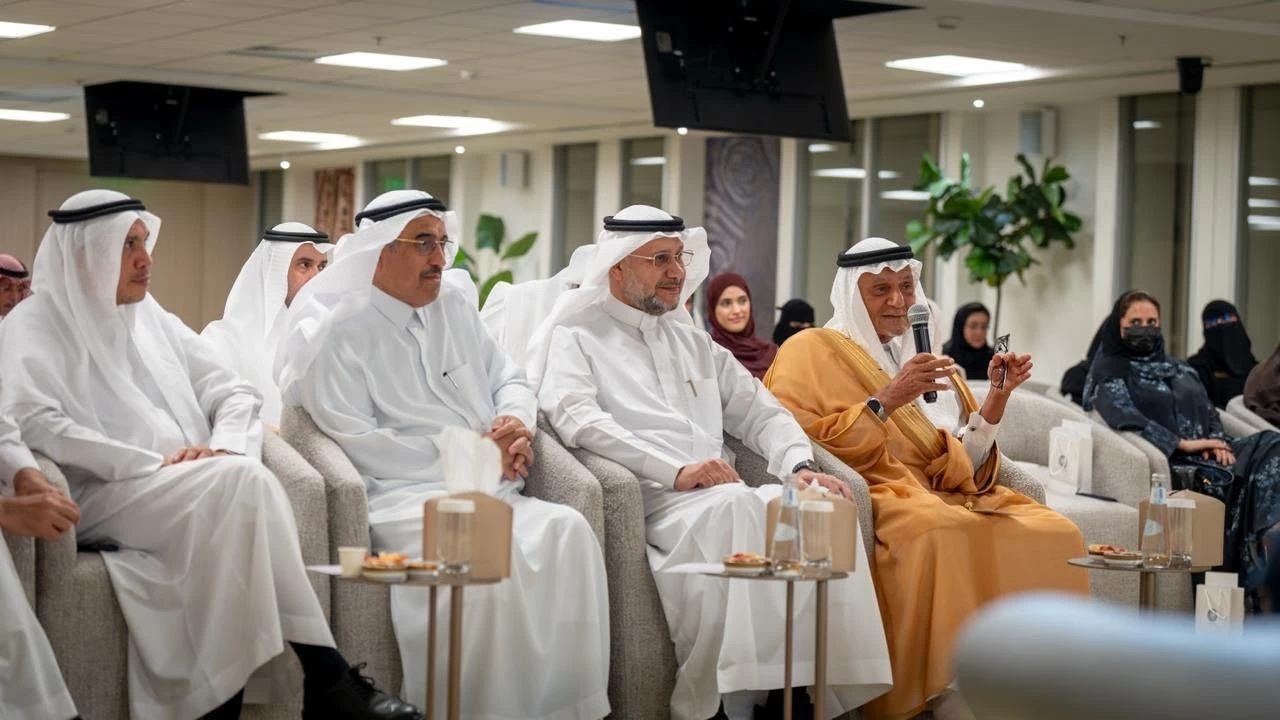
شدد رئيس مجلس إدارة مركز الملك فيصل للبحوث والدراسات الإسلامية الأمير تركي الفيصل على ضرورة وضع ضوابط تحكم استخدام الذكاء الاصطناعي؛ بما يضمن توظيف إمكاناته لخدمة الإنسان والحد من مخاطره.
وحذّر خلال مداخلة في ندوة علمية بعنوان «الطب والأدب بين الإبداع البشري والذكاء الاصطناعي»، من الإفراط في التعامل مع هذه التقنية؛ بما قد يجعل الإنسان أسيراً لهذا «الساحر المبهر»، داعياً مستخدمي الذكاء الاصطناعي وغير مستخدميه إلى الوعي والحذر.
وأشار الأمير تركي الفيصل إلى الضوابط التي وضعتها السعودية لتنظيم استخدام الذكاء الاصطناعي، والجهود الدولية الرامية إلى تطوير معايير تضمن الاستفادة من إمكاناته وتحدّ من محاذيره.
من جانبها، أكدت مديرة مركز الذكاء الاصطناعي بجامعة الأميرة نورة الدكتورة شروق السنان، خلال الندوة، أن الذكاء الاصطناعي لم يعد تقنية مستقبلية، بل أصبح جزءاً من منظومة الرعاية الصحية، بعد انتقاله من نماذج تؤدي مهمات محددة إلى أنظمة متعددة المهمات تتكامل مع الخدمات المقدمة للمرضى والعمليات التشغيلية في المستشفيات.
وشددت على أن الذكاء الاصطناعي ليس بديلاً عن الطبيب، بل أداة مساندة له في أداء مهماته واتخاذ القرارات، مؤكدة ضرورة مراعاة موثوقية تطبيقاته وعدالتها وقابليتها للتفسير، وإشراك المختصين الصحيين منذ المراحل الأولى لبناء النماذج، مع بقاء المسؤولية النهائية على الطبيب.
أشارت الدكتورة شروق إلى ما حققته السعودية في توطين تقنيات الذكاء الاصطناعي، وبناء نماذج وطنية تحافظ على البيانات وتلبي حاجات المجتمع.
شعر وسرد ونقد اصطناعي!
أستاذ الأدب والنقد بجامعة الملك خالد الدكتور عبدالرحمن المحسني قال إن قدرات الذكاء الاصطناعي امتدت إلى إنتاج نصوص شعرية وسردية ونقدية؛ ما أثار تساؤلات بشأن هوية النص والمبدع، والتمييز بين الإنتاج البشري والآلي.
ودعا المؤسسات الثقافية والأكاديمية إلى تطوير إستراتيجياتها في البحث العلمي والجوائز، والتعامل مع الأنماط الجديدة للنصوص، سواء كانت بشرية أو مولدة آلياً أو مشتركة بين الإنسان والآلة، مشيراً إلى إمكانات التقنية في تحليل النصوص وتحقيق المخطوطات وإجراء المراجعات العلمية.
لا اعتداء.. وسيلة مساعدة
المديرة التنفيذية لحقوق المؤلف والتصاميم في الهيئة السعودية للملكية الفكرية الدكتورة الهنوف الدباسي أوضحت أن حماية الأعمال ترتبط بحجم المساهمة البشرية فيها؛ فكلما برزت هوية المؤلف ولمسته الشخصية، أمكن اعتبار العمل نتاجاً بشرياً يستحق الحماية، فيما لا تحظى الأعمال التي ينتجها الذكاء الاصطناعي بصورة مستقلة بالحماية ذاتها.
وبيّنت أن الاستخدام المشروع للذكاء الاصطناعي يقوم على توظيفه أداةً مساعدة دون الاعتداء على حقوق الآخرين، لافتة إلى أن مسؤولية الانتهاك قد تقع على المستخدم إذا تعمد توجيه الأداة إلى انتهاك حقوق الملكية الفكرية، أو على المطور أو الشركة عند عدم توفير الضوابط اللازمة، أو استخدام أعمال محمية دون موافقة أصحاب الحقوق.
وخلصت الندوة إلى أن الذكاء الاصطناعي أصبح واقعاً حاضراً في الطب والأدب وغيرهما من المجالات، وأن التحدي يتمثل في توظيفه بمسؤولية؛ بما يحفظ الإبداع البشري والحقوق الفكرية والقيم المهنية والإنسانية، ويجعله أداة تعزز قدرات الإنسان دون أن تحل محله.
The Chairman of the Board of the King Faisal Center for Research and Islamic Studies, Prince Turki Al-Faisal, emphasized the necessity of establishing regulations governing the use of artificial intelligence; to ensure its capabilities are employed to serve humanity and to mitigate its risks.
During a contribution in a scientific seminar titled "Medicine and Literature Between Human Creativity and Artificial Intelligence," he warned against excessive engagement with this technology; which could make humans captives of this "dazzling sorcerer," calling on both users and non-users of artificial intelligence to be aware and cautious.
Prince Turki Al-Faisal pointed to the regulations that Saudi Arabia has put in place to organize the use of artificial intelligence, as well as the international efforts aimed at developing standards that ensure the benefits of its capabilities while limiting its hazards.
For her part, the Director of the Artificial Intelligence Center at Princess Nourah bint Abdulrahman University, Dr. Shurooq Al-Sinan, confirmed during the seminar that artificial intelligence is no longer a futuristic technology; it has become part of the healthcare system, having transitioned from models performing specific tasks to multi-tasking systems that integrate with services provided to patients and operational processes in hospitals.
She stressed that artificial intelligence is not a substitute for the doctor, but rather a supportive tool for them in performing their tasks and making decisions, emphasizing the need to consider the reliability, fairness, and interpretability of its applications, and to involve health specialists from the early stages of model building, while the final responsibility remains with the doctor.
Dr. Shurooq pointed to what Saudi Arabia has achieved in localizing artificial intelligence technologies and building national models that preserve data and meet community needs.
Artificial Poetry, Narrative, and Criticism!
Professor of Literature and Criticism at King Khalid University, Dr. Abdulrahman Al-Muhsini, stated that the capabilities of artificial intelligence have extended to producing poetic, narrative, and critical texts; raising questions about the identity of the text and the creator, and distinguishing between human and machine production.
He called on cultural and academic institutions to develop their strategies in scientific research and awards, and to engage with the new patterns of texts, whether they are human, machine-generated, or a collaboration between humans and machines, pointing to the technology's potential in text analysis, manuscript verification, and conducting scientific reviews.
No Violation... A Supportive Tool
The Executive Director of Copyright and Designs at the Saudi Authority for Intellectual Property, Dr. Al-Hanouf Al-Dabasi, clarified that the protection of works is linked to the extent of human contribution to them; the more the author's identity and personal touch are evident, the more the work can be considered a human product deserving protection, while works produced independently by artificial intelligence do not receive the same level of protection.
She explained that the legitimate use of artificial intelligence is based on employing it as a supportive tool without infringing on the rights of others, noting that the responsibility for infringement may fall on the user if they intentionally direct the tool to violate intellectual property rights, or on the developer or company if they fail to provide the necessary regulations, or use protected works without the consent of the rights holders.
The seminar concluded that artificial intelligence has become a present reality in medicine, literature, and other fields, and that the challenge lies in employing it responsibly; preserving human creativity, intellectual rights, and professional and humanitarian values, making it a tool that enhances human capabilities without replacing them.