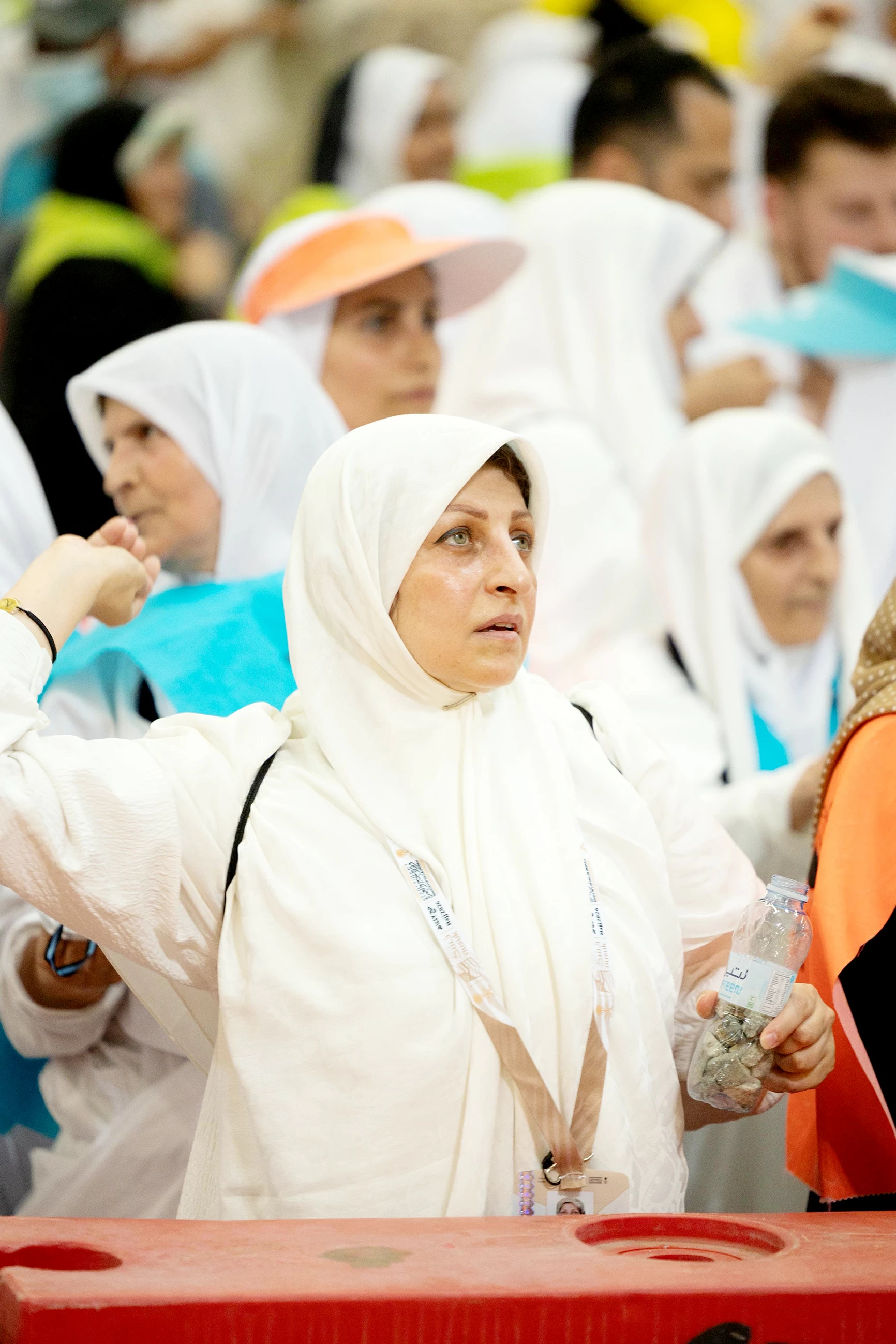
بدأ توافد أفواج الحجاج أمس (الأربعاء) إلى منشأة الجمرات لرمي الجمرة الكبرى بعد أن منّ الله عليهم بالوقوف في عرفة والمبيت بمزدلفة وسط انسيابية في التنقل، وتسخير كافة الإمكانات الخدمية والأمنية منذ خروج الأفواج من مزدلفة حتى وصولهم إلى جسر الجمرات.
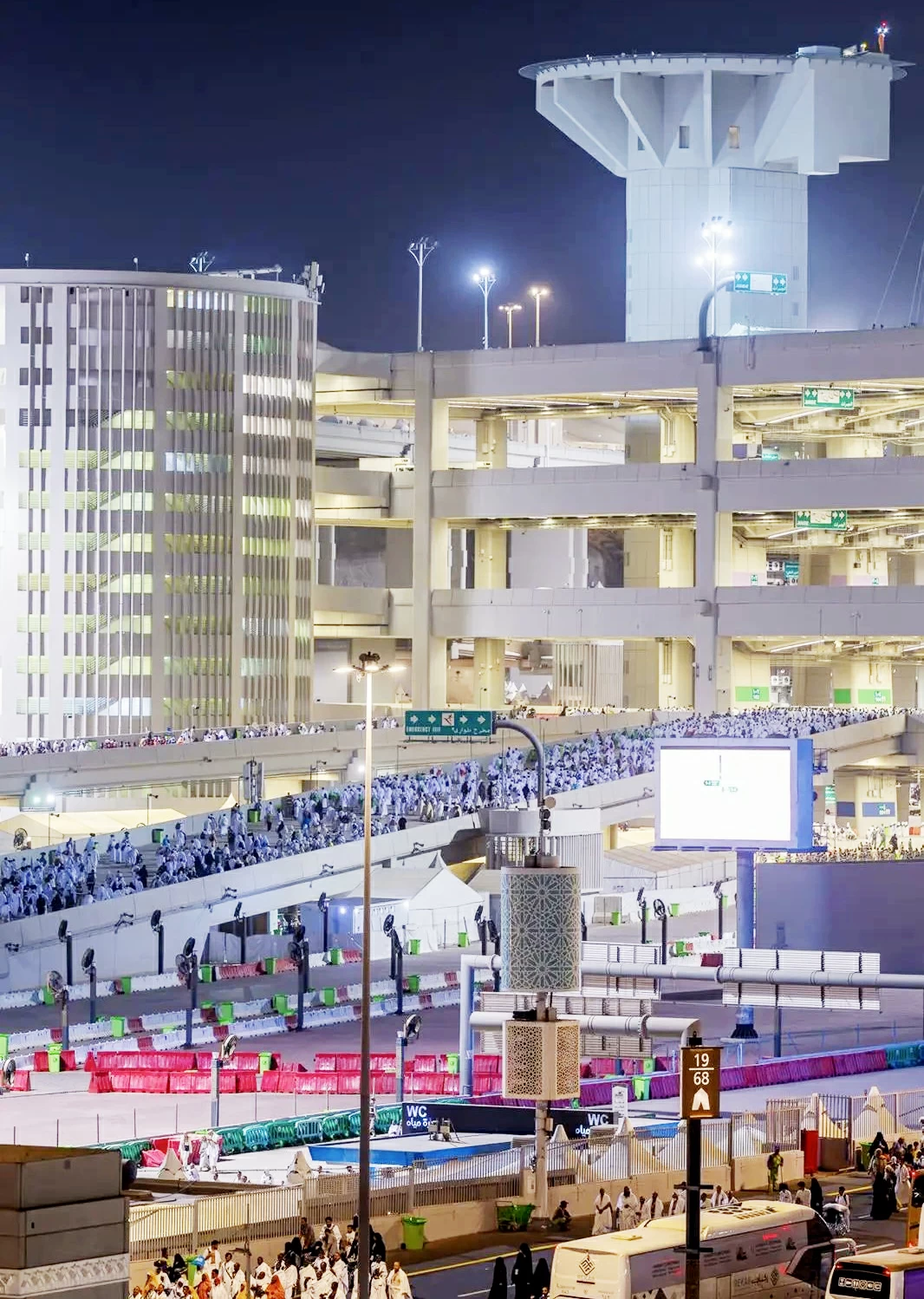
وخصّصت الجهات المعنية مسارات متعددة لتوزيع الحشود على الأدوار المتعددة لمنشأة الجمرات؛ لضمان انسيابية الحركة عبر جسر الجمرات بأدواره المتعددة الذي شُيّد بطريقة هندسية تراعي توزيع كثافة الحجيج في الرمي وتربطه بجسور المشاة مع قطار المشاعر والمناطق المحيطة بمخيمات منى.
ويرمى ضيوف الرحمن الجمار في ظل توفر جميع الخدمات الأمنية والصحية والإسعافية والدفاع المدني، إلى جانب رجال الأمن القائمين على تنظيم حركة الحجيج في ساحات جسر الجمرات وعلى مداخله ومخارجه.
اتسمت حركة الحجيج نحو جسر الجمرات والساحات المحيطة بها بالتدفق المتدرج والآمن على دفعات، وتوزعت على الأدوار حسب التنظيم المعد، والعودة لمواقع إقامتهم بانسيابية ومرونة، فيما اتسمت الطرق في مشعر منى إجمالاً بالمرونة في الحركة المرورية للسيارات وتنقل الحجيج.
وصادف أمس «أول أيام عيد الأضحى» لهذا العام، إذ ينزل الحجاج في وادي منى بعد الوقوف يوم الـ9 من ذي الحجة (يوم عرفة) على صعيد عرفات لتأدية الركن الأعظم، قبل النفرة إلى مزدلفة.
أطول طريق مشاة في العالم
مشعر منى وادٍ تحيط به الجبال من الجهتين الشمالية والجنوبية، وجمرة العقبة من جهة مكة المكرمة، ووادي محسر من جهة مشعر مزدلفة، ويعد أكبر المشاعر مساحة في مكة المكرمة.
وتعرف منى بأنها موضع أداء شعائر الحج ومبيت الحجاج في يوم التروية ويوم عيد الأضحى وأيام التشريق، وفيها موقع الجمرات التي تتم بين شروق وغروب الشمس، في تلك الأيام من الحج، ويذبح فيها الهدي، ولا تُسكن إلا في أيام الحج فقط.
وتؤوي منى سنوياً ما يزيد على مليونين من الحجاج والعاملين ومقدمي الخدمات المختلفة، وذلك ابتداءً من يوم التروية 8 ذي الحجة حتى نهاية أيام التشريق 13 ذي الحجة، عدا يوم عرفة في 9 ذي الحجة، بمجموع 5 أيام للمتأخر أو 4 أيام للمتعجل.
وينتهي في مشعر منى أطول طريق للمشاة في العالم، الذي يبدأ من جبل الرحمة بعرفات مروراً بمزدلفة، وهو طريق بـ4 مسارات يضم على طوله المظلات للوقاية من أشعة الشمس، ويحتوي على الكراسي والمياه الباردة.
ويقع مشعر منى شرق مدينة مكة، ويحده من الشمال الغربي جمرة العقبة، ومن الجنوب الشرقي وادي محسر، ومن الجهة الشمالية جبل القويس، ومن الجهة الجنوبية جبل ثبير.
ويفصل بينه وبين مشعر مزدلفة وادي محسر، وتقدر مساحة منى بنحو 7.82 كم مربع، والمستغلة فعلاً 4.8 كم مربع، أي ما يعادل 61% من المساحة الحقيقية، بينما تغطّي 39% من المساحة جبال وعرة ترتفع قممها نحو 500م فوق مستوى سطح الوادي.
خيام مصنوعة من الزجاج
تضم منى خياماً سكنية مصنوعة من الزجاج، مغطاة بمادة «التفلون»، لمقاومتها العالية للاشتعال، ومرتبطة ببعضها بعضاً بواسطة ممرات، وتحاط كل مجموعة خيام بأسوار معدنية تضم أبواباً رئيسية وأخرى للطوارئ، تمتد الخيام على مساحة 2.5 مليون متر مربع، وتستوعب نحو 2.6 مليون حاج.
ويقضي الحجاج في منى أيام التشريق الثلاثة لرمي الجمرات الثلاث مبتدئين بالجمرة الصغرى ثم الوسطى ثم الكبرى، ومن تعجل في يومين فلا إثم عليه.
وسُميت هذه الأيام بأيام التشريق؛ لأن العرب كما قال ابن حجر: كانوا يُشرِقون لحوم الأضاحي في الشمس وهو تقطيع اللحم وتقديده ونشره.
The influx of pilgrims began yesterday (Wednesday) to the Jamarat facility to throw stones at the largest jamrah after Allah granted them the opportunity to stand at Arafat and spend the night at Muzdalifah, with smooth transportation and the provision of all service and security capabilities from the moment the groups left Muzdalifah until they arrived at the Jamarat Bridge.
The relevant authorities have designated multiple pathways to distribute the crowds across the various levels of the Jamarat facility, ensuring smooth movement across the multi-level Jamarat Bridge, which was constructed in an engineering manner that considers the density of the pilgrims during the stoning ritual and connects it to pedestrian bridges with the Mashair train and the surrounding areas of the Mina camps.
The guests of Allah throw stones in the presence of all security, health, and emergency services, alongside the security personnel responsible for organizing the movement of pilgrims in the areas of the Jamarat Bridge and its entrances and exits.
The movement of pilgrims towards the Jamarat Bridge and the surrounding areas was characterized by a gradual and safe flow in batches, distributed across the levels according to the prepared organization, and returning to their accommodation sites smoothly and flexibly, while the roads in the Mina area were generally characterized by flexibility in traffic for vehicles and the movement of pilgrims.
Yesterday coincided with the "first day of Eid al-Adha" this year, as the pilgrims descend into the Mina Valley after standing on the 9th of Dhul-Hijjah (Day of Arafah) at the plain of Arafat to perform the greatest pillar, before heading to Muzdalifah.
The Longest Pedestrian Path in the World
The Mina area is a valley surrounded by mountains on the northern and southern sides, with the Jamrat al-Aqaba on the Mecca side and the Wadi Muhassir on the Muzdalifah side, and it is the largest area of the sacred sites in Mecca.
Mina is known as the place for performing the rituals of Hajj and where pilgrims stay on the Day of Tarwiyah, the Day of Eid al-Adha, and the days of Tashreeq, and it is where the stoning rituals take place between sunrise and sunset during those days of Hajj, and the sacrificial animals are slaughtered there, and it is only inhabited during the days of Hajj.
Mina accommodates more than two million pilgrims, workers, and various service providers annually, starting from the Day of Tarwiyah on the 8th of Dhul-Hijjah until the end of the days of Tashreeq on the 13th of Dhul-Hijjah, excluding the Day of Arafah on the 9th of Dhul-Hijjah, totaling 5 days for those who delay or 4 days for those who hasten.
The Mina area features the longest pedestrian path in the world, which starts from Mount Mercy in Arafat, passing through Muzdalifah. It is a path with 4 lanes that includes canopies for protection from sunlight and contains chairs and cold water.
The Mina area is located east of the city of Mecca, bordered to the northwest by the Jamrat al-Aqaba, to the southeast by Wadi Muhassir, to the north by Mount Quwis, and to the south by Mount Thabir.
It is separated from the Muzdalifah area by Wadi Muhassir, and the area of Mina is estimated at about 7.82 square kilometers, with 4.8 square kilometers actually utilized, which is equivalent to 61% of the actual area, while 39% of the area is covered by rugged mountains whose peaks rise about 500 meters above the valley floor.
Glass Tents
Mina includes residential tents made of glass, covered with a "Teflon" material, known for its high resistance to fire, and connected to each other by walkways. Each group of tents is surrounded by metal fences that include main and emergency doors, extending over an area of 2.5 million square meters, accommodating about 2.6 million pilgrims.
Pilgrims spend the three days of Tashreeq in Mina to throw stones at the three jamrahs, starting with the small jamrah, then the middle one, and finally the largest one. Those who hasten on two days incur no sin.
These days are called the days of Tashreeq because the Arabs, as Ibn Hajar said, used to dry the meat of the sacrifices in the sun, which involves cutting the meat, drying it, and spreading it.