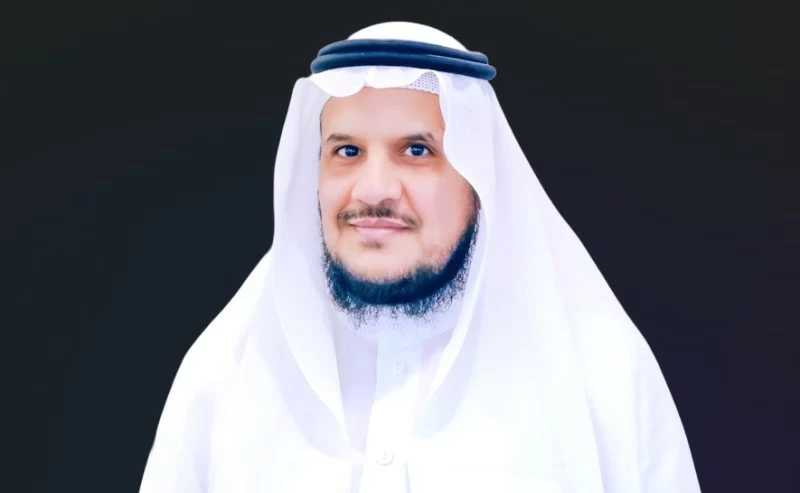
الدكتور عبدالمحسن معيض الحربي بصمة قيادية في العمل الخيري والتنموي في القطاع غير الربحي بالمدينة المنورة، ويشغل منصب نائب رئيس مجلس الجمعيات الأهلية، والأمين العام لجمعية تكافل لرعاية الأيتام، وعمل على تطوير العمل الخيري ودعم الأيتام، بالإضافة إلى توليه الأمانة العامة لوقف الشفاء، ما يجسد التزامه بالتكافل الاجتماعي والتنمية المستدامة، بفضل خبرته في فنون ومهارات الإدارة الناجحة. يُعد الحربي قيادياً مؤثراً في العمل الإنساني، إذ أسهم في تطوير المبادرات الخيرية وتعزيز الشراكات لخدمة المحتاجين.
نموذج الاستدامة
• كيف تقيّمون مستوى تطور قطاع الأوقاف والقطاع غير الربحي في توسيع مفهوم البذل، وما الذي تعملون عليه لتعزيز التحول في مجالات رعاية الأيتام والخدمات الصحية؟
•• من نعم الله علينا في هذا البلد المعطاء، أن البذل متأصل في نفوس أبناء هذا الوطن وزواره، خصوصاً للفئة التي تخدمهم تكافل، ومع هذا البذل والعطاء حرصنا منذ بداية انطلاق أعمال الجمعية على تأسيس نموذج يهتم بالاستدامة والعمل المؤسسي، وينقلنا من مرحلة الاجتهادات الفردية والعاطفية إلى مرحلة العمل المؤسسي المنظم، فنحن في تكافل وسَّعنا مفهوم البذل ليشمل «التمكين» وليس فقط «الإغاثة»، إذ عملت تكافل وفريقها المبدع على تعزيز هذا التحول من خلال رقمنة التبرع وحوكمته وتخصيص جزء منه للاستدامة واستحداث برنامج غير تقليدي للوقف وفتح مسارات التطوع الاحترافي ليشارك الطبيب والمهندس والمعلم بخبراتهم، ما يعظم العائد الاجتماعي للتبرع ويحقق استدامة أعمق من مجرد سلة غذائية تنتهي بانتهاء الشهر، ولدينا بفضل الله نموذج ناجح جداً ونفخر به ونسعد بتقديمه للجميع.
الشفافية المطلقة
• ما أبرز التحولات التي شهدها قطاع الأوقاف والقطاع غير الربحي في المملكة خلال الأعوام الأخيرة على مستوى الحوكمة والاستدامة، خصوصاً في الجمعيات المتخصصة بالرعاية الاجتماعية والصحية؟
•• شهدنا قفزة نوعية بفضل الله ثم بفضل رؤية المملكة الطموحة. يقود هذه القفزة المركز الوطني للقطاع غير الربحي، ولعل من أبرز هذه التحولات هي الشفافية المطلقة، والامتثال للمعايير العالمية في الحوكمة، والتنافس الكبير بين الجمعيات في المملكة لحصد جوائز التميز وجوائز الجودة والامتثال، فالقطاع غير الربحي أصبح ينافس القطاع الخاص في جودة الأداء، والانتقال من الاعتماد على التبرعات النقدية المتقطعة إلى «الاستثمار الاجتماعي» والأوقاف النوعية. وفي الجانب الصحي، أصبحت الأوقاف المخصصة للرعاية الصحية والجمعيات المتخصصة تسند النظام الصحي وتسد فجوات دقيقة فيه وتتكامل معه لا لتنافسه، ولعل نموذج وقف الشفاء الصحي خير شاهد على ما أتحدث عنه وعلى ما يشاهده القطاع من تطور كبير ضمن مستهدفات رؤية المملكة.
• من واقع تجربتكم، أين تكمن الفجوة الأكبر اليوم داخل هذا القطاع؛ في القيادات التنفيذية، أم في نماذج التمويل المستدام، أم في قياس الأثر على المستفيدين؟
•• نجح القطاع في جلب التمويل وطوّر قيادات تنفيذية نفخر بها وعمل على خطط وإستراتيجيات ومستهدفات وحوكمة، وأعتقد أن القطاع ما يزال لديه التحدي في الأثر وطريقة قياسه بإيجاد أدوات قياس أثر أكثر دقة لتبين ماذا حققنا من تغيير سلوكي وتنموي في المستفيد من القطاع غير الربحي ومدى استجابته للتغيير والتحول إلى عنصر منتج وداعم.
تحقيق التوازن
• في ظل تنوع الأوقاف واتجاهها إلى خدمات اجتماعية وصحية كالرعاية والكفالة والعلاج المجاني، هل يواجه القطاع صعوبة في تحقيق التوازن بين تعظيم الأثر الإنساني والاستقرار المالي، والمحافظة على رسالته الأساسية؟
•• نعم التحدي موجود، لكن تحقيق التوازن ممكن إذا أُدير بعقلية مؤسسية واضحة من ناحية التصميم والحلول المختلفة، وأن يكون القرار الإنساني محكوماً بإطار مالي واضح، وأن يكون القرار المالي يحقق الأهداف المرجوة ورسالة الجمعية أو الوقف وأهدافه.
في تكافل مثلاً لدينا تجربة ناجحة في إيجاد أصول وقفية مبتكرة ومنتجة نصرف من ريعها ونعمل على تعظيم أثرها، وهذا أعطانا استقراراً ونعمل بكل جهد للوصل إلى الاستدامة المالية.
لدينا أيضاً نموذج وقف الشفاء الصحي يقدّم زاوية مكملة في الجانب الصحي في مكة المكرمة والمدينة المنورة فهو لا يكتفي بتغطية العلاج، بل يعمل على بناء منظومة صحية تنموية تشمل الوقاية والتوعية وتطوير المؤسسات وتأهيل الكوادر، وهذا يخفف الضغط المالي على المدى الطويل.
رعاية غير السعوديين
• في ظل تصاعد دور القطاع غير الربحي كشريك تنموي ضمن مستهدفات الاقتصاد الوطني، كيف تقيّمون إسهامكم في الرعاية الصحية لغير السعوديين من ضيوف الرحمن، وهل لمستم تحولاً ملموساً في جودة الحياة للمستفيدين نتيجة هذه الجهود؟
•• بفضل الله وبتوفيقه ثم بدعم رئيس مجلس نظارة وقف الشفاء الصحي الأمير فيصل بن سلمان بن عبدالعزيز، سجّل الوقف نجاحات كبيرة في تمكين الوصول إلى الخدمات الصحية للفئات الأشد احتياجاً من غير السعوديين ومن ضيوف الرحمن ضمن نموذج وقفي تشغيلي مستدام قائم على الشراكات المتخصصة، فقد قدّم الوقف خلال العام الماضي 3,554 خدمة صحية، استفاد منها 2,579 مستفيداً، محققاً نسبة رضا بلغت 96%، وبمتوسط زمن انتظار لا يتجاوز خمسة أيام، وشملت الخدمات أكثر من 39 جنسية، وتوزعت على تخصصات دقيقة تضمنت العمليات الجراحية بنسبة 45%، وطب وجراحة العيون بنسبة 35%، وعلاج الأورام بنسبة 10%، وخدمات غسل الكلى بنسبة 7%، إضافة إلى تخصصات أخرى بنسبة 3%، بما يعكس تركيزاً على الحالات الأعلى أثراً والأكثر احتياجاً. وفي المدينة المنورة، واصل مستشفى السلام الوقفي أداءه بكفاءة عالية خلال عام 2025، حيث قدّم خدماته لـ 140,298 مستفيداً بإجمالي 645,696 خدمة صحية وبمتوسط زمن انتظار بلغ 18 دقيقة، مع تشغيل 81 سريراً من بينها 13 سريراً مخصصاً لغسل الكلى و8 أسرة للطوارئ، إضافة إلى خدمات التنويم والعناية المركزة.
بعيداً عن المثالية
• ماذا يعني لكم أن يعود عليكم شهر رمضان وأنتم تعملون في ميادين ترتبط مباشرةً بحياة الأيتام والمرضى؟
•• بعيداً عن المثالية نحن نعمل داخل منظومة مؤسسية متكاملة لها خططها ومؤشراتها والتزاماتها التشغيلية، لكني دائماً أقول للزملاء، إن يختارك الله لخدمة أيتام المدينة في شهر الرحمة فهذا اصطفاء عظيم ومسؤولية مضاعفة.
رمضان بالنسبة لنا يعني أن نرفع مستوى الجاهزية وأن نضاعف جهودنا لنكون بحجم تطلعات المستفيدين، وأن نكون في الوقت ذاته عند ثقة أهل البر والإحسان، فنؤدي الأمانة كما ينبغي ونوصل ما يقدمونه من تبرعات وزكوات إلى مستحقيها بدقة وانضباط وفي الوقت المناسب دون تأخير وبأفضل طريقة ممكنة.
• هل يتغيّر برنامجكم اليومي في رمضان، وكيف توفّقون بين الإدارة والمتابعة الميدانية خلال هذا الشهر؟
•• في رمضان يرتفع إيقاع العمل، لكننا نعمل وفق خطة سنوية بمؤشرات وحوكمة واضحة ينفذها فريق متميز لكل واحدٍ منهم دوافعه الداخلية التي تجعله يستشعر قيمة ما يقوم به.
ومع دخول الشهر الفضيل نكون قد أكملنا جاهزيتنا بفترة كافية من حيث التنسيق مع الشركاء وتوزيع الأدوار داخل الفرق وخطة تنفيذية متكاملة، لذلك تسير الأعمال بسلاسة وانضباط.
التركيز في هذا الشهر يكون على سرعة الإنجاز وجودة التنفيذ، مع متابعة يومية دقيقة تضمن أن كل برنامج يصل إلى مستحقيه في وقته دون ارتباك أو تأخير وبما يحفظ ثقة الداعمين والمستفيدين.
• ما برنامجكم الرمضاني من الفجر إلى السحور على المستوى الشخصي والمؤسسي؟
•• برنامجنا في رمضان يقوم على الانضباط واستثمار الوقت سواء على المستوى الشخصي أو المؤسسي، يبدأ اليوم بترتيب الأولويات ومتابعة ما يرتبط بالالتزامات المباشرة ويستمر بمتابعة سير الأعمال وضمان انتظامها.
جملة قصيرة
• ما أبرز موقف إنساني مرّ بكم في مسيرتكم مع الأيتام أو المرضى وما زال يؤثر في قراراتكم اليوم؟
•• المواقف كثيرة، لكن من أكثر ما بقي حاضراً في الذهن عبارة كتبتها إحدى بناتنا بعد رحلة عمرة نظمناها لأبنائنا وأمهاتهم، ونحرص دائماً على تقييم البرامج وطلب آرائهم حول الخدمة، فكتبت في نموذج التقييم «عدتُ لماضٍ كنت أعيشه مع أبي».
كانت جملة قصيرة لكنها أسعدتنا كثيراً، لأنها لخصت واحداً من أهم أهدافنا التي نسعى لها مع الكفلاء والداعمين، وهو إعادة جزء من شعور افتقده اليتيم وهذا هاجس دائم لنا في تكافل، ولدينا نماذج كثيرة لأبناء وبنات وصلوا بعد سنوات من الرعاية والتمكين إلى وظائف مرموقة كأطباء ومهندسين وغيرهم، وأصبحوا اليوم داعمين لبرامج تكافل ومشاركين في رسالتها.
Dr. Abdul Mohsen Mu'id Al-Harbi is a leading figure in charitable and developmental work in the non-profit sector in Medina. He holds the position of Vice President of the Council of Charitable Societies and Secretary-General of the Takaful Association for Orphan Care. He has worked on developing charitable work and supporting orphans, in addition to serving as the Secretary-General of the Shifa Endowment, which embodies his commitment to social solidarity and sustainable development, thanks to his expertise in the arts and skills of successful management. Al-Harbi is considered an influential leader in humanitarian work, as he has contributed to the development of charitable initiatives and the enhancement of partnerships to serve those in need.
Sustainability Model
• How do you assess the level of development in the endowment sector and the non-profit sector in expanding the concept of giving, and what are you working on to enhance the transformation in the fields of orphan care and health services?
•• One of the blessings of God upon us in this generous country is that giving is deeply rooted in the hearts of the people of this nation and its visitors, especially for the group served by Takaful. With this giving and generosity, we have been keen since the beginning of the association's work to establish a model that focuses on sustainability and institutional work, moving us from a phase of individual and emotional efforts to organized institutional work. At Takaful, we have expanded the concept of giving to include "empowerment" and not just "relief." Takaful and its creative team have worked to enhance this transformation through the digitization of donations, governance, allocating part of it for sustainability, and creating an unconventional endowment program while opening professional volunteering pathways for doctors, engineers, and teachers to share their expertise, which maximizes the social return on donations and achieves deeper sustainability than just a food basket that ends at the end of the month. Thanks to God, we have a very successful model that we are proud of and happy to present to everyone.
Absolute Transparency
• What are the most notable transformations that the endowment sector and the non-profit sector in the Kingdom have witnessed in recent years in terms of governance and sustainability, especially in associations specialized in social and health care?
•• We have witnessed a qualitative leap thanks to God and then the ambitious vision of the Kingdom. This leap is led by the National Center for the Non-Profit Sector, and perhaps one of the most prominent of these transformations is absolute transparency, compliance with global governance standards, and the intense competition among associations in the Kingdom to win excellence awards and quality and compliance awards. The non-profit sector has become competitive with the private sector in performance quality, transitioning from reliance on sporadic cash donations to "social investment" and quality endowments. In the health sector, endowments dedicated to health care and specialized associations support the health system, filling precise gaps within it and integrating with it rather than competing against it. The Shifa Health Endowment is a prime example of what I am talking about and what the sector is witnessing in terms of significant development within the targets of the Kingdom's vision.
• From your experience, where does the biggest gap lie today within this sector; in executive leadership, in sustainable funding models, or in measuring the impact on beneficiaries?
•• The sector has succeeded in attracting funding and developing executive leadership that we are proud of, working on plans, strategies, targets, and governance. I believe that the sector still faces the challenge of impact and how to measure it by finding more accurate impact measurement tools to show what we have achieved in terms of behavioral and developmental change in the beneficiaries of the non-profit sector and their responsiveness to change and transformation into a productive and supportive element.
Achieving Balance
• In light of the diversity of endowments and their direction towards social and health services such as care, sponsorship, and free treatment, does the sector face difficulty in achieving a balance between maximizing humanitarian impact and financial stability while maintaining its core mission?
•• Yes, the challenge exists, but achieving balance is possible if managed with a clear institutional mindset in terms of design and different solutions, ensuring that humanitarian decisions are governed by a clear financial framework, and that financial decisions achieve the desired goals and the mission of the association or endowment and its objectives.
At Takaful, for example, we have a successful experience in creating innovative and productive endowment assets from which we spend the proceeds and work to maximize their impact, which has given us stability, and we are working hard to achieve financial sustainability.
We also have the Shifa Health Endowment model, which provides a complementary angle in the health sector in Mecca and Medina. It does not only cover treatment but also works on building a developmental health system that includes prevention, awareness, developing institutions, and qualifying staff, which alleviates financial pressure in the long term.
Care for Non-Saudis
• In light of the rising role of the non-profit sector as a developmental partner within the targets of the national economy, how do you assess your contribution to health care for non-Saudis among the guests of الرحمن, and have you noticed a tangible shift in the quality of life for beneficiaries as a result of these efforts?
•• Thanks to God and His guidance, and with the support of the Chairman of the Board of Trustees of the Shifa Health Endowment, Prince Faisal bin Salman bin Abdulaziz, the endowment has recorded significant successes in enabling access to health services for the most needy non-Saudis and guests of الرحمن within a sustainable operational endowment model based on specialized partnerships. The endowment provided 3,554 health services last year, benefiting 2,579 beneficiaries, achieving a satisfaction rate of 96%, with an average waiting time of no more than five days. The services included more than 39 nationalities and were distributed across specialized fields, including surgical operations at 45%, ophthalmology and surgery at 35%, cancer treatment at 10%, and dialysis services at 7%, in addition to other specialties at 3%, reflecting a focus on the most impactful and needy cases. In Medina, the Al-Salam Endowment Hospital continued to perform efficiently in 2025, providing services to 140,298 beneficiaries with a total of 645,696 health services and an average waiting time of 18 minutes, operating 81 beds, including 13 beds dedicated to dialysis and 8 emergency beds, in addition to hospitalization and intensive care services.
Moving Away from Idealism
• What does it mean for you to have the month of Ramadan return while you are working in fields directly related to the lives of orphans and patients?
•• Moving away from idealism, we work within a comprehensive institutional system that has its plans, indicators, and operational commitments. However, I always tell my colleagues that being chosen by God to serve the orphans of Medina in the month of mercy is a great selection and a multiplied responsibility.
Ramadan for us means raising the level of readiness and doubling our efforts to meet the aspirations of the beneficiaries, while also being worthy of the trust of the people of charity and goodness. We perform our duty as it should be and deliver the donations and zakat they provide to those who deserve it accurately, with discipline, and at the right time without delay and in the best possible way.
• Does your daily program change during Ramadan, and how do you balance management and field follow-up during this month?
•• During Ramadan, the pace of work increases, but we work according to an annual plan with clear indicators and governance implemented by a distinguished team, each of whom has internal motivations that make them feel the value of what they are doing.
With the arrival of the holy month, we have completed our readiness well in advance in terms of coordinating with partners, distributing roles within teams, and having a comprehensive executive plan, so the work proceeds smoothly and with discipline.
The focus during this month is on the speed of achievement and the quality of execution, with daily precise follow-up to ensure that every program reaches its beneficiaries on time without confusion or delay, preserving the trust of supporters and beneficiaries.
• What is your Ramadan program from dawn to suhoor on a personal and institutional level?
•• Our program in Ramadan is based on discipline and time investment, whether at the personal or institutional level. The day begins with prioritizing tasks and following up on direct commitments and continues with monitoring the progress of work and ensuring its regularity.
A Short Sentence
• What is the most notable humanitarian moment you have experienced in your journey with orphans or patients that still influences your decisions today?
•• There are many moments, but one of the most memorable was a phrase written by one of our daughters after a pilgrimage trip we organized for our children and their mothers. We always strive to evaluate programs and seek their opinions about the service, and she wrote in the evaluation form, "I returned to a past I lived with my father."
It was a short sentence, but it brought us great joy because it summarized one of our most important goals that we strive for with sponsors and supporters, which is to restore a part of the feeling that the orphan has missed. This is a constant concern for us at Takaful, and we have many examples of sons and daughters who, after years of care and empowerment, have reached prestigious jobs as doctors, engineers, and others, and have become today supporters of Takaful's programs and participants in its mission.