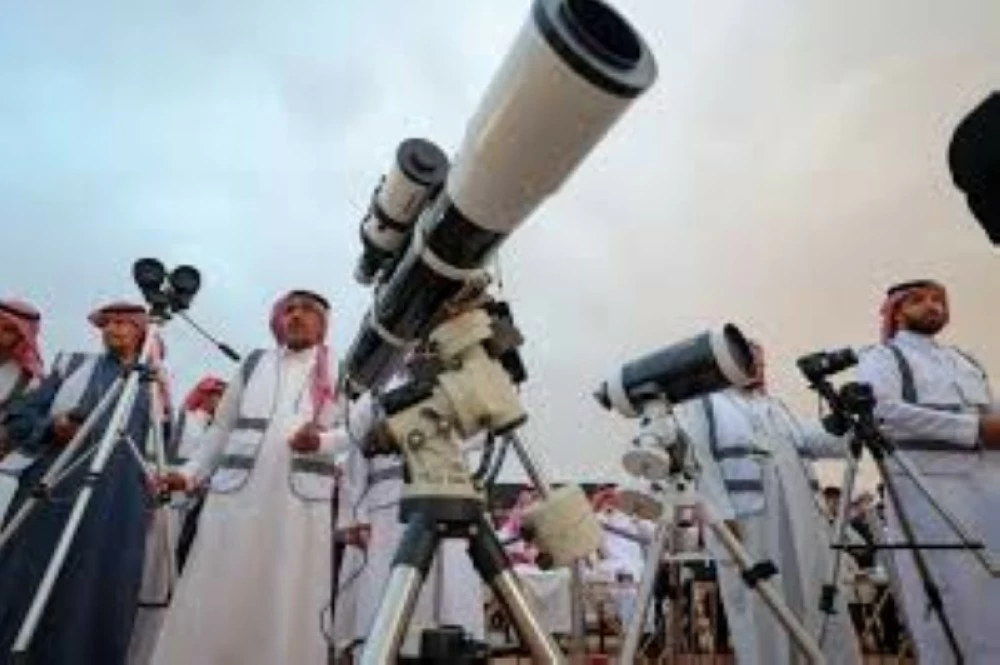
ما بين العين المجرّدة وعدسات المناظير، يترقّب المسلمون مساء غد (الثلاثاء) 29 شعبان 1447هـ عملية تحرّي رؤية هلال رمضان المبارك، في مشهد سنوي يترسّخ في الذاكرة الدينية والاجتماعية، معلناً قدوم الشهر الفضيل وما يحمله من روحانيات وذكريات وحكايات متوارثة.
وقد شهدت طرق الترائي عبر التاريخ تحوّلات كبيرة؛ فبعد أن كانت تعتمد على إشعال المشاعل في قمم الجبال أو إطلاق زخات الرصاص من الأسلحة التقليدية، ثم دويّ المدافع القديمة لإبلاغ القرى المجاورة بثبوت رؤية الهلال، انتقلت عملية التبليغ إلى مرحلة أكثر تقدّماً مع دخول الراديو، إذ كانت الأسر تجتمع حوله مساء الـ29 لمعرفة ما إذا كان الغد أول أيام رمضان أو متمّماً لشعبان. ومع ظهور التلفاز أصبحت عملية الإعلان أسرع انتشاراً، قبل أن تبلغ ذروتها اليوم مع وسائل الاتصال الحديثة التي تنقل الخبر في لحظات، بعد أن كان بعض الناس لا يعلمون بدخول الشهر إلا بعد وصول المسافرين إليهم، فيقضون ما فاتهم لاحقاً.
وكشفت دارة الملك عبدالعزيز قصة إنشاء أول مرصد فلكي لإثبات رؤية هلال رمضان في المملكة، موضحة أن الفكرة ظهرت عام 1948، في عهد الملك عبدالعزيز، حين تقدّم المدرّس في المسجد الحرام المهتم بعلم الفلك الشيخ محمد عبدالرزاق حمزة، بطلب إنشاء مرصد فلكي. وقد وافق الملك سعود -ولي العهد آنذاك- على الطلب، ووجّه ببناء غرفة خاصة للمرصد على قمة جبل أبي قبيس بمكة المكرمة، كما وفّر للشيخ حمزة مجموعة من أدوات الرصد مثل «التيودوليت» و«التلسكوب» و«ساعة الكرونومتر» و«البارومتر» و«السكستان».
وتوالى الاهتمام الرسمي بعلوم الفلك ورصد الأهلة؛ فشهد عام 1957، تأسيس مرصد المدينة المنورة العالمي، أحد أقدم المراصد في المملكة، وفي العام نفسه أُنشئ مرصد جامعة الملك عبدالعزيز ليكون مركزاً بحثياً وتعليمياً متخصصاً في الفلك والفضاء. وفي عام 1990، أنشأت مدينة الملك عبدالعزيز للعلوم والتقنية مرصد البيروني غرب مكة المكرمة، تيمّناً بالعالم أبو الريحان البيروني. ثم جاء عام 2003، ليشهد تأسيس مركز خادم الحرمين الشريفين للأهلّة وعلوم الفلك أعلى برج ساعة مكة، الذي يعد أكبر شبكة مناظير فلكية في العالم لرصد الأهلة في سبع دول.
ويرتبط المسلمون بعملية ترائي هلال رمضان ارتباطاً وثيقاً، وتُشترط في المترائي العدالة والأمانة وسلامة البصر والقدرة على التمييز، ليتمكن من التفريق بين الهلال وغيره من الأجرام أو الخيوط السحابية. وتختار لجان متخصصة هؤلاء المترائين وتحدد مواقع مرتفعة مناسبة للرصد بعد غروب شمس يوم الـ29، فيما تُوثّق شهاداتهم أمام القضاة المختصين؛ لضمان دقة الرؤية واعتمادها رسمياً.
Between the naked eye and telescope lenses, Muslims are anticipating tomorrow evening (Tuesday) 29 Sha'ban 1447 AH the process of sighting the crescent moon of the blessed month of Ramadan, in an annual scene that is ingrained in religious and social memory, announcing the arrival of the holy month and all the spirituality, memories, and inherited stories it brings.
Throughout history, the methods of moon sighting have undergone significant transformations; initially relying on lighting torches on mountain tops or firing gunshots from traditional weapons, then the booming of old cannons to inform neighboring villages of the confirmed sighting of the crescent, the notification process has advanced with the advent of radio, where families would gather around it on the evening of the 29th to find out whether tomorrow would be the first day of Ramadan or a completion of Sha'ban. With the emergence of television, the announcement process became faster, reaching its peak today with modern communication means that convey the news in moments, after some people would only learn of the month's arrival after travelers reached them, making up for what they missed later.
The King Abdulaziz Foundation revealed the story of establishing the first astronomical observatory to confirm the sighting of the Ramadan crescent in the Kingdom, explaining that the idea emerged in 1948, during the reign of King Abdulaziz, when Sheikh Muhammad Abdulrazak Hamza, a teacher at the Grand Mosque interested in astronomy, submitted a request to establish an astronomical observatory. King Saud - the crown prince at the time - approved the request and directed the construction of a special room for the observatory on top of Mount Abu Qubais in Mecca, and provided Sheikh Hamza with a set of observation tools such as a theodolite, telescope, chronometer, barometer, and sextant.
Official interest in astronomy and moon sighting continued; in 1957, the establishment of the Al-Madina Al-Munawwara Global Observatory took place, one of the oldest observatories in the Kingdom, and in the same year, King Abdulaziz University Observatory was established to serve as a research and educational center specialized in astronomy and space. In 1990, the King Abdulaziz City for Science and Technology established the Al-Biruni Observatory west of Mecca, named after the scientist Abu Rayhan Al-Biruni. Then came 2003, witnessing the establishment of the King Abdulaziz Center for Moon Sighting and Astronomy at the top of the Mecca Clock Tower, which is considered the largest network of astronomical telescopes in the world for moon sighting across seven countries.
Muslims are closely linked to the process of moon sighting for Ramadan, and the observer is required to possess justice, honesty, sound eyesight, and the ability to distinguish between the crescent and other celestial bodies or cloud strands. Specialized committees select these observers and determine suitable high locations for sighting after sunset on the 29th, while their testimonies are documented before the relevant judges to ensure the accuracy of the sighting and its official recognition.