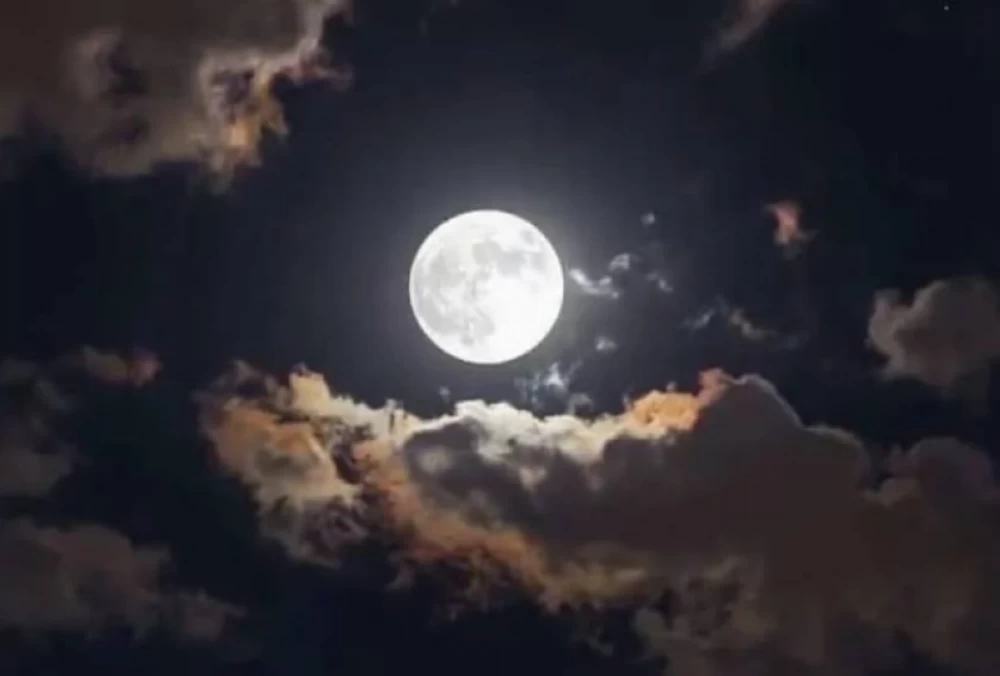
تشهد سماء شهر فبراير مجموعة من الظواهر الفلكية المتنوعة؛ مما يجعل منه أحد الأشهر المميزة للرصد، ويمنح هواة الرصد فرصة لمتابعة القمر والكواكب والنجوم والاستمتاع بالعروض الكونية.
وأفاد رئيس الجمعية الفلكية بجدة المهندس ماجد أبو زاهرة، بأن رصد الأجرام الخافتة يتأثر خلال الأسبوع الأول من الشهر بسبب ضوء القمر الساطع، حيث يكتمل القمر في الأول من فبراير، موضحًا أن تسمية «قمر الثلج» ليست مصطلحًا فلكيًا علميًا، وإنما اسم تراثي استخدمته بعض ثقافات السكان الأصليين في أمريكا الشمالية لارتباطه التاريخي بفترة تساقط الثلوج في تلك المناطق.
وأشار إلى أن علم الفلك لا يعتمد مثل هذه التسميات في التصنيف أو الوصف العلمي، إذ يُعرف القمر وفق حالته الهندسية في مداره، مثل: «البدر» عندما يكون على استطالة تقارب 180 درجة من الشمس، بغض النظر عن الفصل أو الطقس أو الموقع الجغرافي، مبينًا أن هذه الأسماء لا تحمل دلالة فيزيائية أو رصدية على خصائص القمر.
وأوضح أن القمر البدر يسلك مسارًا عاليًا في سماء النصف الشمالي، حيث يشرق مع غروب الشمس ويغرب مع شروقها، متتبعًا مسار شمس الصيف، بينما يبدو منخفضًا في سماء النصف الجنوبي، متبعًا مسار شمس الشتاء نتيجة الهندسة المدارية بين الأرض والشمس والقمر.
وبيَّن أن ليلة الثاني أو الثالث من فبراير، بحسب الموقع الجغرافي، تشهد مرور القمر الأحدب المتناقص أمام نجم قلب الأسد، ألمع نجوم كوكبة الأسد، في ظاهرة تُعرف بالاحتجاب، وتُرصد عبر نطاق جغرافي يمتد من شمال غرب أفريقيا إلى أجزاء من شرق ووسط كندا والولايات المتحدة، في حين تُشاهد فقط كاقتران في المملكة العربية السعودية، ومعظم دول العالم العربي.
وأضاف أن يوم 18 فبراير يشهد رصد هلال شهر رمضان الرفيع بين كوكبي عطارد والزهرة بعد غروب الشمس بفترة قصيرة، ويتطلب ذلك صفاء الأفق الغربي وخلوه من العوائق، فيما يظهر الهلال المتزايد مساء 19 فبراير بالقرب من كوكب زحل في مشهد منخفض في الأفق الغربي بعد الغروب.
وأكد أن كوكب المشتري يُعد الجرم السماوي الأبرز خلال هذا الشهر، إذ يظهر في كوكبة التوأمان ضمن نمط نجمي شتوي يُعرف بالسداسي الشتوي، ويمكن تمييزه بسهولة كنقطة شديدة السطوع في الأفق الجنوبي الشرقي بعد الغروب، فيما تقدم التلسكوبات مشاهد واضحة لأقماره وأحزمته السحابية.
وأشار إلى أن كوكب زحل يقدم آخر عروضه المسائية هذا الموسم، حيث يُشاهد منخفضًا في الجنوب الغربي مع بداية الشهر ويغيب مبكرًا، مع تحسن تدريجي في رؤية حلقاته وإمكانية رصد قمره الأكبر تيتان.
الثريا وسديم الجبار
يُذكر أن سماء فبراير تزخر أيضًا بعناقيد نجمية وسدم لامعة، مثل: الثريا، وسديم الجبار، إضافة إلى أجرام أعمق مثل: ميسييه 35 وسديم الوردة، كما تشهد السماء في الأفق الشمالي بروز نجوم الدب الأكبر وذات الكرسي، ويبرز في النصف الجنوبي نجم سهيل، إلى جانب وقوع كسوف شمسي حلقي في 17 فبراير يُرصد قرب القارة القطبية الجنوبية دون أن يكون مشاهدًا في المملكة أو العالم العربي.
The sky of February witnesses a variety of astronomical phenomena, making it one of the distinctive months for observation, providing stargazers the opportunity to follow the moon, planets, and stars and enjoy cosmic displays.
The head of the Astronomical Society in Jeddah, Engineer Majid Abu Zahra, stated that observing faint celestial bodies is affected during the first week of the month due to the bright moonlight, as the moon reaches its full phase on February 1. He clarified that the term "Snow Moon" is not a scientific astronomical term but rather a heritage name used by some Native American cultures due to its historical association with the snowfall period in those regions.
He pointed out that astronomy does not rely on such names for classification or scientific description, as the moon is defined according to its geometric state in its orbit, such as "full moon" when it is at an elongation of about 180 degrees from the sun, regardless of the season, weather, or geographical location, indicating that these names do not carry any physical or observational significance regarding the moon's characteristics.
He explained that the full moon follows a high path in the northern hemisphere sky, rising with sunset and setting with sunrise, tracing the path of the summer sun, while it appears low in the southern hemisphere sky, following the path of the winter sun due to the orbital geometry between the Earth, sun, and moon.
He noted that the night of February 2 or 3, depending on the geographical location, witnesses the waning gibbous moon passing in front of the star Regulus, the brightest star in the constellation Leo, in a phenomenon known as an occultation, observable across a geographical range extending from northwest Africa to parts of eastern and central Canada and the United States, while it is only seen as a conjunction in the Kingdom of Saudi Arabia and most Arab countries.
He added that on February 18, the crescent moon of Ramadan will be observed between the planets Mercury and Venus shortly after sunset, requiring a clear western horizon free of obstructions, while the waxing crescent will appear on the evening of February 19 near the planet Saturn in a low view in the western horizon after sunset.
He confirmed that Jupiter is the most prominent celestial body during this month, appearing in the constellation Gemini within a winter star pattern known as the Winter Hexagon, easily distinguishable as a bright point in the southeastern horizon after sunset, while telescopes provide clear views of its moons and cloud bands.
He pointed out that Saturn is offering its last evening displays this season, being seen low in the southwest at the beginning of the month and setting early, with a gradual improvement in the visibility of its rings and the possibility of observing its largest moon, Titan.
Pleiades and Orion Nebula
It is worth mentioning that the February sky is also rich with star clusters and bright nebulae, such as the Pleiades and the Orion Nebula, in addition to deeper objects like Messier 35 and the Rosette Nebula. The northern horizon features the stars of Ursa Major and Cassiopeia, while the southern hemisphere highlights the star Canopus, alongside an annular solar eclipse on February 17, observable near the Antarctic continent but not visible in the Kingdom or the Arab world.