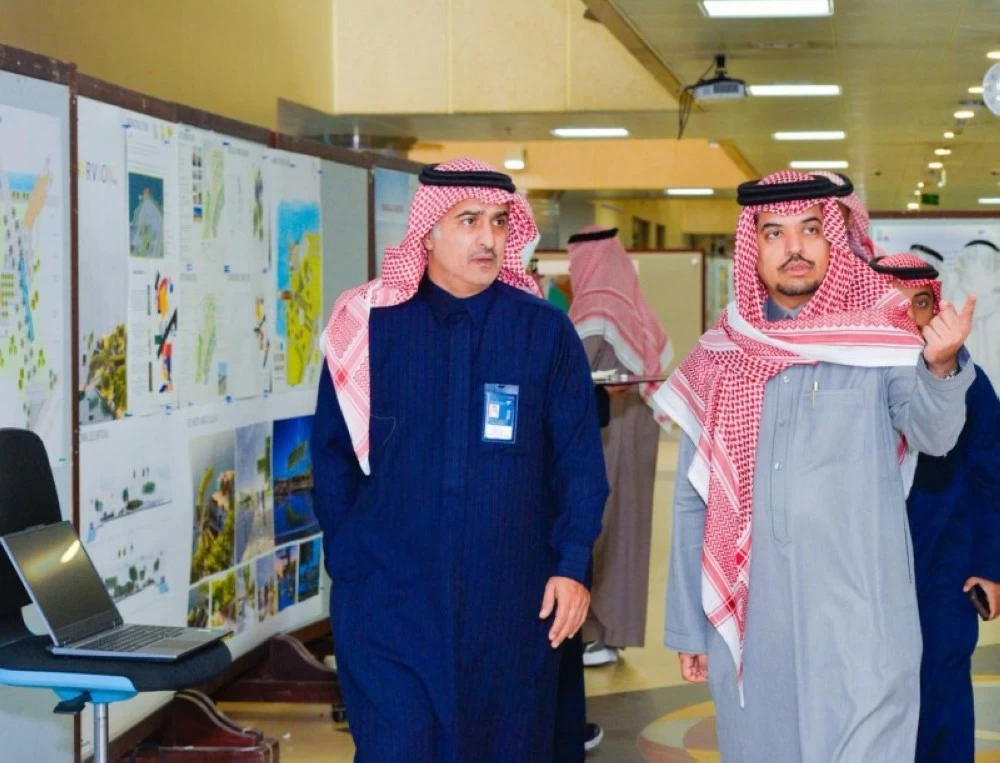
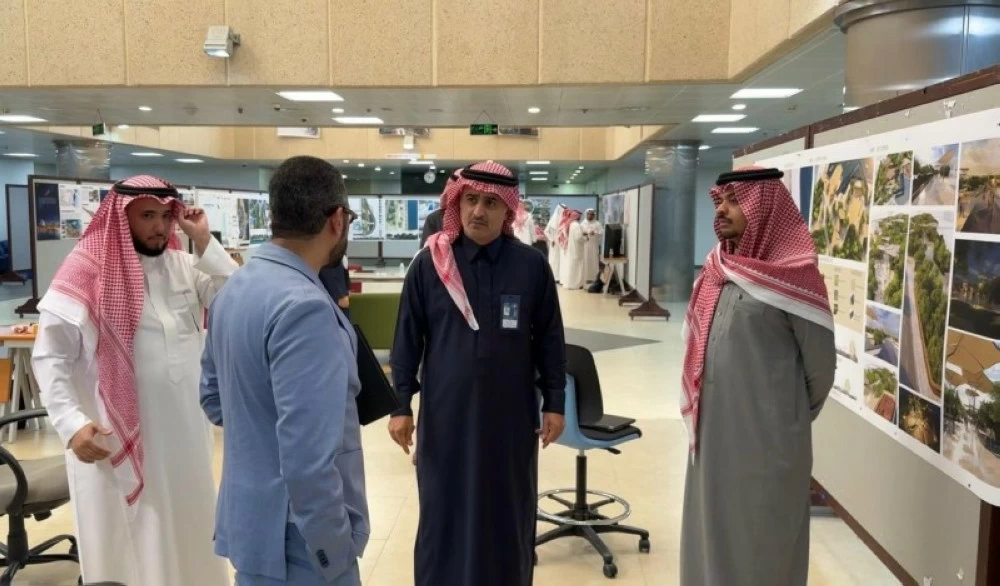
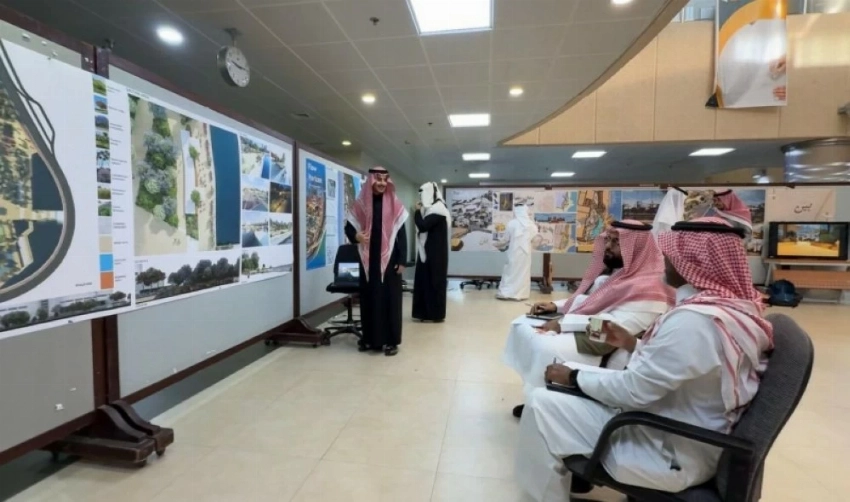
استعرض طلاب كلية العمارة والتخطيط بجامعة الإمام عبدالرحمن بن فيصل في ستوديو تصميم السنة الخامسة 18 مشروعاً معمارياً بالتعاون مع بلدية الخبر، الذي يُعد من المقررات المميزة في البرنامج الأكاديمي كونه يمثل مرحلة انتقالية مهمة للطلاب من الدراسة الأكاديمية إلى الممارسة المهنية. ويعتمد المقرر على محاكاة واقعية لبيئة العمل في المكاتب الاستشارية بما يتيح للطلبة خوض تجربة مهنية شبه حقيقية قبل التخرج.
وذكر عميد كلية العمارة والتخطيط الدكتور بدران الزنيفير أن الكلية تؤدي دورًا محوريًا في إعداد كفاءات وطنية مؤهلة تسهم في تحقيق مستهدفات رؤية المملكة 2030، من خلال برامج تعليمية ومشاريع تطبيقية تركز على الابتكار والاستدامة، وتعزز ارتباط العملية التعليمية باحتياجات التنمية الحضرية، مشيراً إلى أن الشراكة مع بلدية الخبر تأتي ضمن توجه الكلية للتعاون مع الجهات ذات العلاقة، بما يتيح للطلبة فرصة تحويل مشاريعهم الأكاديمية إلى نماذج واقعية ملموسة، مؤكدًا أن هذا التكامل يعكس التزام الكلية بتسخير جميع إمكانياتها لتحقيق العمل المميز، ودعم مسيرة التنمية، وبناء مدن أكثر كفاءة واستدامة وجودة للحياة. واختتم حديثه بالتأكيد على أن جميع هذه التوجهات محل تقدير مشددًا على أن الإبداع لا يجب أن يكون مقيدًا دائمًا بهاجس التنفيذ لأن الابتكار هو ما يفتح آفاقًا جديدة لتطوير المدن، معربًا عن فخره بجميع الطلبة ومخرجاتهم، ومتمنيًا لهم مستقبلًا مهنيًا مشرفًا.
تخصص يجمع بين الفن والعلم
فيما أوضح رئيس قسم عمارة البيئة (اللاندسكيب) بكلية العمارة والتخطيط الدكتور طفيل بن يوسف اليوسف قائلًا: في البداية أود توضيح مسمى اللاندسكيب بجامعة الإمام عبدالرحمن بن فيصل (Landscape Architecture) هو تخصص يجمع بين الفن والعلم لتخطيط وتصميم وإدارة المساحات الخارجية، سواء داخل المدن أو خارجها، بهدف خلق بيئات وظيفية، جمالية، ومستدامة، مع التركيز على الاستخدام الحكيم للموارد الطبيعية ومعالجة التحديات البيئية، ليشمل تصميم الحدائق، المتنزهات، الواجهات البحرية، والمناطق الترفيهية، مع مراعاة الأبعاد الجمالية والاجتماعية والاقتصادية.
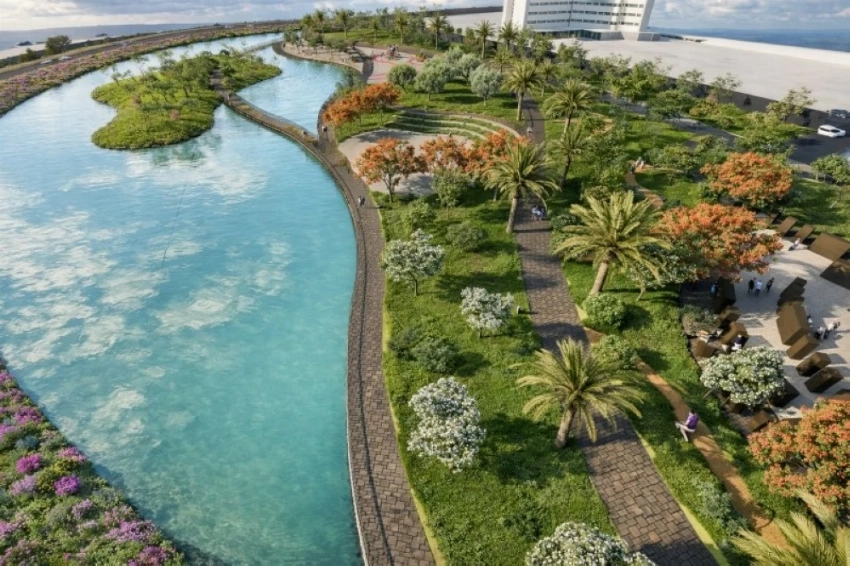
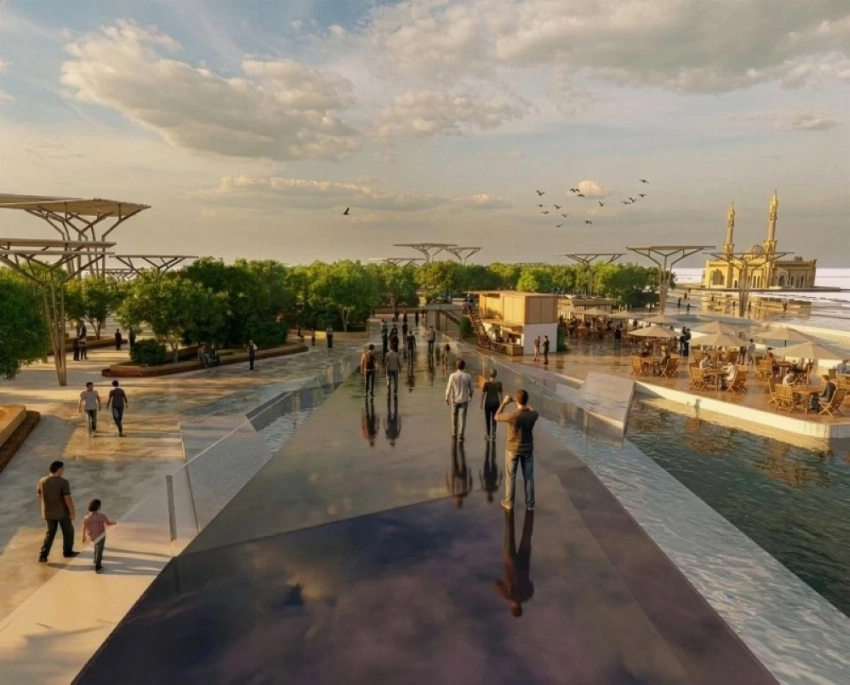
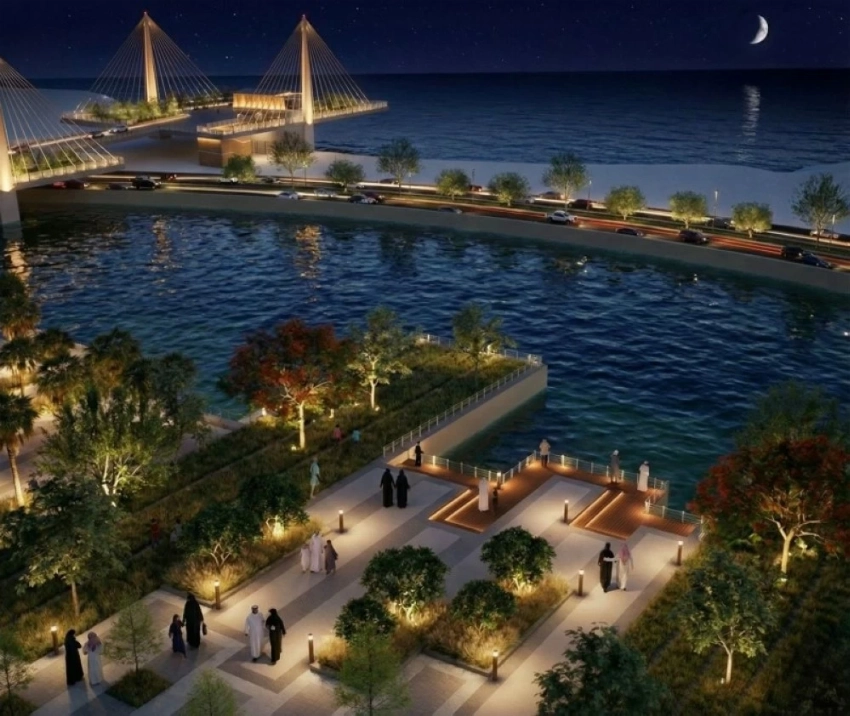
كما بيّن اليوسف أن المقترحات التصميمية المقدمة من الطلاب لهذا المشروع تمثلت في تصميم وإعادة تطوير جزء من الواجهة البحرية لمدينة الخبر، باعتبارها إحدى المدن الخمس في المملكة العربية السعودية التي ستستضيف بطولة كأس العالم، وهو ما شكّل دافعًا مهمًا لوضع المدينة في موقعها المستحق، خصوصًا مع ما تمتلكه من مقومات متميزة وارتفاع تصنيفها في مؤشرات أنسنة المدن، وأضاف أن اختيار موقع المشروع جاء بناءً على التنسيق مع الجهات المعنية، حيث تم تحديد هذا الجزء من الكورنيش ضمن أولويات التنمية، لوقوعه بين الطريق الساحلي وأحد الفنادق الرئيسية بمحافظة الخبر، وهو نطاق يحتاج إلى إعادة النظر في تطويره ليتكامل مع مشاريع تطوير الواجهة البحرية المقابلة.
وأكد اليوسف أن المشاريع والأعمال التي تقدمها كلية العمارة والتخطيط تعكس حرصها على ترجمة مستهدفات رؤية المملكة 2030 إلى مخرجات عملية تسهم في تطوير المشهد العمراني وتعزيز جودة الحياة، مشيرًا إلى أن الكلية تسخر إمكانياتها الأكاديمية والفنية كافة لتمكين الطلبة من تقديم مشاريع مبتكرة تجمع بين الفكر التصميمي والمعالجة الواقعية لقضايا المدن، وأوضح أن التعاون مع بلدية الخبر يمثل نموذجًا فاعلًا للتكامل بين الجانب الأكاديمي والجهات التنفيذية، حيث تُعد البلدية الذراع المساند والمنفذ لأعمال الطلبة، وتسهم في تحويل الأفكار والرؤى التخطيطية إلى مشاريع قابلة للتطبيق على أرض الواقع، بما يخدم المجتمع ويحقق أثرًا تنمويًا مستدامًا.
وذكر أن المشروع كان ضمن إشراف أساتذة المادة (الدكتور خالد الحجلة، والدكتور طارق الرواف، والدكتور مشعل العمار، والمهندس أحمد التويجري).
التعرف على الاحتياجات الفعلية
فيما أوضح المشرف على المقرر أستاذ التصميم العمراني بقسم عمارة البيئة بكلية العمارة والتخطيط في جامعة الإمام عبدالرحمن بن فيصل الدكتور خالد الحجلة أن ستوديو تصميم السنة الخامسة هو جزء أساسي من تصميم المقرر في مرحلته النهائية، إذ ينعكس ذلك على طبيعة المشاريع المطروحة، وعلى أسلوب التعامل مع الطلبة، حيث يتم التركيز على مشاريع واقعية ذات احتياج حقيقي للمجتمع، وغالبًا ما تكون بالتعاون مع جهات تنفيذية وخارجية.
وأوضح الحجلة أن الطلبة قاموا بزيارة الموقع والتواصل مع بلدية الخبر للتعرف على الاحتياجات الفعلية، ومن خلال التحليل والدراسة الميدانية بدؤوا في طرح تصوراتهم التصميمية، مؤكدًا أن لجنة التحكيم تضم ممثلين من البلدية، بهدف تقييم مدى تحقيق المشاريع لأهداف الجهة المستفيدة، والاستفادة من الأفكار المستقبلية التي قد تسهم في تطوير الرؤى التنفيذية من خلال 18 مشروعًا، حيث مرّ الطلبة بمراحل عمل تحاكي أسلوب المكاتب المهنية، بدءًا من جمع البيانات والتحليل، وصولًا إلى الطرح الإبداعي الفردي، مع الحرص على إبراز شخصية كل طالب واستقلاليته الفكرية، باعتبار ذلك عنصرًا أساسيًا في تكوين معماري البيئة.
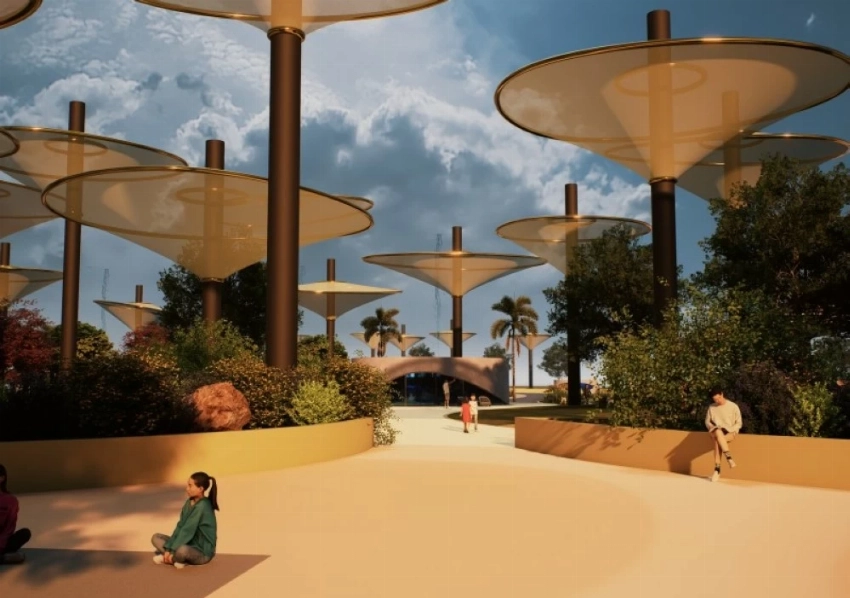
وأكد أن العمل التعاوني حاضر بقوة داخل الاستوديو، من خلال النقاشات الجماعية والنقد المتبادل، بما يعزز الاستفادة المشتركة بين الطلبة، ويسهم في رفع جودة المخرجات التصميمية. وحول التوجهات التصميمية، أوضح أن المشاريع تنوعت إلى 3 فئات رئيسية، فئة اقترحت خفض منسوب الطريق ليصبح امتدادًا مباشرًا للواجهة البحرية، وفئة عملت على إعادة تشكيل أجزاء من الطريق لتعزيز العلاقة مع البحر، وفئة ثالثة أبقت على الوضع القائم مع تطويره، مراعية الجوانب الواقعية والتنفيذية والتكلفة.
Students from the College of Architecture and Planning at Imam Abdulrahman bin Faisal University showcased 18 architectural projects in the fifth-year design studio in collaboration with the Al Khobar Municipality. This is considered one of the distinctive courses in the academic program as it represents an important transitional phase for students from academic study to professional practice. The course relies on a realistic simulation of the work environment in consulting offices, allowing students to experience a semi-real professional experience before graduation.
Dean of the College of Architecture and Planning, Dr. Badran Al-Zunaifer, stated that the college plays a pivotal role in preparing qualified national competencies that contribute to achieving the objectives of Saudi Vision 2030, through educational programs and applied projects that focus on innovation and sustainability, and enhance the connection between the educational process and urban development needs. He pointed out that the partnership with Al Khobar Municipality is part of the college's approach to collaborate with relevant entities, enabling students to transform their academic projects into tangible real-world models. He emphasized that this integration reflects the college's commitment to harnessing all its capabilities to achieve outstanding work, support the development process, and build more efficient, sustainable, and quality cities for life. He concluded his remarks by affirming that all these directions are appreciated, stressing that creativity should not always be constrained by the anxiety of implementation, as innovation opens new horizons for urban development, expressing his pride in all the students and their outputs, and wishing them a distinguished professional future.
A Major that Combines Art and Science
Dr. Tufail bin Yusuf Al-Yusuf, Head of the Landscape Architecture Department at the College of Architecture and Planning, clarified: "First, I would like to explain that the term Landscape Architecture at Imam Abdulrahman bin Faisal University is a major that combines art and science for planning, designing, and managing outdoor spaces, whether within or outside cities, with the aim of creating functional, aesthetic, and sustainable environments, focusing on the wise use of natural resources and addressing environmental challenges. This includes the design of gardens, parks, waterfronts, and recreational areas, while considering aesthetic, social, and economic dimensions."
Al-Yusuf also indicated that the design proposals presented by the students for this project involved designing and redeveloping part of the waterfront of Al Khobar city, as it is one of the five cities in Saudi Arabia that will host the World Cup. This served as an important motivation to place the city in its rightful position, especially with its distinctive features and high ranking in urban humanization indicators. He added that the selection of the project site was based on coordination with the relevant authorities, as this part of the corniche was identified as a priority for development, located between the coastal road and one of the main hotels in Al Khobar, an area that needs reconsideration for its development to integrate with the development projects of the opposite waterfront.
Al-Yusuf confirmed that the projects and works presented by the College of Architecture and Planning reflect its commitment to translating the objectives of Saudi Vision 2030 into practical outputs that contribute to enhancing the urban landscape and improving quality of life. He noted that the college utilizes all its academic and technical capabilities to enable students to present innovative projects that combine design thinking and realistic solutions to urban issues. He explained that the collaboration with Al Khobar Municipality represents an effective model for integration between the academic side and executive entities, as the municipality acts as the supporting arm and executor of the students' work, contributing to transforming ideas and planning visions into applicable projects on the ground, serving the community and achieving sustainable developmental impact.
He mentioned that the project was supervised by faculty members (Dr. Khalid Al-Hajla, Dr. Tariq Al-Rawaf, Dr. Mishal Al-Amar, and Engineer Ahmed Al-Tuwaijri).
Identifying Actual Needs
Dr. Khalid Al-Hajla, the course supervisor and professor of urban design in the Landscape Architecture Department at the College of Architecture and Planning at Imam Abdulrahman bin Faisal University, explained that the fifth-year design studio is an essential part of the course design in its final phase, as this is reflected in the nature of the proposed projects and the approach to dealing with students, focusing on realistic projects that have a genuine need in the community, often in collaboration with executive and external entities.
Al-Hajla explained that students visited the site and communicated with Al Khobar Municipality to identify actual needs, and through analysis and field study, they began to present their design concepts. He emphasized that the judging committee includes representatives from the municipality to evaluate the extent to which the projects achieve the goals of the benefiting entity and to benefit from future ideas that may contribute to developing executive visions through 18 projects. Students went through work stages that simulate the methods of professional offices, starting from data collection and analysis to individual creative proposals, while ensuring to highlight each student's personality and intellectual independence, as this is a fundamental element in the formation of landscape architecture.
He affirmed that collaborative work is strongly present within the studio, through group discussions and mutual critique, enhancing shared benefit among students and contributing to improving the quality of design outputs. Regarding design directions, he explained that the projects varied into three main categories: one category proposed lowering the road level to create a direct extension to the waterfront, another category worked on reshaping parts of the road to enhance the relationship with the sea, and a third category maintained the existing situation while developing it, taking into account realistic, executive, and cost aspects.