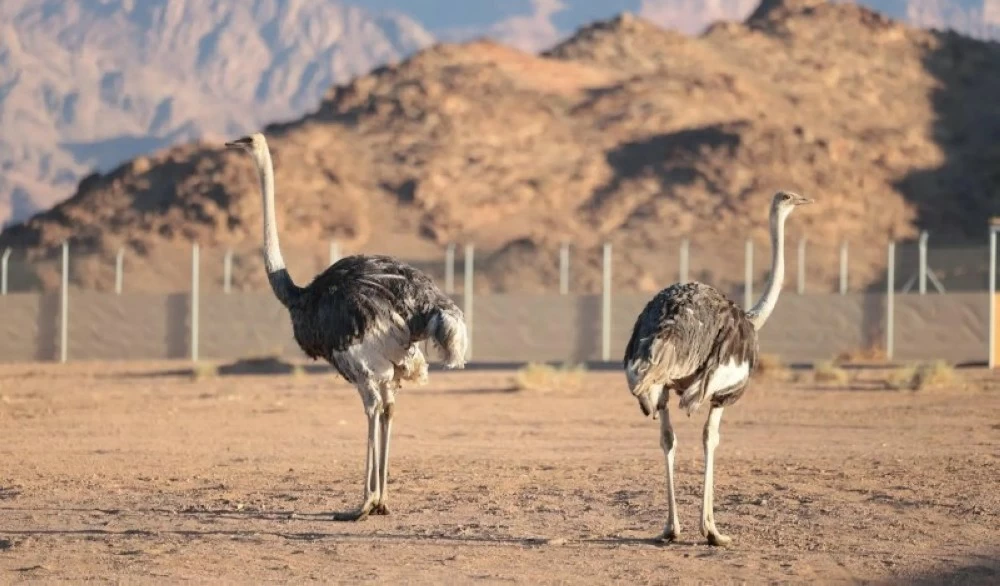
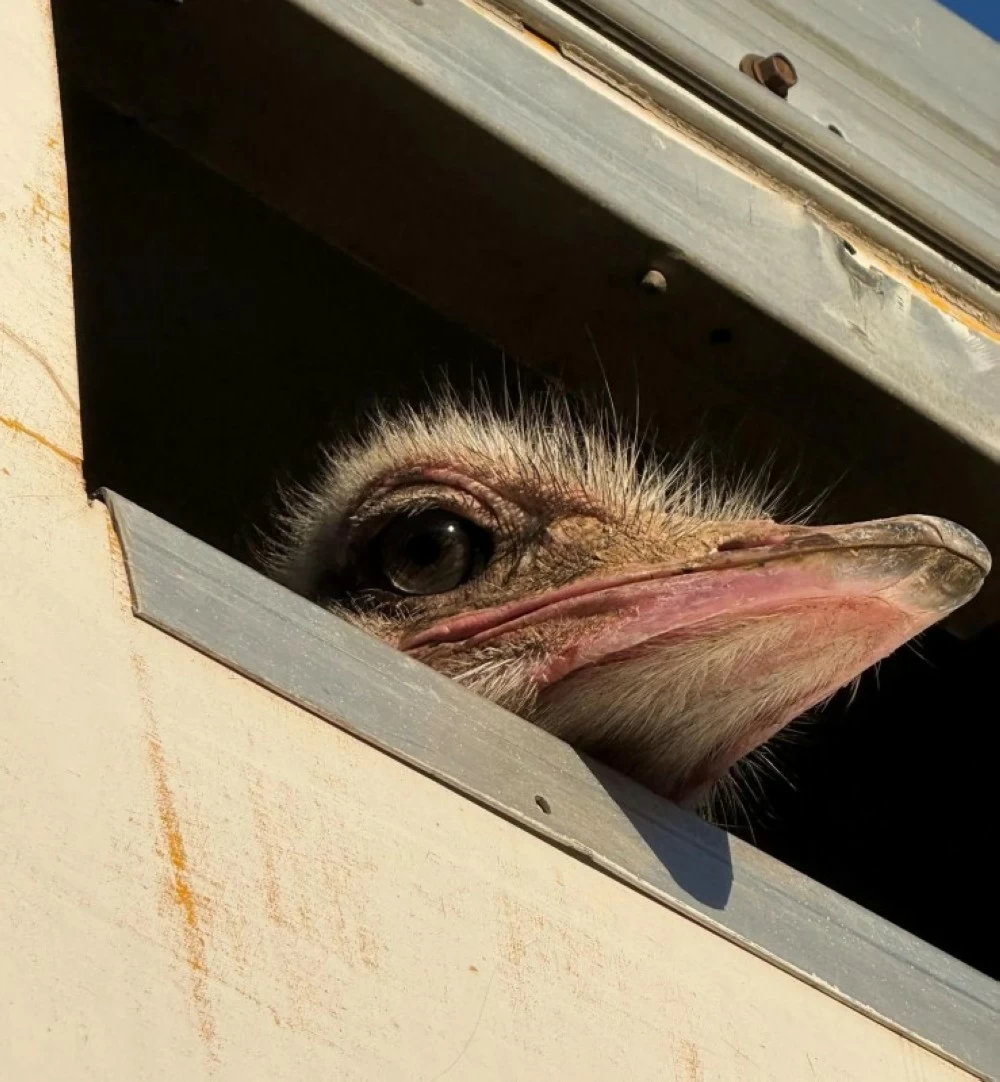
كشفت محمية الأمير محمد بن سلمان الملكية إعادة توطين النعام ذي الرقبة الحمراء (طائر الجمل) في المحمية، وهو نوع مهدد بالانقراض؛ ليكون بديلًا بيولوجيًا عن نوع النعام العربي المنقرض، وذلك في خطوة مهمة نحو إعادة تأهيل الحياة البرية في الجزيرة العربية.
وسبق أن شهدت الصحراء العربية انتشارًا واسعًا للنعام العربي، إلا أنه اتجه نحو الانقراض في مطلع القرن العشرين بسبب الصيد الجائر وفقدان الموائل.
ويعُرف النعام ذو الرقبة الحمراء باسم نعام شمال أفريقيا، واختارته المحمية نظرًا إلى التشابه الجيني بينه وبين النعام العربي، وقدرته على التأقلم في بيئة الصحراء القاحلة.
وجرى إعادة توطين المجموعة المؤسسة المكوّنة من خمس نعّامات ذات الرقبة الحمراء في المحمية، في إطار برنامجها المعتمد من مجلس الإدارة لاستعادة الحياة البرية؛ الذي يهدف إلى استعادة مستويات التنوع البيولوجي السابقة على امتداد مساحتها البالغة (24,500) كيلومتر مربع عبر النطاقين البري والبحري.
ويُعد النعام ذو الرقبة الحمراء النوع الثاني عشر من بين الأنواع الـ(23) التي كانت موجودة سابقًا ويجري إعادة توطينها، كجزء من إستراتيجية إعادة تأهيل النظام البيئي للمحمية على المدى الطويل.
وأوضح الرئيس التنفيذي لهيئة تطوير محمية الأمير محمد بن سلمان الملكية أندرو زالوميس، أن إعادة توطين النعام ذي الرقبة الحمراء (طائر الجمل) في بيئته التاريخية يعزز إعادة تأهيل الأنظمة البيئية الصحراوية، التي كانت تشكل مراعي خصبة لمختلف الأنواع على مر التاريخ، ولا تكتمل إعادة تأهيل النظم البيئية مالم تتم إعادة توطين الأنواع التي فُقدت أو نظائرها البيئية إلى موائلها الطبيعية. وقال: «من هذا المنطلق نرى عودة النعامة ذات الرقبة الحمراء خطوة مفصلية في مسيرة إعادة تأهيل النظم البيئية في المحمية، وتأسيس مجموعة مؤسسة لبرامج الإكثار والاستعادة الوطنية في المملكة».
وتأتي جهود إعادة التوطين في إطار تعاون المحمية مع المركز الوطني لتنمية الحياة الفطرية ومع المحميات الملكية أخرى، كما تدعم التزامات رؤية المملكة 2030 ومبادرة السعودية الخضراء، الرامية إلى تعزيز مستويات التنوع البيولوجي واستعادة الأنظمة البيئية الصحراوية، وحماية (30%) من أراضي المملكة وبيئتها البحرية بحلول عام 2030.
وعلى مر تاريخها، شهدت منطقة الشرق الأوسط انتشار النعام العربي في صحاريها الواسعة، وغالبًا ما يشار إليه في الشعر العربي بصفته مرادفًا للقوة والسرعة، وتزخر المحميات الحالية بالأدلة على وجود النعام العربي في ربوعها، وتبرز صور النقوش الصخرية لقطعان النعام ومشاهد الصيد، وتتكامل هذه الأدلة التاريخية مع الأبحاث العلمية الحديثة والبقايا المكتشفة؛ لتساعد على تحديد المسار البيئي الذي تستند إليه إستراتيجية إعادة التوطين في المحمية؛ بهدف استعادة الأنواع التي اشتهرت بها المنطقة.
وأُدرِج النعام ذو الرقبة الحمراء ضمن الأنواع المهددة بالانقراض، إذ تُشير التقديرات إلى وجود أقل من (1000) طائر ضمن جيوب متفرقة على امتداد منطقة الساحل الأفريقي، ويشتهر هذا النوع بسرعته وريشه وأساليبه الفريدة في اختيار الشريك، ويُعد النعام عنصرًا حيويًا في تحقيق التوازن البيئي، ويسهم في بثر البذور النباتية ومكافحة الحشرات والحفاظ على سلامة الموائل الرعوية للأنواع الأخرى.
وتعزز إعادة النعام إلى المحمية التزام المملكة بإعادة توطين هذا النوع في موائله الطبيعية، استنادًا إلى نجاح برامج التكاثر وإعادة التوطين بإشراف المركز الوطني لتنمية الحياة الفطرية، وبالتعاون مع محمية الإمام تركي بن عبدالله الملكية، ومحمية الإمام سعود بن عبدالعزيز الملكية، وشركة أرامكو، ونيوم، والهيئة الملكية لمحافظة العلا.
يُذكر أن المحمية واحدة من ثماني محميات ملكية في المملكة العربية السعودية، وتمتد على مساحة (24,500) كم²، من الحرات البركانية إلى أعماق البحر الأحمر غربًا، لتربط بين نيوم، ومشروع البحر الأحمر والعلا، وتُعد موطنًا لمشروع وادي الديسة التابع لصندوق الاستثمارات العامة، ووجهة أمالا التابعة لشركة البحر الأحمر العالمية.
وتضم المحمية (15) نظامًا بيئيًا مختلفًا، وتغطي (1%) من المساحة البرية للمملكة، و(1.8%) من مساحتها البحرية، إلا أنها تُشكّل موطنًا لأكثر من (50%) من الأنواع البيئية في المملكة؛ مما يجعلها واحدة من أغنى المناطق الطبيعية في الشرق الأوسط بالتنوع الحيوي، وتلتزم المحمية بإعادة تأهيل النظم البيئية وصون التراث الثقافي، بما في ذلك إعادة توطين (23) نوعًا من الكائنات الفطرية التي كانت تعيش تاريخيًا في المنطقة، أُعيد منها حتى الآن (12) نوعًا تشمل المها العربي، وغزال الرمل، وغزال الجبل، وذلك ضمن برنامج واسع لاستعادة التوازن البيئي.
وتخضع المحمية لإشراف مجلس المحميات الملكية برئاسة ولي العهد رئيس مجلس الوزراء الأمير محمد بن سلمان بن عبدالعزيز آل سعود، وهي جزءٌ من برامج المملكة للاستدامة البيئية، مثل مبادرتي السعودية الخضراء، والشرق الأوسط الأخضر.
The Prince Mohammed bin Salman Royal Reserve has revealed the reintroduction of the red-necked ostrich (camel bird) into the reserve, a species threatened with extinction; serving as a biological alternative to the extinct Arabian ostrich, marking an important step towards rehabilitating wildlife in the Arabian Peninsula.
The Arabian desert once witnessed a widespread presence of the Arabian ostrich, but it faced extinction in the early 20th century due to overhunting and habitat loss.
The red-necked ostrich is known as the North African ostrich, and it was chosen by the reserve due to its genetic similarity to the Arabian ostrich and its ability to adapt to the arid desert environment.
A founding group consisting of five red-necked ostriches has been reintroduced into the reserve as part of its approved program by the board of directors to restore wildlife; aiming to recover the levels of biodiversity that existed across its area of (24,500) square kilometers through both terrestrial and marine domains.
The red-necked ostrich is the twelfth species among the (23) that were previously present and are being reintroduced, as part of the long-term strategy for rehabilitating the reserve's ecosystem.
Andrew Zaloumis, the CEO of the Prince Mohammed bin Salman Royal Reserve Development Authority, explained that reintroducing the red-necked ostrich (camel bird) into its historical environment enhances the rehabilitation of desert ecosystems, which historically served as fertile pastures for various species. The rehabilitation of ecosystems cannot be completed without reintroducing lost species or their ecological counterparts to their natural habitats. He stated, "From this perspective, we see the return of the red-necked ostrich as a pivotal step in the journey of rehabilitating ecosystems in the reserve and establishing a founding group for national breeding and restoration programs in the Kingdom."
The reintroduction efforts are part of the reserve's collaboration with the National Center for Wildlife Development and other royal reserves, supporting the commitments of Saudi Vision 2030 and the Saudi Green Initiative, aimed at enhancing biodiversity levels and restoring desert ecosystems, and protecting (30%) of the Kingdom's land and marine environment by 2030.
Throughout its history, the Middle East has witnessed the spread of the Arabian ostrich in its vast deserts, often referred to in Arabic poetry as a synonym for strength and speed. Current reserves are rich with evidence of the Arabian ostrich's presence, highlighted by rock carvings of ostrich herds and hunting scenes. These historical evidences complement modern scientific research and discovered remains, helping to define the environmental path upon which the reintroduction strategy in the reserve is based, aiming to restore the species that the region was famous for.
The red-necked ostrich is listed among the endangered species, with estimates indicating fewer than (1000) birds remaining in scattered pockets across the African coastal region. This species is known for its speed, feathers, and unique mating behaviors, and it plays a vital role in achieving ecological balance, contributing to seed dispersal, pest control, and maintaining the integrity of grazing habitats for other species.
The reintroduction of ostriches to the reserve reinforces the Kingdom's commitment to reestablishing this species in its natural habitats, based on the success of breeding and reintroduction programs supervised by the National Center for Wildlife Development, in collaboration with the Imam Turki bin Abdullah Royal Reserve, the Imam Saud bin Abdulaziz Royal Reserve, Aramco, NEOM, and the Royal Commission for AlUla Governorate.
It is worth mentioning that the reserve is one of eight royal reserves in the Kingdom of Saudi Arabia, covering an area of (24,500) km², from volcanic fields to the depths of the Red Sea to the west, linking NEOM, the Red Sea Project, and AlUla, and is home to the Wadi Al-Disa project under the Public Investment Fund, and the Amaala destination under the Red Sea Global Company.
The reserve includes (15) different ecosystems, covering (1%) of the Kingdom's terrestrial area and (1.8%) of its marine area, yet it is home to over (50%) of the ecological species in the Kingdom; making it one of the richest natural areas in the Middle East in terms of biodiversity. The reserve is committed to rehabilitating ecosystems and preserving cultural heritage, including the reintroduction of (23) species of native organisms that historically lived in the region, of which (12) species have been reintroduced so far, including the Arabian oryx, sand gazelle, and mountain gazelle, as part of a broad program to restore ecological balance.
The reserve is overseen by the Royal Reserves Council, chaired by Crown Prince and Prime Minister Mohammed bin Salman bin Abdulaziz Al Saud, and is part of the Kingdom's environmental sustainability programs, such as the Saudi Green Initiative and the Middle East Green Initiative.