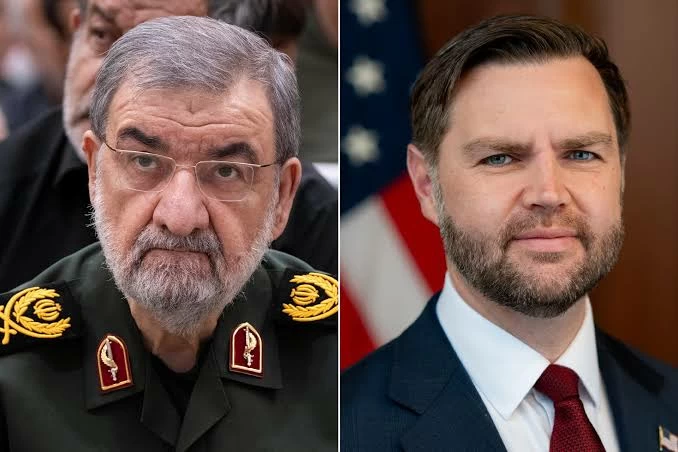
رغم تكثيف التحركات الدبلوماسية الرامية إلى إنهاء المواجهة بين واشنطن وطهران، لا تزال إيران تتمسك بشروطها للتوصل إلى تسوية مع الولايات المتحدة، إذ نفى وزير الخارجية الإيراني عباس عراقجي وجود أي خطة لعقد لقاء بين أمين المجلس الأعلى للأمن القومي محسن رضائي ونائب الرئيس الأمريكي جي دي فانس.
وقال عراقجي، في تصريحات، اليوم (الثلاثاء)، إنه لا توجد ترتيبات لعقد اجتماع بين المسؤول الإيراني وفانس، مؤكداً أن الحرب «لن تنتهي بالعمل العسكري أو العقوبات»، وأن الحل يكمن في الدبلوماسية والاستجابة للشروط الإيرانية، وفق قوله. وأضاف أن الرئيس دونالد ترمب سيدرك قريباً، بحسب تعبيره، أنه سلك طريقاً خاطئاً بممارسة الضغوط الاقتصادية، وأن عليه استخدام لغة الاحترام والاستجابة لمطالب طهران.
وكان رضائي نفى، أمس (الإثنين)، ما تردد بشأن محادثات مرتقبة مع فانس، واصفاً إياها بالأخبار المختلقة، ودعا الإدارة الأمريكية إلى التوقف عن الترويج لمحادثات وهمية، مطالباً إياها بالاستجابة للشروط الإيرانية السبعة.
وتأتي هذه التصريحات بالتزامن مع استئناف قطر تحركاتها الدبلوماسية لتقريب وجهات النظر بين واشنطن وطهران، بعد زيارة رئيس الوزراء القطري الشيخ محمد بن عبدالرحمن إلى البيت الأبيض، ولقاء الرئيس ترمب ونائبه فانس، ووصف المحادثات بالإيجابية.
وكان مسؤول أمريكي أفاد بأن فانس بعث رسالة إلى رضائي عبر الوسطاء، أعرب فيها عن استعداده للقائه شخصياً لبحث سبل إنهاء الحرب، وفق ما نقلته صحيفة «واشنطن بوست». وتضمنت الرسالة، تأكيد ضرورة تقديم طهران ممثلين مفوضين للتفاوض بشأن الملف النووي.
وكشفت مصادر مطلعة عن مقترح أمريكي قطري جديد يتضمن فتح مضيق هرمز ورفع الحصار عن الموانئ الإيرانية بشكل فوري، إلى جانب عودة مفتشي الوكالة الدولية للطاقة الذرية إلى إيران، والإفراج عن أصول إيرانية تتراوح قيمتها بين 6 و9 مليارات دولار في حال التوصل إلى اتفاق.
وتعكس المواقف المتباينة استمرار الفجوة بين الطرفين، ففيما تسعى الوساطة القطرية إلى بناء أرضية تفاهم تبدأ بترتيبات الملاحة والحصار، تصر طهران على شروطها، بينما تربط واشنطن أي تسوية بوجود مفاوضين مخولين بحسم الملفات العالقة، وفي مقدمتها الملف النووي.
Despite the intensification of diplomatic efforts aimed at ending the confrontation between Washington and Tehran, Iran continues to hold onto its conditions for reaching a settlement with the United States. Iranian Foreign Minister Abbas Araghchi denied the existence of any plan for a meeting between the Secretary of the Supreme National Security Council, Mohsen Rezaei, and U.S. Vice President J.D. Vance.
Araghchi stated in remarks today (Tuesday) that there are no arrangements for a meeting between the Iranian official and Vance, emphasizing that the war "will not end with military action or sanctions," and that the solution lies in diplomacy and responding to Iranian conditions, according to his words. He added that President Donald Trump will soon realize, as he put it, that he has taken a wrong path by exerting economic pressure, and that he should use a language of respect and respond to Tehran's demands.
Rezaei denied yesterday (Monday) the rumors about anticipated talks with Vance, describing them as fabricated news, and called on the U.S. administration to stop promoting fictitious discussions, demanding that it respond to the seven Iranian conditions.
These statements come in conjunction with Qatar resuming its diplomatic efforts to bridge the views between Washington and Tehran, following the visit of Qatari Prime Minister Sheikh Mohammed bin Abdulrahman to the White House, where he met with President Trump and Vice President Vance, describing the discussions as positive.
An American official reported that Vance sent a message to Rezaei through intermediaries, expressing his willingness to meet with him personally to discuss ways to end the war, according to what was reported by the Washington Post. The message included a confirmation of the necessity for Tehran to provide authorized representatives to negotiate on the nuclear file.
Informed sources revealed a new American-Qatari proposal that includes the immediate opening of the Strait of Hormuz and lifting the blockade on Iranian ports, in addition to the return of International Atomic Energy Agency inspectors to Iran, and the release of Iranian assets valued between $6 billion and $9 billion in the event of reaching an agreement.
The differing positions reflect the ongoing gap between the two sides. While Qatari mediation seeks to build a foundation for understanding starting with arrangements for navigation and the blockade, Tehran insists on its conditions, while Washington links any settlement to the presence of authorized negotiators to resolve outstanding issues, foremost among them the nuclear file.