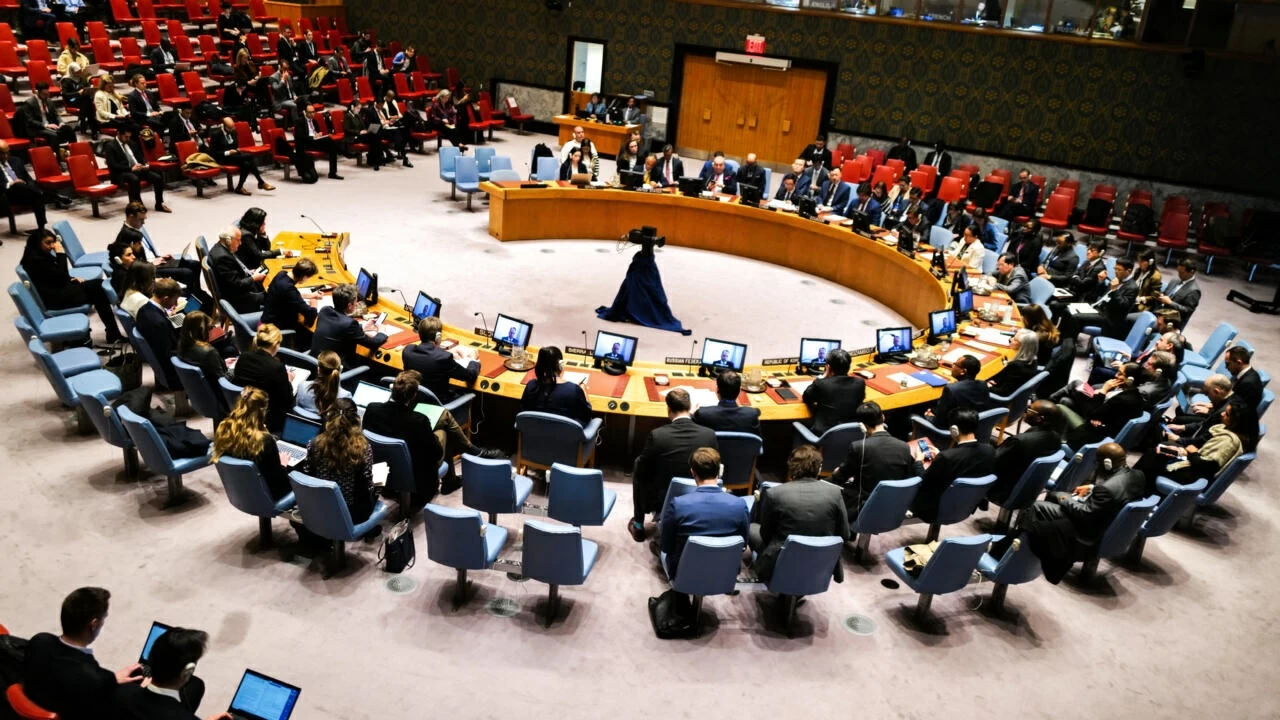
طالبت مصر مجلس الأمن الدولي باتخاذ إجراءات ضد دولة مجاورة للسودان بسبب تورطها في الحرب.
وتساءل مندوب مصر الدائم لدى الأمم المتحدة السفير إيهاب عوض، في كلمة أمام المجلس، (السبت)، عن أسباب تردد المجلس في التعامل بجدية وحزم مع الأدلة والشواهد التي تؤكد تورط هذه الدولة في تمكين هجمات المليشيا المتمردة والمرتزقة، بما في ذلك الهجمات باستخدام الطائرات المسيرة على ولاية النيل الأزرق.
وأكد أنه لا يوجد أي مبرر منطقي لامتناع مجلس الأمن عن توجيه تحذير مباشر وصريح لهذه الدولة، لمطالبتها بالوقف الفوري والتام لتأجيج النزاع، ومنع تعريض المدنيين لمزيد من الدمار والترويع والانتهاكات الممنهجة.
وأعرب عن بالغ قلق القاهرة إزاء التصعيد العسكري المستمر واتساع رقعة المواجهات المسلحة في الأراضي السودانية، وبخاصة الاستهداف المباشر للمدنيين والمنشآت الخدمية والمرافق الحيوية، محذراً من خطورة تدهور الأوضاع الميدانية في ولاية النيل الأزرق، وما قد ينجم عن هذا التوتر من موجات نزوح جماعي جديدة تفاقم الكارثة الإنسانية القائمة.
وجدد المندوب المصري إدانة بلاده بأشد العبارات للانتهاكات الجسيمة التي ترتكبها المليشيا بحق أبناء الشعب السوداني، مشدداً على ضرورة قطع الطريق أمام سياسة إفلات المسؤولين عن هذه الجرائم من العقاب، ومحاسبة جميع المتورطين فيها، فضلاً عن اتخاذ مواقف حازمة ضد الكيانات والأطراف التي تسهم في إشعال أتون الصراع.
وأشار إلى الأعباء الاستثنائية التي تتحملها الدولة المصرية جراء التداعيات الإنسانية والاقتصادية المترتبة على الأزمة السودانية، مؤكداً استمرار القاهرة في استضافة نحو مليون ونصف المليون مواطن سوداني وتقديم كافة أشكال الدعم لهم، انطلاقاً من الروابط الوثيقة والتاريخية والأخوية التي تجمع بين الشعبين.
وتشهد الأزمة السودانية مرحلة معقدة ومتصاعدة، في ظل اتساع رقعة المواجهات العسكرية ميدانياً، واحتدام الاستقطاب الدولي والإقليمي دبلوماسياً.
وتصاعدت المواجهات في إقليم النيل الأزرق وجنوب كردفان باستخدام الطائرات المسيرة، وسط اتهامات لقوات الدعم السريع باستهداف المدنيين والمرافق الخدمية ومحطات المياه. فيما أطلق الجيش السوداني عمليات تمشيط واسعة للسيطرة على طرق الإمداد الرابطة بين إقليمي كردفان ودارفور، في محاولة لقطع خطوط إمداد قوات الدعم السريع.
Egypt has called on the United Nations Security Council to take action against a neighboring country to Sudan due to its involvement in the war.
The Permanent Representative of Egypt to the United Nations, Ambassador Ihab Awad, questioned in a speech before the council on Saturday the reasons for the council's hesitation to deal seriously and firmly with the evidence and indications confirming this country's role in enabling attacks by the rebel militia and mercenaries, including drone attacks on the Blue Nile state.
He emphasized that there is no logical justification for the Security Council's refusal to issue a direct and explicit warning to this country, demanding an immediate and complete halt to fueling the conflict and preventing further destruction, terror, and systematic violations against civilians.
He expressed Cairo's deep concern regarding the ongoing military escalation and the widening scope of armed confrontations in Sudanese territory, particularly the direct targeting of civilians, service facilities, and vital infrastructure, warning of the dangers of deteriorating conditions in the Blue Nile state and the potential for new waves of mass displacement that could exacerbate the existing humanitarian catastrophe.
The Egyptian representative reiterated his country's strongest condemnation of the grave violations committed by the militia against the Sudanese people, stressing the necessity of preventing impunity for those responsible for these crimes and holding all involved accountable, in addition to taking firm stances against the entities and parties contributing to igniting the conflict.
He pointed to the exceptional burdens borne by the Egyptian state due to the humanitarian and economic repercussions of the Sudanese crisis, affirming Cairo's continued hosting of approximately one and a half million Sudanese citizens and providing all forms of support to them, stemming from the close, historical, and fraternal ties between the two peoples.
The Sudanese crisis is witnessing a complex and escalating phase, amid the expansion of military confrontations on the ground and the intensification of international and regional diplomatic polarization.
Confrontations have escalated in the Blue Nile and South Kordofan regions using drones, amid accusations against the Rapid Support Forces of targeting civilians and service facilities and water stations. Meanwhile, the Sudanese army has launched extensive combing operations to control supply routes linking the Kordofan and Darfur regions, in an attempt to cut off the supply lines of the Rapid Support Forces.