دخلت الحرب بين الولايات المتحدة وإيران مرحلة جديدة، مع انتقال واشنطن إلى تصعيد مالي واقتصادي يستهدف خنق الاقتصاد الإيراني وتشديد الضغط على الدول والشركات التي تواصل التعامل مع طهران، بالتزامن مع تكثيف باكستان جهود الوساطة لمنع اتساع الصراع وإعادة فتح مضيق هرمز.
تحرك باكستاني لإنهاء الحرب
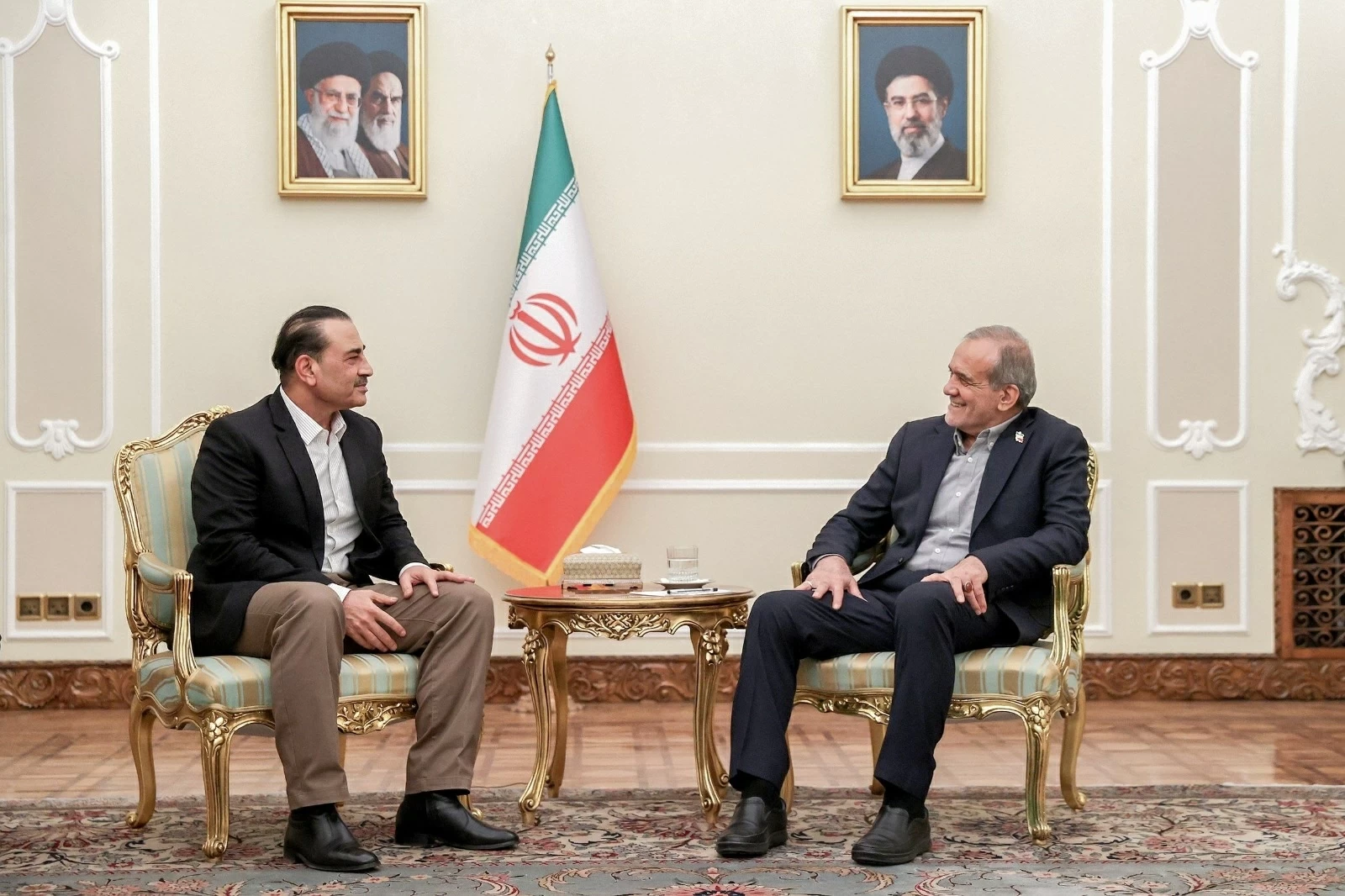
واختتم قائد الجيش الباكستاني عاصم منير زيارة إلى طهران، رافقه خلالها وزير الداخلية محسن نقوي، والتقى الرئيس الإيراني مسعود بيزشكيان ووزير الخارجية عباس عراقجي ومسؤولين كباراً.
وركزت المحادثات على وقف التصعيد، وإعادة فتح مضيق هرمز، وإنهاء الحرب عبر المفاوضات، إلى جانب بحث الاستقرار الإقليمي. وأعلن نقوي تحقيق تقدم كبير في المحادثات، مشيراً إلى بحث إعادة تفعيل مذكرة إسلام آباد التي سبق أن طُرحت لتسوية الصراع.
وتُعد زيارة منير الثالثة إلى طهران ضمن جهود الوساطة الباكستانية، بعد تعثر اتفاق مؤقت أُبرم في يونيو الماضي.
واشنطن توسع الضغط الاقتصادي
وكان وزير الخزانة الأمريكي سكوت بيسنت قد أعلن عن حملة عقوبات جديدة شملت 60 فرداً وكياناً وسفينة، ملوحاً بإجراءات ثانوية قد تستهدف الدول والجهات التي تواصل التجارة مع إيران، بما في ذلك احتمال استبعادها من النظام المالي القائم على الدولار.
ورغم اتساع العقوبات، خلت القائمة الجديدة من المؤسسات المالية الصينية المتهمة بتسهيل تجارة النفط الإيراني، في مؤشر على حساسية الموقف الأمريكي تجاه بكين.
وتسعى إدارة الرئيس دونالد ترمب إلى استخدام الضغط الاقتصادي لإجبار طهران على إنهاء الحرب، مع إعادة طرح فكرة تهيئة الظروف لتغيير النظام الإيراني، بعدما فشلت الضغوط العسكرية وحدها في تحقيق استسلام سريع.
الصين.. مفتاح نجاح العقوبات
تمثل الصين التحدي الأكبر للاستراتيجية الأمريكية، بعدما استحوذت على أكثر من 80% من صادرات النفط الإيرانية خلال عام 2025.
وأكدت بكين أن تعاونها مع طهران يتم وفق القانون الدولي، محذرة من التدخل فيه، ومتعهدة باتخاذ الإجراءات اللازمة لحماية مصالحها. وفي المقابل، تجنب بيسنت تسمية الصين مباشرة، مؤكداً أن واشنطن تريد منح الدول والشركات وقتاً للابتعاد عن إيران قبل تطبيق عقوبات أوسع.
ويعكس هذا الحذر مخاوف أمريكية من تداعيات استهداف البنوك الصينية، خصوصاً في ظل ملفات اقتصادية وتجارية حساسة بين واشنطن وبكين.
طهران تلوح بالتصعيد
من جانبها، أكدت إيران استعدادها لمواجهة العقوبات، وهدد مسؤولون إيرانيون بالرد عسكرياً على أي محاولة لاستهداف بنيتها التحتية، بما في ذلك المصالح الأمريكية وممرات الطاقة.
ورغم سنوات العقوبات، تمكنت طهران من الحفاظ على صادرات نفطية، لكنها تواجه حالياً ضغوطاً أكبر مع تشديد الحصار البحري وتراجع تدفقات النفط إلى الصين.
وبينما أضعفت الحرب القدرات العسكرية الإيرانية وألحقت أضراراً كبيرة باقتصادها، لا تزال طهران تمتلك صواريخ وطائرات مسيرة قادرة على تهديد الملاحة في مضيق هرمز.
وذكرت هيئة عمليات التجارة البحرية البريطانية، اليوم الثلاثاء، أن ناقلة نفط أُصيبت بمقذوف مجهول في مضيق هرمز، وتعطلت على بعد حوالي 9 أميال بحرية شمال شرقي منطقة شيصة في سلطنة عمان.
The war between the United States and Iran has entered a new phase, with Washington moving to a financial and economic escalation aimed at suffocating the Iranian economy and tightening pressure on countries and companies that continue to deal with Tehran, coinciding with Pakistan intensifying its mediation efforts to prevent the conflict from widening and to reopen the Strait of Hormuz.
Pakistani Move to End the War
The Pakistani army chief, Asim Munir, concluded a visit to Tehran, accompanied by Interior Minister Mohsin Naqvi, where he met with Iranian President Masoud Pezeshkian, Foreign Minister Abbas Araghchi, and senior officials.
The discussions focused on halting the escalation, reopening the Strait of Hormuz, and ending the war through negotiations, as well as discussing regional stability. Naqvi announced significant progress in the talks, indicating discussions on reactivating the Islamabad memorandum that had previously been proposed to settle the conflict.
This visit by Munir is the third to Tehran as part of Pakistan's mediation efforts, following the stalling of a temporary agreement reached last June.
Washington Expands Economic Pressure
U.S. Treasury Secretary Scott Pisent announced a new sanctions campaign that included 60 individuals, entities, and a ship, warning of secondary measures that could target countries and parties that continue to trade with Iran, including the possibility of excluding them from the dollar-based financial system.
Despite the expansion of sanctions, the new list did not include Chinese financial institutions accused of facilitating Iranian oil trade, indicating the sensitivity of the U.S. position towards Beijing.
The Trump administration seeks to use economic pressure to force Tehran to end the war, while reintroducing the idea of creating conditions for changing the Iranian regime, after military pressures alone failed to achieve a quick surrender.
China.. The Key to Sanctions Success
China represents the biggest challenge to the U.S. strategy, having accounted for more than 80% of Iranian oil exports during 2025.
Beijing has confirmed that its cooperation with Tehran is in accordance with international law, warning against interference, and pledging to take necessary measures to protect its interests. In contrast, Pisent avoided directly naming China, emphasizing that Washington wants to give countries and companies time to distance themselves from Iran before implementing broader sanctions.
This caution reflects American concerns about the repercussions of targeting Chinese banks, especially amid sensitive economic and trade files between Washington and Beijing.
Tehran Threatens Escalation
For its part, Iran has confirmed its readiness to face sanctions, with Iranian officials threatening military retaliation against any attempt to target its infrastructure, including American interests and energy corridors.
Despite years of sanctions, Tehran has managed to maintain oil exports, but it currently faces greater pressures with the tightening of the maritime blockade and a decline in oil flows to China.
While the war has weakened Iran's military capabilities and caused significant damage to its economy, Tehran still possesses missiles and drones capable of threatening navigation in the Strait of Hormuz.
The UK Maritime Trade Operations reported today, Tuesday, that an oil tanker was hit by an unknown projectile in the Strait of Hormuz, and it was disabled about 9 nautical miles northeast of the Shisah area in the Sultanate of Oman.