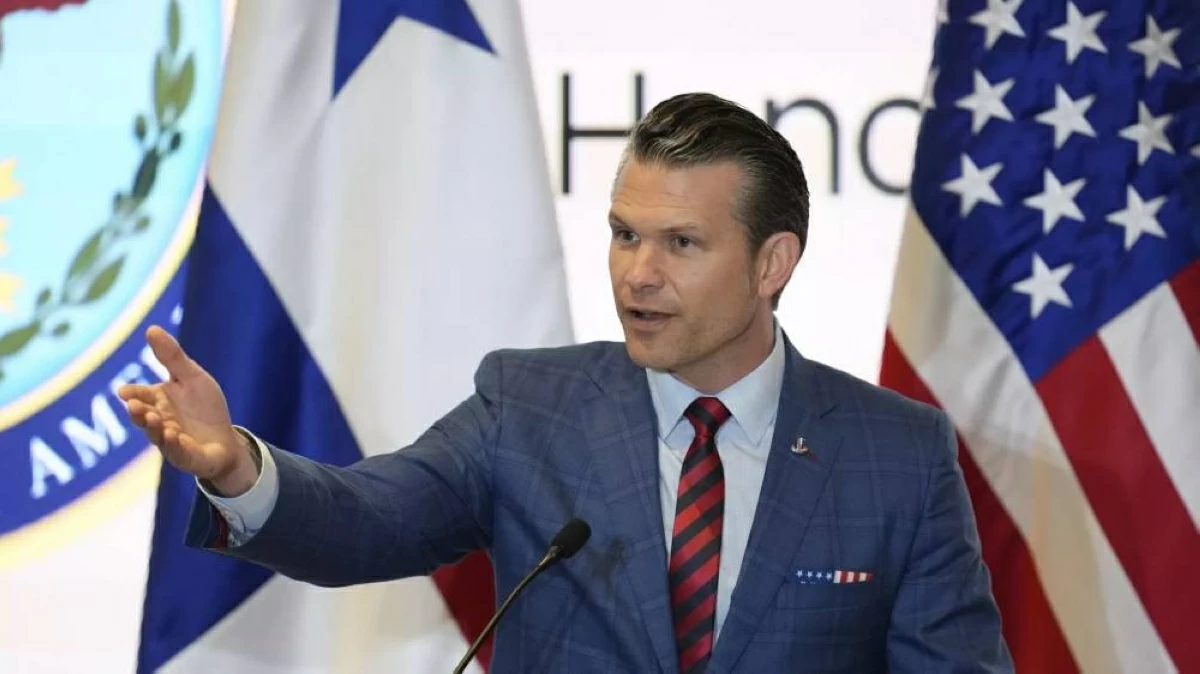
خفض وزير الدفاع الأمريكي بيت هيجسيث من حدة خططه لتقليص الوجود العسكري الأمريكي في أوروبا، بعدما رفض البيت الأبيض مقترحاً كان يعتزم الإعلان عنه خلال اجتماع لوزراء دفاع حلف شمال الأطلسي في بروكسل.
وكشفت صحيفة «وول ستريت جورنال»، أن هيجسيث كان يخطط للإعلان عن تخفيضات إضافية في القوات الأمريكية بأوروبا، تتجاوز إلغاء نشر لواء مدرع في بولندا وسحب لواء مشاة من رومانيا، إلا أن المقترح قوبل بالرفض بعد مناقشته مع وزير الخارجية ومستشار الأمن القومي بالوكالة ماركو روبيو وعدد من كبار المسؤولين.
وأعلن هيجسيث أن وزارة الدفاع ستجري مراجعة شاملة لتمركز القوات الأمريكية في أوروبا، وهي عملية قد تستغرق ما يصل إلى ستة أشهر، في إشارة إلى أن الإدارة الأمريكية لم تحسم بعد حجم أو توقيت أي تخفيضات مستقبلية.
وتأتي هذه التطورات في ظل استمرار الرئيس دونالد ترمب في انتقاد دول حلف الناتو، معتبراً أنها لا تتحمل نصيبها العادل من الإنفاق الدفاعي، كما انتقد مواقف بعض الحلفاء تجاه الحرب مع إيران. وأثارت تصريحات هيجسيث ومقترحاته قلقاً واسعاً داخل الحلف، وكذلك بين مشرعين جمهوريين وديمقراطيين، خشية أن تؤدي إلى إضعاف التحالف وتشجيع روسيا.
من جانبه، أكد المتحدث باسم البنتاغون شون بارنيل أن هيجسيث حرص على أن تتماشى مواقفه مع توجهات الرئيس، ولم يسع إلى تقييد حرية ترمب في اتخاذ القرار بشأن مستقبل القوات الأمريكية.
ويتوقع أن يهيمن ملف الوجود العسكري الأمريكي والإنفاق الدفاعي الأوروبي على جدول أعمال قمة الناتو المرتقبة في أنقرة الأسبوع القادم، إذ يسعى الحلف إلى إظهار وحدة الصف ودعم أوكرانيا، وسط مخاوف من أن تؤثر الخلافات مع ترمب على أجواء القمة.
وتنسجم المناقشات مع إستراتيجية الدفاع الأمريكية الصادرة في يناير الماضي، وتدعو إلى تقليص الوجود العسكري في أوروبا والتركيز بصورة أكبر على منطقة المحيطين الهندي والهادئ، مع نقل مسؤولية الدفاع التقليدي عن القارة الأوروبية إلى حلفائها.
وأثار هيجسيث جدلاً في مايو الماضي عندما ألغى بشكل مفاجئ إرسال لواء مدرع إلى بولندا، ما أثار انتقادات من مسؤولين أمريكيين وبولنديين بسبب غياب التشاور المسبق. وأفادت تقارير بأن ترمب استفسر شخصياً عن أسباب هذا القرار، قبل أن يعلن لاحقاً عزمه إرسال خمسة آلاف جندي إضافي إلى بولندا، وهي خطوة لم تُنفذ حتى الآن.
ورغم التراجع المؤقت، لا تزال احتمالات تقليص الوجود العسكري الأمريكي في أوروبا مطروحة، في ظل دعم هيجسيث ومساعديه لإعادة توزيع القوات بما يتوافق مع أولويات واشنطن الإستراتيجية الجديدة.
The U.S. Secretary of Defense, Pete Hegseth, has toned down his plans to reduce the American military presence in Europe after the White House rejected a proposal he intended to announce during a NATO defense ministers' meeting in Brussels.
The Wall Street Journal revealed that Hegseth had planned to announce additional reductions in U.S. forces in Europe, beyond the cancellation of the deployment of an armored brigade in Poland and the withdrawal of an infantry brigade from Romania. However, the proposal was met with rejection after discussions with Secretary of State and Acting National Security Advisor Marco Rubio and several senior officials.
Hegseth announced that the Department of Defense would conduct a comprehensive review of the positioning of U.S. forces in Europe, a process that could take up to six months, indicating that the U.S. administration has not yet decided on the scale or timing of any future reductions.
These developments come amid President Donald Trump’s continued criticism of NATO countries, considering that they do not bear their fair share of defense spending, and he has also criticized the positions of some allies regarding the war with Iran. Hegseth's statements and proposals have raised widespread concern within the alliance, as well as among Republican and Democratic lawmakers, fearing that they could weaken the alliance and encourage Russia.
For his part, Pentagon spokesman Sean Parnell confirmed that Hegseth was keen to align his positions with the president's direction and did not seek to restrict Trump's freedom in making decisions regarding the future of U.S. forces.
The issue of the U.S. military presence and European defense spending is expected to dominate the agenda of the upcoming NATO summit in Ankara next week, as the alliance seeks to demonstrate unity and support for Ukraine amid concerns that disagreements with Trump could affect the atmosphere of the summit.
The discussions align with the U.S. defense strategy issued last January, which calls for reducing the military presence in Europe and focusing more on the Indo-Pacific region, while transferring the responsibility for conventional defense of the European continent to its allies.
Hegseth sparked controversy last May when he abruptly canceled the deployment of an armored brigade to Poland, which drew criticism from American and Polish officials due to the lack of prior consultation. Reports indicated that Trump personally inquired about the reasons for this decision before later announcing his intention to send an additional five thousand troops to Poland, a step that has not yet been implemented.
Despite the temporary setback, the prospects for reducing the U.S. military presence in Europe remain on the table, with Hegseth and his aides supporting the redistribution of forces in line with Washington's new strategic priorities.