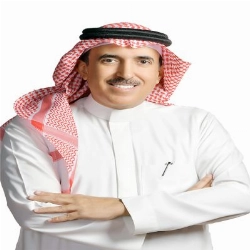
خالد المناعي، نائب رئيس اللجنة التنفيذية في مجمع شركات المناعي، يستعرض رؤيته حول تكامل الذكاء الاصطناعي والاتصال والبنية التحتية الذكية لإحداث تحول في القطاعات وتسريع تحقيق مستهدفات رؤية السعودية 2030 وخلق فرص جديدة في مختلف أنحاء المنطقة.
تدخل مسيرة التحول الرقمي في المملكة العربية السعودية مرحلة جديدة تتجاوز مجرد تبنّي التكنولوجيا، حيث تركز المؤسسات بشكل متزايد على بناء قدرات مستدامة وتطوير المواهب المحلية واستحداث نماذج تشغيل جديدة قادرة على تحقيق قيمة اقتصادية ومجتمعية طويلة الأمد.
ويرى خالد المناعي، نائب رئيس اللجنة التنفيذية في مجمع شركات المناعي، أنَّ هذا الزخم تقوده مجموعة من العوامل مثل رؤية السعودية 2030 ووضوح الأطر التنظيمية وتنامي الضغوط التنافسية، إلى جانب طموح أوسع لبناء قدرات وطنية مستدامة على المدى الطويل.
وقال المناعي: «لم يعد التحول مدفوعاً بعامل واحد وحسب؛ فرؤية السعودية 2030 توفر التوجه الاستراتيجي، والأطر التنظيمية ترسي الوضوح، والمنافسة تعزز الحاجة إلى تسريع الخطى، إلا أن الدافع الأقوى يتمثل في الطموح لبناء قدرات وطنية مستدامة على المدى الطويل».
وأدى ذلك إلى تغير النهج المتبّع لتنفيذ التحول على أرض الواقع، فبدلاً من التركيز على تقنيات منفردة، تبحث المؤسسات في كيفية تكامل الذكاء الاصطناعي والبيانات والأتمتة والأنظمة الذكية لتحسين عملية اتخاذ القرار وتقديم الخدمات والعمليات اليومية.
وأضاف: "يتجسَّد ذلك في قطاعات الخدمات الحكومية والخدمات المالية والرعاية الصحية والعمليات الصناعية ومشاريع البنية التحتية الكبرى. ونرى في (المناعي) أن المؤسسات التي تحقق أكبر قدر من التقدم هي التي تبدأ بتحديد نتائج واضحة للأعمال، ثم تعمل على مواءمة التكنولوجيا والكوادر والبيانات والحوكمة لتحقيقها». ويسهم ذلك في تبني نهج أكثر تكاملاً للتحول، بحيث تدعم التكنولوجيا أهداف الأعمال الأوسع بدلاً من التعامل معها كاستثمار مستقل.
من تبني التكنولوجيا إلى بناء القدرات
تسهم طموحات المملكة العربية السعودية أيضاً في صياغة توقعات جديدة لدى عملاء قطاع التكنولوجيا، إذ تتطلع المؤسسات بشكل متزايد إلى حلول تتيح لها تطوير الخبرات والاحتفاظ بها داخلياً، بدلاً من الاعتماد بشكل كبير على المزودين الخارجيين.
ونتيجةً لذلك، يتزايد التركيز على امتلاك قدر أكبر من التحكم في التكنولوجيا ذاتها. وتكتسب مجالات؛ مثل السيادة على البيانات وحوكمة الذكاء الاصطناعي والجاهزية للغة العربية وقابلية التوسع، أهمية متزايدة مع تخطيط المؤسسات للنمو على المدى الطويل. وبالنسبة لـ(المناعي)، يعني ذلك زيادة التركيز على البنى المفتوحة وعمليات النشر الجاهزة لتلبية متطلبات السيادة.
وفي المقابل، تركز المؤسسات بصورة متزايدة على تحديد القدرات التي يمكنها بناؤها والحفاظ عليها. وأوضح المناعي: «تطرح المملكة العربية السعودية اليوم سؤالاً حول كيفية بناء القدرات بالاستفادة من التكنولوجيا، متقدمةً بذلك خطوة على مجرد التفكير في كيفية تبنيها».
نمو وطني وتأثير إقليمي
تُسهم هذه التطورات أيضاً في تعزيز مكانة المملكة العربية السعودية كمركز إقليمي للتكنولوجيا، إذ يخلق حجم الاستثمارات وسرعة وتيرة التطور في المملكة فرصاً تتجاوز حدود المؤسسات والقطاعات منفردة.
وبالنسبة لـ(المناعي)، تبدأ هذه الفرصة الإقليمية بتعزيز القدرات داخل المملكة العربية السعودية. ومن خلال فرقها العاملة في المملكة وقدراتها في مجال تقديم الحلول ومبادراتها المتعلقة بالمنتجات، تعمل الشركة على تطوير خبرات وحلول محلية يمكن أن يمتد نطاقها مستقبلاً إلى خارج المملكة.
وبرز هذا التوجه خلال LEAP 2026، حيث استعرضت المناعي كيفية تكامل الذكاء الاصطناعي والاتصال والبنية التحتية الذكية في مجالات الرياضة والمدن والمؤسسات. وعكست مشاركة الشركة التوسع المتزايد في تبني التكنولوجيا في مختلف المجالات بالمملكة.
وبينما تواصل المملكة العربية السعودية تطوير بُنيتها التحتية الرقمية وخبراتها المحلية، من المتوقع أن يمتد أثر ذلك إلى دول الخليج العربية ومنطقة الشرق الأوسط وأفريقيا على نطاق أوسع. واختتم المناعي حديثه بالقول: «لا ننظر إلى المملكة العربية السعودية باعتبارها مجرد سوق نقدم خدماتنا إليها، بل نراها السوق التي ستنبثق منها الجيل الجديد من القدرات التكنولوجية الإقليمية».
Khalid Al-Manaei, Vice President of the Executive Committee at Al-Manaei Group of Companies, presents his vision on the integration of artificial intelligence, communication, and smart infrastructure to drive transformation across sectors and accelerate the achievement of Saudi Arabia's Vision 2030 goals, creating new opportunities throughout the region.
The digital transformation journey in the Kingdom of Saudi Arabia is entering a new phase that goes beyond mere technology adoption, as institutions increasingly focus on building sustainable capabilities, developing local talent, and creating new operating models capable of delivering long-term economic and social value.
Khalid Al-Manaei, Vice President of the Executive Committee at Al-Manaei Group of Companies, believes that this momentum is driven by a combination of factors such as Vision 2030, clarity in regulatory frameworks, and growing competitive pressures, alongside a broader ambition to build sustainable national capabilities in the long term.
Al-Manaei stated, "Transformation is no longer driven by a single factor; Vision 2030 provides the strategic direction, regulatory frameworks establish clarity, and competition enhances the need to accelerate progress, but the strongest motivation lies in the ambition to build sustainable national capabilities in the long term."
This has led to a shift in the approach to implementing transformation on the ground, where instead of focusing on individual technologies, institutions are exploring how to integrate artificial intelligence, data, automation, and smart systems to improve decision-making processes and deliver services and daily operations.
He added, "This is manifested in sectors such as government services, financial services, healthcare, industrial operations, and major infrastructure projects. At Al-Manaei, we see that the institutions making the most progress are those that start by defining clear business outcomes and then work to align technology, talent, data, and governance to achieve them." This contributes to adopting a more integrated approach to transformation, where technology supports broader business objectives rather than being treated as a standalone investment.
From Technology Adoption to Capability Building
Saudi Arabia's ambitions also contribute to shaping new expectations among technology sector clients, as institutions increasingly seek solutions that enable them to develop and retain expertise internally, rather than relying heavily on external providers.
As a result, there is a growing focus on having greater control over the technology itself. Areas such as data sovereignty, AI governance, Arabic language readiness, and scalability are gaining increasing importance as institutions plan for long-term growth. For Al-Manaei, this means a heightened focus on open architectures and ready-to-deploy operations to meet sovereignty requirements.
Conversely, institutions are increasingly focused on identifying the capabilities they can build and maintain. Al-Manaei explained, "Saudi Arabia today poses the question of how to build capabilities by leveraging technology, taking a step beyond merely considering how to adopt it."
National Growth and Regional Impact
These developments also contribute to enhancing Saudi Arabia's position as a regional technology hub, as the scale of investments and the pace of development in the Kingdom create opportunities that transcend the boundaries of individual institutions and sectors.
For Al-Manaei, this regional opportunity begins with strengthening capabilities within Saudi Arabia. Through its teams operating in the Kingdom, its solution delivery capabilities, and its product-related initiatives, the company is working to develop local expertise and solutions that can potentially extend beyond the Kingdom in the future.
This direction was highlighted during LEAP 2026, where Al-Manaei showcased how artificial intelligence, communication, and smart infrastructure integrate in the fields of sports, cities, and institutions. The company's participation reflected the growing expansion of technology adoption across various sectors in the Kingdom.
As Saudi Arabia continues to develop its digital infrastructure and local expertise, the impact of this is expected to extend to the Gulf countries and the broader Middle East and Africa region. Al-Manaei concluded by saying, "We do not view Saudi Arabia merely as a market to which we provide our services; rather, we see it as the market from which the new generation of regional technological capabilities will emerge."