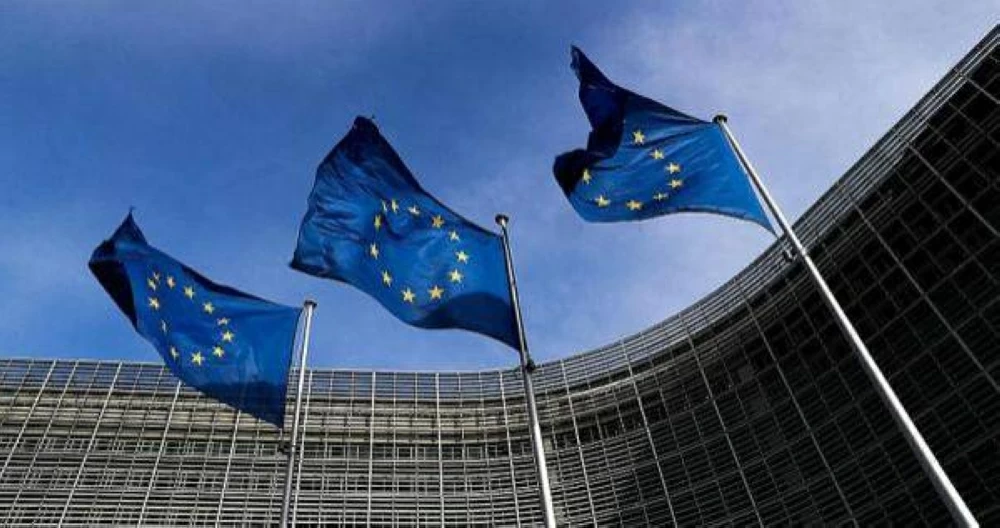
دعا خمسة وزراء مالية في الاتحاد الأوروبي في رسالة إلى المفوضية الأوروبية، اليوم، إلى فرض ضريبة على الأرباح الاستثنائية لشركات الطاقة، وذلك رداً على ارتفاع أسعار الوقود الناجم عن حرب إيران.
وأطلق وزراء مالية ألمانيا وإيطاليا وإسبانيا والبرتغال والنمسا هذا النداء المشترك، في رسالة قالوا فيها إن هذا الإجراء سيمثل إشارة إلى أننا «متحدون وقادرون على اتخاذ إجراءات».
أداة مساهمة
وكتبوا أنه «سيرسل أيضاً رسالة واضحة مفادها أن أولئك الذين يستفيدون من تبعات الحرب يجب أن يضطلعوا بدورهم في تخفيف العبء عن عامة الناس».
وفي الرسالة الموجهة إلى مفوض المناخ في الاتحاد الأوروبي فوبكه هوكسترا، أشار الوزراء إلى ضريبة طوارئ مماثلة في عام 2022 لمعالجة ارتفاع أسعار الطاقة.
وكتبوا «نظراً للتشوهات الحالية في السوق والقيود المالية، يجب على المفوضية الأوروبية أن تطور بسرعة أداة مساهمة مماثلة على مستوى الاتحاد الأوروبي تستند إلى أساس قانوني متين».
تدابير أزمة
وقال مفوض الطاقة في الاتحاد الأوروبي دان يورجنسن أخيراً: «إن الاتحاد يدرس إحياء تدابير أزمة الطاقة التي استخدمت في عام 2022، بما في ذلك مقترحات للحد من رسوم الشبكة والضرائب على الكهرباء».
وطبق الاتحاد الأوروبي مجموعة من السياسات الطارئة في عام 2022، بعد أن قطعت روسيا إمدادات الغاز.
وشملت هذه السياسات وضع سقف لأسعار الغاز على مستوى الاتحاد الأوروبي، وفرض ضريبة على الأرباح الاستثنائية لشركات الطاقة، ووضع أهداف للحد من الطلب على الغاز.
واعتماد أوروبا الشديد على الوقود المستورد يجعلها عرضة لتأثير الصراع في الشرق الأوسط على أسعار الطاقة العالمية.
وارتفعت أسعار الغاز الأوروبية بأكثر من 70% منذ بدء الحرب الأمريكية الإسرائيلية مع إيران في 28 فبراير الماضي.
Five finance ministers from the European Union called on the European Commission today to impose a tax on the extraordinary profits of energy companies, in response to rising fuel prices caused by the Iran war.
The finance ministers of Germany, Italy, Spain, Portugal, and Austria issued this joint appeal in a letter stating that this measure would represent a signal that we are "united and able to take action".
Contribution Tool
They wrote that it "will also send a clear message that those who benefit from the consequences of the war must play their part in alleviating the burden on the general public".
In the letter addressed to the EU Climate Commissioner Frans Timmermans, the ministers referred to a similar emergency tax in 2022 to address rising energy prices.
They wrote, "Given the current market distortions and financial constraints, the European Commission must quickly develop a similar contribution tool at the EU level based on a solid legal basis".
Emergency Measures
EU Energy Commissioner Dan Jørgensen recently stated, "The Union is considering reviving the energy crisis measures used in 2022, including proposals to reduce network fees and taxes on electricity".
The EU implemented a range of emergency policies in 2022 after Russia cut off gas supplies.
These policies included setting a cap on gas prices at the EU level, imposing a tax on the extraordinary profits of energy companies, and establishing targets to reduce gas demand.
Europe's heavy reliance on imported fuel makes it vulnerable to the impact of conflict in the Middle East on global energy prices.
European gas prices have risen by more than 70% since the start of the American-Israeli war with Iran on February 28th.