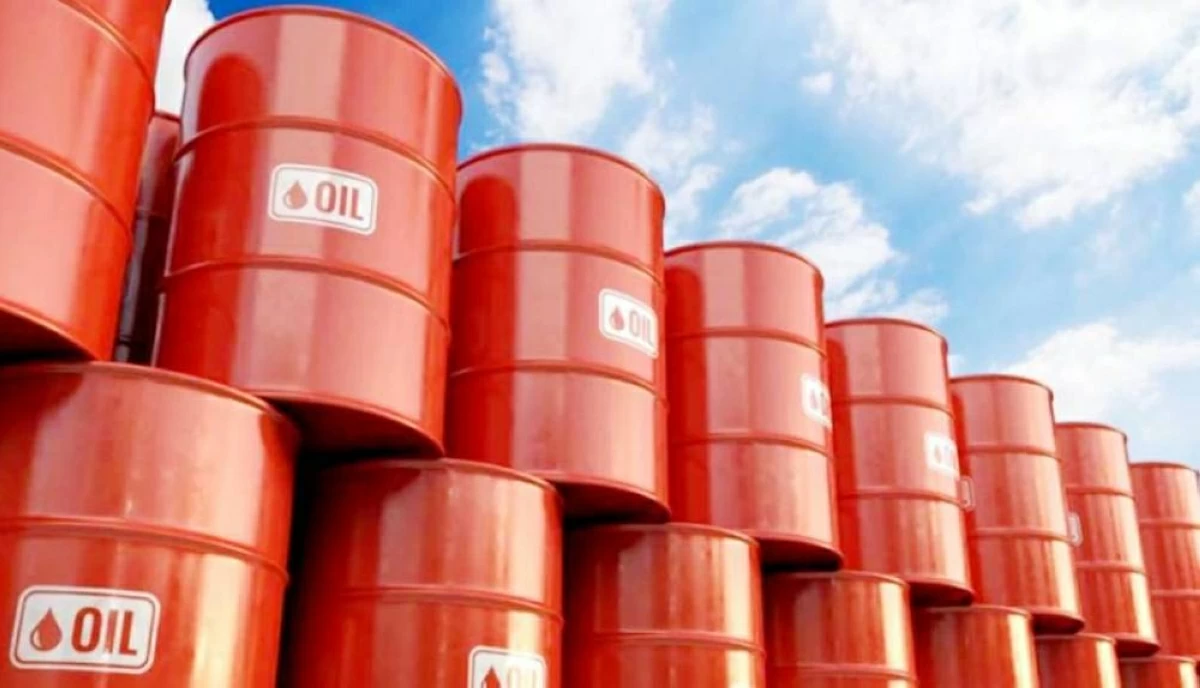
كشف مصدر لقناة «العربية»، أن عمليات تحميل النفط من ميناء ينبع في السعودية تسير بشكل طبيعي.
وأظهرت بيانات شحن، أن شحنات الخام السعودي من ميناء ينبع على البحر الأحمر في طريقها للارتفاع إلى مستوى غير مسبوق عند 3.8 مليون برميل يومياً في مارس، وذلك بعد أن جعلت الحرب الأمريكية الإسرائيلية على إيران مضيق هرمز مغلقاً فعلياً أمام الصادرات.
خط أنابيب شرق - غرب
ويمكن للمملكة، أكبر مصدر للنفط في العالم، ضخ ما يصل إلى 7 ملايين برميل يومياً إلى ينبع عبر خط أنابيب شرق-غرب؛ مما يجعلها غير مجبرة على تبني تخفيضات حادة في الإنتاج مثل تلك التي اضطرت إليها دول منها العراق والكويت والإمارات بسبب محدودية طرق التصدير البديلة.
وقالت «أرامكو» في العاشر من مارس إن نحو 5 ملايين برميل يومياً من تلك الكمية يمكن أن تكون متاحة للتصدير، بينما يذهب الباقي إلى المصافي المحلية.
70 ناقلة
وتشير بيانات الشحن الصادرة عن «مجموعة بورصات لندن» إلى أنه من المتوقع تحميل نحو 70 ناقلة في ينبع هذا الشهر، منها نحو 40 لا تزال في طريقها إلى هناك، ويتجه معظمها إلى آسيا؛ إذ تستحوذ الصين على الحصة الأكبر بنحو 2.2 مليون برميل يومياً.
وغادرت أول ناقلة من ينبع متجهة إلى آسيا في العاشر من مارس الجاري، وأظهرت البيانات أن متوسط الحمولة في ينبع زاد إلى 2.6 مليون برميل يومياً منذ بداية مارس، ارتفاعاً من 1.4 مليون في فبراير و1.3 مليون في يناير.
A source revealed to Al Arabiya that oil loading operations at the Yanbu port in Saudi Arabia are proceeding normally.
Shipping data showed that shipments of Saudi crude from the Yanbu port on the Red Sea are on track to rise to an unprecedented level of 3.8 million barrels per day in March, following the U.S.-Israeli war on Iran, which has effectively closed the Strait of Hormuz to exports.
East-West Pipeline
The Kingdom, the world's largest oil exporter, can pump up to 7 million barrels per day to Yanbu via the East-West pipeline; thus, it is not compelled to adopt sharp production cuts like those that countries such as Iraq, Kuwait, and the UAE have had to implement due to limited alternative export routes.
On March 10, Aramco stated that about 5 million barrels per day of that amount could be available for export, while the remainder goes to local refineries.
70 Tankers
Shipping data from the London Stock Exchange Group indicates that around 70 tankers are expected to be loaded in Yanbu this month, with about 40 still en route there, most of which are heading to Asia; China is taking the largest share at about 2.2 million barrels per day.
The first tanker left Yanbu heading to Asia on March 10, and data showed that the average load in Yanbu increased to 2.6 million barrels per day since the beginning of March, up from 1.4 million in February and 1.3 million in January.