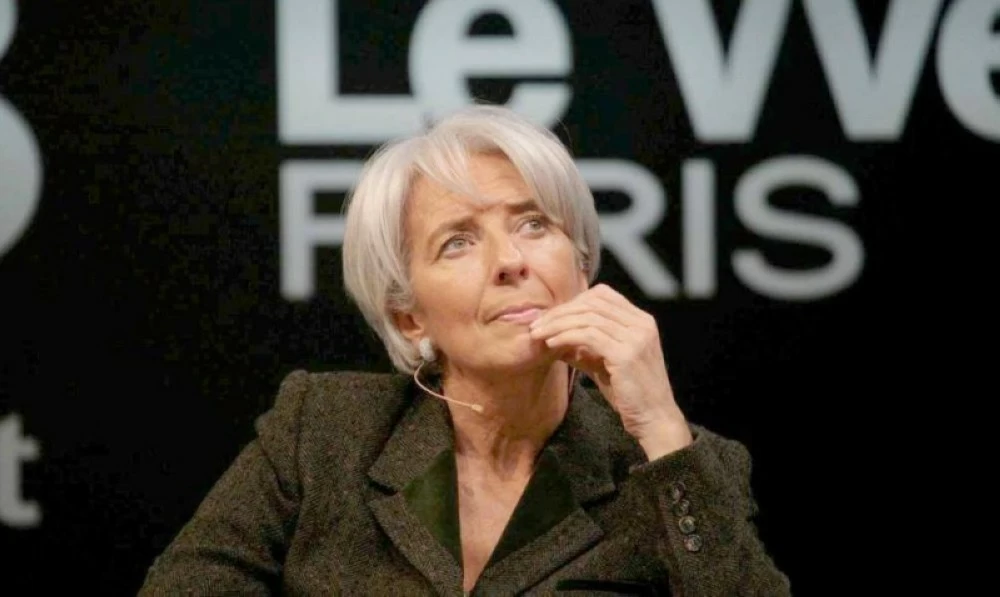
أعلنت رئيسة البنك المركزي الأوروبي كريستين لاغارد، أن العالم يشهد تشرذماً في المشهد الجيوسياسي مترافقاً مع زيادة الرسوم الجمركية وقيود الصادرات والواردات وهذا غير مسبوق.
وقات لاغارد خلال جلسة نقاشية ضمن أعمال المنتدى الاقتصادي العالمي في دافوس بعنوان «ديجا فو التاريخ:» إن العالم يعيش حالياً في مرحلة تسارع رقمنة الاقتصادات مع التركيز على الذكاء الاصطناعي.
وأضافت: «هل نعيش عشرينيات القرن الماضي من جديد؟، والاختراقات التكنولوجية والأداء القوي لسوق الأسهم في 1920 تتكرر الآن».
وأوضحت أن تحقيق المكاسب من تطوير الذكاء الاصطناعي يكون عبر التعاون بين الجميع وقبول نماذج ورؤى مختلفة للعالم.
مراجعة جذرية
وأكدت لاغارد، أن الاقتصاد الأوروبي يحتاج إلى مراجعة جذرية لمواجهة ما وصفته بـ «فجر نظام دولي جديد»، مشددة في الوقت نفسه على أن القارة ستكون أكثر قوة إذا ما أزالت الحواجز التجارية غير الجمركية بين الدول الأعضاء.
وقللت في مقابلة مع إذاعة «آر تي إل» الفرنسية، من المخاوف بشأن الأثر التضخمي للرسوم الجمركية الأمريكية المرتقبة، متوقعة تأثيراً طفيفاً بفضل نجاح البنك في السيطرة على التضخم عند مستوى 1.9%، مع إشارتها إلى أن ألمانيا ستكون أكثر عرضة للتأثر بهذه الرسوم مقارنة بفرنسا.
The President of the European Central Bank, Christine Lagarde, announced that the world is witnessing fragmentation in the geopolitical landscape accompanied by an increase in tariffs and export and import restrictions, which is unprecedented.
Lagarde stated during a discussion session at the World Economic Forum in Davos titled "Déjà Vu in History" that the world is currently in a phase of accelerating the digitization of economies with a focus on artificial intelligence.
She added, "Are we living through the 1920s again? The technological breakthroughs and strong performance of the stock market in the 1920s are repeating themselves now."
She clarified that achieving gains from the development of artificial intelligence requires cooperation among all and acceptance of different models and visions of the world.
Radical Review
Lagarde emphasized that the European economy needs a radical review to face what she described as "the dawn of a new international system," stressing at the same time that the continent would be stronger if it removed non-tariff trade barriers among member states.
In an interview with French radio "RTL," she downplayed concerns about the inflationary impact of the anticipated U.S. tariffs, expecting a slight effect thanks to the bank's success in controlling inflation at a level of 1.9%, while noting that Germany would be more susceptible to the impact of these tariffs compared to France.