


توقعت وكالة «فيتش» للتصنيف الائتماني، أن تواصل الأصول تحت الإدارة في قطاع إدارة الأصول في السعودية النمو لتتجاوز 400 مليار دولار (1500 مليار ريال) في عام 2026، ما يحافظ على ريادة المملكة ضمن دول مجلس التعاون الخليجي.
وأضافت الوكالة في تقرير لها، أن ذلك يأتي في أعقاب جهود الحكومة وإصلاحاتها ضمن برنامج تطوير القطاع المالي، وجذب مستثمرين كبار، بما في ذلك صندوق الاستثمارات العامة، إلى جانب مستثمرين من المؤسسات والأفراد، وتسهيل دخول المستثمرين المحليين والأجانب.
وتوقعت أن تظل الصناديق المتوافقة مع الشريعة الإسلامية مهيمنة، مبينة أن الأصول تحت الإدارة ما زالت معرضة لتقلبات أسعار النفط، وتقلبات الأسواق المحلية والإقليمية والعالمية، والمخاطر الجيوسياسية.
«فيتش»: الأصول المدارة في المؤسسات السعودية ستتجاوز 400 مليار دولار
2 أكتوبر 2025 - 14:39
|
آخر تحديث 2 أكتوبر 2025 - 14:39
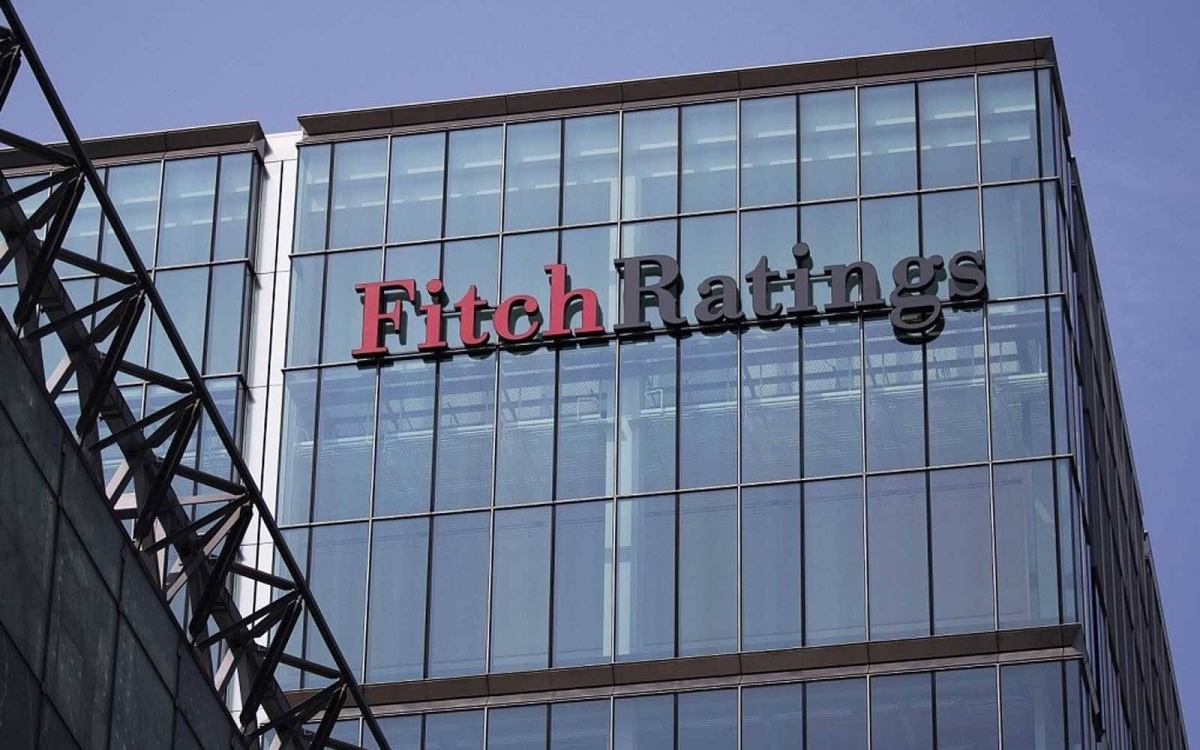
دخول المستثمرين الكبار ساهم في رفع الأصول المدارة وفقا لوكالة فيتش (متداولة)


تابع قناة عكاظ على الواتساب
«عكاظ» (جدة) okaz_online@
Fitch Ratings expects that assets under management in the asset management sector in Saudi Arabia will continue to grow, exceeding $400 billion (1,500 billion riyals) by 2026, maintaining the Kingdom's leadership among the Gulf Cooperation Council countries.
The agency added in its report that this comes in the wake of government efforts and reforms under the Financial Sector Development Program, attracting major investors, including the Public Investment Fund, along with institutional and individual investors, and facilitating the entry of local and foreign investors.
It is expected that Sharia-compliant funds will remain dominant, indicating that assets under management are still exposed to fluctuations in oil prices, as well as local, regional, and global market volatility, and geopolitical risks.
The agency added in its report that this comes in the wake of government efforts and reforms under the Financial Sector Development Program, attracting major investors, including the Public Investment Fund, along with institutional and individual investors, and facilitating the entry of local and foreign investors.
It is expected that Sharia-compliant funds will remain dominant, indicating that assets under management are still exposed to fluctuations in oil prices, as well as local, regional, and global market volatility, and geopolitical risks.


