


طرح الرئيس الأمريكي دونالد ترمب، أمس (الجمعة)، مرة أخرى فكرة إقالة جيروم باول، رئيس مجلس الاحتياطي الفيدرالي (البنك المركزي الأمريكي)، الذي طالما هاجمه؛ بسبب أسعار الفائدة التي يريد خفضها.
وكتب ترمب في منشور مطوّل على موقع «تروث سوشيال» منتقداً سياسة الاحتياطي الفيدرالي: «لا أعرف لماذا لا يتجاوز المجلس (باول)، ربما سأضطر إلى تغيير رأيي بشأن إقالته، ولكن بغض النظر، ستنتهي فترة ولايته قريباً».
وأضاف: «أتفهّم تماماً أن انتقادي الشديد له يجعل من الصعب عليه القيام بما ينبغي عليه القيام به، وهو خفض أسعار الفائدة، لكنني جرّبت كل الطرق المختلفة».
ولطالما اعتُبر رؤساء مجلس الاحتياطي الفيدرالي في مأمن من الإقالة الرئاسية لأسباب غير سوء التصرف أو سوء السلوك، لكن ترمب هدّد باختبار هذه الفرضية القانونية من خلال تهديداته المتكررة بإقالة باول.
وكثيراً ما يتراجع ترمب عن تلك التهديدات، وقال في 12 شهر يونيو: «لن أقوم بإقالته».
وأبقى بنك الاحتياطي الفيدرالي أسعار الفائدة ثابتة يوم (الأربعاء) الماضي في نطاق 4.25–4.50%، وتوقّع تباطؤ النمو وكذلك ارتفاع معدلات البطالة والتضخم بحلول نهاية العام.
وتنتهي ولاية باول في شهر مايو 2026، ومن المتوقّع أن يرشّح ترمب خلفاً له في الأشهر القادمة.
وخفّف حكم المحكمة العليا في شهر مايو الماضي من مخاوف عزل ترمب لباول، إذ وصف القضاة مجلس الاحتياطي الفيدرالي بأنه «كيان فريد من نوعه وشبه خاص».
هل يُقال رئيس الفيدرالي الأمريكي قبل انتهاء ولايته؟
21 يونيو 2025 - 15:29
|
آخر تحديث 21 يونيو 2025 - 15:29
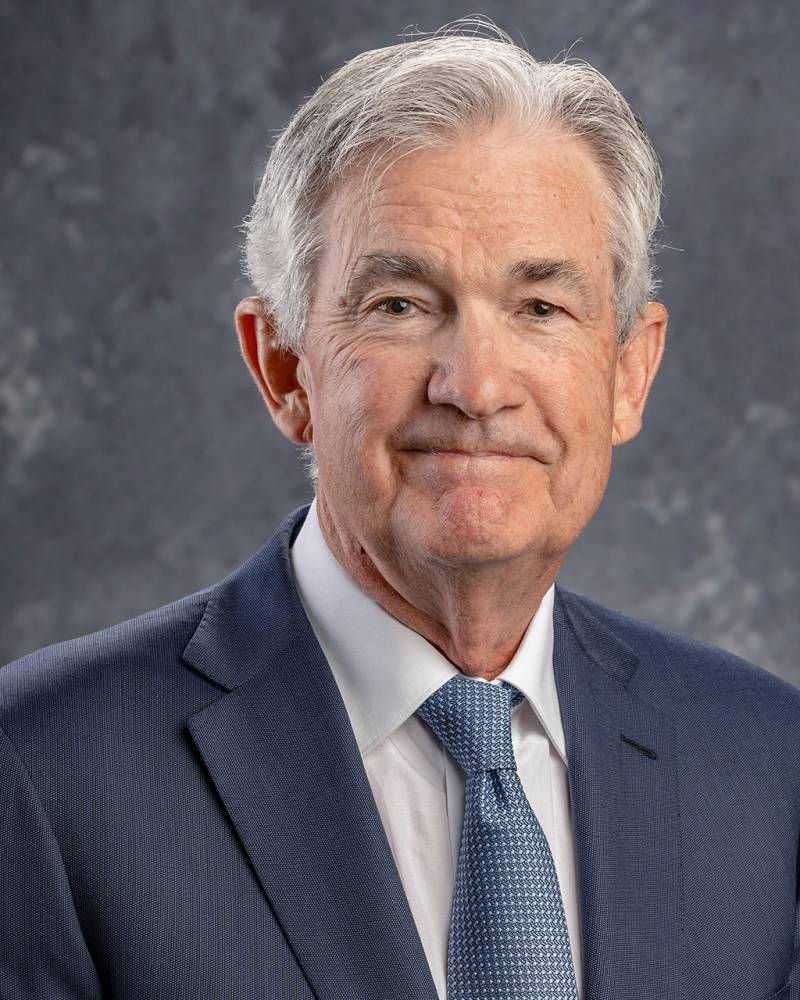
جيروم باول


تابع قناة عكاظ على الواتساب
«عكاظ» (واشنطن) @okaz_online
President Donald Trump reiterated the idea of dismissing Jerome Powell, the Chairman of the Federal Reserve (the U.S. central bank), yesterday (Friday), whom he has long criticized for the interest rates he wants to lower.
Trump wrote in a lengthy post on "Truth Social," criticizing the Federal Reserve's policy: "I don't know why the board (Powell) doesn't go beyond, maybe I will have to change my mind about dismissing him, but regardless, his term will end soon."
He added: "I completely understand that my strong criticism of him makes it difficult for him to do what he should be doing, which is lowering interest rates, but I have tried all the different ways."
Federal Reserve Chairmen have long been considered safe from presidential dismissal for reasons other than misconduct or wrongdoing, but Trump has threatened to test this legal assumption through his repeated threats to dismiss Powell.
Trump often backs away from those threats, stating on June 12: "I will not dismiss him."
The Federal Reserve kept interest rates steady last Wednesday in the range of 4.25–4.50%, and it anticipated a slowdown in growth as well as rising unemployment and inflation rates by the end of the year.
Powell's term ends in May 2026, and Trump is expected to nominate a successor in the coming months.
The Supreme Court's ruling last May eased concerns about Trump's potential dismissal of Powell, as the justices described the Federal Reserve as a "unique and quasi-private entity."
Trump wrote in a lengthy post on "Truth Social," criticizing the Federal Reserve's policy: "I don't know why the board (Powell) doesn't go beyond, maybe I will have to change my mind about dismissing him, but regardless, his term will end soon."
He added: "I completely understand that my strong criticism of him makes it difficult for him to do what he should be doing, which is lowering interest rates, but I have tried all the different ways."
Federal Reserve Chairmen have long been considered safe from presidential dismissal for reasons other than misconduct or wrongdoing, but Trump has threatened to test this legal assumption through his repeated threats to dismiss Powell.
Trump often backs away from those threats, stating on June 12: "I will not dismiss him."
The Federal Reserve kept interest rates steady last Wednesday in the range of 4.25–4.50%, and it anticipated a slowdown in growth as well as rising unemployment and inflation rates by the end of the year.
Powell's term ends in May 2026, and Trump is expected to nominate a successor in the coming months.
The Supreme Court's ruling last May eased concerns about Trump's potential dismissal of Powell, as the justices described the Federal Reserve as a "unique and quasi-private entity."


