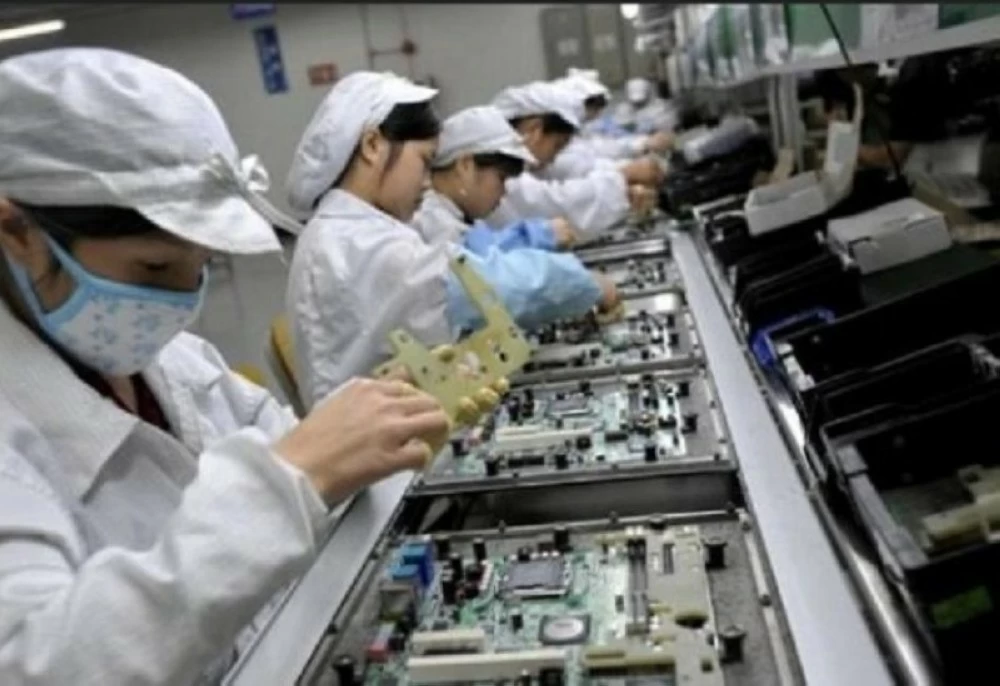
أظهرت بيانات رسمية صادرة أمس (السبت) تباطؤ النشاط الصناعي في الصين خلال يناير، مخالفة للتوقعات، بعد ارتفاع طفيف سجله القطاع في نهاية العام الماضي، ما يعكس تحديات مستمرة أمام ثاني أكبر اقتصاد في العالم.
مؤشر مديري المشتريات يتراجع
وأعلن المكتب الوطني للإحصاء الصيني أن مؤشر مديري المشتريات، المقياس الرئيسي لأداء الصناعة، انخفض إلى 49.3 نقطة هذا الشهر، في حين كانت التوقعات قد أشارت إلى 50.1 نقطة، ما يشير إلى انكماش طفيف في النشاط الصناعي، إذ يفصل مستوى 50 نقطة بين فترات التوسع والانكماش.
ضعف الطلب المحلي وموسم الركود التقليدي
وقال هوو ليهوي من المكتب الوطني للإحصاء إن البيانات تعكس «عدم كفاية الطلب الفعلي في السوق»، إلى جانب «موسم الركود التقليدي» لبعض قطاعات التصنيع، مؤكداً أن التباطؤ الحالي أنهى سلسلة ارتفاع قصيرة شهدها ديسمبر عند 50.1 نقطة، بعد أشهر طويلة من الأداء الضعيف منذ أبريل الماضي.
تحديات الاقتصاد الصيني
ويواجه الاقتصاد الصيني تراجعاً مستمراً في الإنفاق الاستهلاكي المحلي، ما يؤثر على النشاط الاقتصادي رغم قوة الصادرات، التي اعتبرها كبير الاقتصاديين في شركة بينبوينت لإدارة الأصول تشيوي تشانغ، «ركيزة النمو» العام الماضي. وأضاف أن انخفاض النشاط الصناعي يعكس ضعف الطلب المحلي، بينما استدامة القطاع الصناعي ستكون مفتاحاً لتوقعات النمو المستقبلية.
فائض تجاري وإجراءات حكومية مرتقبة
وحققت الصين فائضاً تجارياً تاريخياً بلغ 1.2 تريليون دولار في 2025، وهو ما يشكل نقطة قوة مهمة، فيما تعهدت بكين باتخاذ إجراءات لتعزيز الطلب خلال السنوات القادمة. ومن المتوقع أن تعلن الحكومة عن سياسات رئيسية في مارس بالتزامن مع إصدار خطتها الخمسية الجديدة.
أزمات العقارات والتحديات الديموغرافية
وتعاني السوق العقارية الصينية من أزمة ديون طويلة الأمد، تثبط الاستثمار العقاري وتقلل من رغبة المواطنين في شراء المنازل. كما يفاقم التراجع الديموغرافي والشيخوخة من صعوبة توقع حدوث طفرة إنفاق مستقبلية، ما يزيد الضغوط على الاقتصاد.
نمو متباطئ لعام 2025
وأظهرت البيانات أن الاقتصاد الصيني نما بنسبة 5% في 2025، وهو من بين أبطأ معدلات النمو منذ عقود، مع توقع أن تحدد السلطات هدف نمو مماثل لهذا العام خلال التجمع السياسي السنوي في مارس القادم.
Official data released yesterday (Saturday) showed a slowdown in industrial activity in China during January, contrary to expectations, following a slight increase recorded by the sector at the end of last year, reflecting ongoing challenges for the world's second-largest economy.
Purchasing Managers' Index Declines
The National Bureau of Statistics of China announced that the Purchasing Managers' Index, the main gauge of industrial performance, fell to 49.3 points this month, while forecasts had indicated 50.1 points, suggesting a slight contraction in industrial activity, as the 50-point level separates periods of expansion from contraction.
Weak Domestic Demand and Traditional Recession Season
Huo Lehui from the National Bureau of Statistics stated that the data reflects "insufficient actual demand in the market," along with a "traditional recession season" for some manufacturing sectors, confirming that the current slowdown ended a brief rise seen in December at 50.1 points, following long months of weak performance since last April.
Challenges Facing the Chinese Economy
The Chinese economy is facing a continuous decline in domestic consumer spending, which affects economic activity despite strong exports, which the chief economist at Pinpoint Asset Management, Qiu Yi Chang, considered to be the "growth pillar" last year. He added that the decline in industrial activity reflects weak domestic demand, while the sustainability of the industrial sector will be key to future growth forecasts.
Trade Surplus and Anticipated Government Measures
China achieved a historic trade surplus of $1.2 trillion in 2025, which constitutes an important strength, while Beijing has pledged to take measures to boost demand in the coming years. The government is expected to announce key policies in March coinciding with the release of its new five-year plan.
Real Estate Crises and Demographic Challenges
The Chinese real estate market is suffering from a long-term debt crisis, which dampens real estate investment and reduces citizens' willingness to buy homes. Additionally, the demographic decline and aging population exacerbate the difficulty of predicting a future spending boom, increasing pressures on the economy.
Slow Growth for 2025
Data showed that the Chinese economy grew by 5% in 2025, one of the slowest growth rates in decades, with authorities expected to set a similar growth target for this year during the upcoming annual political gathering in March.