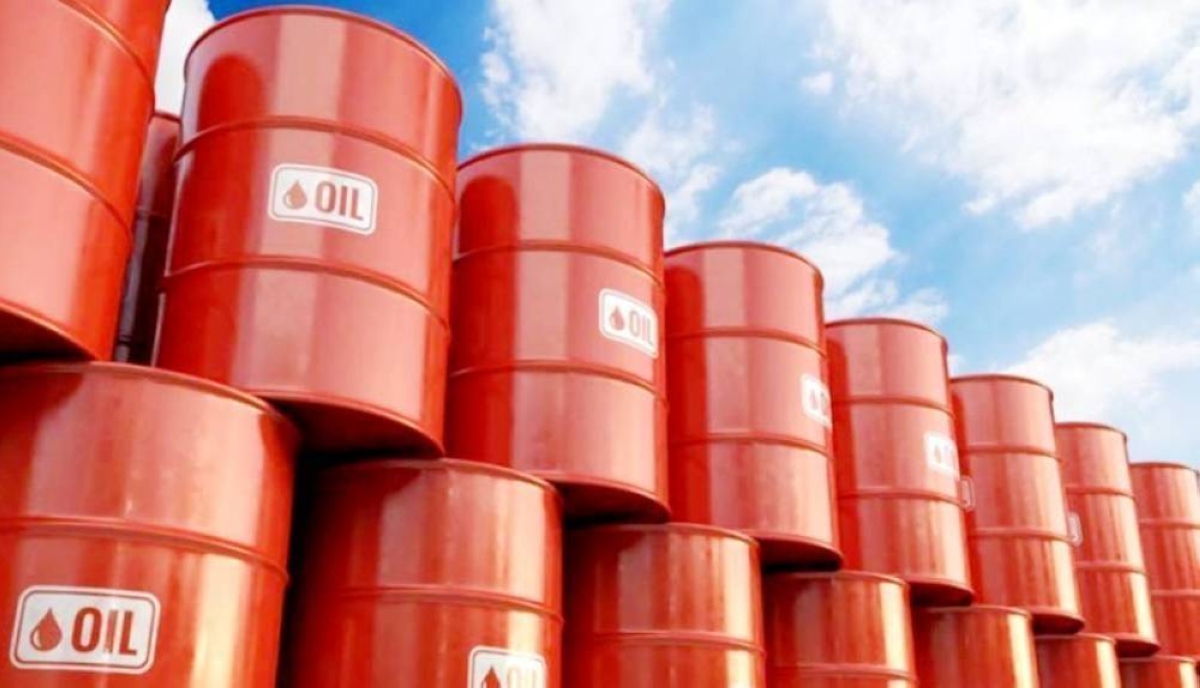
ارتفعت أسعار النفط عند التسوية، مدعومة بتخفيضات في صادرات الوقود نتيجة اضطرابات في البنية التحتية للطاقة، مع توقعات بتحقيق الخامين القياسيين أكبر مكاسب أسبوعية منذ منتصف يونيو الماضي.
وزادت العقود الآجلة لخام برنت بمقدار 71 سنتا، ما نسبته 1.02%، ليصل إلى 70.13 دولار للبرميل، وسجل مكاسب أسبوعية بنسبة 5.17%. وارتفعت العقود الآجلة لخام غرب تكساس الوسيط الأمريكي بنسبة 1.14%، ما يعادل 74 سنتا، مسجلا 65.72 دولار للبرميل.
وقال خبير في أسواق النفط بإحدى الشركات العالمية جون كيلدوف: إن الأسواق تواصل التركيز على الوضع بين روسيا وأوكرانيا، لافتا بقوله: بدأت هجمات الطائرات المسيّرة التي تشنّها أوكرانيا في التزايد. وأضاف رئيس إحدى الشركات النفطية آندرو ليبو: إن الرئيس ترمب يواصل الضغط على حلفاء الولايات المتحدة لخفض الواردات الروسية. وبين قائلا: قد نرى الهند وتركيا تقلصان بعض وارداتهما من روسيا.
اتفاق مؤقت
من جهتها، أوضحت وزارة النفط العراقية أن النفط الخام تدفّق عبر خط أنابيب من إقليم كردستان شبه المستقل بشمال العراق إلى تركيا لأول مرة منذ عامين ونصف العام، بعد اتفاق مؤقت أنهى الجمود. ووفقا لبيان الوزارة، بدأ الضخ الساعة السادسة صباحا بالتوقيت المحلي (03:00 بتوقيت غرينتش). وأضافت الوزارة: «انطلقت عمليات التشغيل عند الساعة السادسة صباحا بوتيرة عالية وانسيابية تامة من دون تسجيل أي مشكلات فنية تُذكر».
حظر روسي
وقال وزير النفط العراقي حيان عبدالغني: «إن الاتفاق بين الحكومة الاتحادية العراقية وحكومة إقليم كردستان ومنتجي النفط الأجانب العاملين في الإقليم، سيشهد تدفق ما بين 180-190 ألف برميل يوميا من النفط إلى ميناء جيهان التركي.
وكان نائب رئيس الوزراء الروسي ألكسندر نوفاك، قد قال أخيرا: إن روسيا ستفرض حظرا جزئيا على صادرات الديزل حتى نهاية العام، وستمدد الحظر القائم على صادرات البنزين. وتواجه عدة مناطق روسية نقصا في بعض أنواع الوقود بسبب انخفاض القدرة على تكرير النفط.
Oil prices rose at settlement, supported by cuts in fuel exports due to disruptions in energy infrastructure, with expectations that the two benchmark crudes will achieve their largest weekly gains since mid-June.
Brent crude futures increased by 71 cents, or 1.02%, reaching $70.13 per barrel, and recorded a weekly gain of 5.17%. Meanwhile, U.S. West Texas Intermediate crude futures rose by 1.14%, equivalent to 74 cents, settling at $65.72 per barrel.
John Kilduff, an expert in oil markets at a global company, stated that the markets continue to focus on the situation between Russia and Ukraine, noting that: "Ukrainian drone attacks have been increasing." Andrew Lipow, the head of an oil company, added that President Trump continues to pressure U.S. allies to reduce Russian imports. He mentioned: "We may see India and Turkey reduce some of their imports from Russia."
Temporary Agreement
For its part, the Iraqi Ministry of Oil clarified that crude oil flowed through a pipeline from the semi-autonomous Kurdistan region in northern Iraq to Turkey for the first time in two and a half years, following a temporary agreement that ended the stalemate. According to the ministry's statement, pumping began at 6 AM local time (03:00 GMT). The ministry added: "Operations commenced at 6 AM at a high pace and with complete smoothness, without any significant technical issues reported."
Russian Ban
Iraqi Oil Minister Hayyan Abdul-Ghani stated: "The agreement between the Iraqi federal government, the Kurdistan Regional Government, and foreign oil producers operating in the region will see the flow of between 180,000 to 190,000 barrels per day of oil to the Turkish port of Ceyhan.
Recently, Russian Deputy Prime Minister Alexander Novak stated that Russia will impose a partial ban on diesel exports until the end of the year and will extend the existing ban on gasoline exports. Several Russian regions are facing shortages of certain types of fuel due to reduced refining capacity.