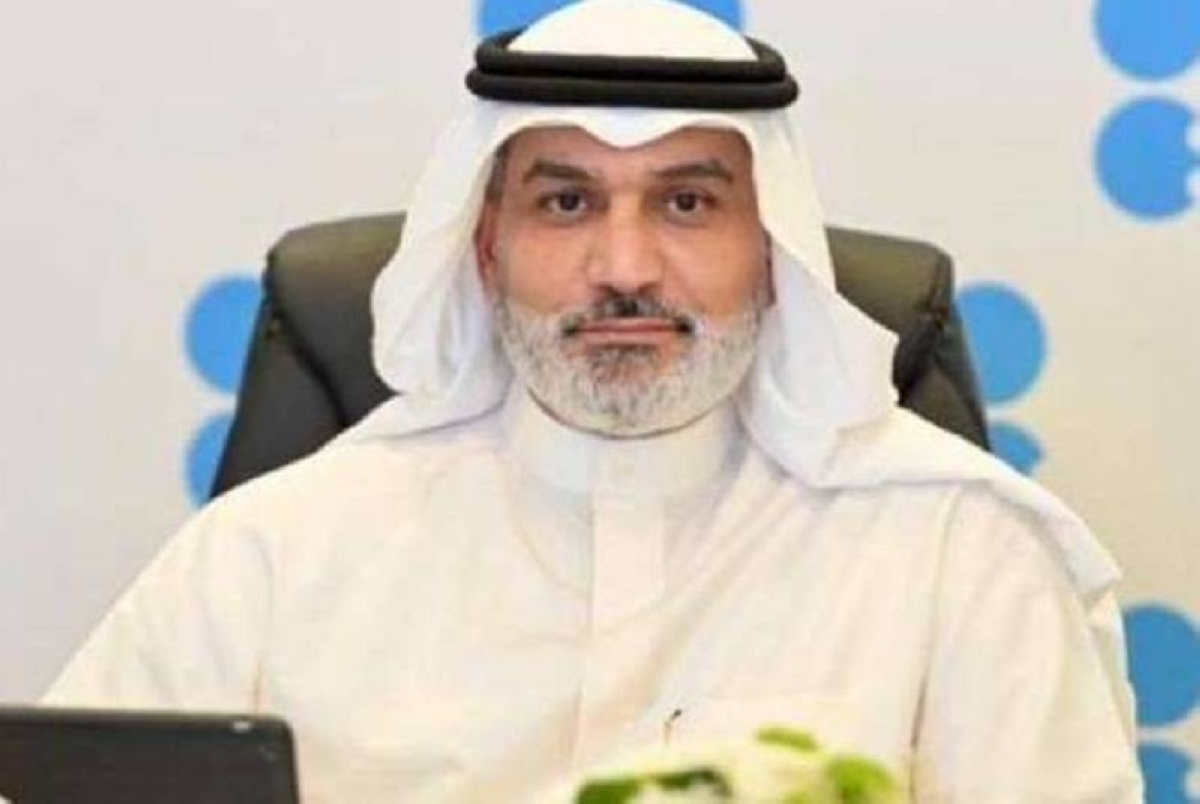
أكد أمين عام منظمة الدول المصدرة للنفط «أوبك»، هيثم الغيص، أن استقرار سوق النفط ليس رفاهية بل ضرورة حتمية، مشدداً على أن النفط يعد عنصراً أساسياً في تفاصيل الحياة اليومية، وأن غيابه يؤدي إلى شلل في وسائل النقل وتأثر قطاعات الطيران والبناء والزراعة والإنتاج الغذائي والصحة، فضلاً عن تعطّل شريان الاقتصاد العالمي بأكمله.
وفي تصريحاته، بمناسبة الذكرى الخامسة والستين لتأسيس أوبك، أوضح الغيص، أن المنظمة ستظل ركيزة أساسية للاستقرار وعنصراً محورياً في صناعة الطاقة، وصوتاً معبّراً عن أهمية النفط للعالم اليوم وغداً، معرباً عن تطلعه إلى مستقبل تبقى فيه «أوبك» شريكاً رئيسياً في مشهد الطاقة العالمي لعقود قادمة.
شراكات واسعة
وأضاف، أن المنظمة، التي تضم اليوم 12 دولة، أصبحت كياناً راسخاً ومعترفاً به في المجتمع الدولي منذ تسجيلها في الأمم المتحدة عام 1962، مشيراً إلى أن «أوبك» رسخت خلال العقود الماضية شراكات واسعة من خلال حوارات للطاقة مع كبار المستهلكين والمنتجين غير الأعضاء والمنظمات الدولية، كما شاركت في جميع مؤتمرات المناخ منذ انطلاقتها.
وأشار الغيص إلى أن دور المنظمة تعزز بشكل أكبر في عام 2016، من خلال توقيع «إعلان التعاون» (أوبك+) مع عدد من المنتجين من خارجها، وهو الاتفاق الذي أسهم في تمكين صناعة النفط والاقتصاد العالمي من تجاوز التداعيات الناجمة عن جائحة «كوفيد 19».
وأكد، أن النفط سيظل جزءاً لا غنى عنه من منظومة الطاقة العالمية، مستشهداً بتوقعات «آفاق النفط العالمية 2025»، التي تشير إلى ارتفاع الطلب إلى نحو 123 مليون برميل يومياً بحلول عام 2050، مدفوعاً بزيادة عدد السكان والنمو الاقتصادي، مشدداً على أن تحقيق أمن الطاقة العالمي لا يمكن أن يتم من دون النفط..
تحقيق التوازن
ولفت إلى أن استمرار معاناة مليارات الأشخاص في العالم النامي من فقر الطاقة يستدعي النظر في كيفية تحقيق النمو بطريقة مستدامة تعتمد على مختلف مصادر الطاقة، مع ضرورة تحقيق التوازن بين متطلبات رفاهية الإنسان والتنمية الاقتصادية والحفاظ على البيئة، مؤكداً أن «أوبك» منذ تأسيسها عام 1960 لا تزال متمسكة بنهج واقعي ومسؤول يضع استقرار السوق في صدارة أولوياتها.
وشدد الغيص على أن التاريخ والتجارب والطلب المتزايد على النفط يؤكد أن الأحاديث حول تراجع دور «أوبك» أو اقتراب «ذروة النفط» ليست سوى مبالغات، مشيداً بإنجازات المنظمة خلال مسيرتها.
The Secretary General of the Organization of the Petroleum Exporting Countries (OPEC), Haitham Al-Ghais, confirmed that the stability of the oil market is not a luxury but a necessity, emphasizing that oil is an essential element in the details of daily life, and its absence leads to paralysis in transportation and affects the aviation, construction, agriculture, food production, and health sectors, in addition to disrupting the entire global economy.
In his statements on the occasion of the 65th anniversary of OPEC's founding, Al-Ghais clarified that the organization will remain a fundamental pillar for stability and a key player in the energy industry, as well as a voice expressing the importance of oil to the world today and tomorrow, expressing his hope for a future where OPEC remains a major partner in the global energy landscape for decades to come.
Broad Partnerships
He added that the organization, which today includes 12 countries, has become a solid and recognized entity in the international community since its registration with the United Nations in 1962, noting that OPEC has established broad partnerships over the past decades through energy dialogues with major consumers, non-member producers, and international organizations, and has participated in all climate conferences since its inception.
Al-Ghais pointed out that the organization's role was further enhanced in 2016 through the signing of the "Declaration of Cooperation" (OPEC+) with several producers outside the organization, an agreement that contributed to enabling the oil industry and the global economy to overcome the repercussions of the COVID-19 pandemic.
He affirmed that oil will remain an indispensable part of the global energy system, citing the "World Oil Outlook 2025" forecasts, which indicate that demand will rise to about 123 million barrels per day by 2050, driven by population growth and economic development, stressing that achieving global energy security cannot be done without oil..
Achieving Balance
He noted that the continued suffering of billions of people in the developing world from energy poverty calls for consideration of how to achieve growth in a sustainable manner that relies on various energy sources, while ensuring a balance between the requirements of human welfare, economic development, and environmental preservation, emphasizing that OPEC, since its establishment in 1960, has remained committed to a realistic and responsible approach that prioritizes market stability.
Al-Ghais stressed that history, experience, and the increasing demand for oil confirm that discussions about the decline of OPEC's role or the approach of "peak oil" are mere exaggerations, praising the organization's achievements throughout its journey.