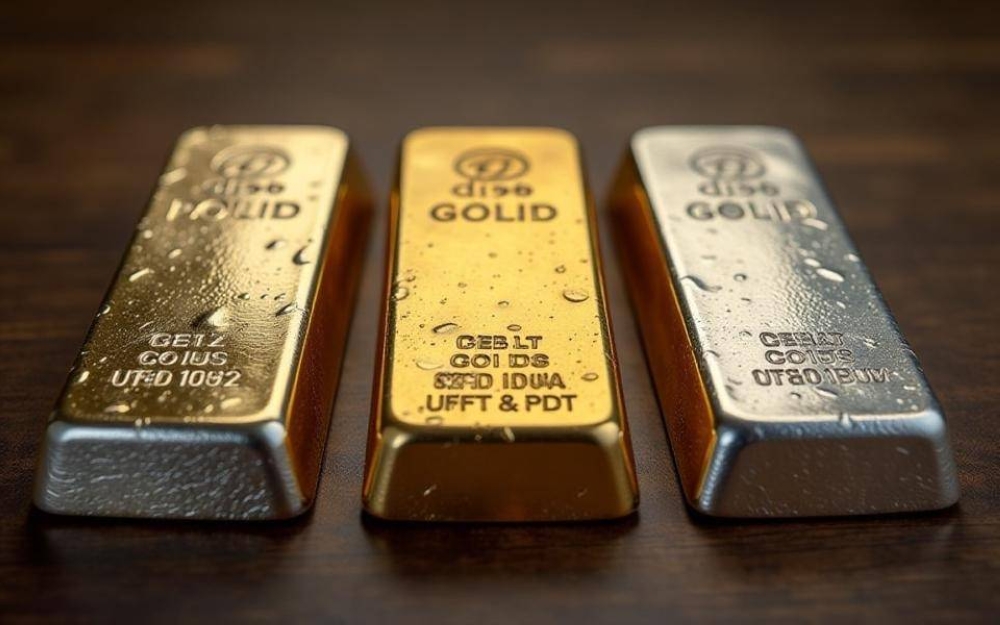
توقع محللو المعادن الثمينة في البنك الدولي، ارتفاعاً ملحوظاً في أسعار الذهب خلال الـ18 شهراً القادمة، وفقاً لتقرير نشره موقع «كيتكو» المتحصص في الذهب، ومن المتوقع أن يواصل الفضة والبلاتين قوتهما الحالية حتى عام 2026.
وأشار التقرير إلى أن أسعار المعادن الثمينة سجلت مستويات قياسية خلال النصف الأول من عام 2025، مدعومة بزيادة بنسبة 20% في عام 2024.
وقاد الذهب هذا الارتفاع، حيث اقترب من أعلى مستوياته التاريخية في منتصف يونيو، وسط تصاعد التوترات الجيوسياسية وعدم اليقين الاقتصادي.
كما شهدت أسعار الفضة والبلاتين ارتفاعات كبيرة، مع توقعات باستمرار الأسعار المرتفعة خلال عامي 2025 و2026.
وارتفع سعر الذهب بنحو 25% في النصف الأول من عام 2025، مدفوعاً بالطلب القوي وسط حالة عدم اليقين السياسي والتوترات الجيوسياسية المتزايدة.
وسجل الطلب الاستثماري أعلى مستوياته منذ عام 2022، بفضل التدفقات الكبيرة إلى صناديق الذهب المتداولة في البورصة خلال الربع الأول من 2025، كما استمرت مشتريات البنوك المركزية في دعم الأسعار كجزء من إستراتيجيات إدارة الاحتياطيات.
ويتوقع البنك الدولي ارتفاع أسعار الذهب بنسبة 35% على أساس سنوي في 2025، مع تراجع طفيف في 2026 مع انحسار بعض حالات عدم اليقين. ومن المتوقع أن تظل الأسعار مرتفعة بشكل كبير، بنحو 150% فوق متوسط الفترة بين 2015 و2019، حتى 2026. وتشير التوقعات إلى مخاطر تصاعدية محتملة نتيجة استمرار التوترات الجيوسياسية.
فيما حافظت الفضة على أدائها القوي في عام 2024، حيث ارتفعت أسعارها بنحو 20% في النصف الأول من 2025.
ورغم ذلك، أشار المحللون إلى أن نسبة سعر الذهب إلى الفضة استمرت في الارتفاع، متجاوزة متوسطها خلال العشر سنوات الماضية، نتيجة الطلب الأقوى على الذهب كملاذ آمن.
ويتوقع البنك الدولي استمرار الطلب القوي على الفضة، مدعوماً بدورها المزدوج كمكون صناعي واستثمار آمن.
ومن المتوقع أن يرتفع الإنتاج العالمي للفضة بشكل مطرد في 2025 بفضل زيادة إنتاج المناجم، بينما يظل إعادة التدوير، الذي يشكل حوالي 20% من الإمدادات العالمية، مستقراً بعد ارتفاع بنسبة 6% في 2024.
ومن المتوقع أن ترتفع أسعار الفضة بنسبة 17% في 2025، مع زيادة إضافية بنسبة 3% في 2026.
وشهد البلاتين ارتفاعاً بنحو 30% في النصف الأول من 2025، مسجلاً أعلى مستوى له منذ عقد.
ويعود هذا الارتفاع إلى تضييق العرض، حيث من المتوقع أن ينخفض إنتاج المناجم إلى أدنى مستوى له في خمس سنوات، ومن المتوقع أن تعوض زيادات طفيفة في إعادة التدوير جزءاً من النقص، بينما تنخفض المخزونات فوق الأرض بشكل حاد.
ورغم توقعات بانخفاض الطلب العالمي على البلاتين بسبب تراجع الطلب من قطاعي السيارات والصناعة، اللذين يمثلان ثلثي استهلاك البلاتين، فإن قيود العرض ستدعم الأسعار، ويتوقع البنك الدولي ارتفاع أسعار البلاتين بنسبة 10% في 2025، مع زيادة إضافية بنسبة 2% في 2026.
كما يتوقع البنك الدولي أن يسجل الذهب أعلى متوسط سنوي له على الإطلاق في 2025، كما ستظل الفضة تشهد طلباً قوياً يدفع أسعارها للارتفاع، بينما ستستمر ظروف العرض المحدود في دعم أسعار البلاتين.
ومع ذلك، قد تؤدي تصاعد التوترات العالمية إلى رفع أسعار الذهب أكثر من التوقعات الحالية، بينما قد يؤدي ضعف النشاط الصناعي إلى تقليص الطلب على الفضة والبلاتين وخفض أسعارهما عن التوقعات.
Analysts of precious metals at the World Bank expect a significant increase in gold prices over the next 18 months, according to a report published by the gold-focused website "Kitco." It is anticipated that silver and platinum will maintain their current strength until 2026.
The report indicated that precious metal prices reached record levels during the first half of 2025, supported by a 20% increase in 2024.
Gold led this increase, approaching its historical highs in mid-June amid rising geopolitical tensions and economic uncertainty.
Silver and platinum also experienced significant price increases, with expectations of continued high prices in 2025 and 2026.
The price of gold rose by about 25% in the first half of 2025, driven by strong demand amid political uncertainty and increasing geopolitical tensions.
Investment demand reached its highest levels since 2022, thanks to large inflows into gold exchange-traded funds during the first quarter of 2025. Central bank purchases continued to support prices as part of reserve management strategies.
The World Bank expects gold prices to rise by 35% year-on-year in 2025, with a slight decline in 2026 as some uncertainties subside. Prices are expected to remain significantly elevated, about 150% above the average for the period between 2015 and 2019, until 2026. Forecasts indicate potential upward risks due to ongoing geopolitical tensions.
Meanwhile, silver maintained its strong performance in 2024, with prices rising by about 20% in the first half of 2025.
However, analysts noted that the gold-to-silver price ratio continued to rise, exceeding its average over the past ten years, due to stronger demand for gold as a safe haven.
The World Bank expects strong demand for silver to continue, supported by its dual role as an industrial component and a safe investment.
Global silver production is expected to increase steadily in 2025 due to rising mine output, while recycling, which accounts for about 20% of global supplies, remains stable after a 6% increase in 2024.
Silver prices are expected to rise by 17% in 2025, with an additional 3% increase in 2026.
Platinum saw an increase of about 30% in the first half of 2025, reaching its highest level in a decade.
This increase is attributed to supply tightening, as mine production is expected to drop to its lowest level in five years. Slight increases in recycling are expected to offset part of the shortfall, while above-ground stocks are sharply declining.
Despite expectations of a decrease in global platinum demand due to reduced demand from the automotive and industrial sectors, which account for two-thirds of platinum consumption, supply constraints will support prices. The World Bank expects platinum prices to rise by 10% in 2025, with an additional 2% increase in 2026.
The World Bank also expects gold to record its highest annual average ever in 2025, while silver will continue to see strong demand driving its prices up, and limited supply conditions will continue to support platinum prices.
However, escalating global tensions may push gold prices higher than current expectations, while weak industrial activity may reduce demand for silver and platinum, lowering their prices below forecasts.