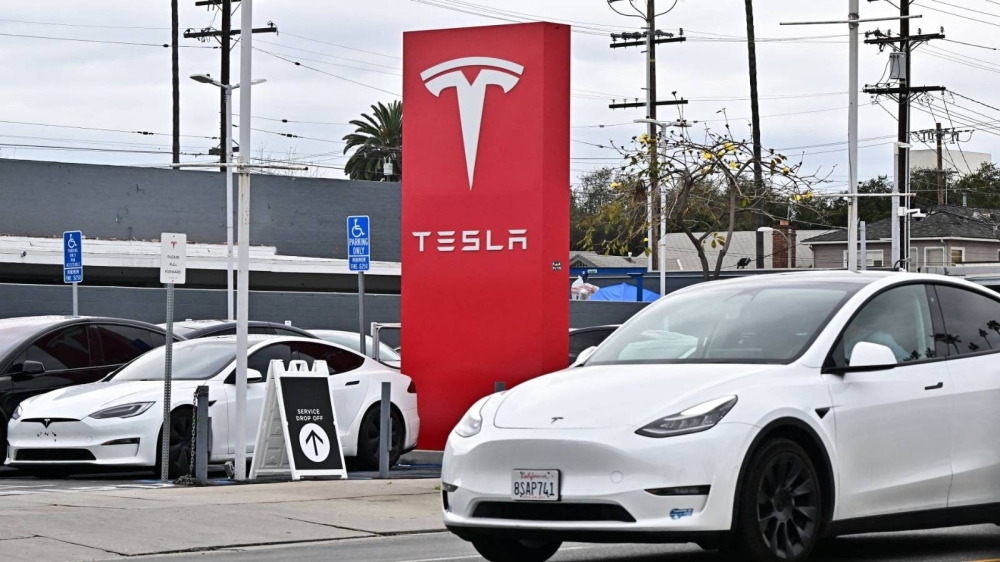
كشفت دراسة نشرتها الجمعية الأوروبية لمصنعي السيارات، تراجع مبيعات سيارات «تسلا» في أوروبا، رغم الطلب المتزايد على السيارات الكهربائية.
وأظهرت البيانات انخفاضًا ملحوظًا في مبيعات الشركة الأمريكية، في ظل صعود الشركات الصينية، خاصة PYD، التي تفوقت على «تسلا» لتكون خياراً رائداً للسيارات الكهربائية النقية في أبريل.
وسجلت مبيعات «تسلا» في أبريل 5,475 سيارة فقط، بانخفاض 52.6% مقارنة بالشهر نفسه من العام الماضي.
وعلى مدار الأشهر الأربعة الأولى من 2025، تراجعت مبيعات «تسلا» بنسبة 46.1% مقارنة بالفترة ذاتها من 2024، إذ بيعت 41,677 سيارة فقط.
وتتماشى هذه الأرقام مع بيانات سابقة أشارت إلى تراجع مبيعات «تسلا» في ألمانيا والمملكة المتحدة إلى أدنى مستوى لها منذ أكثر من عامين.
في المقابل، تفوقت الشركة الصينية PYD على «تسلا» في أبريل، إذ سجلت 7,231 سيارة كهربائية نقية مقابل 7,165 سيارة لـ«تسلا»، وفقًا لبيانات شركة جاتو دايناميكس للأبحاث السيارات.
كما شهدت علامات تجارية صينية أخرى، مثل نيو و إكسبنج، شعبية متزايدة في أسواق مثل إسبانيا وإيطاليا.
وأرجع بعض الخبراء تراجع مبيعات «تسلا» إلى التأخر في طرح النسخة المحدثة من طراز «Model Y» الشهير، الذي يُعد من أكثر السيارات الكهربائية مبيعًا في أوروبا.
فيما أشار آخرون إلى تأثير انخراط إيلون ماسك، الرئيس التنفيذي للشركة، في إدارة الرئيس الأمريكي دونالد ترمب، مما قد أثر على صورة العلامة التجارية في بعض الأسواق الأوروبية.
ومع ذلك، تظل العلامات الألمانية مثل مرسيدس و فولكسفاجن محتفظة بمكانتها القوية في السوق الألمانية.
وتشهد أوروبا طفرة في الطلب على السيارات الكهربائية، مدفوعة بتشريعات بيئية صارمة تهدف إلى تقليل الانبعاثات الكربونية، وتوسع في البنية التحتية لمحطات الشحن.
ومع ذلك، تكتسب الشركات الصينية حصة متزايدة من السوق بفضل أسعارها التنافسية وابتكاراتها التكنولوجية، فقد برزت PYD منافساً قويّاً، مدعومة باستثمارات ضخمة في البحث والتطوير، مما مكنها من تقديم سيارات كهربائية بجودة عالية وتكلفة منخفضة مقارنة بـ «تسلا».
وتواجه «تسلا» تحديات إضافية، بما في ذلك المنافسة المحتدمة من الشركات الأوروبية والصينية، وتأثير السياسات التجارية التي قد تفرض رسومًا إضافية على السيارات المستوردة من الولايات المتحدة.
كما أن التأخير في تحديث طرازاتها الرئيسية أثر على قدرتها على الحفاظ على زخم المبيعات في أسواق رئيسية مثل ألمانيا.
ولم يصدر تعليق رسمي من «تسلا» حول الانخفاض في المبيعات، لكن محللين في قطاع السيارات أشاروا إلى أن الشركة بحاجة إلى تسريع وتيرة الابتكار وتحسين استراتيجيات التسويق لاستعادة مكانتها.
من جانبها، أعربت PYD عن تفاؤلها بالسوق الأوروبية، مشيرة إلى خطط لتوسيع وجودها من خلال إنشاء مصانع محلية في دول مثل المجر.
ويتوقع المحللون استمرار نمو سوق السيارات الكهربائية في أوروبا، مع تزايد المنافسة بين الشركات الأوروبية والصينية.
وتسعى «تسلا» إلى استعادة زخمها من خلال طرح تحديثات لطراز Model Y وتوسيع شبكة مصانعها في أوروبا، بما في ذلك مصنع برلين، في المقابل، تعتزم PYD وغيرها من العلامات الصينية تعزيز استثماراتها؛ لتلبية الطلب المتزايد.
A study published by the European Automobile Manufacturers Association revealed a decline in sales of "Tesla" cars in Europe, despite the increasing demand for electric vehicles.
The data showed a significant drop in sales for the American company, amid the rise of Chinese companies, particularly PYD, which surpassed "Tesla" to become a leading choice for pure electric vehicles in April.
Sales of "Tesla" in April recorded only 5,475 cars, a decrease of 52.6% compared to the same month last year.
Throughout the first four months of 2025, "Tesla" sales fell by 46.1% compared to the same period in 2024, with only 41,677 cars sold.
These figures align with previous data indicating a decline in "Tesla" sales in Germany and the United Kingdom to their lowest level in over two years.
In contrast, the Chinese company PYD outperformed "Tesla" in April, recording 7,231 pure electric vehicles compared to 7,165 for "Tesla," according to data from Jato Dynamics automotive research.
Other Chinese brands, such as NIO and XPeng, have also seen increasing popularity in markets like Spain and Italy.
Some experts attributed the decline in "Tesla" sales to the delay in launching the updated version of the popular "Model Y," which is one of the best-selling electric cars in Europe.
Others pointed to the impact of Elon Musk's involvement, the company's CEO, in managing U.S. President Donald Trump's administration, which may have affected the brand's image in some European markets.
Nevertheless, German brands like Mercedes and Volkswagen maintain their strong position in the German market.
Europe is experiencing a surge in demand for electric vehicles, driven by strict environmental regulations aimed at reducing carbon emissions and an expansion in charging station infrastructure.
However, Chinese companies are gaining an increasing market share thanks to their competitive prices and technological innovations, with PYD emerging as a strong competitor, supported by massive investments in research and development, allowing it to offer high-quality electric vehicles at lower costs compared to "Tesla."
"Tesla" faces additional challenges, including fierce competition from European and Chinese companies, and the impact of trade policies that may impose additional tariffs on cars imported from the United States.
The delay in updating its main models has also affected its ability to maintain sales momentum in key markets like Germany.
No official comment has been issued by "Tesla" regarding the sales decline, but analysts in the automotive sector indicated that the company needs to accelerate innovation and improve marketing strategies to regain its position.
For its part, PYD expressed optimism about the European market, noting plans to expand its presence by establishing local factories in countries like Hungary.
Analysts expect the electric vehicle market in Europe to continue growing, with increasing competition between European and Chinese companies.
"Tesla" is seeking to regain its momentum by launching updates for the Model Y and expanding its factory network in Europe, including the Berlin factory, while PYD and other Chinese brands plan to boost their investments to meet the growing demand.