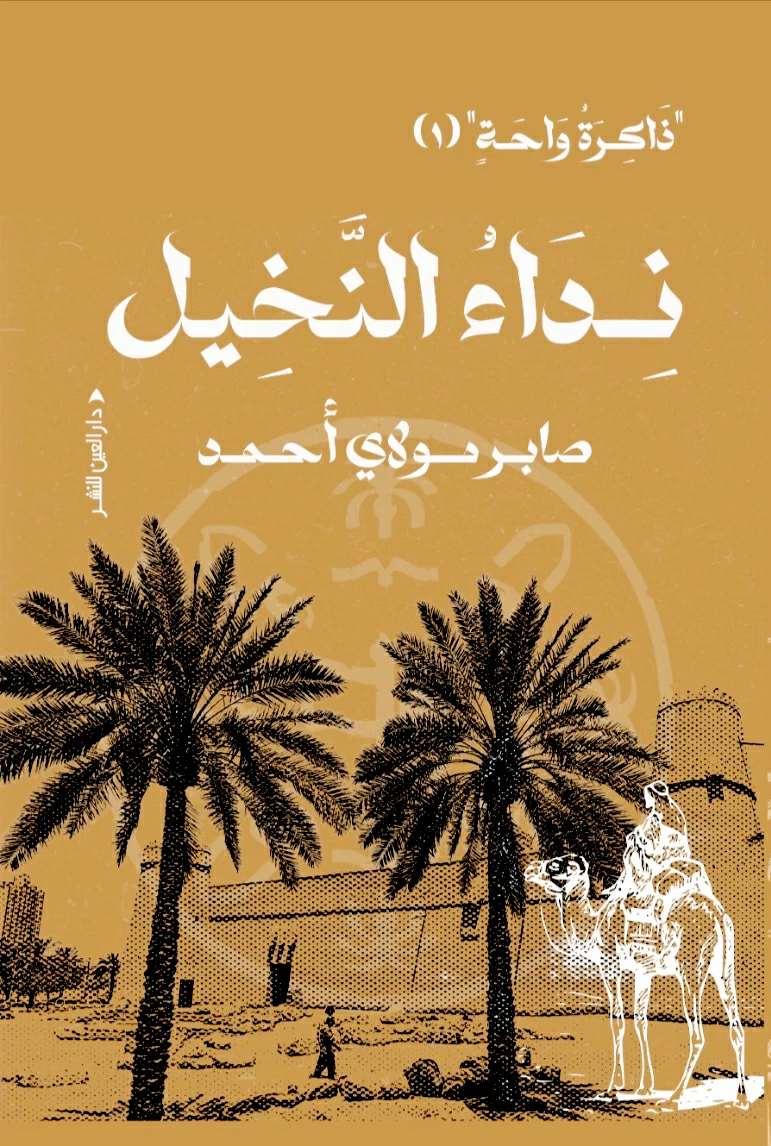
انطلق الكاتب المغربي صابر مولاي أحمد في كتابه الأحدث «ذاكرة واحة.. نداء النخيل» من قراءة إستراتيجية واعية للمنظومات البيئية، محاولاً ترميم ذاكرة الواحات من مغبة التغيّر المناخي والاحتباس الحراري وما ينتج عنهما من تصحر زاحف بالحفريات الثقافية، وقصد تعميم التحليل على فضاء كوني ليربط الواحة بالامتداد الواحاتي في العالم الإسلامي والإنساني، وعدّها خزان ذاكرة الإنسانية عبر العصور.
ويتقاطع مولاي أحمد مع الروائي إبراهيم الكوني في تناوله السردي للواحات، وعلاقة مجتمع الطوارق بها، وإن اشتغل برؤية أنثروبولوجية تؤصل للبعد الكوني للواحة، متجاوزاً النظرة الضيقة التي تحصر هذا المجال في مجرد بقعة جغرافية معزولة أو ظاهرة بيئية تخص جنوب المغرب.
والكتاب يطرح استنطاقاً معرفياً وحواراً فكرياً يؤنسن المكان ويناقش أزمة أخلاقية نتجت عن جشع الإنسان الحديث واستنزافه لموارد الواحة التي تمثل عبر التاريخ رافداً لما يسمى «الاقتصاد الدائري المستدام» والتعايش المتناغم مع الطبيعة، إذ طوّر الإنسان الواحاتي منظومة قيمية وأعرافاً صارمة تقدس الندرة، وتضبط استهلاك المياه، وتحمي الغطاء النباتي لتغدو «مؤشراً مناخياً عالمياً» وخط الدفاع الأول عن الكوكب، بحيث يكون الجفاف والقحط الذي يعصف بها في صمت بمثابة إنذار مبكر ومباشر للبشرية جمعاء، يحذرها من مآل التلاشي والزوال إذا ما استمر اختلال التوازن البيئي الكوني.
The Moroccan writer Saber Moulay Ahmed, in his latest book "Memory of the Oasis... The Call of the Palm Trees," embarks on a conscious strategic reading of ecological systems, attempting to restore the memory of oases from the repercussions of climate change and global warming, along with the resulting creeping desertification through cultural excavations. He aims to generalize the analysis to a universal space, linking the oasis to the extension of oases in the Islamic and human world, considering it a reservoir of human memory throughout the ages.
Moulay Ahmed intersects with the novelist Ibrahim al-Koni in his narrative approach to oases and the relationship of the Tuareg community with them, although he operates with an anthropological perspective that roots the universal dimension of the oasis, transcending the narrow view that confines this domain to merely an isolated geographical spot or an environmental phenomenon specific to southern Morocco.
The book presents a cognitive interrogation and a philosophical dialogue that humanizes the place and discusses an ethical crisis resulting from the greed of modern humanity and its depletion of the oasis resources, which have historically represented a source for what is called "sustainable circular economy" and harmonious coexistence with nature. The oasis-dwelling human has developed a value system and strict customs that sanctify scarcity, regulate water consumption, and protect vegetation cover, making it a "global climate indicator" and the first line of defense for the planet. Thus, the drought and aridity that silently ravage it serve as an early and direct warning to all humanity, alerting it to the fate of fading and extinction if the imbalance in the global ecological system continues.