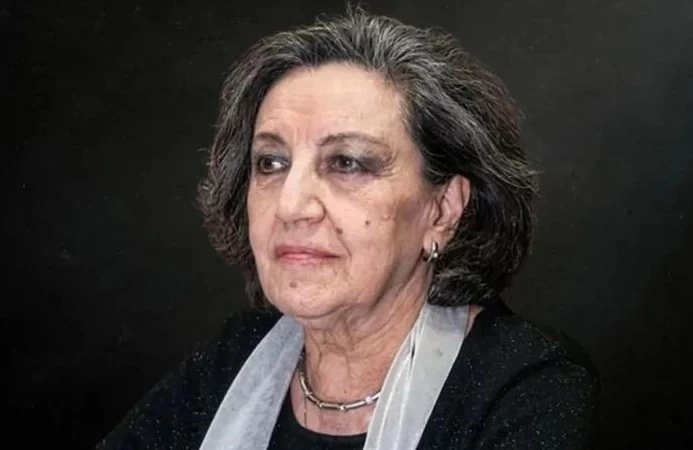
فقدت الساحة الثقافية العربية واحدة من أبرز رموزها، برحيل الأديبة والروائية السورية كوليت خوري، عن عمر ناهز 95 عاماً، بعد مسيرة إبداعية امتدت لعقود، أسهمت خلالها في ترسيخ ملامح الرواية الحديثة، وكسرت كثيراً من التابوهات الاجتماعية والفكرية.
جذور فكرية وبدايات مبكرة
وُلدت كوليت خوري في دمشق عام 1931، وسط بيئة سياسية وثقافية لافتة، فهي حفيدة السياسي السوري البارز فارس الخوري. درست الأدب الفرنسي في جامعة دمشق، وبدأت الكتابة في سن مبكرة، إذ لفتت الأنظار بجرأتها وطرحها المختلف لقضايا المجتمع.
«أيام معه».. رواية صنعت الجدل
شكّلت روايتها الشهيرة «أيام معه» (1959) نقطة تحول في مسيرتها، إذ أثارت جدلاً واسعاً لطرحها الصريح لمشاعر المرأة وحقها في الحب والاختيار، لتضع خوري في مقدمة الأصوات النسائية التي أعادت تعريف حضور المرأة في الأدب العربي.
أكثر من 30 عملاً.. صوت إنساني ووطني
واصلت خوري مسيرتها بأعمال مزجت بين البعد الإنساني والهم الوطني، وقدمت أكثر من 30 عملاً تنوعت بين الرواية والقصة والسيرة، من أبرزها: «أنا والمدى»، «ليلة واحدة»، «المرحلة المرة»، و«دمشق بيتي الكبير»، إلى جانب أعمال وثّقت فيها سيرة جدها، مثل «أوراق فارس الخوري».
أدب عابر للغات
كتبت خوري بالعربية والفرنسية والإنجليزية، ما أتاح لأعمالها الانتشار خارج العالم العربي، ووسّع دائرة تأثيرها، فيما تميزت كتاباتها بمزج الأسلوب الرومانسي الراقي مع معالجة واقعية لقضايا اجتماعية ووطنية معقدة.
بين الأدب والعمل العام
لم تقتصر تجربتها على الكتابة، بل امتدت إلى الحياة الأكاديمية والسياسية، إذ عملت في التدريس بجامعة دمشق، وشاركت في العمل البرلماني بعضوية مجلس الشعب السوري خلال تسعينيات القرن الماضي، في تجربة جمعت بين الفكر والإسهام العام.
تكريمات ونعي واسع
حصدت الراحلة تكريمات عدة، من أبرزها جائزة الدولة التقديرية في سورية عام 2024، تقديراً لإسهاماتها في إثراء الأدب العربي ودفاعها عن قضايا المرأة والحرية.
ونعى مثقفون وأدباء الراحلة بكلمات مؤثرة، مؤكدين أن رحيلها يمثل خسارة كبيرة للثقافة العربية. وقال الدكتور محمد الحوراني إن خوري لم تكن معنية بالأدب فقط، بل جمعت بين الفن والجمال والسياسة، وتميّزت بكبرياء الأديب الحقيقي الذي يرفض التبعية، فجاء أدبها صادقاً ومُنحازاً للقيم الإنسانية النبيلة.
The Arab cultural scene has lost one of its most prominent symbols with the passing of the Syrian writer and novelist Colette Khoury, at the age of 95, after a creative journey that spanned decades, during which she contributed to establishing the features of modern literature and broke many social and intellectual taboos.
Intellectual Roots and Early Beginnings
Colette Khoury was born in Damascus in 1931, amidst a remarkable political and cultural environment, as she is the granddaughter of the prominent Syrian politician Faris Khoury. She studied French literature at the University of Damascus and began writing at an early age, drawing attention with her boldness and her different approach to societal issues.
"Days with Him"… A Controversial Novel
Her famous novel "Days with Him" (1959) marked a turning point in her career, as it sparked widespread controversy for its candid portrayal of women's feelings and their right to love and choice, placing Khoury at the forefront of female voices that redefined women's presence in Arabic literature.
Over 30 Works… A Human and National Voice
Khoury continued her journey with works that blended human dimensions with national concerns, producing more than 30 works that varied between novels, short stories, and autobiographies, including notable titles such as "Me and the Horizon," "One Night," "The Bitter Phase," and "Damascus, My Great Home," alongside works documenting her grandfather's biography, such as "The Papers of Faris Khoury."
Literature Beyond Languages
Khoury wrote in Arabic, French, and English, allowing her works to spread beyond the Arab world and expanding her influence. Her writings were characterized by a blend of sophisticated romantic style with a realistic treatment of complex social and national issues.
Between Literature and Public Work
Her experience was not limited to writing; it extended to academic and political life, as she taught at the University of Damascus and participated in parliamentary work as a member of the Syrian People's Council during the 1990s, in an experience that combined thought and public contribution.
Honors and Widespread Mourning
The late writer received several honors, most notably the State Appreciation Award in Syria in 2024, in recognition of her contributions to enriching Arabic literature and her advocacy for women's issues and freedom.
Cultural figures and writers mourned the late author with touching words, affirming that her passing represents a significant loss for Arab culture. Dr. Mohammed Al-Hourani stated that Khoury was not only concerned with literature but also combined art, beauty, and politics, distinguished by the pride of a true writer who rejects subservience, making her literature sincere and aligned with noble human values.