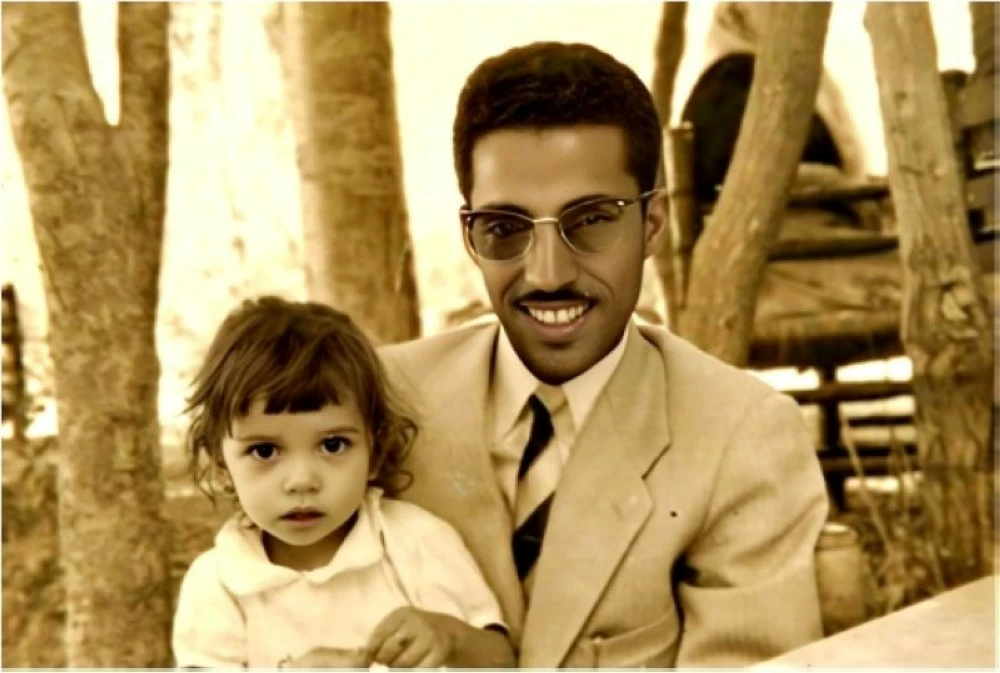
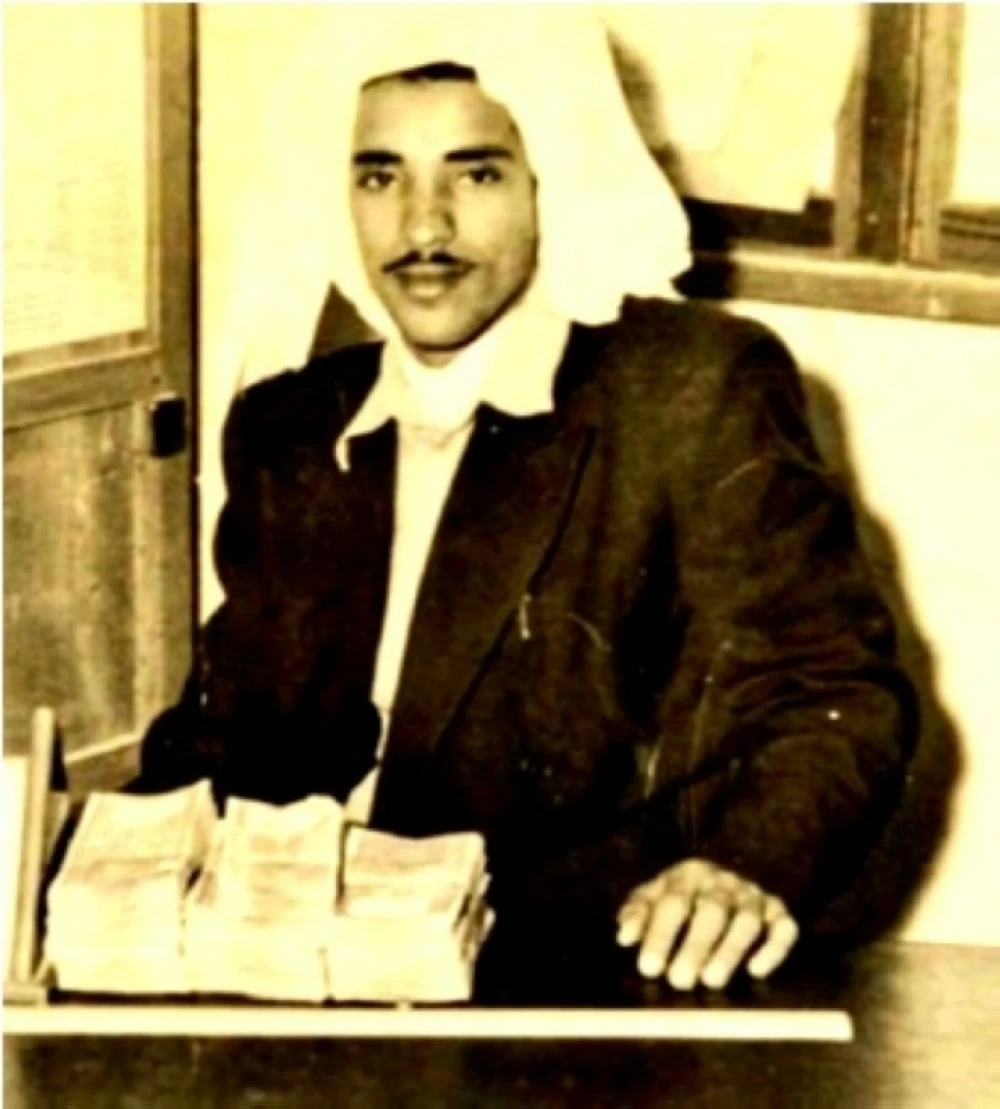
الكثيرون في الكويت يحتفظون بذاكرة حديدية تستطيع أن تروي آلاف القصص والحكايات والمواقف والمشاهد عن ماضي البلاد ورجالاتها وأحداثها وظروف الناس المعيشية ومواقفهم الإنسانية، قبل بدء عملية النهضة العمرانية والحضارية والانفتاح على الخارج منذ خمسينات القرن العشرين. أحد هؤلاء الذين عاش الماضي بصعوباته وقسوته وعاش الحاضر بترفه ونعيمه، وكان شاهداً على زمن الطيبين بعبقه وأريجه هو «عبدالرحمن الدعيج»، ابن المحسن الكبير «عبدالعزيز محمد الدعيج»، العلامة البارزة في البذل والعطاء ومساعدة الآخرين، وصاحب ماء السبيل المعروف الذي له اليوم من العمر نحو قرن ونصف القرن. والأخير، من ناحية أخرى، هو ابن عم للتاجر محمد العلي الدعيج مؤسس «سوق الدعيج التجاري» أو «سوق بن دعيج»، الذي يعود تاريخ تأسيسه إلى عام 1857، وكان مركزاً تجارياً مهماً يلبي احتياجات الناس المختلفة قديماً. كما أنه ابن عم للشيخ عبدالرحمن العلي الدعيج (1873 ــ 1963)، الذي كان من أوائل المعلمين في الكويت، ومن ضمن أول هيئة تدريس بالمدرسة المباركية سنة 1917، فتتلمذ على يديه العديد من رجالات الكويت المعروفين، وبعض شيوخ آل صباح الكرام، وتم تكريمه بإطلاق اسمه على مدرسة بمنطقة الصباحية عام 1963.
نخصص هذه المادة للحديث عن المحسن الدعيج، لنقف على آثاره وحكاية وقفه الخالد المتمثل في سبيل الماء المعروف، لأن الحديث عنه هو حديث عن شذرات من تاريخ الكويت الاجتماعية والاقتصادية والثقافية، ونستعين في ذلك بما رواه عنه ابنه عبدالرحمن بن عبدالعزيز الدعيج في المقابلات التي أجراها مع عدد من صحف الكويت، وتحديداً صحيفة «الأنباء» (28 سبتمبر 2013)، وصحيفة «الرأي» (7 مايو 2010).
وُلد «عبدالعزيز بن محمد بن عبدالمحسن بن عبدالرحمن بن احمد الدعيج» (لم نجد له صورة فوتوغرافية للأسف) في الشماسية بالقرب من مدينة عنيزة النجدية في عام 1840، وعمل لبعض الوقت في القصيم، قبل أن ينزح إلى الكويت مع والده وأعمامه وأخويه علي وعبدالمحسن.
في الكويت، درس بأحد كتاتيب البلاد القديمة، ثم دربه عمه على العمل التجاري، ففتح دكاناً له في «سوق بن دعيج» كان يبيع من خلاله الأرزاق والأغذية. حقق عبدالعزيز من وراء عمله التجاري نجاحاً كبيراً، وزادت ثروته تدريجياً، علماً بأن مؤسس «سوق بن دعيج» هو ابن عمه محمد العلي الدعيج، الذي اقتطع في بادئ الأمر غرفة من بيته واستخدمها دكاناً، فقلده آخرون وقاموا بافتتاح دكاكين من حوله إلى اليمين واليسار. وهكذا نشأ «سوق بن دعيج» الشهير في وقت مبكر من تاريخ الكويت في القرن التاسع عشر.
يخبرنا الابن عبدالرحمن، فيقول ما مفاده، إن والده عبدالعزيز كان يذهب إلى فُرضة الكويت لشراء الحنطة الواردة بحراً من العراق وإيران من الحاج صالح معرفي، وأنه أوصى ذات مرة على كمية كبيرة من الحنطة بسعر روبيتين ونصف للمنّ الواحد (المنّ من الأوزان القديمة في الخليج وتعادل 120 كيلوغراماً)، ثم حدث أن ارتفع السعر إلى أضعاف ذلك حتى وصل إلى 28 روبية للمنّ. لاحظ معرفي أن الدعيج لم يأتِ لأخذ بضاعته، فذهب إليه متسائلاً، فقال الدعيج كيف آخذها وقد ارتفع سعرها؟ لكن معرفي أصر أن يبيعه بالسعر المتفق عليه وهو روبيتان ونصف للمنّ. وهذا أحد الأمثلة الجميلة عما كان سائداً في مجتمعات الرعيل الأول من قيم ومبادئ.
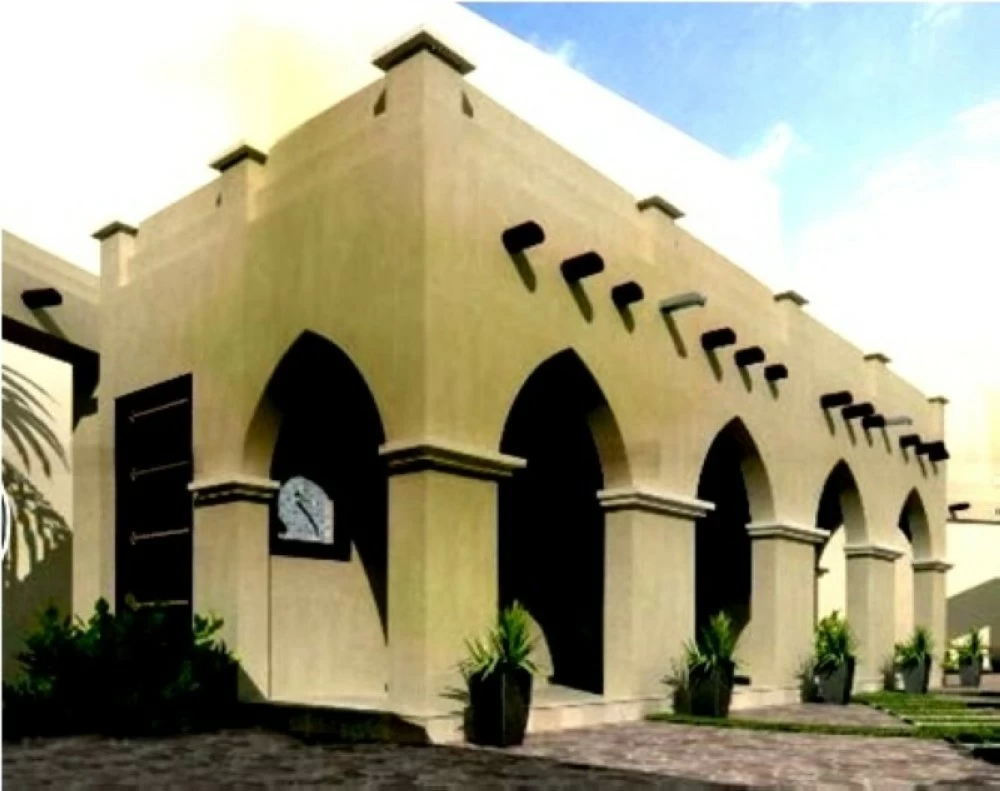
كانت فكرة بناء سبيل ماء قد طرأت على عبدالعزيز الدعيج منذ أن كان عمره 12 سنة، فنفذها لاحقاً بما أفاء الله عليه من نعمه وخيراته. حيث بدأ بوضع غرشتين (قارورتين) من مياه الأمطار أمام منزله للعطشى من المارة، ثم وضع بدلهما حِباً (الحب، بكسر الحاء وعاء فخاري كبير)، ثم توسع في الفكرة فبنى في «سوق بن دعيج» في العام 1876 أول وأقدم سبيل ماء في الكويت، وجعله وقفاً. سبيل الماء هذا كان نواة لسُبل أخرى موزعة على مواقع متفرقة في الكويت، ويبلغ عددها اليوم نحو 200 سبيل، بما فيها تلك الموجودة داخل المدارس والمستشفيات.
ويتذكر الابن عبدالرحمن أنه في إحدى زيارات الأمير الراحل الشيخ جابر الأحمد الجابر الصباح لديوانية الدعيج في شهر رمضان قال سموه إنه شرب من السبيل ذات مرة وكان معه أخوه الشيخ صباح الأحمد الصباح رحمهما الله.
بقدر حرصه على الإسهام في سد عطش المارة ومرتادي الأسواق، وكانوا كثراً يأتون من الصحارى في تلك الأيام، قام الدعيج بسد حاجات المعوزين، والإنفاق، بما رزقه الله، على المحتاجين. إلى ذلك كان حريصاً على تحقيق الوئام بين الناس، فكان يسارع إلى الصلح بينهم وإزالة خصوماتهم، حتى أصبح مشهوراً بين الناس بذلك، وكان حاكم الكويت آنذاك الشيخ سالم المبارك الصباح يستعين به في هذا الغرض. وقد جاء على ذكر ذلك الشيخ عبدالله النوري في كتابه «حكايات من الكويت»، ومما ذكره النوري أن اثنين من المتخاصمين حضرا ذات مرة إلى مجلس الشيخ سالم لحل خصومتهما، فلما عرف الشيخ أنهما من سكنة حي عبدالعزيز الدعيج، أحالهما إلى الدعيج للحكم بينهما. وعند حضور عبدالعزيز الدعيج لمجلس الشيخ سالم، قال له الشيخ: «لا يأتيني من عندك أحد، أنت افصل في خصوماتهم»، ثم قال للحضور: «إني أعرف أن عبدالعزيز الدعيج من المخلصين، وإخلاصه يأمره بالإصلاح، وهو شيخ صالح، وله مكانته في مجتمعه، ويحترمه الجميع، وهو قادر أن ينضم دائماً إلى المظلوم فيقوى به على أخذ حقه».
ومما قاله ابنه عبدالرحمن في معرض الحديث عن والده عبدالعزيز، أن الأخير كانت له أوقاف كثيرة، وأنه من ريع هذه الأوقاف كان ينفق على جميع أقاربه وأنسابه من آل دعيج، وعلى الفقراء والمحتاجين، وكان يقوم بتوزيع الطعام بكميات كبيرة، خصوصاً خلال شهر رمضان، إذ يتم مثلاً توزيع عشرة آلاف كيس من الأرز ومثلها من السكر، وآلاف العلب من السمن على الفقراء المتزاحمين على ديوان الدعيج.
وقبل وفاته رحمه الله في عام 1936، ترك المحسن عبدالعزيز الدعيج وصية شهد عليها الشيخ أحمد الجابر الصباح رحمه الله، حاكم الكويت في الفترة من 1921 إلى 1950، والشيخ عبدالله الجابر الصباح (رئيس المحاكم والمعارف آنذاك)، وحمد الخالد عميد عائلة الخالد المعروفة، والتاجر يوسف البدر، والوجيه المعروف هلال فجحان المطيري، والوجيه شملان بن علي، بينما تولى كتابة الوصية قاضي الكويت الشيخ عبدالله الخلف الدحيان.
تزوج الدعيج ثلاث مرات، وأنجب من زيجاته الثلاث عشرة أبناء ذكوراً وسبع بنات، وكانت زوجته الأولى قحطانية توفيت بعد أن أنجبت ستة أبناء، أما الأخيرة فهي والدة ابنه عبدالرحمن الذي أصبح لاحقاً وصياً على سبيل الماء والأوقاف الخيرية، وما تركه من عقارات بلغ عددها نحو أربعين عقاراً، قبل أن يسلم سُبل الماء إلى وزارة الأوقاف الكويتية لتفادي العبث بها.
تحدث عبدالرحمن الدعيج عن والدته فأخبرنا أنها تمتّ بصلة قرابة لزوجها عبدالعزيز الدعيج، وأنها تعلمت القراءة والكتابة والحديث والقرآن على يد والدها في مدينة بريدة السعودية قبل أن تحضر إلى الكويت مع أهلها، وبسبب عشقها للقراءة كوّنت لنفسها مكتبة قيمة أورثتها له. كما أخبرنا أن والدها (جد المترجَم له لأمه) كان من رجالات المغفور له الملك عبدالعزيز آل سعود طيب الله ثراه المرموقين، وأنها حجت 30 مرة، وكانت فقيهة وتقتدي بآداب الصحابيات الجليلات في سلوكها ولبسها وكلامها، وكانت على علاقة صداقة مع الأميرة هيا بنت تركي بن عبدالعزيز بن عبدالله بن تركي آل سعود، زوجة الملك الشهيد فيصل بن عبدالعزيز رحمه الله ووالدة صاحب السمو الملكي الأمير خالد الفيصل.
وأضاف الابن عبدالرحمن الدعيج، أنه حج سبع مرات مع والدته وأنهم كانوا يحجون مع الأميرة هيا ويقيمون في ضيافتها، وأنهم بقوا ذات مرة سنة كاملة في الحجاز، التحق هو أثناءها بمدرسة في مكة المكرمة.
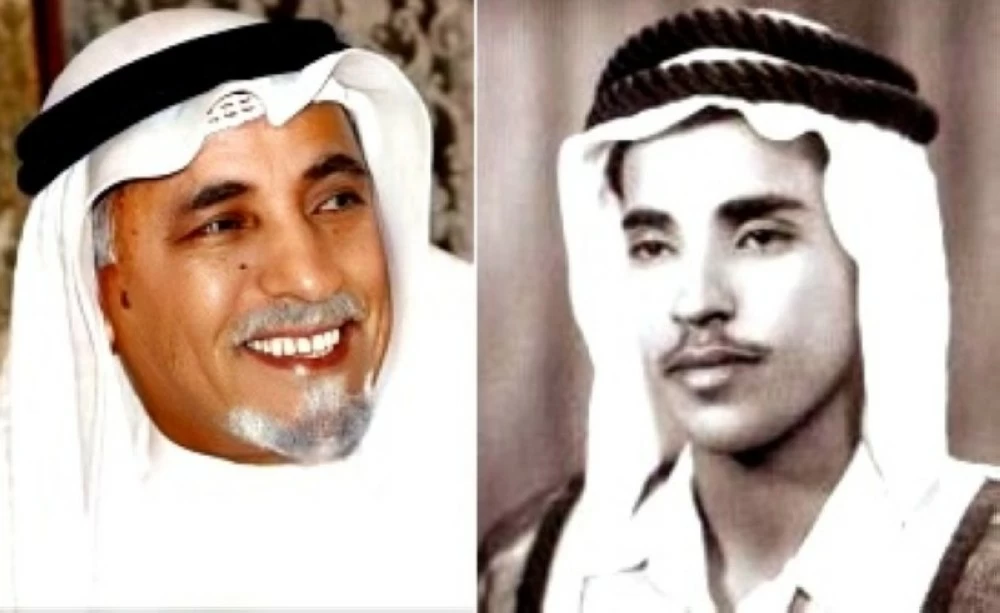
نأتي الآن على إيراد شيء من سيرة الابن عبدالرحمن بن عبدالعزيز الدعيج، الذي صار وصياً على سبيل الماء الأثري وأوقاف والده منذ عام 1960 خلفاً لأخيه صالح الذي أدار السبيل والأوقاف منذ عام 1929/1928، وُلد الدعيج الابن في منتصف ثلاثينات القرن العشرين في بيت الدعيج الكبير ذي المساحة الشاسعة (1,400 متر مربع)، والمحتوي على 26 غرفة على الأرض وست غرف على السطح. ويتذكر عبدالرحمن أن الحكومة أرادت أخذ المنزل بالتثمين، لكنه طلب منها أن يحوله إلى دكاكين فوافقت في عام 1963، «فقمتُ بهدم القديم وبنيت مكانه دكاكين جديدة»، ويضيف أن والده كان يملك 11 منزلاً و12 دكاناً بالقرب من برج التحرير الحالي، وأن الحكومة ثمنتها في عام 1956.
سوق العمل
دخل عبدالرحمن سوق العمل وقت أن كان عمره 15 سنة، فعمل كاتباً ومحاسباً لدى دائرة الأشغال زمن وزيرها الشيخ فهد السالم رحمه الله، براتب قدره 150 روبية شهرياً، وكان سبب ذلك أنه عاد من الحج متأخراً عن الدراسة، فتم فصله، وإبان عمله بدائرة الاشغال أعلنت دائرة المعارف عن افتتاح فصول دراسية مسائية دون دروس الموسيقى والرسم والتربية الرياضية، فانضم إليها بمدرسة بن رشيد في الفيحاء، وهو عمل شجعه عليه رئيسه في دائرة الأشغال محمد يوسف النصف برفع راتبه إلى الضعف. علاوة على ذلك درس عبدالرحمن حساب الغوص والمواد الدينية والفقهية لمدة عامين على يد الملا مرشد في مدرسته، ودرس اللغة الانجليزية على يد عبدالرحمن الرويح. بعد ذلك التحق بالمدرسة الأحمدية لدراسة المرحلة المتوسطة، وأعقبها بدراسة المرحلة الثانوية في ثانوية كيفان. وبعد تخرجه من الثانوية سافر إلى لبنان حيث نال دبلوم التجارة من المدرسة الدولية اللبنانية في منتصف الستينات تقريباً، ثم عاد للعمل بوزارة الأشغال العامة زمن وزيرها خالد العيسى الصالح القناعي، وتمّ تعيينه مسؤولاً مالياً عن الطرق وخصصوا له سيارة وسائقاً. واستمر كذلك إلى أن قدم استقالته سنة 1974.
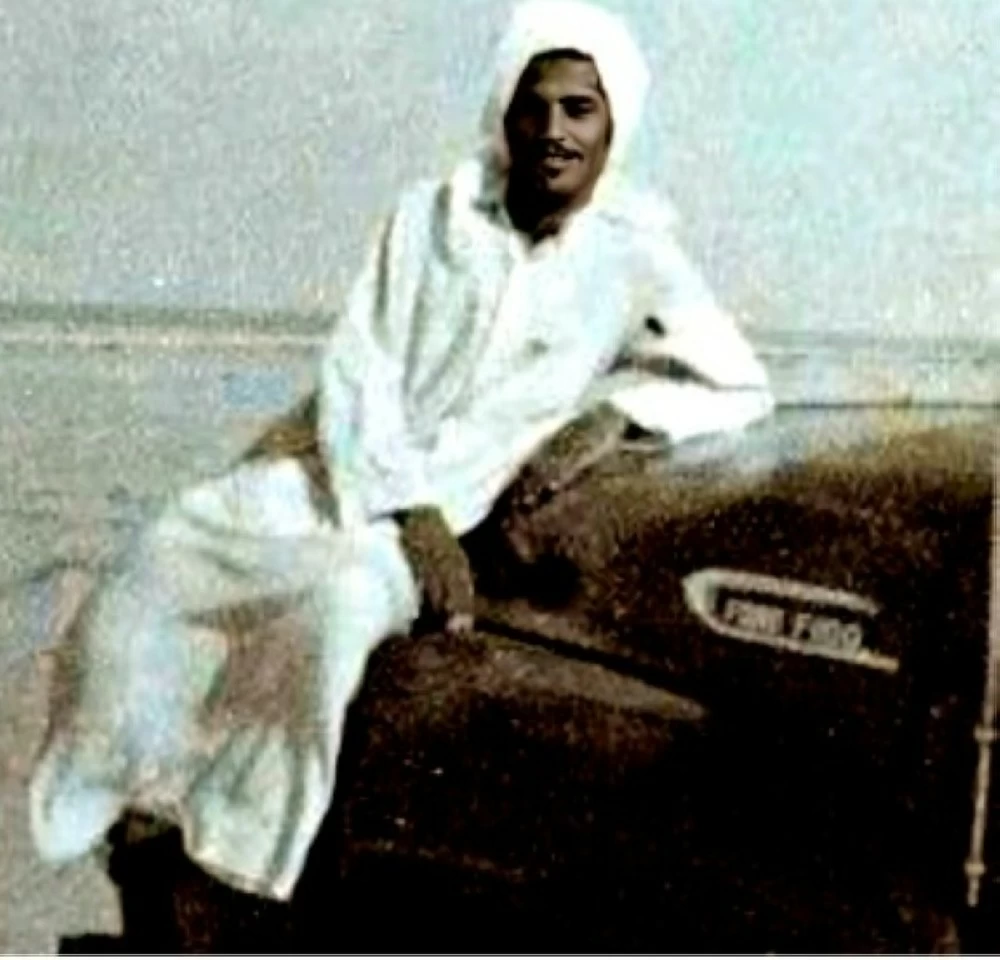
وأثناء وظيفته الحكومية وبعدها عمل صاحبنا في التجارة، وابتدأ بشراء أرض من عبدالله عبداللطيف العثمان بمبلغ 32 ألف روبية في منطقة خيطان، وباعها بعد شهرين بمبلغ 54 ألف روبية، وهو ما شجعه في سبعينات القرن العشرين على دخول مجال العقارات بيعاً وشراء ورهناً وعمولة، ومجال المقاولات والإنشاءات والوكالات. كما عمل في تأجير سيارات «الوانيت» مع سائقيها لوزارة الأشغال حينما نما إلى سمعه في عام 1956 أن الوزارة تدفع مقابل «الوانيت» الواحد مع السائق مبلغ 2,000 روبية.
أهله في السعودية
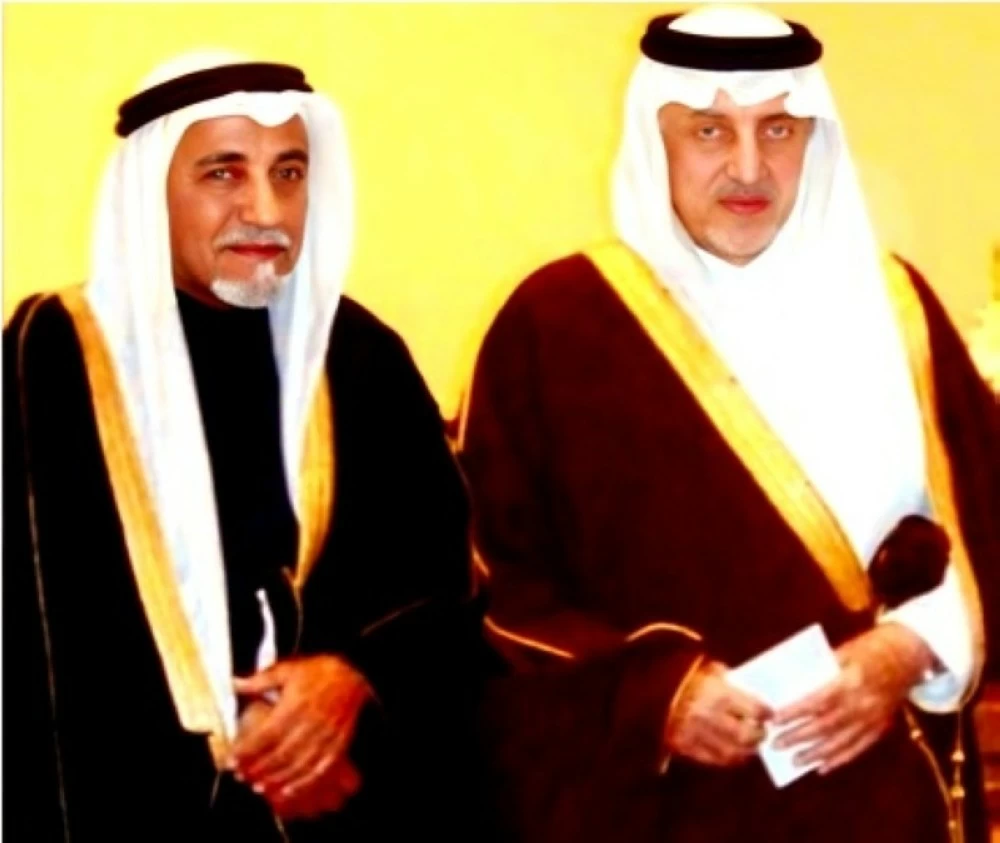
يقول عبدالرحمن، إن له أهلاً وأخوالاً في المملكة العربية السعودية لأن والدته من آل عبدالعالي، وإن أحد أحفاد خاله هو اللواء عبدالعزيز العبدالعالي الذي ساهم في تحرير الكويت ضمن الجيش السعودي، ويضيف أن صداقة وطيدة جمعته بسمو الأمير خالد الفيصل وشقيقه سمو الأمير سعد الفيصل منذ سنوات طفولتهم حينما كان هو ووالدته يذهبون للحج بمعية والدة سموهما الأمير هيا بنت تركي آل سعود. ويصف سمو الأمير خالد الفيصل بقوله: «لقد عايشت الأمير خالد عن قرب، وصدقني أني رأيت فيه أميراً بكل تصرفاته وأفعاله، وسيما الإمارة والعقل واضحة وظاهرة فيه منذ صغره حتى في لعبه، وكان يحب لعب كرة القدم جداً، وكان ذكياً وذا مزح أنيق ومهذب، كنت أرى ذلك في مزحه مع أفراد رجال القصر والحاشية».
Many people in Kuwait have a remarkable memory that can recount thousands of stories, tales, situations, and scenes about the country's past, its notable figures, events, living conditions, and humanitarian stances, before the onset of the urban and civilizational renaissance and opening up to the outside world since the 1950s. One of those who experienced the difficulties and harshness of the past and lived the luxury and bliss of the present, witnessing the era of the good people with its fragrance and aroma, is "Abdulrahman Al-Duaij," the son of the great benefactor "Abdulaziz Mohammed Al-Duaij," a prominent figure in giving and helping others, and the owner of the well-known waterway that is now about a century and a half old. On the other hand, he is a cousin of the merchant Mohammed Ali Al-Duaij, the founder of the "Al-Duaij Commercial Market" or "Souq Bin Duaij," which was established in 1857 and was an important commercial center that met the various needs of people in the past. He is also a cousin of Sheikh Abdulrahman Ali Al-Duaij (1873-1963), who was one of the first teachers in Kuwait and part of the first teaching staff at Al-Mubarakiya School in 1917, where many well-known figures of Kuwait were educated, including some of the honorable Al-Sabah Sheikhs. He was honored by having his name given to a school in the Al-Sabahiya area in 1963.
We dedicate this piece to talk about the benefactor Al-Duaij, to highlight his impacts and the story of his enduring endowment represented in the known waterway, as talking about him is a discussion about fragments of Kuwait's social, economic, and cultural history. We rely on what his son Abdulrahman bin Abdulaziz Al-Duaij narrated in interviews he conducted with several Kuwaiti newspapers, specifically "Al-Anbaa" (September 28, 2013) and "Al-Rai" (May 7, 2010).
"Abdulaziz bin Mohammed bin Abdulmohsen bin Abdulrahman bin Ahmed Al-Duaij" (unfortunately, we could not find a photograph of him) was born in Al-Shamasiah near the city of Unayzah in the Najd region in 1840. He worked for some time in Al-Qassim before migrating to Kuwait with his father, uncles, and his brothers Ali and Abdulmohsen.
In Kuwait, he studied in one of the old schools of the country and was then trained by his uncle in commercial work, opening a shop for himself in "Souq Bin Duaij," where he sold provisions and food. Abdulaziz achieved great success from his commercial work, and his wealth gradually increased, knowing that the founder of "Souq Bin Duaij" was his cousin Mohammed Ali Al-Duaij, who initially carved out a room from his house and used it as a shop, prompting others to follow suit and open shops around him. Thus, the famous "Souq Bin Duaij" emerged early in Kuwait's history in the 19th century.
His son Abdulrahman tells us that his father Abdulaziz used to go to the Kuwaiti port to buy wheat arriving by sea from Iraq and Iran from Hajj Saleh Marafi, and that he once ordered a large quantity of wheat at the price of two and a half rupees per "man" (the man is an old weight unit in the Gulf equivalent to 120 kilograms). Then it happened that the price rose to multiples of that until it reached 28 rupees per man. Marafi noticed that Al-Duaij had not come to take his goods, so he went to him asking, and Al-Duaij replied, "How can I take it when the price has risen?" But Marafi insisted on selling it to him at the agreed price of two and a half rupees per man. This is one of the beautiful examples of the values and principles that prevailed in the communities of the first generation.
The idea of building a waterway occurred to Abdulaziz Al-Duaij when he was 12 years old, and he later implemented it with the blessings and bounties that God bestowed upon him. He started by placing two jars (bottles) of rainwater in front of his house for the thirsty passersby, then replaced them with a large clay pot (Habb), and then expanded the idea by building the first and oldest waterway in Kuwait in "Souq Bin Duaij" in 1876, making it an endowment. This waterway became the nucleus for other waterways distributed across various locations in Kuwait, totaling about 200 waterways today, including those within schools and hospitals.
His son Abdulrahman remembers that during one of the visits of the late Prince Sheikh Jaber Al-Ahmad Al-Jaber Al-Sabah to the Al-Duaij Diwaniya during Ramadan, he mentioned that he drank from the waterway once when he was with his brother Sheikh Sabah Al-Ahmad Al-Sabah, may they both rest in peace.
As much as he was keen to contribute to quenching the thirst of passersby and market-goers, who were many coming from the deserts in those days, Al-Duaij also met the needs of the needy, spending what God had blessed him with on those in need. Additionally, he was keen on achieving harmony among people, hastening to reconcile them and remove their disputes, to the point that he became famous among people for that. The ruler of Kuwait at that time, Sheikh Salem Al-Mubarak Al-Sabah, used to seek his assistance for this purpose. Sheikh Abdullah Al-Nouri mentioned this in his book "Tales from Kuwait," noting that two disputants once came to Sheikh Salem's council to resolve their conflict, and when the Sheikh learned that they were from the neighborhood of Abdulaziz Al-Duaij, he referred them to Al-Duaij to judge between them. When Abdulaziz Al-Duaij attended Sheikh Salem's council, the Sheikh said to him: "No one should come to me from you; you settle their disputes," then he told those present: "I know that Abdulaziz Al-Duaij is one of the sincere, and his sincerity commands him to reconcile, he is a righteous Sheikh, has his place in his community, and is respected by all, and he is capable of always siding with the oppressed to help them obtain their rights."
Among the things his son Abdulrahman said while talking about his father Abdulaziz is that the latter had many endowments, and from the proceeds of these endowments, he used to spend on all his relatives and kin from the Al-Duaij family, as well as on the poor and needy. He used to distribute food in large quantities, especially during the month of Ramadan, where, for example, he would distribute ten thousand bags of rice and the same amount of sugar, and thousands of cans of ghee to the poor crowding at the Al-Duaij Diwaniya.
Before his death, may he rest in peace, in 1936, the benefactor Abdulaziz Al-Duaij left a will witnessed by Sheikh Ahmad Al-Jaber Al-Sabah, may he rest in peace, who ruled Kuwait from 1921 to 1950, Sheikh Abdullah Al-Jaber Al-Sabah (then head of the courts and education), Hamad Al-Khalid, the dean of the well-known Al-Khalid family, merchant Youssef Al-Badr, the notable Hilal Fajhan Al-Mutairi, and the notable Shumlan bin Ali, while the will was written by the Kuwaiti judge Sheikh Abdullah Al-Khalaf Al-Dhiyhan.
Al-Duaij married three times and had thirteen sons and seven daughters from his three marriages. His first wife was Qahṭani, who passed away after giving birth to six sons, while the last one is the mother of his son Abdulrahman, who later became the guardian of the waterway and charitable endowments, and what he left behind in real estate, which numbered about forty properties, before handing over the waterways to the Kuwaiti Ministry of Awqaf to prevent any tampering with them.
Abdulrahman Al-Duaij spoke about his mother, informing us that she was related to her husband Abdulaziz Al-Duaij, and that she learned reading, writing, speaking, and the Quran from her father in the city of Buraidah, Saudi Arabia, before coming to Kuwait with her family. Due to her love for reading, she built a valuable library that she bequeathed to him. He also informed us that her father (the grandfather of the translator on his mother's side) was one of the prominent figures of the late King Abdulaziz Al Saud, may God have mercy on him, and that she had performed Hajj 30 times, was knowledgeable, and adhered to the manners of the great female companions in her behavior, dress, and speech, and had a friendship with Princess Haya bint Turki bin Abdulaziz bin Abdullah bin Turki Al Saud, the wife of the martyr King Faisal bin Abdulaziz, may God have mercy on him, and the mother of His Royal Highness Prince Khalid Al-Faisal.
Son Abdulrahman Al-Duaij added that he performed Hajj seven times with his mother and that they used to perform Hajj with Princess Haya and stay as her guests, and that they once stayed for a whole year in Hijaz, during which he joined a school in Mecca.
Now we come to mention something about the biography of the son Abdulrahman bin Abdulaziz Al-Duaij, who became the guardian of the ancient waterway and his father's endowments since 1960, succeeding his brother Saleh, who managed the waterway and endowments since 1929/1928. The son Al-Duaij was born in the mid-1930s in the large Al-Duaij house, which has an area of 1,400 square meters and contains 26 rooms on the ground and six rooms on the roof. Abdulrahman remembers that the government wanted to take the house for valuation, but he requested to convert it into shops, and they agreed in 1963. "I demolished the old one and built new shops in its place," he adds that his father owned 11 houses and 12 shops near the current Liberation Tower, and that the government valued them in 1956.
Labor Market
Abdulrahman entered the labor market when he was 15 years old, working as a clerk and accountant at the Public Works Department during the time of its minister Sheikh Fahd Al-Salem, may he rest in peace, with a salary of 150 rupees per month. The reason for this was that he returned from Hajj late for school, so he was expelled. While working at the Public Works Department, the Education Department announced the opening of evening classes without music, drawing, and physical education lessons, so he joined them at Bin Rashid School in Al-Faiha. This was encouraged by his superior at the Public Works Department, Mohammed Youssef Al-Nasf, who raised his salary to double. Additionally, Abdulrahman studied diving calculations and religious and jurisprudential materials for two years under Mulla Murshid at his school and studied English under Abdulrahman Al-Ruwaih. After that, he joined Al-Ahmadi School for intermediate studies and followed it with secondary studies at Kifan Secondary School. After graduating from secondary school, he traveled to Lebanon, where he obtained a diploma in commerce from the Lebanese International School in the mid-1960s, then returned to work at the Ministry of Public Works during the time of its minister Khalid Al-Issa Al-Saleh Al-Qanai, and was appointed as the financial officer for roads, and they allocated him a car and a driver. He continued in that position until he resigned in 1974.
During his government job and afterward, our friend worked in trade, starting by purchasing land from Abdullah Abdulatif Al-Othman for 32,000 rupees in the Khaitan area, and sold it two months later for 54,000 rupees, which encouraged him in the 1970s to enter the field of real estate in buying, selling, mortgaging, and commission, as well as contracting and construction and agencies. He also worked in renting "pickup" cars with their drivers to the Ministry of Public Works when he heard in 1956 that the ministry was paying 2,000 rupees for each pickup with a driver.
His Relatives in Saudi Arabia
Abdulrahman says that he has relatives and uncles in the Kingdom of Saudi Arabia because his mother is from the Al-Abdulali family, and that one of his uncle's grandchildren is Major General Abdulaziz Al-Abdulali, who contributed to the liberation of Kuwait as part of the Saudi army. He adds that he had a strong friendship with His Highness Prince Khalid Al-Faisal and his brother His Highness Prince Saad Al-Faisal since their childhood when he and his mother used to go for Hajj with their mother, Her Highness Princess Haya bint Turki Al Saud. He describes His Highness Prince Khalid Al-Faisal by saying: "I have closely experienced Prince Khalid, and believe me, I saw in him a prince in all his actions and behaviors, the features of leadership and intellect were clear and evident in him from a young age, even in his play. He loved playing football very much, was intelligent, and had a charming and polite sense of humor, which I noticed in his jokes with the palace staff and entourage."