تحرص وزارة الثقافة على دعم وتمكين جمعية الأدب المهنية، لتؤدي أدوارها المهنية والتنظيمية في القطاع الأدبي. وفي ظل التحولات المتسارعة التي يشهدها المشهد الثقافي السعودي، تلح الحاجة إلى ترسيخ ممارسات أدبية مهنية تُواكب روح العصر وتحافظ -في الوقت ذاته- على القيم الجمالية والأخلاقية التي يتسم بها الأدب.
وبادرت جمعية الأدب إلى إنشاء دليل مهنيٍّ للأديب السعودي؛ يهدف إلى إرساء معايير واضحة ومتكاملة لممارسة العمل الأدبي بصورة مهنية تعكس تطور المشهد الثقافي في المملكة، ويسهم في تعزيز مكانة الأديب السعودي محليّاً ودوليّاً.
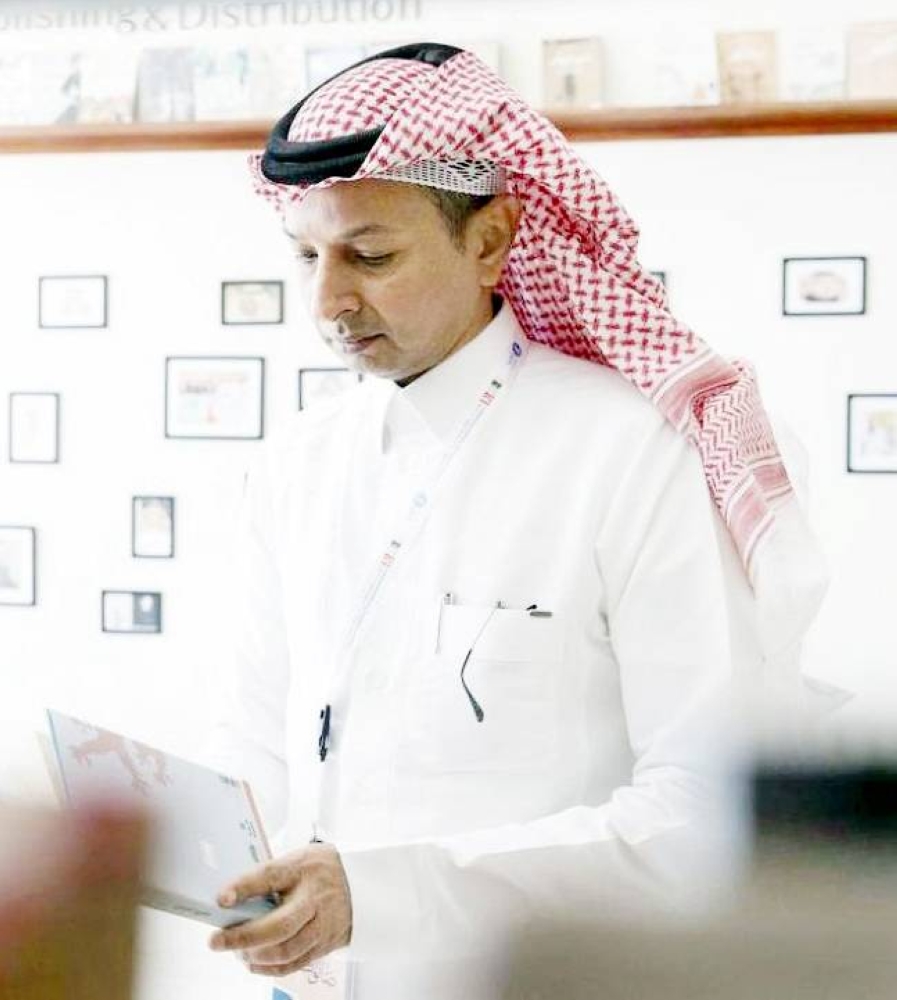
وعدّها الرئيس التنفيذي لجمعية الأدب عبدالله مفتاح، خطوة رائدة تخطوها الجمعية لبلورة إطار مرجعي للأديب السعودي، يحدد أدواره ومسؤولياته وحقوقه، ويعزز من مكانته ضمن الاقتصاد الإبداعي المتنامي، ويتواءم مع رؤية السعودية 2030، التي جعلت من الثقافة ركيزة أساسية في بناء مجتمع حيوي واقتصاد مزدهر، ويهدف -أيضاً- هذا الدليل إلى تمكين الأديب السعودي من أداء دوره؛ بوصفه فاعلاً ثقافيّاً يسهم في تشكيل الوعي وتعزيز الهوية الوطنية والانفتاح على العالم.
مؤكداً أن جمعية الأدب المهنية، ضبطت من خلال «داتا» مهنية تصنيف الأدباء وفق التخصصات، انطلاقًا من مسؤوليتها في تطوير البيئة المهنية للأدباء، وتقديم المرجع الذي يُعزّز الممارسات الاحترافية، ويحفظ الحقوق، ويُرسي القيم التي تُعلي من شأن الأدب بوصفه رسالة ومهنة، لافتاً إلى أن المعايير مستوحاة من القيم الإبداعية والمعايير المؤسسية في 18 دولة؛ منها: (الولايات المتحدة الأمريكية، فرنسا، بريطانيا، كندا، روسيا، الصين، اليابان، الأردن، الإمارات، إسبانيا، إيطاليا، البرتغال، ألمانيا، اليونان، تركيا، كوريا الجنوبية، الهند، مصر)، وفق أفضل الممارسات الإقليمية والعالمية، ليغدو مرجعاً رسميّاً يُشجَّع الأدباء في مختلف القطاعات الثقافية على الاسترشاد به في مسيرتهم الإبداعية.
يذكر أنّ الإطار المفاهيمي يشمل: تعريف الأديب المهني، وهوية وصفات وسمات الأديب المهني، ودوره، إضافةً إلى أخلاقيات المهنة الأدبية، والممارسة الأخلاقية الأدبية، وتطوير الأجيال الأدبية الجديدة، والتصنيف إطار تنظيمي مهم يهدف إلى تحديد المستويات المهنية للأدباء، وفق معايير دقيقة تأخذ بعين الاعتبار الخبرة، والإنتاج، والنشر، والتأثير الثقافي، والمشاركة في الفعاليات المحلية والدولية، وقياس الاحترافية والالتزام بالممارسات المهنية داخل القطاع الأدبي، ويُعد خطوة أساسية لتنظيم المهنة وربطها بسوق العمل الثقافي والمؤسسي.
The Ministry of Culture is keen to support and empower the Professional Literature Association, so that it can fulfill its professional and organizational roles in the literary sector. In light of the rapid transformations taking place in the Saudi cultural scene, there is a pressing need to establish professional literary practices that keep pace with the spirit of the times while simultaneously preserving the aesthetic and ethical values that characterize literature.
The Literature Association has initiated the creation of a professional guide for the Saudi writer; it aims to establish clear and comprehensive standards for practicing literary work in a professional manner that reflects the development of the cultural scene in the Kingdom and contributes to enhancing the status of the Saudi writer both locally and internationally.
The CEO of the Literature Association, Abdullah Muftah, considered it a pioneering step taken by the association to crystallize a reference framework for the Saudi writer, defining their roles, responsibilities, and rights, and enhancing their status within the growing creative economy. This aligns with Saudi Vision 2030, which has made culture a fundamental pillar in building a vibrant society and a prosperous economy. This guide also aims to empower the Saudi writer to perform their role as a cultural actor contributing to shaping awareness, enhancing national identity, and opening up to the world.
He emphasized that the Professional Literature Association has classified writers according to their specializations through a professional "data" system, stemming from its responsibility to develop the professional environment for writers, provide a reference that enhances professional practices, safeguards rights, and establishes values that elevate literature as both a message and a profession. He pointed out that the standards are inspired by creative values and institutional benchmarks in 18 countries, including: the United States, France, Britain, Canada, Russia, China, Japan, Jordan, the UAE, Spain, Italy, Portugal, Germany, Greece, Turkey, South Korea, India, and Egypt, according to the best regional and global practices, making it an official reference that encourages writers in various cultural sectors to consult it in their creative journey.
It is worth noting that the conceptual framework includes: defining the professional writer, the identity, characteristics, and traits of the professional writer, their role, in addition to the ethics of the literary profession, ethical literary practice, developing new literary generations, and classification. This organizational framework aims to determine the professional levels of writers according to precise standards that take into account experience, production, publication, cultural impact, participation in local and international events, and measuring professionalism and commitment to professional practices within the literary sector. It is considered a fundamental step in organizing the profession and linking it to the cultural and institutional job market.