قدّم الباحث عبدالعزيز القعيشيش معالجة أكاديمية جديدة لفن التفاوض، هذه المعالجة تتجاوز النظرة التقليدية التي تختزل التفاوض في كونه مجرد تقنية سياسية.
القعيشيش يرى أن التفاوض هو انعكاس فلسفي لصراع إنساني دائم بين العقل والعاطفة وبين المثالية والبراغماتية وبين الأخلاق والقوة.
في دراسته الأخيرة استحضر نماذج فلسفية كبرى من فكر كانط ومكيافيلي ونيتشه، لكنه لم يكتفِ بالإطار النظري بل وظّف هذه الرؤى في قراءة واقعية للتجربة السعودية.
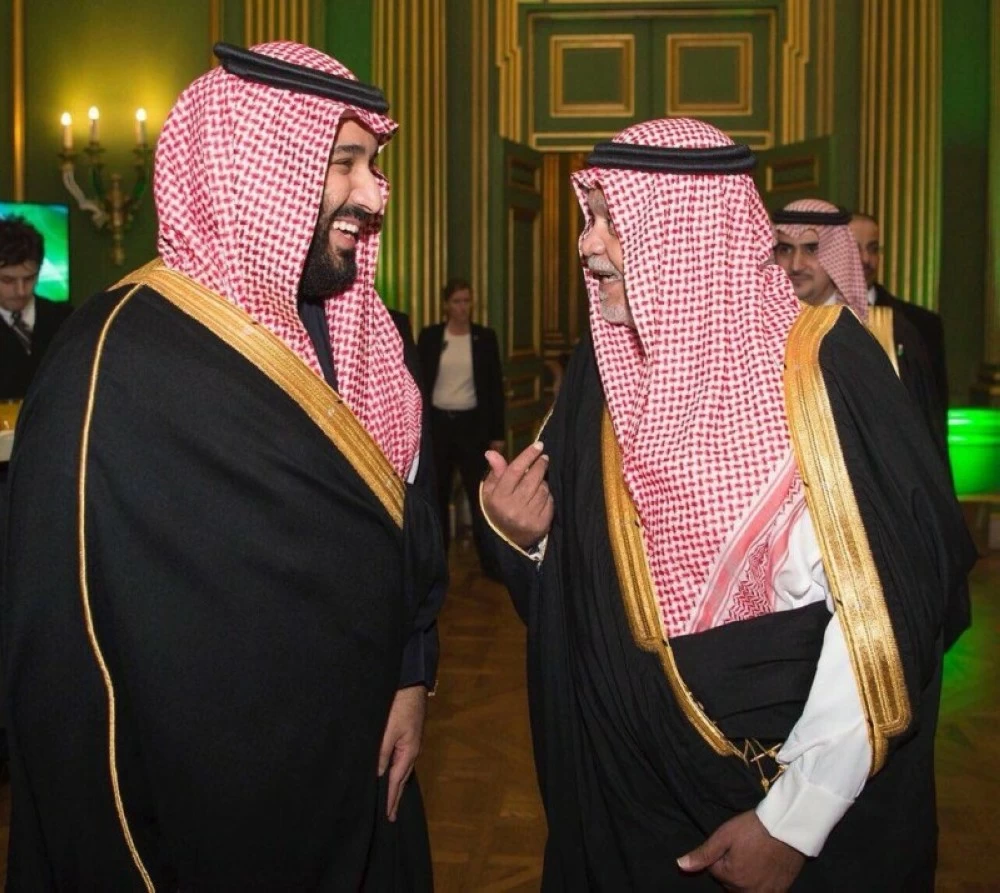
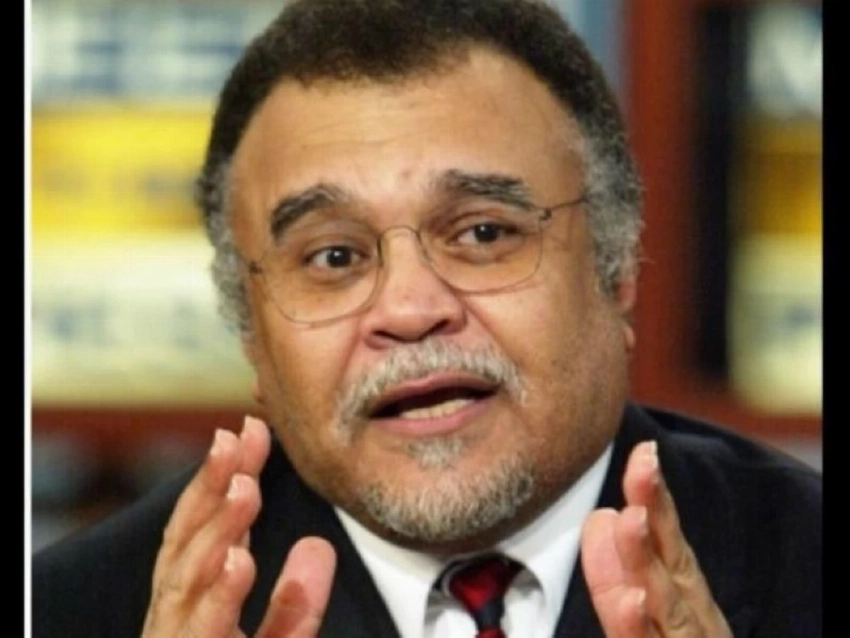
ولعل أبرز ما يميّز بحثه هو اعتماده على نموذج الأمير بندر بن سلطان حيث قدّم مثالاً حياً لعبقرية التفاوض السعودي على الساحة الدولية.
يُظهر القعيشيش أن فلسفة الأمير بندر تقوم على تحويل التناقضات إلى فرص وبناء التحالفات بدلاً من الاكتفاء بالمساومات.
وهكذا يؤكد القعيشيش أن للمملكة العربية السعودية مدرسة تفاوضية خاصة قوامها الحكمة والمرونة والصدق، مدرسة تستحق أن تُدرّس عالمياً كنموذج يجمع بين الأصالة والمعاصرة.
التفاوض: صراع بين المثالية والبراغماتية
يرى البحث أن التفاوض ليس مجرد وسيلة لإبرام الاتفاقيات، بل هو انعكاس لصراع دائم بين القيم المثالية مثل العدالة والشفافية والالتزام الأخلاقي، وبين البراغماتية القائمة على المرونة وتحقيق المصالح العملية. جوهر النجاح يكمن في الجمع بين الاثنين؛ خطاب مثالي يمنح الشرعية والاحترام، وقرارات واقعية تحقق النتائج.
الأمير بندر بن سلطان.. مدرسة سعودية في التفاوض
يضع البحث الأمير بندر بن سلطان كنموذج بارز لعبقرية التفاوض السعودي، إذ جمع بين القيم الوطنية والأخلاقية وبين البراغماتية السياسية.
• لعب دوراً محورياً في الحرب الباردة، وأزمة الخليج، واتفاق الطائف.
• وصفه قادة أمريكيون بأنه رجل «يعرف متى يضغط ومتى يلين».
• ترك إرثاً دبلوماسياً يمزج بين القوة الناعمة وبناء الثقة والبراغماتية السياسية، مما أسس مدرسة سعودية قائمة بذاتها.
صلح الحديبية: مرجعية إسلامية خالدة
يستحضر البحث صلح الحديبية كنموذج تاريخي لفن التفاوض، إذ مثّل؛
• مرونة إستراتيجية بقبول تنازلات مرحلية.
• اعترافاً متبادلاً بدولة المدينة الناشئة.
• التزاماً صارماً بالاتفاقيات عزّز المصداقية.
• تمهيداً لفتح مكة كنصر إستراتيجي.
ويقارن البحث هذا النموذج باتفاقيات حديثة مثل كامب ديفيد وأوسلو والاتفاق النووي الإيراني، ليؤكد أن جوهر التفاوض ثابت عبر العصور وضع نواته الرسول صلى الله عليه وسلم.
التفاوض متعدد الأطراف.. بين كانط ومكيافيلي ونيتشه
يحلل البحث التفاوض متعدد الأطراف باعتباره ساحة لتشابك القيم والمصالح؛
• كانط: الشرعية الأخلاقية.
• مكيافيلي: المصالح والتحالفات.
• نيتشه: إرادة القوة.
وتُظهر التجربة السعودية قدرتها على الموازنة بين هذه الأبعاد في ملفات الطاقة، والمناخ، والأمن الإقليمي.
التفاوض في عصر الذكاء الاصطناعي.. فن المرحلة القادمة
يخلص البحث إلى أن الذكاء الاصطناعي سيعيد تشكيل قواعد التفاوض، من خلال؛
• تحليل البيانات الضخمة والتنبؤ بسلوك الأطراف.
• المحاكاة لاختبار الإستراتيجيات.
• العقود الذكية عبر البلوك تشين.
• الواقع الافتراضي لتجاوز الحدود الجغرافية.
ويرى القعيشيش أن المفاوض الناجح في المستقبل هو من يستخدم هذه الأدوات دون أن يفقد البعد الإنساني والأخلاقي.
المدرسة السعودية.. أصالة ومعاصرة
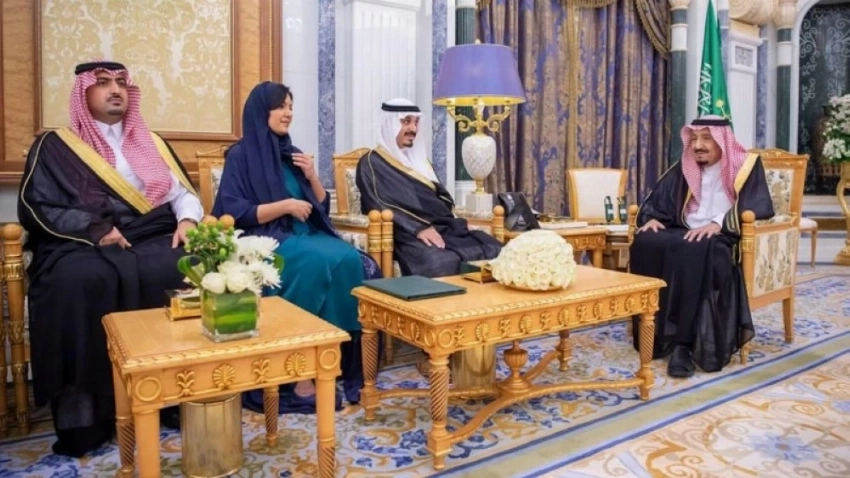
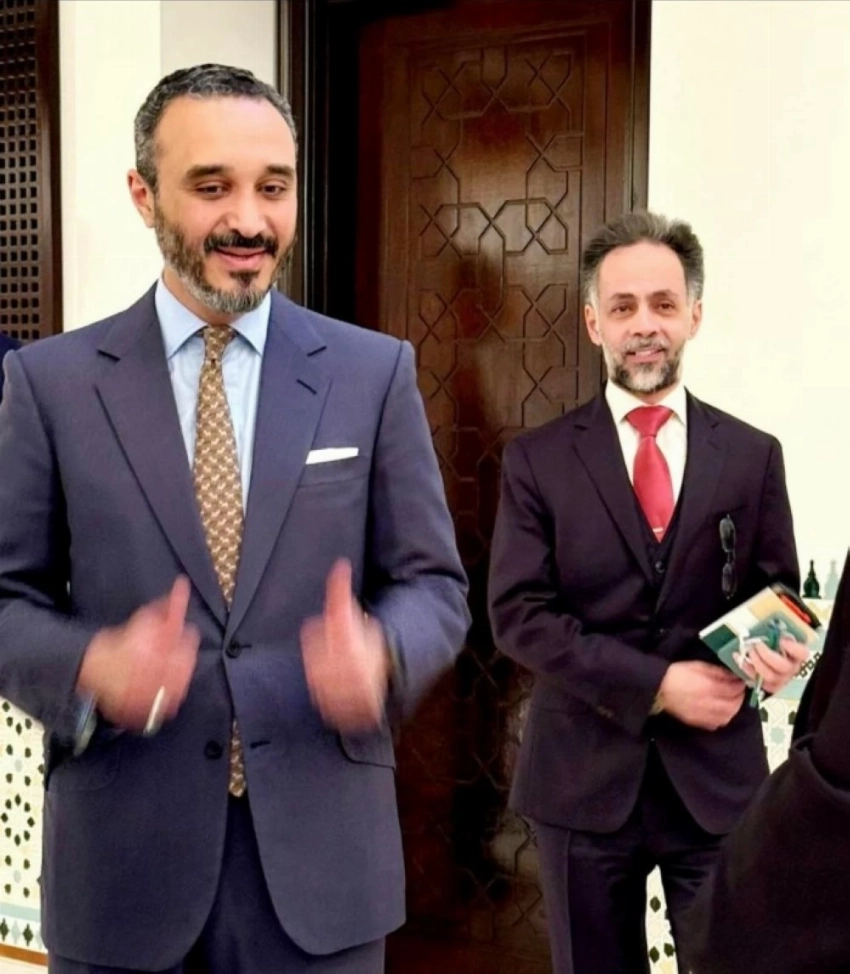
تثبت الدراسة أن المملكة العربية السعودية تقدم نموذجاً فريداً في الموازنة بين الأصالة والمعاصرة؛ فهي تستند إلى إرث حضاري وقيمي عميق، وتتكيف مع متطلبات النظام الدولي الحديث. ومن خلال شخصيات مثل الأمير بندر، والأميرة ريما، والأمير خالد بن بندر، تواصل السعودية رسم ملامح مدرسة دبلوماسية خاصة بها تجمع بين الثوابت والمتغيرات.
توصيات البحث
• الاعتراف بالمدرسة السعودية في فن التفاوض كمنهج مستقل في الدراسات الدولية.
• اعتماد مسيرة الأمير بندر كحالة دراسية أكاديمية.
• توسيع المقارنات مع مدارس دبلوماسية عالمية.
• إدماج البعد الفلسفي في التدريب الدبلوماسي للشباب.
بهذا الطرح يبرز بحث عبدالعزيز القعيشيش أن التفاوض ليس مجرد أداة سياسية بل فلسفة متكاملة تعكس جدلية القيم والمصالح.. الماضي والمستقبل.. الإنسان والتكنولوجيا.
Researcher Abdulaziz Al-Qaishish presented a new academic treatment of the art of negotiation, which transcends the traditional view that reduces negotiation to merely a political technique.
Al-Qaishish sees negotiation as a philosophical reflection of a constant human struggle between reason and emotion, between idealism and pragmatism, and between ethics and power.
In his latest study, he invoked major philosophical models from the thoughts of Kant, Machiavelli, and Nietzsche, but he did not limit himself to the theoretical framework; he employed these visions in a realistic reading of the Saudi experience.
Perhaps the most notable aspect of his research is his reliance on the model of Prince Bandar bin Sultan, where he provided a living example of Saudi negotiation genius on the international stage.
Al-Qaishish shows that Prince Bandar's philosophy is based on transforming contradictions into opportunities and building alliances instead of merely settling for compromises.
Thus, Al-Qaishish emphasizes that the Kingdom of Saudi Arabia has a unique negotiation school characterized by wisdom, flexibility, and sincerity, a school that deserves to be taught globally as a model that combines authenticity and modernity.
Negotiation: A Struggle Between Idealism and Pragmatism
The research argues that negotiation is not merely a means to conclude agreements, but rather a reflection of a constant struggle between ideal values such as justice, transparency, and moral commitment, and pragmatism based on flexibility and achieving practical interests. The essence of success lies in combining both; an ideal discourse that grants legitimacy and respect, and realistic decisions that achieve results.
Prince Bandar bin Sultan: A Saudi School in Negotiation
The research positions Prince Bandar bin Sultan as a prominent model of Saudi negotiation genius, as he combined national and ethical values with political pragmatism.
• He played a pivotal role in the Cold War, the Gulf crisis, and the Taif Agreement.
• American leaders described him as a man who "knows when to push and when to yield."
• He left a diplomatic legacy that blends soft power, trust-building, and political pragmatism, establishing a distinct Saudi school.
The Treaty of Hudaybiyyah: An Eternal Islamic Reference
The research invokes the Treaty of Hudaybiyyah as a historical model of the art of negotiation, as it represented;
• Strategic flexibility by accepting phased concessions.
• Mutual recognition of the emerging state of Medina.
• A strict commitment to agreements that enhanced credibility.
• A preparation for the opening of Mecca as a strategic victory.
The research compares this model with modern agreements such as Camp David, Oslo, and the Iranian nuclear agreement, to affirm that the essence of negotiation remains constant through the ages, with its foundation laid by the Prophet Muhammad (peace be upon him).
Multilateral Negotiation: Between Kant, Machiavelli, and Nietzsche
The research analyzes multilateral negotiation as a field for intertwining values and interests;
• Kant: moral legitimacy.
• Machiavelli: interests and alliances.
• Nietzsche: the will to power.
The Saudi experience demonstrates its ability to balance these dimensions in energy, climate, and regional security files.
Negotiation in the Age of Artificial Intelligence: The Art of the Next Phase
The research concludes that artificial intelligence will reshape the rules of negotiation through;
• Analyzing big data and predicting the behavior of parties.
• Simulation to test strategies.
• Smart contracts via blockchain.
• Virtual reality to transcend geographical boundaries.
Al-Qaishish believes that the successful negotiator in the future is one who uses these tools without losing the human and ethical dimension.
The Saudi School: Authenticity and Modernity
The study proves that the Kingdom of Saudi Arabia offers a unique model in balancing authenticity and modernity; it is based on a deep civilizational and value heritage while adapting to the requirements of the modern international system. Through figures like Prince Bandar, Princess Reema, and Prince Khalid bin Bandar, Saudi Arabia continues to shape the features of its own diplomatic school that combines constants and variables.
Research Recommendations
• Recognizing the Saudi school in the art of negotiation as an independent methodology in international studies.
• Adopting Prince Bandar's journey as an academic case study.
• Expanding comparisons with global diplomatic schools.
• Integrating the philosophical dimension into diplomatic training for youth.
Through this presentation, Abdulaziz Al-Qaishish's research highlights that negotiation is not merely a political tool but a comprehensive philosophy that reflects the dialectic of values and interests... the past and the future... humanity and technology.