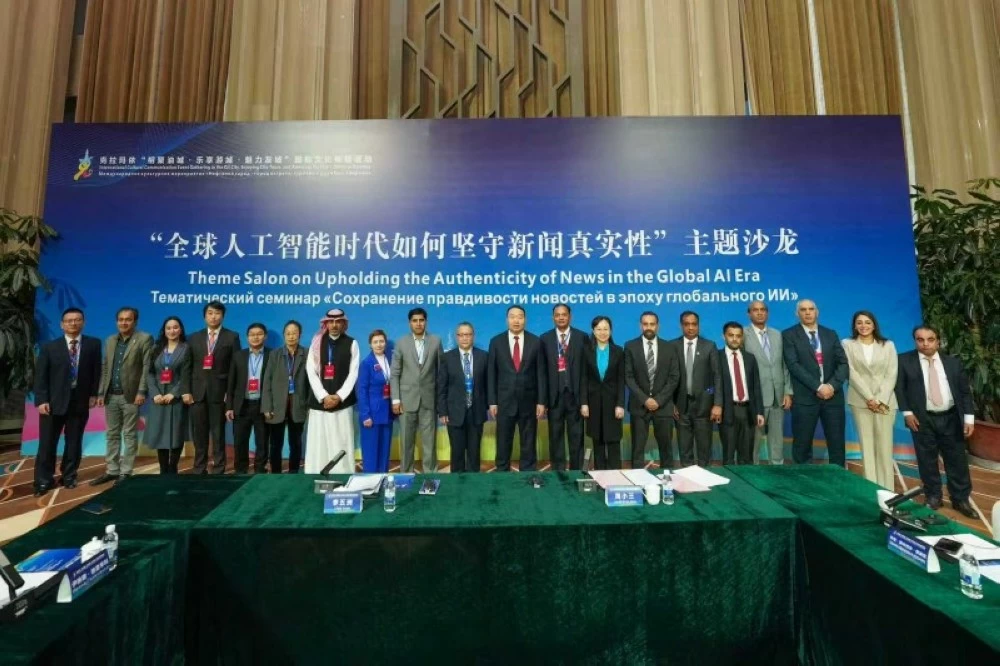
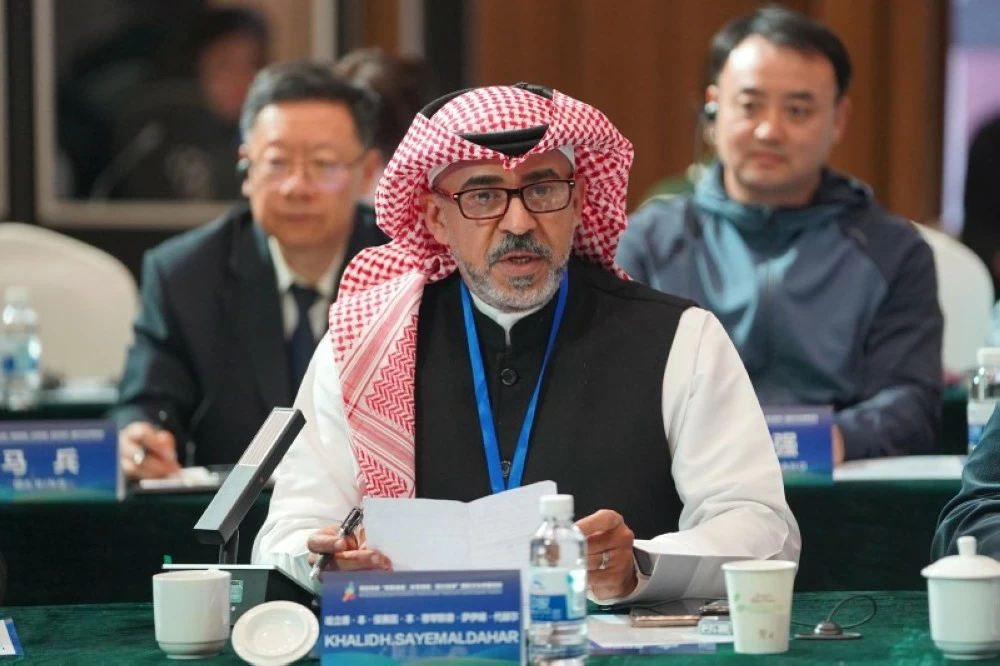
شارك إعلاميون وخبراء من مختلف دول العالم بمجموعة توصيات ومقترحات في لقاء صالون «الحفاظ على مصداقية الأخبار في عصر الذكاء الاصطناعي العالمي»، والذي عقد بمدينة كاراماي الصينية، على هامش الاحتفال بالعيد القومي للمدينة، ومرور سبعين عاما على تأسيس منطقة شينجيانغ ذاتية الحكم.
وخرج الصالون بمجموعة من المقترحات والمبادرات والتوصيات الثرية والتي تخدم الإعلام في ظل أخلاقيات الخوارزميات، وآليات التحقق من المعلومات، ودور الإعلام ومسؤولياته في مواجهة التزييف العميق، تجسد التزامًا مهنياً مشتركًا بالحفاظ على مصداقية الأخبار، وتعكس في الوقت ذاته روحًا إنسانية ومهنية عالية لدى العاملين في الحقل الإعلامي.
وجاء في مشاركة الإعلاميين، إن الذكاء الاصطناعي أصبح «سلاحًا ذو حدين»، إذ أسهم بشكل كبير في رفع كفاءة جمع المعلومات وإنتاجها ونشرها، لكنه أدخل في المقابل مخاطر جديدة كالمعلومات المضللة والتزييف العميق والانحياز الخوارزمي. وشدد على أن الحفاظ على مصداقية الأخبار في هذا السياق لم يعد مجرد معيار مهني، بل غدا ضرورة أخلاقية وتقنية ومسؤولية اجتماعية.
وأوصى الزملاء بضرورة التعاون بين الإنسان والآلة وهو المسار الأمثل للتعامل مع هذه التطورات، وأن التكنولوجيا تساعد الصحفي في الوصول إلى الحقيقة لكنها لا تحل محل الحكم البشري، مطالبين المؤسسات الإعلامية والجهات ذي العلاقة، بدعم وتدريب الصحفيين على استيعاب أدوات الذكاء الاصطناعي وتوظيفها في التحقق من الحقائق وتحليل البيانات وتتبع المصادر، مع الحفاظ دومًا على التفكير المستقل والحس والقيم المهني.
ومن جهته أكد نائب مدير مركز «الصين اليوم» للتواصل الدولي في أوروبا الغربية وإفريقيا (CICG) لي ووتشو، خلال مشاركته في الصالون الحواري، أن النقاش حول مصداقية الصحافة في عصر الذكاء الاصطناعي بات من أكثر القضايا إلحاحًا.
وقال إن مشاركته في الصالون أتاحت له فرصة الاستماع إلى مداخلات ثرية من الحضور، موضحًا أن المساهمات التي طُرحت عكست تنوعًا ثقافيًا ومهنيًا واسعًا، وقدمت رؤى متعددة حول التحديات التي تواجه الإعلام في ظل التطور السريع لتقنيات الذكاء الاصطناعي.
ولفت لي ووتشو، إلى أن التعاون الدولي أصبح ضرورة لا يمكن تجاوزها في ظل عالم مترابط، حيث لا تستطيع أي جهة إعلامية أو دولة أن تعزل نفسها عن التحديات العابرة للحدود، موضحا أنه من الضرورة تعزيز الحوار والتعاون بين الإعلام عبر الدول والثقافات، بما يمكّن من بناء منظومة معلومات أكثر شفافية ومصداقية ومسؤولية.
وكشف أن مركز CICG لأوروبا الغربية وإفريقيا يعمل بالفعل على استكشاف تطبيقات الذكاء الاصطناعي في إنتاج الأخبار متعددة اللغات وفي إيصال المحتوى بدقة وفاعلية إلى الجمهور العالمي. وأكد التزام المركز بمبدأ «الصدق هو روح الصحافة»، مشددًا على أن التطور التكنولوجي مهما بلغ، لا يجب أن يؤثر على جوهر المحتوى الإعلامي ولا على القيم المهنية الأساسية.
وفي ختام كلمته، طرح لي ووتشو أربعة مقترحات محورية لتعزيز التعاون الحضاري والإعلامي، قائلاً:
أولاً: ضرورة العمل معًا لتعزيز الحوار بين دول العالم وتوسيع التبادل والتفاهم المتبادل، مؤكدًا أن الحضارات تزدهر بالتبادل وتثري بالتعلّم المشترك، خصوصا في عالم يشهد عولمة متسارعة.
ثانيًا: تعزيز التواصل بين المدن وبناء روابط الصداقة، مشيرًا إلى أن المدن هي حاضنة للحضارة ومنصة للتعاون، وأن العلاقات الودية بين كاراماي والمدن الصديقة تمثل نموذجًا للعلاقات الدولية القائمة على التفاعل الإيجابي، مؤكدًا استمرار دعم مركز «الصين اليوم» لتوسيع هذه الروابط، خصوصا في مجالات الإعلام والثقافة والتجارة.
ثالثًا: العمل المشترك على رواية قصص المدن والمناطق النامية مثل شينجيانغ وكاراماي بشكل حي وصادق، باعتبارهما جزءًا لا يتجزأ من قصة الصين الشاملة، متعهدًا بتقديم إنجازاتهما وثقافتهما وملامح الحياة فيهما بموضوعية للجمهور العالمي.
رابعًا: تعزيز التعاون الإعلامي بين دول العالم وإسماع صوت دول الجنوب العالمي، داعيًا وسائل الإعلام الصينية والأجنبية للعمل معًا لرواية قصصها وقصص الدول النامية بما يعزز الفهم والصداقة ويدعم التعاون في مختلف المجالات ويعبر عن تطلعات الشعوب.
Media professionals and experts from various countries around the world participated in a series of recommendations and proposals during the "Maintaining News Credibility in the Age of Global Artificial Intelligence" salon, held in the city of Karamay, China, on the sidelines of the celebration of the city's national day and the 70th anniversary of the establishment of the Xinjiang Uyghur Autonomous Region.
The salon produced a rich set of proposals, initiatives, and recommendations that serve the media in light of algorithmic ethics, information verification mechanisms, and the role and responsibilities of the media in confronting deepfakes, embodying a shared professional commitment to maintaining news credibility, while also reflecting a high human and professional spirit among those working in the media field.
In the media professionals' contributions, it was stated that artificial intelligence has become a "double-edged sword," significantly enhancing the efficiency of information collection, production, and dissemination, but at the same time introducing new risks such as misinformation, deepfakes, and algorithmic bias. It emphasized that maintaining news credibility in this context is no longer just a professional standard, but has become an ethical, technical necessity and a social responsibility.
The colleagues recommended the necessity of cooperation between humans and machines as the optimal path to deal with these developments, stating that technology assists journalists in reaching the truth but does not replace human judgment. They called on media institutions and relevant parties to support and train journalists to understand and utilize artificial intelligence tools for fact-checking, data analysis, and source tracking, while always maintaining independent thinking and professional values.
For his part, Li Wuzhou, Deputy Director of the "China Today" Center for International Communication in Western Europe and Africa (CICG), confirmed during his participation in the salon that the discussion about the credibility of journalism in the age of artificial intelligence has become one of the most pressing issues.
He stated that his participation in the salon provided him with an opportunity to listen to rich contributions from the attendees, explaining that the contributions presented reflected a wide cultural and professional diversity and provided multiple perspectives on the challenges facing the media in light of the rapid development of artificial intelligence technologies.
Li Wuzhou pointed out that international cooperation has become an unavoidable necessity in an interconnected world, where no media entity or country can isolate itself from cross-border challenges, emphasizing the need to enhance dialogue and cooperation among media across countries and cultures, enabling the establishment of a more transparent, credible, and responsible information system.
He revealed that the CICG for Western Europe and Africa is already working on exploring the applications of artificial intelligence in producing multilingual news and delivering content accurately and effectively to a global audience. He affirmed the center's commitment to the principle that "truth is the soul of journalism," stressing that no matter how advanced technology becomes, it should not affect the essence of media content or the core professional values.
In conclusion, Li Wuzhou presented four key proposals to enhance civilizational and media cooperation, stating:
First: The necessity of working together to enhance dialogue among the countries of the world and expand mutual exchange and understanding, emphasizing that civilizations thrive through exchange and are enriched by shared learning, especially in a world witnessing rapid globalization.
Second: Strengthening communication between cities and building friendship ties, noting that cities are the cradle of civilization and a platform for cooperation, and that friendly relations between Karamay and sister cities represent a model for international relations based on positive interaction, reaffirming the continued support of the "China Today" Center to expand these ties, especially in the fields of media, culture, and trade.
Third: Joint efforts to narrate the stories of cities and developing regions like Xinjiang and Karamay in a vivid and authentic manner, considering them an integral part of the comprehensive story of China, pledging to present their achievements, culture, and aspects of life objectively to the global audience.
Fourth: Enhancing media cooperation among the countries of the world and amplifying the voices of the Global South, calling on Chinese and foreign media to work together to tell their stories and the stories of developing countries in a way that enhances understanding and friendship, supports cooperation in various fields, and expresses the aspirations of peoples.