


تزايدت أعداد وأنشطة بيوت الثقافة حدّ اعتقاد المتابعين للمشهد الثقافي في السعودية، أنّها البديل الأمثل عن الأندية الأدبية وعن فروع جمعية الثقافة والفنون، وفي ظلّ الاهتمام الملحوظ، على مستوى بنيتها التحتية والتجهيزات في مقار بيوت الثقافة التي اُفتتحت، إلاّ أنّ هناك حواراً تفاعلياً بين شرائح ثقافية؛ عن ماهيّة وهويّة المؤسسات الأحدث وجمعياتها العمومية وصلاحية المجالس، ويتساءل النخب عنها؛ هل غدت بيوت الثقافة والجمعيات بديلاً لمؤسسات كلاسيكية عريقة قامت بدورها الثقافي والأدبي على قدر استطاعتها ومساحة ظروفها، أم أنها امتداد طبيعي، ربما يوقع في نمطية المحاكاة؟
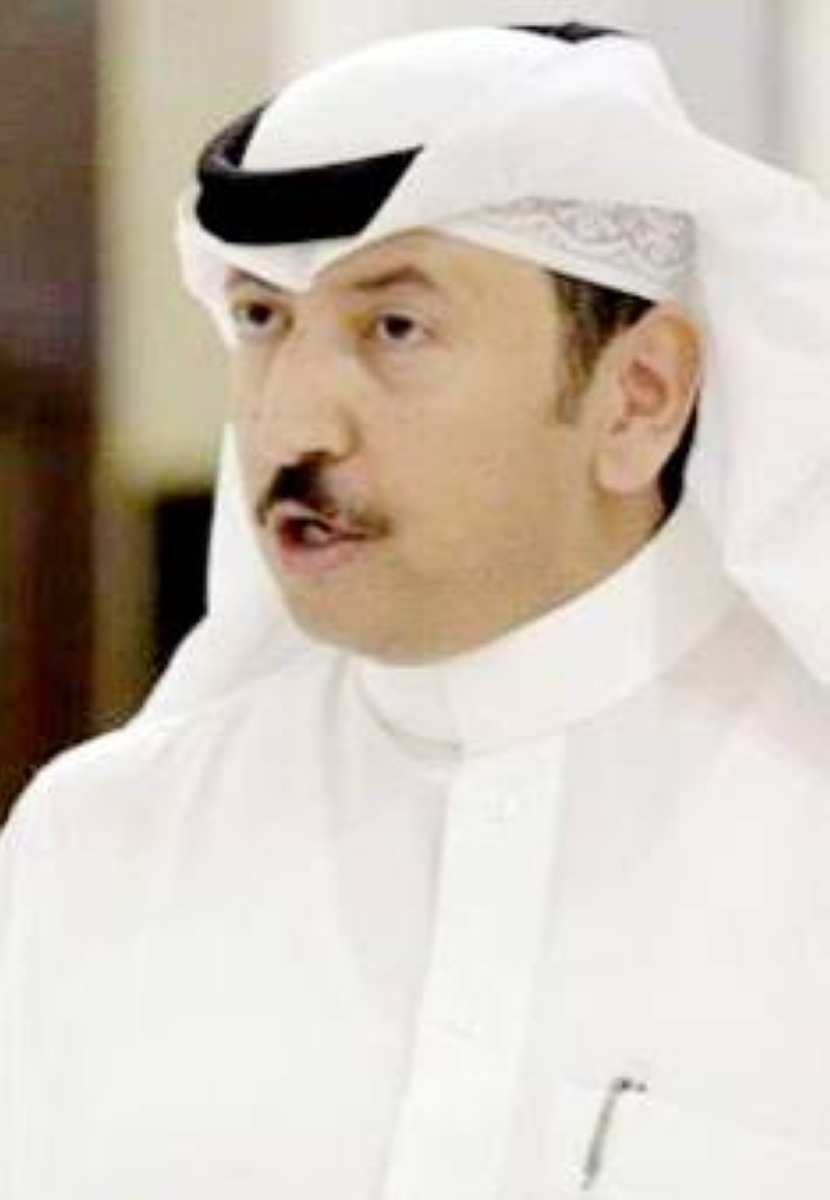
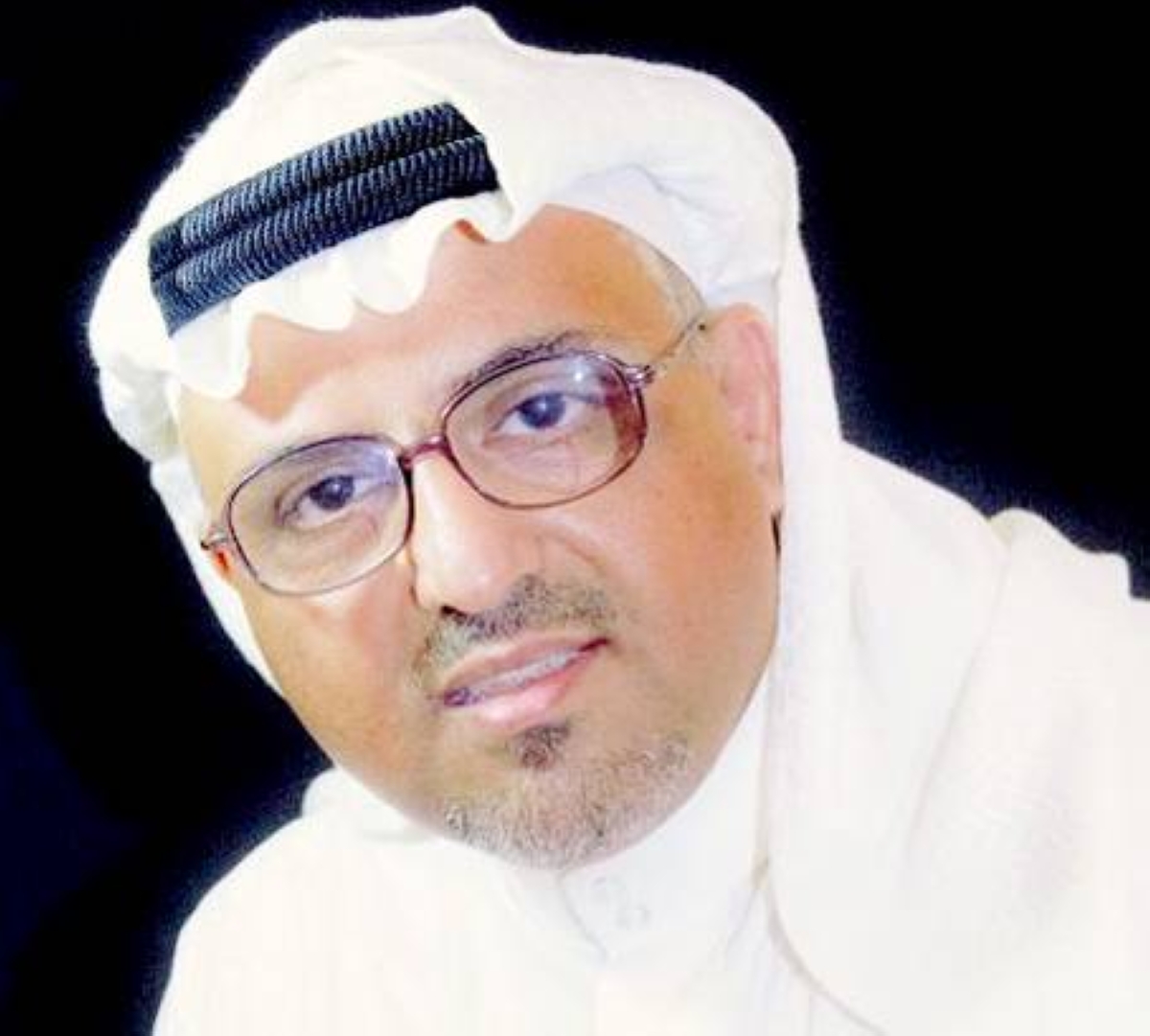
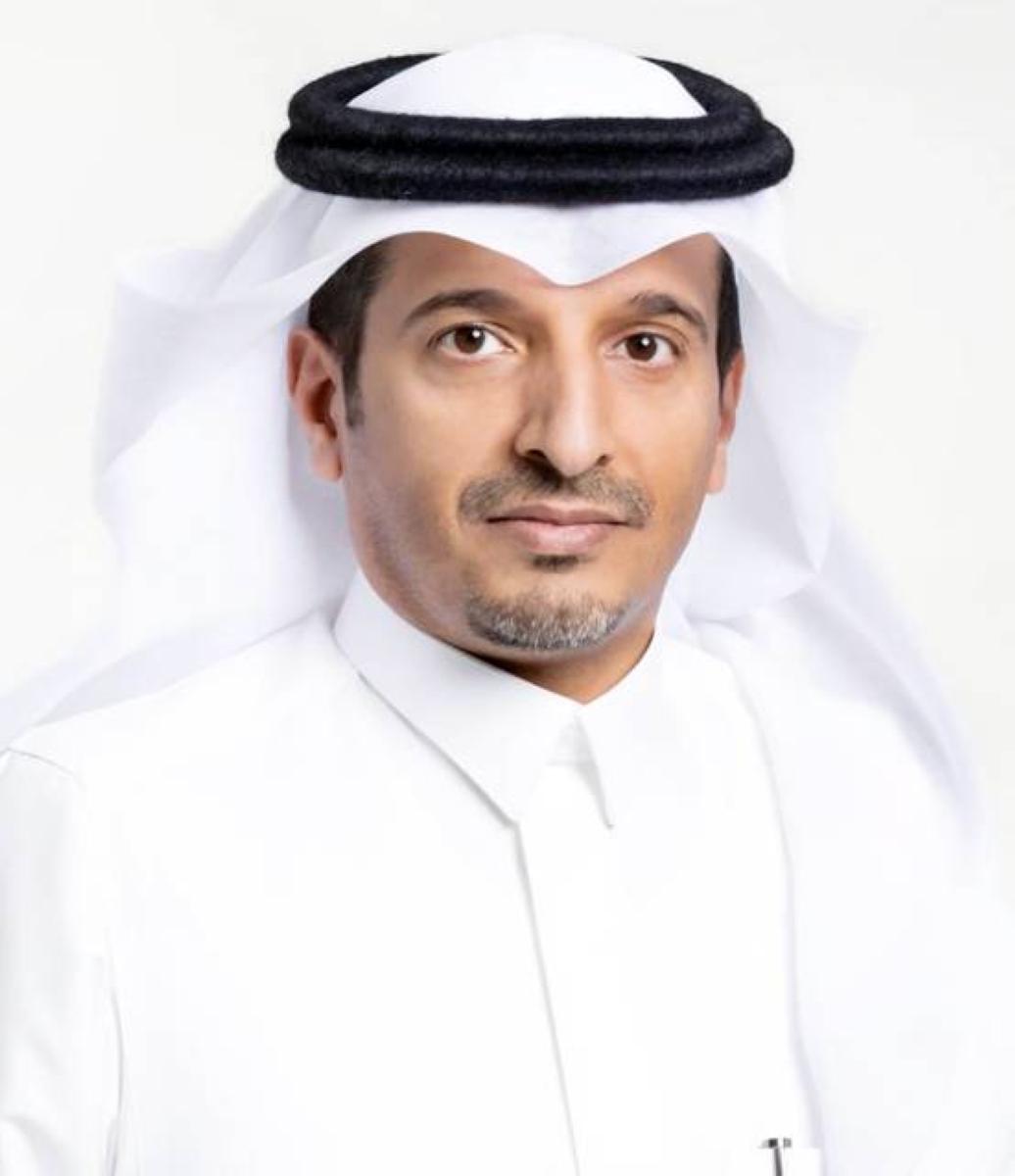
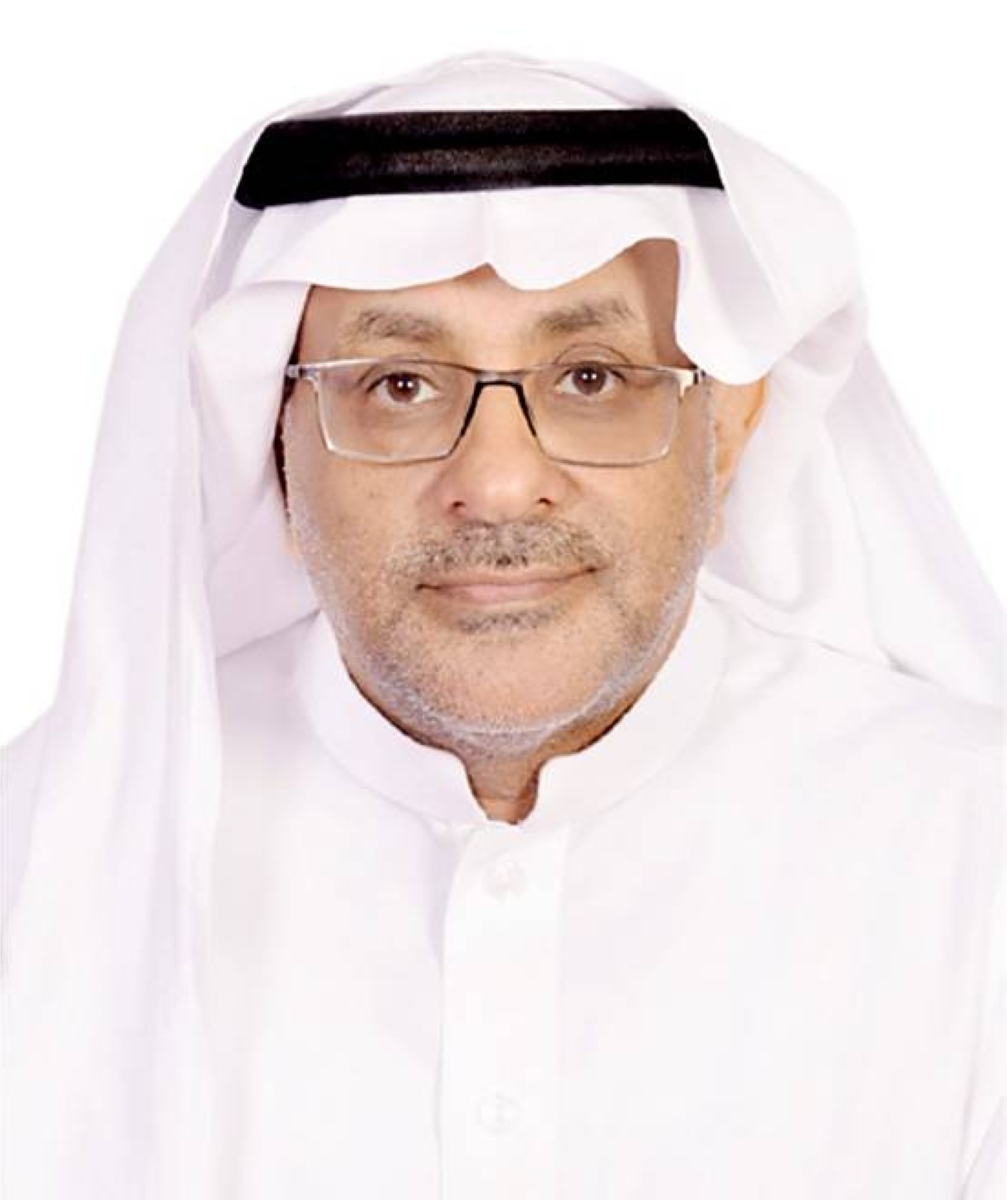
وهنا استنارة برأي عدد من ذوي الرأي؛ فيرى مدير جمعية الثقافة والفنون في الطائف التشكيلي فيصل الخديدي أن جمعية الثقافة والفنون منظمة ثقافية غير ربحية فاق عمرها الخمسين عاماً، والامتداد الزمني ارتقى بها لتصبح بيت خبرة في المجالات التي تشرف عليها من فنون مسرحية وأدائية وسينمائية وفنون بصرية وموسيقية وأدبية. وأضاف: كانت الأندية الأدبية، وجمعيات الثقافة متنفساً وحاضنة للمثقفين والفنانين بمختلف أجيالهم وتطلعاتهم، ولا يزال لما هو قائم منها الفضل الكبير في رعاية المبدعين في الفنون والثقافة المحلية، وخرجت من عباءتها وساهمت بشكل كبير في تشكيل هوية وملامح الفنون السعودية؛ وعلى الرغم من كل العقبات التي تجاوزتها وتتجاوزها تبقى مظلة مهمة لا غنى عنها، وتغييبها أو غيابها لا يخدم الحراك والانفتاح الثقافي والفني الذي يعيشه وطننا الغالي في المجالات الثقافية والفنية، مؤكداً أنّ مرتكزات جودة الحياة جعلت الجمعية بجميع فروعها تستعجل المواءمة وتحقيق أعلى معايير الحوكمة لتكون نابضة بفاعلية؛ مع الجمعيات الأدبية التي لا يتعارض حضورها مع حضور غيرها من المؤسسات وبيوت الثقافة؛ كون لكلٍّ دوره، وثقافتنا تستحق فتح المجال لمزيد من المؤسسات وفق تنظيم واضح ومحدد بلوائح وتوصيف مهمات يضمن الوصول بجهود الجميع لواقع مشرف ومستقبل مشرق لثقافة المجتمع، ويسجل حضوراً عالمياً مبهراً بهوية سعودية.
فيما أوضح مدير جمعية الثقافة والفنون في أبها أحمد السروي أنّ تكامل العمل بين المؤسسات الثقافية لخدمة الحراك الثقافي والفني مهمّ وهو أحد الأهداف الأساسية التي تسعى إليها وزارة الثقافة. ويؤكد السروي أنّ استضافة الفعاليات الثقافية والفنية في بيوت الثقافة تُعد خطوة جيدة، ولعلّ من أهدافها الوصول إلى شرائح أوسع من المجتمع وتوزيع المهمات بين الجهات، وتعزيز حضور العمل الثقافي والفني وربما تبادل الخبرات بين الجهات الفاعلة. لكنّ السروي لا يرى أنّ بيوت الثقافة بديل عن مؤسسات ثقافية عريقة كجمعيات الثقافة والفنون؛ لأنّ الطرح في هذه الحالة لا يكون دقيقاً. السروي قال: إنّ الجمعيات تمتلك خبرة طويلة في العمل الفني تخطيطاً وتنفيذاً وإنتاجاً وتُعد بحكم تخصصها وتراكم تجاربها وتاريخها الممتد لنحو نصف قرن أحد أبرز الكيانات التي أدت دوراً محورياً في دعم العمل الثقافي والفني، ومأسسته، وتطوير ممارساته وتفعيله بمختلف أشكاله واتجاهات ممارسيه، إضافة إلى أنّ نطاق العمل في جمعيات الثقافة والفنون أوسع، إذ ساهمت في تطوير الممارسات الفنية من خلال برامج تدريبية فنية ومشاريع مبتكرة مع جهات ذات صلة وتنظيم معارض وفعاليات تعزز التنوع الثقافي، كما تمتاز بمرونتها وقدرتها على التفاعل مع مختلف توجهات الممارسين. ولفت السروي إلى أنّ هناك تحديات تواجه جمعيات الثقافة والفنون وفي مقدمتها ضعف الموارد المالية وغياب المقرات الدائمة، هذه المعوقات أدّت إلى تراجع كبير في حضورها، مما أثّر سلباً في قدرتها على تنفيذ البرامج والفعاليات النوعية التي اعتادت تقديمها، وبالتالي فإنّ دعم هذه الجمعيات وإيجاد مقرات ثابتة لها تتوافر فيها البيئة المناسبة للفنان خيارات مهمة من شأنها الارتقاء بجودة المنتج الفني وتمكينها بالتوازي مع الدور الذي تقدمه بيوت الثقافة، وكلّ هذا سيسهم في بناء مشهد ثقافي متكامل تتوزع فيه الأدوار بوضوح وتكامل ويُعزز المسار نحو تنمية ثقافية شاملة ومستدامة.
وعدّ الإعلامي سعيد جندب بيوت الثقافة في شكلها الحالي أكثر أناقة من المكتبات العامة بلمسات فنية، وإن كانت رؤيتها وبرامجها لم تتضح بعد للمهتم، وتساءل جندب: ماذا تقدم بيوت الثقافة للمثقف والباحث؟ وما العائد منها للمثقف سواء مكافأة أنشطة أو دور في نشر الإنتاج الذي قامت به منذ سنوات الأندية الأدبية وجمعية الثقافة والفنون؟! وذهب إلى أنّ ما ظهر له لا يعدو كونه تزييناً لواقع جميل، وإضافة لمسات أخاذة دون قواعد تنظيمية واضحة، لافتاً إلى أنه لم يطّلع على أسماء مديري بيوت الثقافة إلا أنه لا يستبعد أنهم ليسوا من أصحاب التجارب الأدبية والثقافية والفنية، ويخشى أن يكون المنتج أقل من الطموحات بل ومعدوم الأهلية للوصول لذائقة الملتقي.
وأضاف: بيت الثقافة مكانه المناسب في عمق المدن أو بالقرب من جامعة أو جهات سياحية ليكون وجهة وليس في داخل محافظة كما هو شأن بيت الثقافة في منطقة عسير، الذي تم إنشاؤه في أطراف محافظة أحد رفيدة ويبعد عن عاصمة المنطقة أبها 45 كم.
ولفت جندب إلى أنّ الأندية الأدبية وفروع جمعية الثقافة والفنون كانت جاذبة وداعمة ومتفاعلة وهذا ما فشلت فيه بيوت الثقافة إلى الآن!
ويؤكد القاص حسين بن صبح أن بيوت الثقافة ليست بديلاً مباشراً للأندية الأدبية أو جمعيات الثقافة والفنون، إذ لكل مؤسسة من هذه المؤسسات طابعها الخاص ومسارها التاريخي والجمهور الذي اعتاد على حضور فعالياتها ومتابعة إنتاجها. وأضاف: الأندية الأدبية نشأت لتكون بيتاً للأدباء والكتّاب والنقاد، وأسهمت عبر عقود في تكوين المشهد الأدبي وتوثيقه من خلال الأمسيات والندوات وإصدار الكتب والمجلات المتخصصة، كما تميزت بالملتقيات النوعية مثل ملتقى النص، وهذا الدور المتجذر يصعب أن يتكرر في مؤسسة جديدة تختلف في طبيعتها وأهدافها، مشيراً إلى أن جمعيات الثقافة والفنون كانت أكثر التصاقاً بالأنشطة الفنية من مسرح وموسيقى وفنون تشكيلية وتصوير فوتوغرافي وسينما، وخلقت بيئة حاضنة للمواهب الشابة ووفرت لهم منصات للعرض والتجريب والتدريب. ويرى أنها استقطبت جمهوراً يتذوق الفنون ويبحث عن فضاء واسع للتعبير والإبداع، ومن ثم فإن مسارها لا يلتقي بالضرورة مع المسار الأدبي للأندية، ولا مع الإطار الشعبي المفتوح لبيوت الثقافة.
ولفت ابن صبح أنّ بيوت الثقافة تأتي عادة بصيغة أكثر مرونة وشمولية، فهي فضاءات عامة تستقطب شرائح واسعة من المجتمع، وتقدّم الثقافة بوصفها ممارسة يومية مرتبطة بالحياة، لا نشاطاً نخبوياً أو فنياً متخصصاً، وهي أقرب لأن تكون منصات للتثقيف المجتمعي، عبر محاضرات عامة، وأنشطة تعريفية بالفنون والآداب. كذلك فهي تستقطب غير المهتمين بالأدب لقضاء وقت فراغ، فالمقاهي الأدبية كسرت حاجز الهيبة الذي صنعته الأندية الأدبية، بهذا المعنى فهي تكمل المشهد ولا تُلغي مكوّناته السابقة. وأضاف: من الخطأ أن نتوقع أن تحل بيوت الثقافة أو المقاهي محل الأندية الأدبية أو جمعيات الثقافة والفنون، لأن لكل مؤسسة جمهوراً وذاكرة وتجربة ممتدة لا يمكن نسخها أو تجاوزها بسهولة. فالأندية كانت ملاذ الأدباء والباحثين، الجمعيات فضاءات الفنون وأصحاب المواهب، وبيوت الثقافة والمقاهي مساحة للتقريب بين الثقافة والمجتمع. ولفت إلى أن التلاقي بينها يثري المشهد ويجعله أكثر تنوعاً وشمولاً، ليجد كل فرد مكانه الطبيعي الذي ينسجم مع اهتماماته وتطلعاته.
الفضيل: بيوت الثقافة استعادة للهوية وتفعيل للمحتوى
يرى المستشار الثقافي الدكتور زيد بن علي الفضيل أنّ التجاهل أكبر إشكال واجهته وتواجهه الثقافة في واقعنا الحياتي، لافتاً إلى أن الألم يتضاعف عندما يأتي التجاهل من دُور تعلن أنها تهتم بها؛ وأقصد بها مؤسسات الأندية الأدبية في المملكة، التي عمدت إلى اختزال الثقافة في جنس واحد من أجناس المعرفة وهو الأدب بكل تفرعاته الحديثة من رواية وقصة علاوة على الشعر، ناهيك عن علوم النحو والصرف، وبذلك تحولت الأندية إلى فروع لأقسام اللغة العربية، وعبثاً كان رفع الصوت لسدنة تلك الأندية بأن يحرروا المؤسسة من هذا القيد، فكان أن ظلت مكبلة بقيودهم حتى جرى أخيراً إلغاؤها رسمياً وتحويلها إلى جمعيات مهنية باسم الأدب، والمؤسف أن بعضها قد استولى على مكتسبات النادي السابق، وهو ما يجب على وزارة الثقافة أن تتنبه له. وأضاف الفضيل: في ظل هذا السياق جاء إعلان هيئة المكتبات بوزارة الثقافة لتأسيس بيوت للثقافة بمثابة التأسيس الصحيح للفعل الثقافي في السعودية، والذي لا يختزل الثقافة في جنس واحد يهيمن على جوهرها ويلغي الآخر أسوة بما مضى، فنحن هنا أمام بيت للثقافة بمفهومها الأنثروبولوجي الواسع، وليست لاحقة بالأدب كما كان في مؤسسة النادي الأدبي بجدة، أو مشمولة ضمناً في ثنايا الاسم كما في الأندية الأخرى سابقاً، مشيراً إلى أن اسم البيت يعكس مدلولاً حميمياً يتجاوز بتأثيره مسمى النادي، وأجادت وزارة الثقافة باختيار المسمى، كما يحتوي بمضمونه كل مصادر المعرفة وأفانينها ومشغولاتها الفنية، وهي بذلك؛ وأقصد بيوت الثقافة التي جمعت ما تناثر وتقطعت أوصاله سابقاً بين مؤسستي النادي الأدبي وجمعية الثقافة والفنون. وذهب إلى أن المهم أن يكون لبيوت الثقافة منهج تمضي به، وغاية تحقق أهدافه، كما مهم أن يكون في المدن الكبرى أكثر من بيت للثقافة ليتسنى لها احتواء النشء، إضافة إلى شراكتها مع المؤسسات التعليمية وأنشطة الطلاب في الجامعات، لتحقق مستهدفاتها بمساحات أوسع.
بيوت الثقافة وجمعيات الأدب المهنية..
بدائلُ «كلاسيكية» أم امتدادٌ نمطيٌّ بصورة أكثر حيوية ؟
12 سبتمبر 2025 - 04:07
|
آخر تحديث 12 سبتمبر 2025 - 04:07


تابع قناة عكاظ على الواتساب
علي فايع (أبها) alma33e@
The number and activities of cultural houses have increased to the extent that followers of the cultural scene in Saudi Arabia believe they are the optimal alternative to literary clubs and branches of the Culture and Arts Association. Despite the noticeable interest in their infrastructure and facilities in the cultural houses that have opened, there remains an interactive dialogue among cultural segments about the nature and identity of these newer institutions and their general associations, with elites questioning whether cultural houses and associations have become a substitute for classical, established institutions that have played their cultural and literary roles to the best of their ability and within their circumstances, or if they are a natural extension that might lead to a pattern of imitation?
Here, we gain insight from the opinions of several experts; the director of the Culture and Arts Association in Taif, artist Faisal Al-Khudaydi, believes that the Culture and Arts Association is a non-profit cultural organization that has been around for over fifty years. Its long duration has elevated it to become a center of expertise in the fields it oversees, including theatrical, performance, cinematic, visual, musical, and literary arts. He added: Literary clubs and cultural associations were a refuge and incubator for intellectuals and artists of various generations and aspirations, and they still play a significant role in nurturing local artistic and cultural creators. They have emerged from its umbrella and contributed significantly to shaping the identity and features of Saudi arts; despite all the obstacles they have overcome and continue to face, they remain an important and indispensable umbrella. Their absence does not serve the cultural and artistic movement and openness that our beloved nation is experiencing in cultural and artistic fields, emphasizing that the foundations of quality of life have made the association, with all its branches, hasten to align and achieve the highest standards of governance to be vibrantly effective; with literary associations whose presence does not conflict with that of other institutions and cultural houses, as each has its role. Our culture deserves to open the door to more institutions under a clear and specific organization with regulations and task descriptions that ensure the collective efforts lead to a dignified reality and a bright future for the community's culture, recording an impressive global presence with a Saudi identity.
Meanwhile, the director of the Culture and Arts Association in Abha, Ahmed Al-Sarwi, clarified that the integration of work between cultural institutions to serve the cultural and artistic movement is important and is one of the primary goals pursued by the Ministry of Culture. Al-Sarwi confirms that hosting cultural and artistic events in cultural houses is a good step, and one of its goals is to reach wider segments of society and distribute tasks among entities, enhancing the presence of cultural and artistic work and perhaps exchanging experiences among active parties. However, Al-Sarwi does not see cultural houses as a substitute for established cultural institutions like the Culture and Arts Associations; because the proposition in this case is not accurate. Al-Sarwi stated that associations have extensive experience in artistic work in planning, execution, and production, and by virtue of their specialization and accumulated experiences and history spanning nearly half a century, they are among the most prominent entities that have played a pivotal role in supporting cultural and artistic work, institutionalizing it, and developing its practices in various forms and directions of its practitioners. Additionally, the scope of work in Culture and Arts Associations is broader, as they have contributed to the development of artistic practices through artistic training programs and innovative projects with relevant entities, organizing exhibitions and events that enhance cultural diversity. They are also characterized by their flexibility and ability to interact with various practitioners' trends. Al-Sarwi pointed out that there are challenges facing Culture and Arts Associations, foremost among them being weak financial resources and the absence of permanent headquarters. These obstacles have led to a significant decline in their presence, negatively affecting their ability to implement the qualitative programs and events they have been accustomed to presenting. Thus, supporting these associations and establishing permanent headquarters that provide a suitable environment for artists are important options that would elevate the quality of artistic output and enable them in parallel with the role that cultural houses provide. All of this will contribute to building a comprehensive cultural scene where roles are clearly distributed and integrated, enhancing the path towards comprehensive and sustainable cultural development.
Media figure Saeed Jundab considers cultural houses in their current form to be more elegant than public libraries with artistic touches, although their vision and programs have not yet become clear to those interested. Jundab questioned: What do cultural houses offer to intellectuals and researchers? What is the return for the intellectual, whether in terms of activity rewards or a role in disseminating the output that has been produced since the years of literary clubs and the Culture and Arts Association?! He went on to say that what he has seen does not amount to more than embellishing a beautiful reality and adding captivating touches without clear organizational rules, noting that he has not seen the names of the directors of cultural houses but does not exclude that they are not individuals with literary, cultural, and artistic experiences. He fears that the output may fall short of aspirations and may lack the qualifications to reach the tastes of the audience.
He added: The appropriate location for a cultural house is in the heart of cities or near a university or tourist sites to be a destination, not within a governorate as is the case with the cultural house in the Asir region, which was established on the outskirts of the governorate of Ahad Rufaidah and is 45 km away from the region's capital, Abha.
Jundab pointed out that literary clubs and branches of the Culture and Arts Association were attractive, supportive, and interactive, which is what cultural houses have failed to do so far!
Short story writer Hussein Bin Subh confirms that cultural houses are not a direct substitute for literary clubs or Culture and Arts Associations, as each of these institutions has its own character, historical path, and audience accustomed to attending its events and following its output. He added: Literary clubs were established to be a home for writers, critics, and authors, and they have contributed over decades to shaping and documenting the literary scene through evenings, seminars, and the publication of specialized books and magazines. They have also distinguished themselves with quality gatherings such as the Text Forum. This deeply rooted role is difficult to replicate in a new institution that differs in nature and objectives, pointing out that Culture and Arts Associations have been more closely associated with artistic activities such as theater, music, visual arts, photography, and cinema, creating an incubating environment for young talents and providing them with platforms for display, experimentation, and training. He sees that they have attracted an audience that appreciates the arts and seeks a broad space for expression and creativity, and thus their trajectory does not necessarily intersect with the literary trajectory of clubs, nor with the open popular framework of cultural houses.
Bin Subh noted that cultural houses usually come in a more flexible and inclusive format; they are public spaces that attract broad segments of society and present culture as a daily practice related to life, not as an elitist or specialized artistic activity. They are closer to being platforms for community education through public lectures and activities that introduce the arts and literature. They also attract those who are not interested in literature to spend their free time, as literary cafes have broken the barrier of reverence created by literary clubs. In this sense, they complement the scene rather than eliminate its previous components. He added: It is a mistake to expect that cultural houses or cafes will replace literary clubs or Culture and Arts Associations, as each institution has its audience, memory, and extended experience that cannot be easily copied or surpassed. Clubs were a haven for writers and researchers, associations were spaces for the arts and talent holders, and cultural houses and cafes are spaces for bridging culture and society. He pointed out that the convergence between them enriches the scene and makes it more diverse and inclusive, allowing each individual to find their natural place that aligns with their interests and aspirations.
Al-Fadhil: Cultural Houses as a Restoration of Identity and Activation of Content
Cultural advisor Dr. Zaid bin Ali Al-Fadhil believes that neglect is the biggest issue that culture has faced and continues to face in our daily reality, noting that the pain is compounded when the neglect comes from institutions that claim to care for it; referring to the literary clubs in the Kingdom, which have reduced culture to one genre of knowledge, namely literature, with all its modern branches of novels, stories, and poetry, not to mention the sciences of grammar and morphology. Thus, clubs have turned into branches of Arabic language departments, and it was in vain to raise the voice to the stewards of those clubs to liberate the institution from this constraint, as it remained shackled by their chains until it was finally officially abolished and transformed into professional associations under the name of literature. It is regrettable that some have seized the gains of the previous club, which the Ministry of Culture should be aware of. Al-Fadhil added: In this context, the announcement by the Libraries Authority at the Ministry of Culture to establish cultural houses represents the correct foundation for cultural action in Saudi Arabia, which does not reduce culture to one genre that dominates its essence and negates the others, unlike the past. We are now facing a cultural house in its broad anthropological concept, not limited to literature as was the case in the literary club in Jeddah, nor implicitly included in the name as in other clubs previously. He pointed out that the name "house" reflects a warm connotation that transcends the impact of the term "club." The Ministry of Culture has excelled in choosing this name, as it encompasses all sources of knowledge and its various artistic endeavors. Thus, cultural houses have gathered what was previously scattered and disconnected between the literary club and the Culture and Arts Association. He went on to say that it is important for cultural houses to have a methodology to follow and a purpose to achieve their goals, and it is also important for there to be more than one cultural house in major cities to accommodate the youth, in addition to their partnership with educational institutions and student activities in universities, to achieve their objectives in broader spaces.
Here, we gain insight from the opinions of several experts; the director of the Culture and Arts Association in Taif, artist Faisal Al-Khudaydi, believes that the Culture and Arts Association is a non-profit cultural organization that has been around for over fifty years. Its long duration has elevated it to become a center of expertise in the fields it oversees, including theatrical, performance, cinematic, visual, musical, and literary arts. He added: Literary clubs and cultural associations were a refuge and incubator for intellectuals and artists of various generations and aspirations, and they still play a significant role in nurturing local artistic and cultural creators. They have emerged from its umbrella and contributed significantly to shaping the identity and features of Saudi arts; despite all the obstacles they have overcome and continue to face, they remain an important and indispensable umbrella. Their absence does not serve the cultural and artistic movement and openness that our beloved nation is experiencing in cultural and artistic fields, emphasizing that the foundations of quality of life have made the association, with all its branches, hasten to align and achieve the highest standards of governance to be vibrantly effective; with literary associations whose presence does not conflict with that of other institutions and cultural houses, as each has its role. Our culture deserves to open the door to more institutions under a clear and specific organization with regulations and task descriptions that ensure the collective efforts lead to a dignified reality and a bright future for the community's culture, recording an impressive global presence with a Saudi identity.
Meanwhile, the director of the Culture and Arts Association in Abha, Ahmed Al-Sarwi, clarified that the integration of work between cultural institutions to serve the cultural and artistic movement is important and is one of the primary goals pursued by the Ministry of Culture. Al-Sarwi confirms that hosting cultural and artistic events in cultural houses is a good step, and one of its goals is to reach wider segments of society and distribute tasks among entities, enhancing the presence of cultural and artistic work and perhaps exchanging experiences among active parties. However, Al-Sarwi does not see cultural houses as a substitute for established cultural institutions like the Culture and Arts Associations; because the proposition in this case is not accurate. Al-Sarwi stated that associations have extensive experience in artistic work in planning, execution, and production, and by virtue of their specialization and accumulated experiences and history spanning nearly half a century, they are among the most prominent entities that have played a pivotal role in supporting cultural and artistic work, institutionalizing it, and developing its practices in various forms and directions of its practitioners. Additionally, the scope of work in Culture and Arts Associations is broader, as they have contributed to the development of artistic practices through artistic training programs and innovative projects with relevant entities, organizing exhibitions and events that enhance cultural diversity. They are also characterized by their flexibility and ability to interact with various practitioners' trends. Al-Sarwi pointed out that there are challenges facing Culture and Arts Associations, foremost among them being weak financial resources and the absence of permanent headquarters. These obstacles have led to a significant decline in their presence, negatively affecting their ability to implement the qualitative programs and events they have been accustomed to presenting. Thus, supporting these associations and establishing permanent headquarters that provide a suitable environment for artists are important options that would elevate the quality of artistic output and enable them in parallel with the role that cultural houses provide. All of this will contribute to building a comprehensive cultural scene where roles are clearly distributed and integrated, enhancing the path towards comprehensive and sustainable cultural development.
Media figure Saeed Jundab considers cultural houses in their current form to be more elegant than public libraries with artistic touches, although their vision and programs have not yet become clear to those interested. Jundab questioned: What do cultural houses offer to intellectuals and researchers? What is the return for the intellectual, whether in terms of activity rewards or a role in disseminating the output that has been produced since the years of literary clubs and the Culture and Arts Association?! He went on to say that what he has seen does not amount to more than embellishing a beautiful reality and adding captivating touches without clear organizational rules, noting that he has not seen the names of the directors of cultural houses but does not exclude that they are not individuals with literary, cultural, and artistic experiences. He fears that the output may fall short of aspirations and may lack the qualifications to reach the tastes of the audience.
He added: The appropriate location for a cultural house is in the heart of cities or near a university or tourist sites to be a destination, not within a governorate as is the case with the cultural house in the Asir region, which was established on the outskirts of the governorate of Ahad Rufaidah and is 45 km away from the region's capital, Abha.
Jundab pointed out that literary clubs and branches of the Culture and Arts Association were attractive, supportive, and interactive, which is what cultural houses have failed to do so far!
Short story writer Hussein Bin Subh confirms that cultural houses are not a direct substitute for literary clubs or Culture and Arts Associations, as each of these institutions has its own character, historical path, and audience accustomed to attending its events and following its output. He added: Literary clubs were established to be a home for writers, critics, and authors, and they have contributed over decades to shaping and documenting the literary scene through evenings, seminars, and the publication of specialized books and magazines. They have also distinguished themselves with quality gatherings such as the Text Forum. This deeply rooted role is difficult to replicate in a new institution that differs in nature and objectives, pointing out that Culture and Arts Associations have been more closely associated with artistic activities such as theater, music, visual arts, photography, and cinema, creating an incubating environment for young talents and providing them with platforms for display, experimentation, and training. He sees that they have attracted an audience that appreciates the arts and seeks a broad space for expression and creativity, and thus their trajectory does not necessarily intersect with the literary trajectory of clubs, nor with the open popular framework of cultural houses.
Bin Subh noted that cultural houses usually come in a more flexible and inclusive format; they are public spaces that attract broad segments of society and present culture as a daily practice related to life, not as an elitist or specialized artistic activity. They are closer to being platforms for community education through public lectures and activities that introduce the arts and literature. They also attract those who are not interested in literature to spend their free time, as literary cafes have broken the barrier of reverence created by literary clubs. In this sense, they complement the scene rather than eliminate its previous components. He added: It is a mistake to expect that cultural houses or cafes will replace literary clubs or Culture and Arts Associations, as each institution has its audience, memory, and extended experience that cannot be easily copied or surpassed. Clubs were a haven for writers and researchers, associations were spaces for the arts and talent holders, and cultural houses and cafes are spaces for bridging culture and society. He pointed out that the convergence between them enriches the scene and makes it more diverse and inclusive, allowing each individual to find their natural place that aligns with their interests and aspirations.
Al-Fadhil: Cultural Houses as a Restoration of Identity and Activation of Content
Cultural advisor Dr. Zaid bin Ali Al-Fadhil believes that neglect is the biggest issue that culture has faced and continues to face in our daily reality, noting that the pain is compounded when the neglect comes from institutions that claim to care for it; referring to the literary clubs in the Kingdom, which have reduced culture to one genre of knowledge, namely literature, with all its modern branches of novels, stories, and poetry, not to mention the sciences of grammar and morphology. Thus, clubs have turned into branches of Arabic language departments, and it was in vain to raise the voice to the stewards of those clubs to liberate the institution from this constraint, as it remained shackled by their chains until it was finally officially abolished and transformed into professional associations under the name of literature. It is regrettable that some have seized the gains of the previous club, which the Ministry of Culture should be aware of. Al-Fadhil added: In this context, the announcement by the Libraries Authority at the Ministry of Culture to establish cultural houses represents the correct foundation for cultural action in Saudi Arabia, which does not reduce culture to one genre that dominates its essence and negates the others, unlike the past. We are now facing a cultural house in its broad anthropological concept, not limited to literature as was the case in the literary club in Jeddah, nor implicitly included in the name as in other clubs previously. He pointed out that the name "house" reflects a warm connotation that transcends the impact of the term "club." The Ministry of Culture has excelled in choosing this name, as it encompasses all sources of knowledge and its various artistic endeavors. Thus, cultural houses have gathered what was previously scattered and disconnected between the literary club and the Culture and Arts Association. He went on to say that it is important for cultural houses to have a methodology to follow and a purpose to achieve their goals, and it is also important for there to be more than one cultural house in major cities to accommodate the youth, in addition to their partnership with educational institutions and student activities in universities, to achieve their objectives in broader spaces.


