



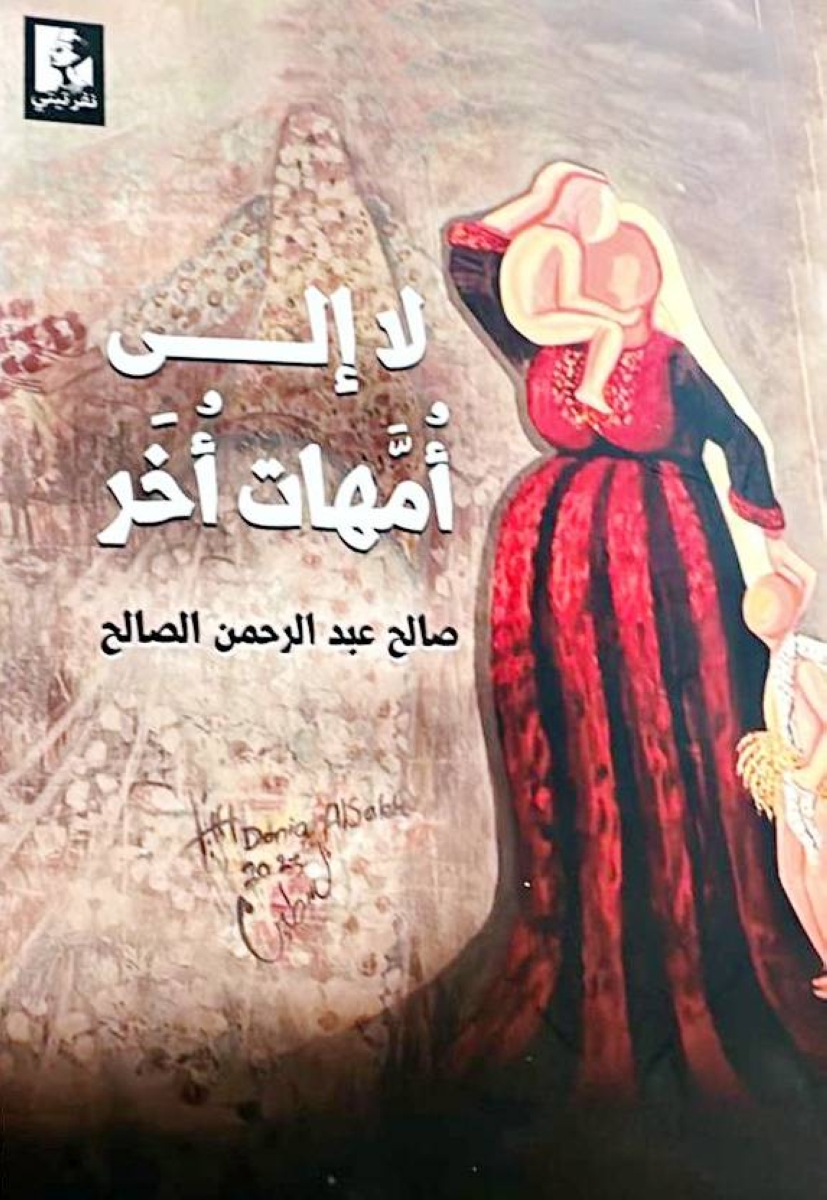
ربما تنقل الكاميرات أحداثاً دامية، تثير الأحزان والتساؤلات، شأن القصائد والكلمات، إلا أن العبارات أقوى وأخلد من الصور، التي يمحو بعضها بعضاً بأهوالها، ومن الكلام المجاني الذي يلفت انتباه الآخرين إلى القائل دون اهتمام بالحدث. وفي مجموعته الشعرية الأحدث «لا إلى أُمهات أُخَر» يتناول الشاعر صالح بن عبدالرحمن الصالح جملةً من مآسي الفلسطينيين والعرب ومتاعبهم، في ظل شراسة وتغوّل إسرائيل، وفظاعة مجازرها بحق أبرياء عُزّل.
وكأنّ _أبو دينا) يؤمّل أن ترفد قصائده الهمم فلا تفتر، فتراه بمفرداته أصيلة الانتماء يناصر ويواسي محاولاً أن يبلغ صوته سمع سيدة مكلومة شأن (آلاء النجار)، وشعب مغلوب على أمره كشعب غزة، فيما يبعث السلام صبحاً وعشياً للذين ينزحون إلى باطن الأمّ، لتغدو القصيدة موقف رفض واحتجاج، وثيمة وتميمة عزاء ومواساة.
تضمنت المجموعة 25 نصّاً ما بين عامودي وتفعيلي وشعر منثور، ونجح الصالح بحكم مخزونه الثقافي في التعبير عن مكامن الوجع العام والخاص، مستنطقاً التاريخ، ومُحاكماً الجغرافيا الجائرة في التطاول والعدوان، ومنافحاً عن قضايا عروبته باللغة الثائرة، باعتبارها عنوان صدق مشاعر المُغنّي في ليلة عُرس لم يحضر مأساتها أحد.
يذكر أنّ المجموعة صدرت عن دار نفرتيتي للنشر والدراسات والترجمة في القاهرة، ورسمت لوحة الغلاف ابنة الشاعر التشكيلية دينا الصالح، كما أسهمت مع المهندس أحمد بهاء الدين في الرسوم الداخلية. ونسّقت المجموعة مي مجدي، وأشرف على إخراجها السيّد عبدالفتاح.
بقصائد مجموعته «لا إلى أمهات أُخر»
صالح الصالح ينافح عن قضايا عروبته باللغة الثائرة
12 سبتمبر 2025 - 04:07
|
آخر تحديث 12 سبتمبر 2025 - 04:07


تابع قناة عكاظ على الواتساب
علي الرباعي (الباحة) Al_ARobai@
Cameras may capture bloody events that evoke sorrow and questions, much like poems and words, yet phrases are stronger and more enduring than images, which erase each other with their horrors, and than the free speech that draws others' attention to the speaker without regard for the event. In his latest poetry collection "Not to Other Mothers," poet Saleh bin Abdulrahman Al-Saleh addresses a number of the tragedies and troubles faced by Palestinians and Arabs in light of Israel's ferocity and its horrific massacres against defenseless innocents.
It seems that Abu Dina hopes his poems will inspire determination that does not wane, as he uses his words, deeply rooted in belonging, to support and console, attempting to make his voice heard by a grieving woman like Alaa Al-Najjar, and a people overwhelmed by their fate like the people of Gaza, while sending peace morning and evening to those who are displaced to the womb of their mother, turning the poem into a stance of rejection and protest, a theme and a talisman of solace and consolation.
The collection includes 25 texts, ranging from traditional and free verse to prose poetry, and Al-Saleh succeeded, thanks to his cultural wealth, in expressing the sources of both public and private pain, invoking history, and challenging the unjust geography that encroaches and aggresses, defending the issues of his Arab identity with a rebellious language, considering it a true expression of the singer's feelings on a wedding night that no one attended its tragedy.
It is worth mentioning that the collection was published by Nefertiti Publishing House for Publishing, Studies, and Translation in Cairo, with the cover art created by the poet's daughter, the artist Dina Al-Saleh, who also collaborated with engineer Ahmed Bahaa El-Din on the internal illustrations. The collection was coordinated by Mai Magdy, and overseen in its production by Mr. Abdel Fattah.
It seems that Abu Dina hopes his poems will inspire determination that does not wane, as he uses his words, deeply rooted in belonging, to support and console, attempting to make his voice heard by a grieving woman like Alaa Al-Najjar, and a people overwhelmed by their fate like the people of Gaza, while sending peace morning and evening to those who are displaced to the womb of their mother, turning the poem into a stance of rejection and protest, a theme and a talisman of solace and consolation.
The collection includes 25 texts, ranging from traditional and free verse to prose poetry, and Al-Saleh succeeded, thanks to his cultural wealth, in expressing the sources of both public and private pain, invoking history, and challenging the unjust geography that encroaches and aggresses, defending the issues of his Arab identity with a rebellious language, considering it a true expression of the singer's feelings on a wedding night that no one attended its tragedy.
It is worth mentioning that the collection was published by Nefertiti Publishing House for Publishing, Studies, and Translation in Cairo, with the cover art created by the poet's daughter, the artist Dina Al-Saleh, who also collaborated with engineer Ahmed Bahaa El-Din on the internal illustrations. The collection was coordinated by Mai Magdy, and overseen in its production by Mr. Abdel Fattah.


