


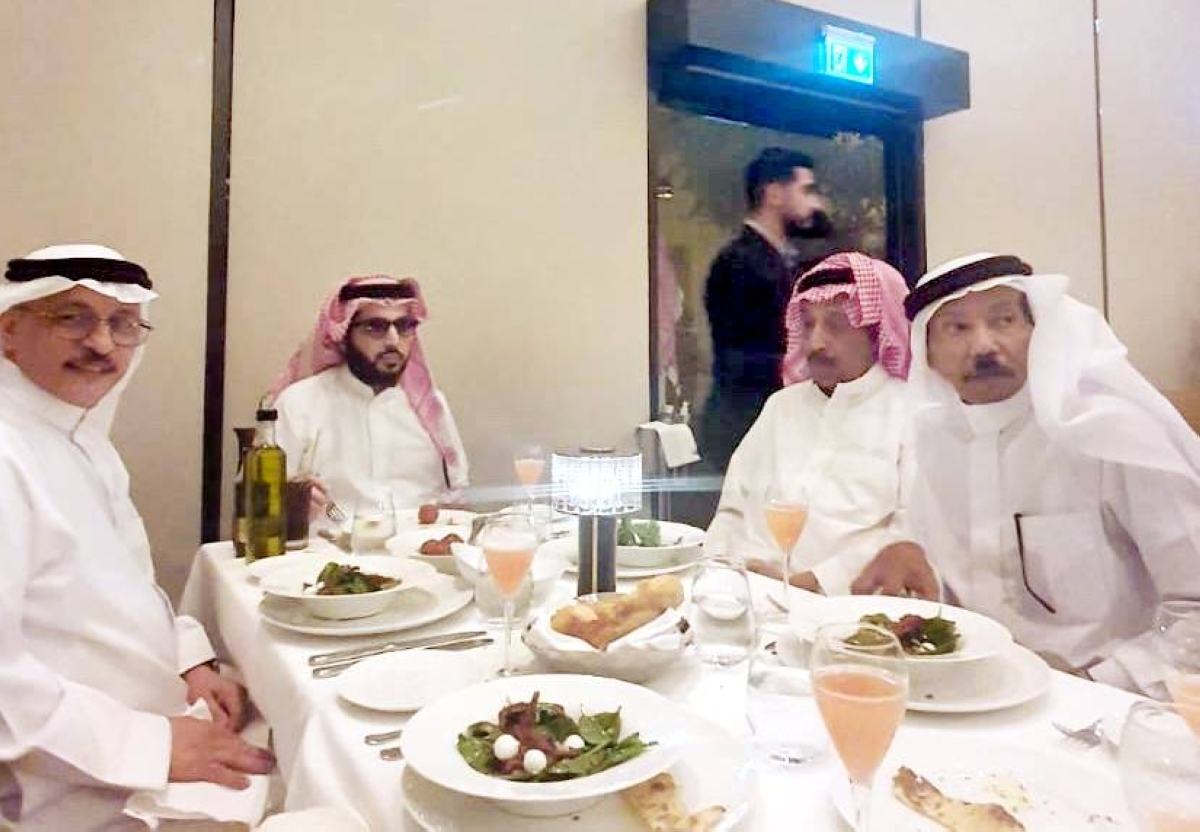
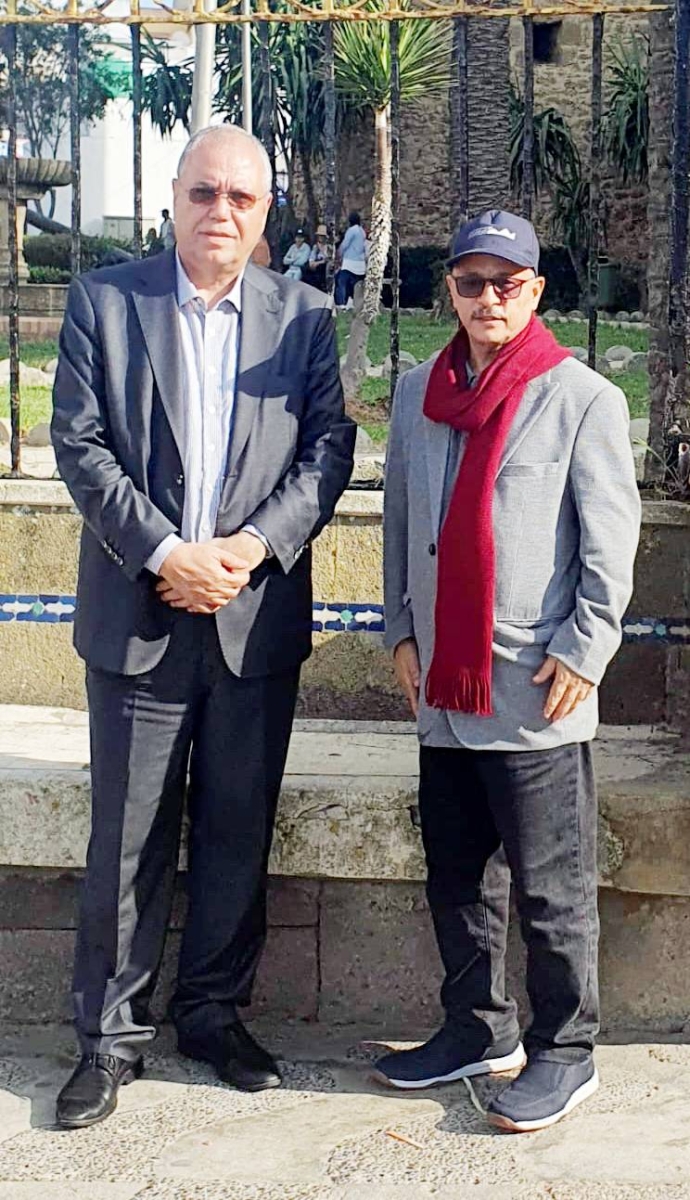
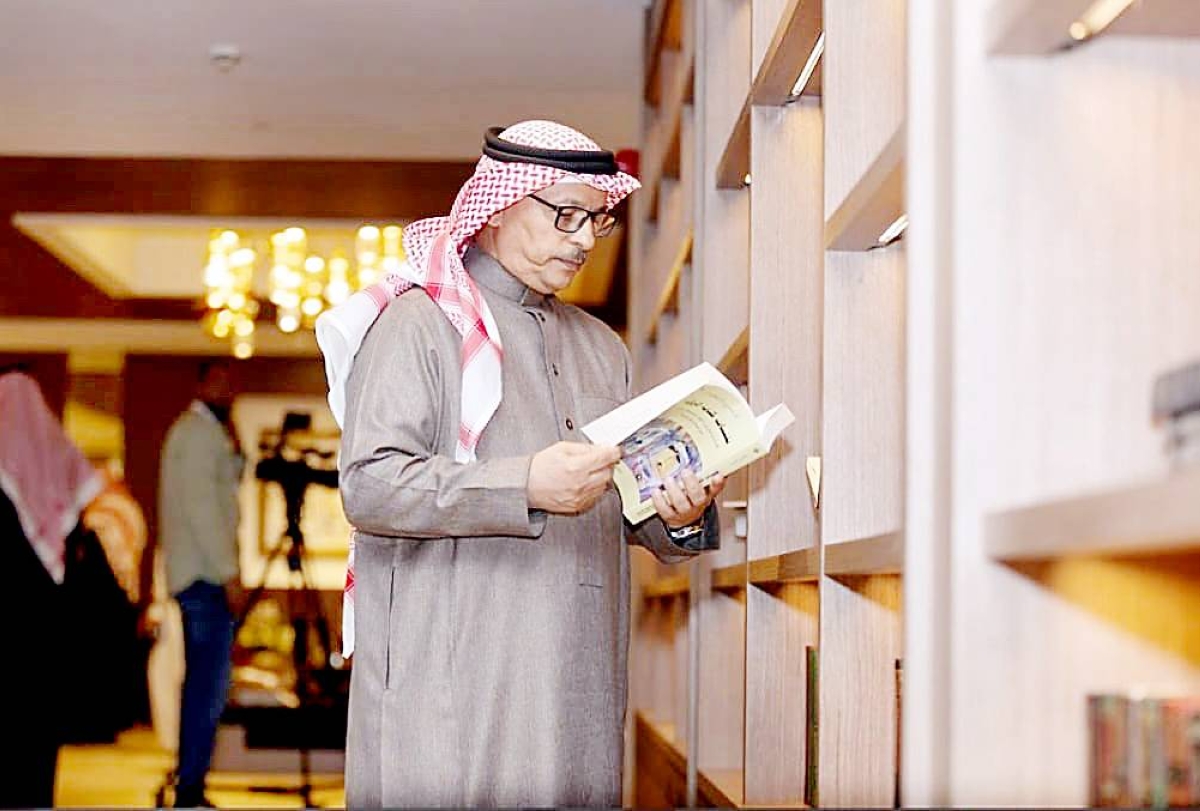
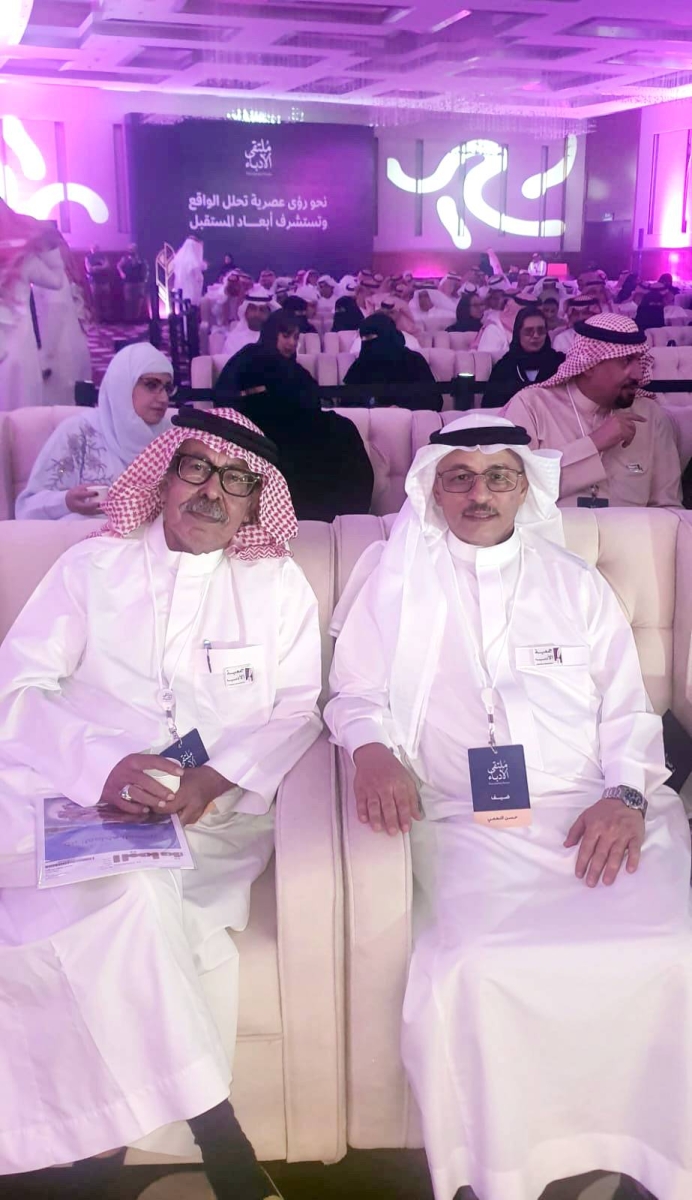
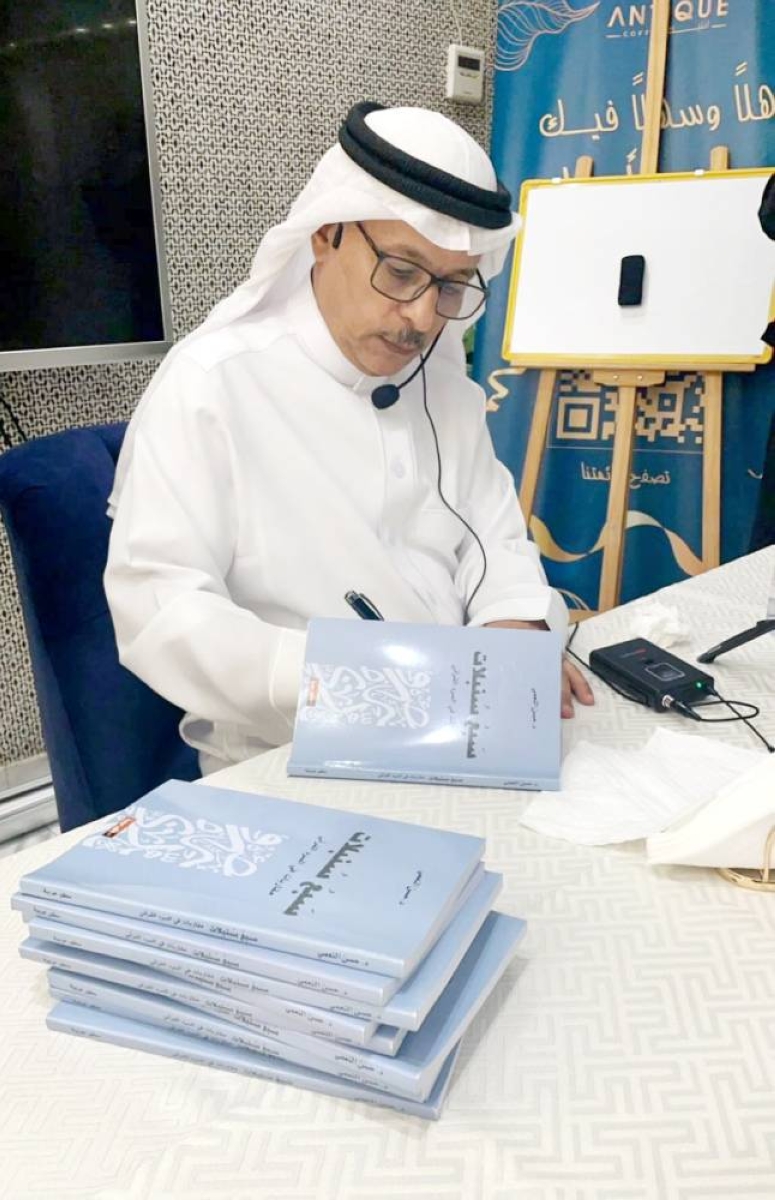
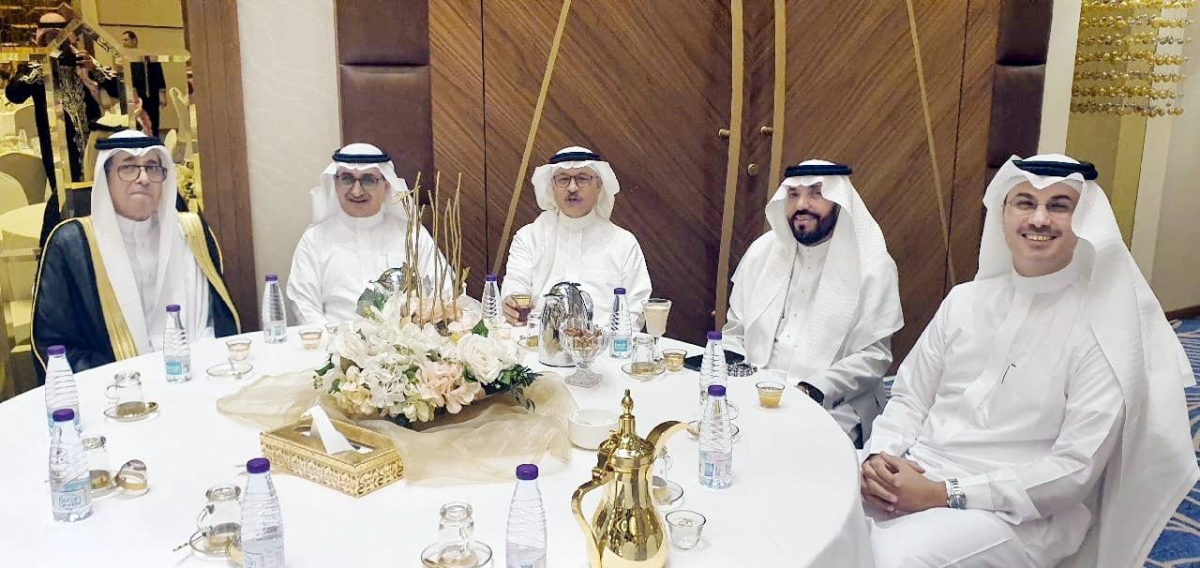
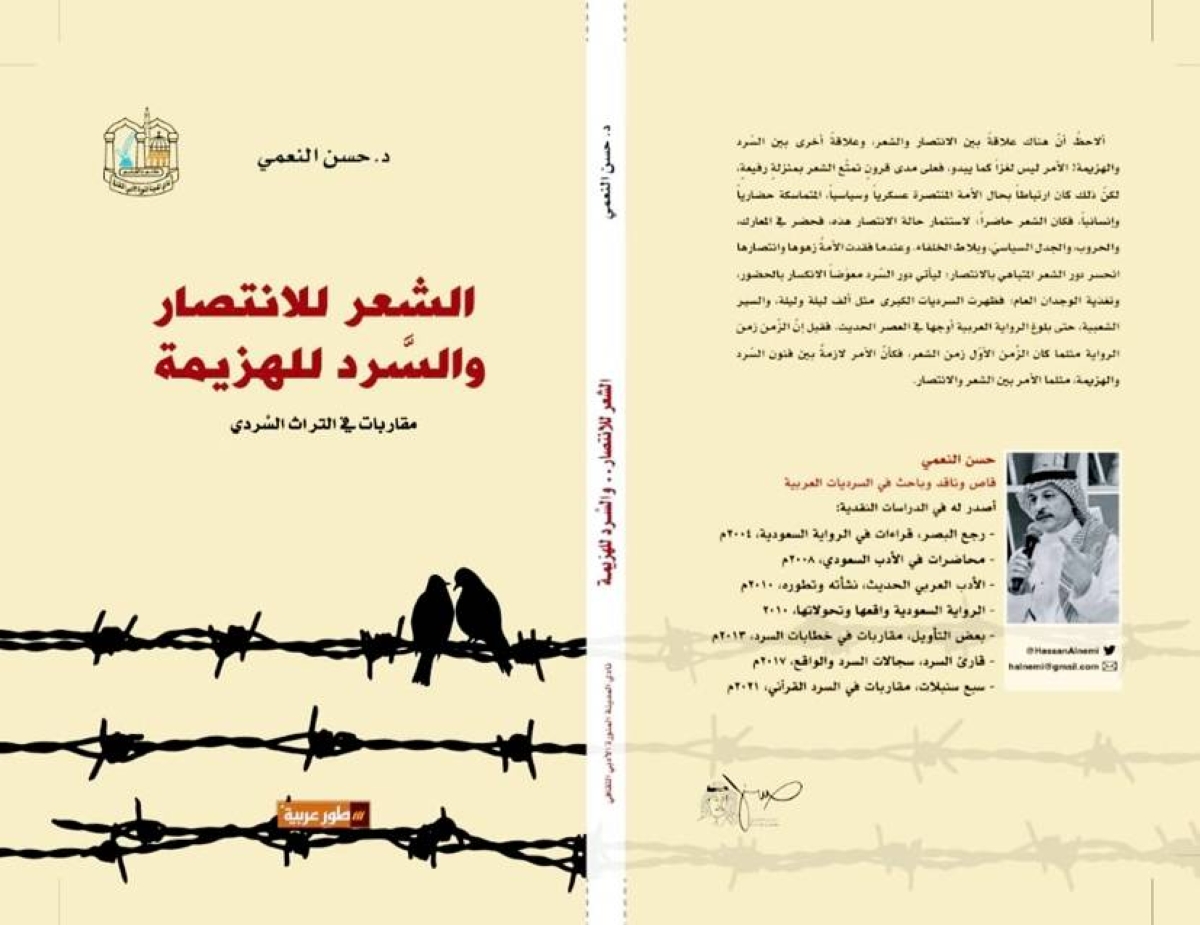
في شخصية الناقد الدكتور حسن النعمي من نقاء هواء جبال الجنوب، ورِقّة ورهافة أشجار سهوله، وعذوبة مياه وديانه المحتفظة ببكارتها، وبداخله حواريّة نابعة من ملامسة ومعايشة مسامرات القرويين في ظلام دامس تنيره أرواح عاشقي الحياة، ويمثّلُ النعمي وعياً يقوم على حدس المزارع، وحذر الرعاة، وتشوّف العُشّاق، وهو نموذج للإنتاج الثقافي في عالمنا العربي، والانتصار للجماليات دون مواقف حدّية مُسبقة، ولا ممالأة مُتكلّفة، وهنا نصّ حوارنا معه..
• من رجال ألمع، إلى أبها، إلى جدة، ماذا يتبقّى في الذاكرة من المكان؟ وما الذي منحتك إياه كل مدينة؟ وإلى أيٍّ منها تحنّ؟
•• الذاكرة هي مستقبل اللحظات التي ننشدها بالسير قدماً. يفترض ألّا يرهق المرء نفسه بالتخطيط الجامد. كنت أتقدم رأسياً وأتوسع أفقياً، وهنا تحضر الأمكنة والذكريات والتراكم المعرفي ليدعم السير إلى الأمام. القرية كانت المكون الأول الأساس في تجربتي القصصية، وأبها كانت العبور، وجدة كانت ولا تزال الرئة التي تضخ مفاعيلها في داخلي. فإذا كتبت نصاً، أراه يمتد من أبعد نقطة في القرية إلى صفحة الموج في ساحل جدة، نصاً تصنعه التباسات المكان والتجارب والوجوه التي أحيا بها، واللحظات الخاصة في حياتي.
• لماذا آثرت الدراسة الجامعية في وقتٍ يتسابق فيه جيلك للدراسة في معهد المعلمين، والخروج للوظيفة؟
•• كانت أمي -رحمها الله- أول المحتجين، إذ من وجهة نظرها كيف أذهب لعالم غريب ومستقبل مجهول، بينما زملاء الدراسة التحقوا بمعهد إعداد المعلمين. أمي لم تكن تفرق بين مسارات الدراسة إلا أن ما أغراها بالاقتراح أن المعهد كان على بعد خطوتين من بيتنا، وكل صباح ترى الطلاب وتحلم أن ترى ابنها جزءاً من هذه المنظومة. خالفت توقعها واخترت طريق المجهول كما تقول. ربما كنت أحمل الشكوك ذاتها، لكنها شكوك شاب لم تقعده عن المغامرة. ذهبت للدراسة في جامعة الملك عبدالعزيز، ولم تكن الهواتف جزءاً من ثقافة أغلب البيوت في أوائل الثمانينيات الميلادية. فكان الانقطاع عن الأهل حتماً، والبديل هو الرسائل الخطية التي لها في الذاكرة ما لها من دفء المشاعر، ولها صياغات يألفها كل من خطت يده رسالة تحية وسلام.
• كيف تصف حقبة دراستك في جامعة الملك عبدالعزيز؟ وهل رسمت طريقك للدراسات العُليا مبكّراً، أم أنها أقدار؟
•• لم أكن أخطط، ولم أكن أعرف عن الدراسات العليا، وعندما حدثني أحد الطلاب، وقال شد حيلك لتصبح معيداً، اندهشت من الكلمة إذ لها من الظلال السلبية في أذهاننا الكثير. في السنة الثالثة من الجامعة حدثني أحد الأستاذة إذا كان بوسعي أن أعيش في جدة بقية عمري، وقتها قال لي، هناك وظيفية معيد، لم أرتبك وقتها وظللت من وقتها أنشدها مع التفكير في فرص أخرى بعد التخرج، وما كان أكثرها بالنسبة لجيلنا.
• ما الذي أغراك بالدراسة في جامعة إنديانا؟ وكيف تجاوزت الصدمة الثقافية؟
•• لم يكن هناك أي إغراء بشأن جامعة إنديانا سوى سمعتها الأكاديمية، اخترتها من بين ثلاث جامعات حصلت على قبولها، إلا أن وجودي هناك أتاح لي التعرف على الصديق الغالي الدكتور عبدالعزيز السبيل، الرجل الذي خفّف عني الصدمة الثقافية، كان نعم الأخ، سنداً وعوناً في ظروف الحياة هناك. ولا أنسى أنه أول من قابلت من الطلاب المبتعثين بطريقة قدرية. ومضت أيامنا في تواصل معرفي وثقافي، ذلك أن الدكتور السبيل كان مبتعثاً من القسم نفسه؛ لذا كان ذلك قاسماً مشتركاً. وفوق ذلك السبيّل من أنبل الرجال وفاءً وخلقاً وتضحية من أجل إسعاد غيره، ومن عرفه ربما يمنحه قولاً أكثر مما قلت.
• أيّ الأجناس الأدبية استهواك مطلع الوعي؟
•• بدأت أجرب الشعر، كتبت ونشرته في بداية حياتي الأدبية، إلا أنني وجدت ضالتي في القصة. ذات يوم طلب منا أستاذ اللغة العربية كتابة قصة تنتهي ببيت شعر:
«إذا أنت أكرمت الكريم ملكته.. وإن أنت أكرمت اللئيم تمردا»، وكان هذا البيت انطلاقتي في بناء قصة متخيلة بأسلوب رصين انعكست فيه قراءاتي في تلك المرحلة. المبهر في تلك التجربة هو بناء القصة، وهو ما أشاد به الأستاذ حينها، وعلى إثر إشادته أرسلتها لجريدة الجزيرة، نشرها كان بالنسبة لي تدشين مرحلة مهمة في حياتي، لم يكن هناك من يوجهني سوى ما أقرأ وألاحظ وأدقق ومن هنا ظهر اهتمامي بالنقد، إذ النقد ليس هجاءً، بل بناء معرفي عكس ما يعتقد البعض.
• هل أضاف لك الحراك الثقافي والأدبي أثناء الدراسة شغفاً بالنقد الأدبي؟ وبمن تأثرت؟
•• بالتأكيد كان الحراك الثقافي في أوجِّه من خلال النادي الأدبي في محافظة جدة، كنت أذهب لألتقي نخبة المثقفين عرباً وسعوديين، كنت أستمع وألاحظ وأدوّن، وأرقب المفارقات في النقاشات الساخنة في الصحافة الثقافية وعلى رأسها ملحق أصداء الكلمة في جريدة «عكاظ». يومها كان الدكتور سعيد السريحي المشرف على الملحق، وكان يمتلك رؤية مغايرة، وليس مجرد صحفي مهني تقليدي. وله الفضل الذي قادني للنقد. إذ أسند لي نقد قصة قصيرة، إذ من توجهات الملحق نشر النصوص مع قراءات نقدية، لتتحول إلى سجالات بين الكتاب وأصحاب القراءات.
أما بمن تأثرت فكل قراءة قرأتها تركت بصمة في تجربتي، شكلت في مجموعها مسار التعبير الأدبي والنقدي في تجربتي بالشكل الذي هي عليه الآن بما لها وما عليها.
• بماذا حصّنت نفسك من التجاذبات التياريّة؟ وهل نجوت من صراعات الحداثيين؟
•• أعتقد نجوت ليس لقدرة مني، بل لأني أحب تأمل الظواهر عن بُعد، ولست من أنصار المواجهات التي تستنزف الطاقة، وتصرف عن الشواغل الحقيقية للمشتغلين بالثقافة.
• ما سرّ اهتمامك بالفن السابع؟ وهل تعوّل على سينما سعودية فاعلة ومؤثرة؟
•• في سيرتي الذاتية، وهي تحت الكتابة الآن، أرصد بدايات تعرفي على السينما في أبها، عندما كان عرض الأفلام مسموحاً قبل قدوم الصحوة التي أطفأت يقظة الحياة من حولنا، نعم الدهشة تملكتني منذ البدء. عالم مختلف ينبئ عن إنتاج الحياة بشكل مغاير. كل فيلم شاهدته كرّس تجربة القصة عندي، فعرفت مبكراً أن العلاقة بين القصة/ الرواية والسينما ليست مجرد اقتباس، بل مسار سردي واحد، الرواية بالتجريد والسينما بالتجسيد؛ أي السرد من الكلمة إلى الصورة. من هنا جاء اهتمامي بالسينما، فأعددت رسالة الدكتوراه عن روايات نجيب محفوظ في السينما. وحققت من خلالها فهم العلاقة بطريقة منهجية ساعدتني على التركيز أكثر على السردية الكلية بين الرواية والسينما.
• بماذا خرجت من التدريس في جامعة الملك عبدالعزيز طيلة ثلاثة عقود؟
•• تجربتي في الجامعة غنية بحب الناس من حولي؛ طلابي وزملائي وكل من تعاملت معه. وعادتي أن أترك مسافة بيني وبين الناس، أحترم الجميع، وأقوم بالحق لي أو علي.
أما على سبيل التجربة الأكاديمية فالفوائد كثيرة؛ أولاها أعادتني لقراءة الأصول والمتون الكبيرة في الأدب. أذكر أن أستاذاً سودانياً كان مسؤولاً عن توزيع الجداول الدراسية، وعندما رأى حيرتي وبحثي عن مواد تخصصي، نصحني نصيحة أعتقد أنها أهم نصيحة في مساري الأكاديمي، قال لي درّس أي مادة تسند إليك في الجدول، فهذا تأسيس تحتاجه، أخذت بنصيحته، وقمت بدريس كافة مواد الأدب من الجاهلي إلى الحديث، مروراً بالنقد ونظرية الأدب، استفدت كثيراً، وربما لو كنت في ظروف غير هذه لما وجدت الفرص للتعمق فيها، الفرق بين هذه القراءات والقراءات الأخرى، أن القراءة للوقوف أمام الطلاب تحفّز الأستاذ على أن يستقصي ويدقق ليكون حاضر الإجابة عن أي سؤال. وأخيراً أرى أني أفدت من قراءات ومناقشات الطلاب، خصوصاً طلاب الدراسات العليا فهي عقول أخرى ترى الأشياء بطريقة مغايرة.
• كيف ترى مرحلة التقاعد؟ وهل تدفعك للمزيد من العمل والإنتاج؟
•• التقاعد مرحلة تعقب عملاً منظماً، فهي مرحلة أنت تملك فيها التنظيم والقرار، وهي المرحلة التي يصنع فيها الإنسان جدوله اليومي في أغلب الظروف، إذ يحدد أولوياته وفقاً لطريقته وأسلوبه. لذا يعمد المتقاعد الذي يستوعب المرحلة إلى استثمار تجاربه وخبراته، يضيف إليها من حكمة العمر وطرائقه. أتحدث هنا عن تقاعد المشتغلين بالثقافة خارج سياق العمل الإداري والتعليمي. أعتقد أنهم الأكثر نجاة من افتراس هموم العزلة. لعلي هنا رسمت تصوراً عاماً لكل مقبل على التقاعد أو يعيش لحظاته.
• متى قرّرت تفعيل مواقع التواصل الاجتماعي لتجسير الهوّة بينك وبين المتلقي؟
•• أعتقد منذ انحسار التواصل الورقي، وهيمنة وسائط التواصل الحديثة، كان القرار. للتواصل عبر الوسائط الحديثة فوائد كثيرة من أهمها تغيير نمط التلقي من مؤجل إلى تلقٍ آني. فعند نشر أي موضوع أجد ردة الفعل مباشرة، وهذا تحفيز للكاتب لا يدانيه أي تحفيز. الأمر الثاني في أهمية الوصول إلى أكبر شرائح المتلقين، في أماكن مختلفة في وقت واحد. إن الجلوس في محاضرة أمام جمهور مهما بلغ عدده أقل تأثيراً من التواجد على منصات (تويتر) أو (الفيسبوك) أو غيرهما. لذا كان القرار للاعتبارات السابقة. أما أفضل المنصات بالنسبة لي حيث تواصل المتلقين فمنصة (X) تويتر سابقاً، والتيك توك، جماهيرية عالية وتفاعل أكثر.
• أي مواقع التواصل أقرب إلى نفسك اليوم؟
•• أرى أن التيك توك هو الأكثر انتشاراً وتأثيراً، وموجة الزحف إليه أكبر من كل المنصات.
• هل سدّت مواقع التواصل الفراغ الذي أحدثه التوقف عن الكتابة الصحفية؟
•• لم تسد وحسب، بل صنعت نمطاً مغايراً، نقضت به مركزية الخطاب المعتاد في الصحافة الورقية، وجعلت كل متلقٍّ مركزاً بذاته، هنا تظهر فكرة اتساع مساحة الآراء التي كانت الصحافة الورقية تمارس دور الفلترة والرقابة السلطوية. في وسائل التواصل أصبح صانع المحتوى مسؤولاً عن محتواه أمام القانون والمجتمع. وهنا ظهرت فردية الخطاب وتنوع منطلقاته.
• أين تقع المدرسة النقدية السعودية بين المدارس العربية؟
•• أولاً، لا توجد مدارس نقدية عربية، بل اشتغالات نقدية، وهذا فارق كبير، إذ إن المدرسة، اتجاه فلسفي أولاً قبل أن تكون ممارسة. نحن العرب نعمل بالممارسة طبعاً بعد استيعاب منطلقات هذه المدراس والاتجاهات النقدية. وفي جانب الاشتغالات هناك ممارستان: الأولى ما قدمه نقاد المغرب العربي من شروحات وترجمات للنظريات الغربية خصوصاً الفرنسية. والممارسة الثانية، ما قدمه نقاد المشرق العربي مصر وبلاد الشام، على وجه التحديد، من اشتغالات نقدية من منظور النقد التاريخي، كما فعل الدكتور طه حسين. ولعل الجانب الأبرز في اشتغالات المشرق العربي الاهتمام بالتحقيق وقراءة التراث العربي منذ أوائل القرن العشرين.
وذكرت أن ليست هناك مدارس نقدية عربية، وبالضرورة لا توجد مدرسة نقدية سعودية. وإنما اشتغالات نقدية تواصلاً في البدء مع المنجز العربي الذي سبقنا، ثم الإسهام بعد ذلك بالتواصل مع المنجز الغربي دون وسيط عربي نتيجة لحركة التنوير والبعوث الدراسية التي اطلع عليها أبناء الجزيرة العربية منذ الستينيات الميلادية، وظهر تأثير هذا التواصل منذ الثمانينيات الميلادية في حركة النقد في السعودية وبقية دول الخليج.
• هل نجحت في تحقيق التوازن النفسي في ظل التغيرات المتسارعة ؟
•• تعلّمت مبكراً أن أقول رأيي ولا أسعى لفرضه؛ لذا الناس تتقبلك لأنك تقول وتمضي. الذين يدخلون في مواجهات مرهقة ربما تكون خاسرة هو السعي لإثبات صحة وجهات النظر في الأمور الجدلية. لذا، أتكيف مع المتغيرات بما يناسب رؤيتي للحياة.
• بماذا هذّبت نرجسية الناقد؟
•• ربما لأني كتبت القصة قبل أن أمارس النقد، فأشعر بقيمة القاص أكثر. الناقد كائن يحدق في النص، بينما النص هو الذي يستفز الناقد ليشتبك معه في حوارية طويلة. الكاتب يحاور العالم من خلال نصه، بينما الناقد يحاور العالم من خلال قراءته النص!
• ما موقفك من تسييل الثقافة؟
•• الثقافة لها مستويان، ثقافة النخبة، وهي منتجة للقيم الفكرية والمعرفية والأدبية، وثقافة العامة وهي ثقافة اليومي والهامشي والمستهلك، ومنذ وعد ما بعد الحداثة التي اهتمت بالهوامش وأدخلتها في جوانب الاهتمام، تداخل المستويان. ولعل استيعاب الثقافة بمعناها الواسع، من كونها ثقافة كل مهارة لغوية أو فنية أو حركية تدخل في جوانب الثقافة. وأعتقد أن هذا الأمر ليس وليد اللحظة، بل له جذوره في تراثنا العربي، ثقافة نخبوية كان عمادها الشعر، وثقافة عامة قوامها السرد كما في ألف ليلة وليلة التي كانت النخبة العربية تترفع عن الإقرار بها.
الخلاصة مع رؤية 2030 جاء التأكيد على تقريب الفجوة بين النخبوي والشعبوي؛ لإنتاج ثقافة جيل منفتح أكثر على العالم في زمن وسائل التواصل والذكاء الاصطناعي، في زمن نقض المركزيات الكبرى لإتاحة الفرصة للهوامش ليكون لها حضورها، في سياق الضرورات الحتمية. ومتى استقبلنا ذلك بوعي أكبر وقدرة على التوازن أعتقد أن ذلك إضافة للهوية الثقافية الجديدة.
• هل المسرح السعودي بخير؟
•• مع رؤية 2030، تعيش الفنون تجربة اجتماعية مختلفة، وهي فرصة للخروج من سوء الاستقبال الذي عانت منها الفنون إلى حاضر مشجع وداعم. المسرح والسينما يحظيان في الوقت الحاضر باهتمام مؤسسي أكبر، وهي فرصة لصناع المسرح والسينما لأخذ المبادرة. نعم حال المسرح، وكل الفنون الآن أفضل؛ لأن الفنون الجمعية لا يمكن لها أن تعمل إلا في سياق يسمح لها بالنمو والتمدد.
• لمن تعزو فضل ما حققت من نجاحات؟
•• يقول ابن عربي الإنسان لا يصنع القدر، لكنه يعيشه، وكل إنسان هو تجربة أقدار عاشها. ولذلك، لكل من حولي فضل علي، ولي فضل عليه بطريقة أو أخرى. باختصار تجربتي في الحياة ليس فيها طفرات مفاجئة، بل نمو بطيء متراكم، فكل من علمني منذ أول درس في حياتي إلى اليوم له فضل علي، قد يكون درساً أو نصيحة، أو رأياً سمعته وأخذت به، أو قراءة في كتاب لمؤلف لا أعرفه. في النهاية الفرد نسيج من الكل، مع بقاء القدرات الذاتية التي تشكل فارقاً في النمو والتميز والعطاء.
• كيف تصف لنا علاقة الصداقة الوطيدة مع الشاعر محمد زايد الألمعي؟ وماذا تقول له وعنه بعد رحيله؟
•• جمعتني بالصديق محمد زايد الألمعي أًلفة المكان، فنحن أبناء محافظة رجال ألمع، نتقاسم تفاصيل المكان، ثقافة السهل وسط شواهق الجبال. لذا خطابنا فيه نزعة إنسانية. سبقني محمد زايد إلى ميدان الأدب فكان أول من استقبلني في نادي أبها الأدبي وقدّمني لرئيس النادي حينذاك محمد بن حميد، وزكّاني بوصفي كاتب قصة واعداً. كان ذلك في عام 1984. وقتها اقترح محمد زايد أن أقدم مجموعتي القصصية الأولى (زمن العشق الصاخب) إلى النادي لطباعتها. وأقنع النادي بما له من نفوذ أن تطبع في جدة حيث عملي لسهولة المتابعة والمراجعة. كان حريصاً أن تظهر بأفضل إخراج ممكن. المفارقة أني سألته: لِمَ لمْ ينشر؟، وهو أقدم تجربة؟ فكان يقول إنه ينتظر الأفضل في تجربته الشعرية. محمد زايد رحل ولم ينشر شعره في كتاب بحثاً عن الأفضل في تجربته. والحقيقة لقد خسر الوسط الثقافي تجربة شعرية رائعة كان ينقصها النشر والوصول إلى القارئ والباحث. في ميزان الشعراء محمد زايد من الصف الأول في جيله وبعد جيله، وتجربته موازية لتجربة محمد الثبيتي من حيث عمق التجربة وبراعة اللغة والتكوين. ولعل في تجربة محمد زايد عمقاً فلسفيّاً أكثر من غيره من شعراء جيله. رحم الله أبا عبدالخالق.
أكد أنّه بلا طفرات مفاجئة.. ويتكيّف مع المتغيرات
حسن النعمي: لا توجد مدارس نقدية عربية.. وتجربة محمد زايد موازية للثبيتي
5 سبتمبر 2025 - 00:40
|
آخر تحديث 5 سبتمبر 2025 - 00:40


تابع قناة عكاظ على الواتساب
حاوره: علي الرباعي Al_ARobai@
In the character of the critic Dr. Hassan Al-Naami, there is a purity reminiscent of the air in the southern mountains, the delicacy and sensitivity of the trees in its plains, and the sweetness of the waters in its valleys that retain their virginity. Within him lies a conversational spirit born from touching and living the dialogues of villagers in the pitch-black darkness illuminated by the spirits of life lovers. Al-Naami represents a consciousness based on the intuition of farmers, the caution of shepherds, and the yearning of lovers. He is a model of cultural production in our Arab world, championing aesthetics without preconceived extreme positions or forced flattery. Here is the text of our dialogue with him..
• From رجال ألمع to Abha to Jeddah, what remains in your memory of these places? What has each city given you? Which one do you long for?
•• Memory is the future of the moments we seek by moving forward. One should not burden oneself with rigid planning. I moved forward vertically while expanding horizontally, and here the places, memories, and accumulated knowledge come together to support the journey ahead. The village was the first essential component of my storytelling experience, Abha was the crossing point, and Jeddah was and still is the lung that pumps its effects within me. So when I write a text, I see it extending from the furthest point in the village to the wave page on the Jeddah coast, a text shaped by the ambiguities of place, experiences, and the faces I live with, and the special moments in my life.
• Why did you prefer university study at a time when your generation was racing to attend teacher training institutes and enter the job market?
•• My mother - may God have mercy on her - was the first to protest. From her perspective, how could I go to a strange world with an unknown future while my classmates joined the teacher training institute? My mother did not differentiate between study paths, except that what tempted her about the suggestion was that the institute was just two steps from our house, and every morning she saw the students and dreamed of seeing her son as part of this system. I defied her expectations and chose the path of the unknown, as she said. Perhaps I carried the same doubts, but they were doubts of a young man who was not deterred from adventure. I went to study at King Abdulaziz University, and phones were not part of the culture of most homes in the early 1980s. So, being cut off from family was inevitable, and the alternative was handwritten letters that held in memory the warmth of feelings, with formulations familiar to anyone who penned a greeting and peace message.
• How would you describe your study period at King Abdulaziz University? Did you chart your path for graduate studies early on, or was it fate?
•• I was not planning, nor did I know about graduate studies. When one of the students told me to work hard to become a teaching assistant, I was surprised by the term, as it had many negative connotations in our minds. In my third year at university, one of the professors asked me if I could live in Jeddah for the rest of my life. At that time, he told me there was a teaching assistant position available. I was not flustered then and have since sought it while considering other opportunities after graduation, many of which were available for our generation.
• What attracted you to study at Indiana University? How did you overcome the cultural shock?
•• There was no allure regarding Indiana University except for its academic reputation. I chose it among three universities I was accepted to, but my presence there allowed me to meet my dear friend Dr. Abdulaziz Al-Sabeel, a man who eased my cultural shock. He was a true brother, a support and help in the circumstances of life there. I will never forget that he was the first person I met among the scholarship students in a fateful way. Our days passed in intellectual and cultural communication, as Dr. Al-Sabeel was also a scholarship student from the same department; thus, it was a common ground. Moreover, Al-Sabeel is one of the noblest men in loyalty, character, and sacrifice for the happiness of others. Those who know him might give him more praise than I have.
• Which literary genres captivated you at the dawn of your awareness?
•• I started experimenting with poetry; I wrote and published it at the beginning of my literary life, but I found my calling in storytelling. One day, our Arabic teacher asked us to write a story that ends with a line of poetry:
“If you honor the noble, you will own him... And if you honor the vile, he will rebel.” This line was my starting point in building an imagined story with a solid style that reflected my readings at that stage. The remarkable aspect of that experience was the construction of the story, which the professor praised at the time. Following his praise, I sent it to Al-Jazirah newspaper, and its publication marked the beginning of an important phase in my life. There was no one to guide me except what I read, observed, and scrutinized, and from here my interest in criticism emerged, as criticism is not mere invective but a knowledge-building process contrary to what some believe.
• Did the cultural and literary movement during your studies ignite a passion for literary criticism in you? Who influenced you?
•• Certainly, the cultural movement was at its peak through the literary club in Jeddah. I would go to meet a select group of Arab and Saudi intellectuals; I would listen, observe, take notes, and watch the contradictions in heated discussions in cultural journalism, especially the “Echoes of the Word” supplement in Okaz newspaper. At that time, Dr. Saeed Al-Suhaili was supervising the supplement and had a different vision, not just a traditional professional journalist. He is the one who led me to criticism, as he assigned me to critique a short story. The supplement's approach was to publish texts with critical readings, turning them into debates between writers and critics.
As for who influenced me, every reading I encountered left a mark on my experience, collectively shaping the path of my literary and critical expression as it is now, with its merits and demerits.
• How did you fortify yourself against the tensions of ideological currents? Did you escape the conflicts of modernists?
•• I believe I escaped not due to my ability but because I love to contemplate phenomena from a distance. I am not an advocate of confrontations that drain energy and distract from the real concerns of those engaged in culture.
• What is the secret behind your interest in the seventh art? Do you rely on an active and influential Saudi cinema?
•• In my autobiography, which is currently being written, I recount the beginnings of my acquaintance with cinema in Abha when film screenings were allowed before the awakening that extinguished the vibrancy of life around us. Yes, wonder captivated me from the start. A different world that reveals life’s production in a different way. Every film I watched solidified my storytelling experience, so I realized early on that the relationship between story/novel and cinema is not merely an adaptation but a single narrative path, with the novel being abstract and cinema being concrete; that is, the narrative moves from word to image. Hence, my interest in cinema grew, and I prepared my doctoral thesis on Naguib Mahfouz's novels in cinema. Through it, I achieved an understanding of the relationship in a methodological way that helped me focus more on the overall narrative between the novel and cinema.
• What have you gained from teaching at King Abdulaziz University for three decades?
•• My experience at the university is rich with the love of the people around me—my students, colleagues, and everyone I interacted with. My habit is to maintain a distance between myself and others; I respect everyone and uphold my rights and obligations.
As for the academic experience, the benefits are many; the first of which brought me back to reading the fundamentals and major texts in literature. I remember a Sudanese professor who was responsible for distributing the class schedules. When he saw my confusion and my search for my specialization subjects, he gave me advice that I believe is the most important in my academic path. He said, “Teach any subject assigned to you in the schedule; this is a foundation you need.” I took his advice and taught all literature subjects from pre-Islamic to modern, including criticism and literary theory. I benefited greatly, and perhaps if I had been in different circumstances, I would not have found opportunities to delve into them. The difference between these readings and others is that reading to stand before students motivates the professor to investigate and scrutinize to be present to answer any question. Finally, I see that I benefited from the readings and discussions of students, especially graduate students, as they are other minds that see things differently.
• How do you view the retirement phase? Does it drive you to work and produce more?
•• Retirement is a phase that follows organized work; it is a phase where you have the organization and decision-making power. It is the stage where a person creates their daily schedule in most circumstances, determining their priorities according to their method and style. Thus, a retiree who understands this phase tends to invest their experiences and knowledge, adding to them the wisdom of age and its methods. I am speaking here about the retirement of those engaged in culture outside the context of administrative and educational work. I believe they are the most likely to escape the predation of isolation concerns. Here, I may have drawn a general perception for anyone approaching retirement or living its moments.
• When did you decide to activate social media to bridge the gap between you and the audience?
•• I believe it was since the decline of paper communication and the dominance of modern communication media. The decision was made. Communicating through modern media has many benefits, the most important of which is changing the reception pattern from delayed to immediate. When I publish any topic, I find the reaction is immediate, which is a motivation for the writer unmatched by any other. The second point is the importance of reaching the largest segments of the audience in different places at the same time. Sitting in a lecture before an audience, no matter how large, has less impact than being present on platforms like Twitter or Facebook or others. Thus, the decision was made for the previous considerations. As for the best platforms for me where the audience interacts, it is the platform (X) formerly Twitter, and TikTok, which has high popularity and more interaction.
• Which social media platform is closest to your heart today?
•• I see that TikTok is the most widespread and influential, and the wave of migration to it is larger than all platforms.
• Have social media filled the void created by the cessation of journalistic writing?
•• It has not only filled it but has also created a different pattern, negating the centrality of the usual discourse in print journalism and making every recipient a center in themselves. Here, the idea of expanding the space for opinions emerges, which print journalism used to filter and impose authoritative censorship. In social media, the content creator is responsible for their content before the law and society. Here, individual discourse and its diverse origins appeared.
• Where does the Saudi critical school stand among the Arab schools?
•• First, there are no Arab critical schools, but rather critical practices, and this is a significant difference, as a school is a philosophical direction before it is a practice. We Arabs work through practice, of course, after absorbing the foundations of these schools and critical directions. In terms of practices, there are two approaches: the first is what critics from the Maghreb have offered in explanations and translations of Western theories, especially French ones. The second practice is what critics from the Mashreq, particularly Egypt and the Levant, have offered in critical practices from the perspective of historical criticism, as Dr. Taha Hussein did. Perhaps the most prominent aspect of the Mashreq's practices is the interest in verification and reading Arab heritage since the early twentieth century.
You mentioned that there are no Arab critical schools, and therefore there is no Saudi critical school. Rather, there are critical practices that initially connect with the Arab achievements that preceded us, and then contribute to the engagement with Western achievements without an Arab intermediary due to the enlightenment movement and the educational missions that the sons of the Arabian Peninsula were exposed to since the 1960s. The impact of this engagement has been evident since the 1980s in the movement of criticism in Saudi Arabia and the rest of the Gulf countries.
• Have you succeeded in achieving psychological balance amid rapid changes?
•• I learned early on to express my opinion without seeking to impose it; thus, people accept you because you speak and move on. Those who engage in exhausting confrontations may find themselves losing in the effort to prove the validity of viewpoints on contentious issues. Therefore, I adapt to changes in a way that suits my vision of life.
• How have you tempered the narcissism of the critic?
•• Perhaps because I wrote stories before I practiced criticism, I feel more value for the storyteller. The critic is a being that gazes at the text, while the text provokes the critic to engage with it in a long dialogue. The writer converses with the world through their text, while the critic converses with the world through their reading of the text!
• What is your stance on the commodification of culture?
•• Culture has two levels: the elite culture, which produces intellectual, knowledge-based, and literary values, and the popular culture, which is the culture of the everyday, marginal, and consumer. Since the promise of postmodernism, which focused on the margins and included them in areas of interest, the two levels have intertwined. Perhaps understanding culture in its broadest sense, as any linguistic, artistic, or kinetic skill that falls within the aspects of culture, is essential. I believe this matter is not a recent phenomenon but has its roots in our Arab heritage, where elite culture was based on poetry, and popular culture was based on storytelling, as in "One Thousand and One Nights," which the Arab elite distanced themselves from acknowledging.
In conclusion, with Vision 2030, there has been an emphasis on bridging the gap between the elite and the popular to produce a culture of a generation more open to the world in the age of social media and artificial intelligence, in a time that negates major centralities to allow the margins to have their presence in the context of inevitable necessities. Whenever we receive this with greater awareness and the ability to balance, I believe it will add to the new cultural identity.
• Is Saudi theater in good shape?
•• With Vision 2030, the arts are experiencing a different social experiment, providing an opportunity to emerge from the poor reception that the arts have suffered into a supportive and encouraging present. Theater and cinema currently enjoy greater institutional attention, and it is an opportunity for theater and cinema makers to take the initiative. Yes, the state of theater and all the arts is now better because collective arts cannot function except in a context that allows them to grow and expand.
• To whom do you attribute the credit for your achievements?
•• Ibn Arabi says that a person does not create fate, but lives it, and every person is an experience of fates they have lived. Therefore, everyone around me has a favor upon me, and I have a favor upon them in one way or another. In short, my life experience does not contain sudden leaps but rather a slow, accumulated growth, so everyone who has taught me from the first lesson in my life to today has a favor upon me, whether it be a lesson, advice, or an opinion I heard and followed, or a reading in a book by an author I do not know. In the end, the individual is a fabric of the whole, while retaining personal abilities that make a difference in growth, distinction, and contribution.
• How would you describe your close friendship with poet Muhammad Zaid Al-Alma'i? What do you say to him and about him after his passing?
•• My friendship with Muhammad Zaid Al-Alma'i was bonded by the familiarity of place, as we are both from the province of رجال ألمع, sharing the details of the place, the culture of the plain amidst the towering mountains. Thus, our discourse has a humanistic inclination. Muhammad Zaid preceded me into the literary field and was the first to welcome me at the Abha Literary Club, introducing me to the club's president at the time, Muhammad bin Hamid, and recommending me as a promising short story writer. This was in 1984. At that time, Muhammad Zaid suggested that I present my first short story collection, "The Time of Boisterous Love," to the club for publication. He convinced the club, with his influence, to publish it in Jeddah where I worked for ease of follow-up and review. He was keen for it to appear in the best possible presentation. Ironically, I asked him why he had not published, despite being the more experienced one. He would say he was waiting for the best in his poetic experience. Muhammad Zaid passed away without publishing his poetry in a book, searching for the best in his experience. The truth is that the cultural community lost a wonderful poetic experience that lacked publication and access to readers and researchers. In the balance of poets, Muhammad Zaid is among the first tier of his generation and beyond, and his experience parallels that of Muhammad Al-Thubaiti in terms of depth of experience, linguistic skill, and composition. Perhaps Muhammad Zaid's experience has a philosophical depth greater than that of other poets of his generation. May God have mercy on Abu Abdulkhaleq.
• From رجال ألمع to Abha to Jeddah, what remains in your memory of these places? What has each city given you? Which one do you long for?
•• Memory is the future of the moments we seek by moving forward. One should not burden oneself with rigid planning. I moved forward vertically while expanding horizontally, and here the places, memories, and accumulated knowledge come together to support the journey ahead. The village was the first essential component of my storytelling experience, Abha was the crossing point, and Jeddah was and still is the lung that pumps its effects within me. So when I write a text, I see it extending from the furthest point in the village to the wave page on the Jeddah coast, a text shaped by the ambiguities of place, experiences, and the faces I live with, and the special moments in my life.
• Why did you prefer university study at a time when your generation was racing to attend teacher training institutes and enter the job market?
•• My mother - may God have mercy on her - was the first to protest. From her perspective, how could I go to a strange world with an unknown future while my classmates joined the teacher training institute? My mother did not differentiate between study paths, except that what tempted her about the suggestion was that the institute was just two steps from our house, and every morning she saw the students and dreamed of seeing her son as part of this system. I defied her expectations and chose the path of the unknown, as she said. Perhaps I carried the same doubts, but they were doubts of a young man who was not deterred from adventure. I went to study at King Abdulaziz University, and phones were not part of the culture of most homes in the early 1980s. So, being cut off from family was inevitable, and the alternative was handwritten letters that held in memory the warmth of feelings, with formulations familiar to anyone who penned a greeting and peace message.
• How would you describe your study period at King Abdulaziz University? Did you chart your path for graduate studies early on, or was it fate?
•• I was not planning, nor did I know about graduate studies. When one of the students told me to work hard to become a teaching assistant, I was surprised by the term, as it had many negative connotations in our minds. In my third year at university, one of the professors asked me if I could live in Jeddah for the rest of my life. At that time, he told me there was a teaching assistant position available. I was not flustered then and have since sought it while considering other opportunities after graduation, many of which were available for our generation.
• What attracted you to study at Indiana University? How did you overcome the cultural shock?
•• There was no allure regarding Indiana University except for its academic reputation. I chose it among three universities I was accepted to, but my presence there allowed me to meet my dear friend Dr. Abdulaziz Al-Sabeel, a man who eased my cultural shock. He was a true brother, a support and help in the circumstances of life there. I will never forget that he was the first person I met among the scholarship students in a fateful way. Our days passed in intellectual and cultural communication, as Dr. Al-Sabeel was also a scholarship student from the same department; thus, it was a common ground. Moreover, Al-Sabeel is one of the noblest men in loyalty, character, and sacrifice for the happiness of others. Those who know him might give him more praise than I have.
• Which literary genres captivated you at the dawn of your awareness?
•• I started experimenting with poetry; I wrote and published it at the beginning of my literary life, but I found my calling in storytelling. One day, our Arabic teacher asked us to write a story that ends with a line of poetry:
“If you honor the noble, you will own him... And if you honor the vile, he will rebel.” This line was my starting point in building an imagined story with a solid style that reflected my readings at that stage. The remarkable aspect of that experience was the construction of the story, which the professor praised at the time. Following his praise, I sent it to Al-Jazirah newspaper, and its publication marked the beginning of an important phase in my life. There was no one to guide me except what I read, observed, and scrutinized, and from here my interest in criticism emerged, as criticism is not mere invective but a knowledge-building process contrary to what some believe.
• Did the cultural and literary movement during your studies ignite a passion for literary criticism in you? Who influenced you?
•• Certainly, the cultural movement was at its peak through the literary club in Jeddah. I would go to meet a select group of Arab and Saudi intellectuals; I would listen, observe, take notes, and watch the contradictions in heated discussions in cultural journalism, especially the “Echoes of the Word” supplement in Okaz newspaper. At that time, Dr. Saeed Al-Suhaili was supervising the supplement and had a different vision, not just a traditional professional journalist. He is the one who led me to criticism, as he assigned me to critique a short story. The supplement's approach was to publish texts with critical readings, turning them into debates between writers and critics.
As for who influenced me, every reading I encountered left a mark on my experience, collectively shaping the path of my literary and critical expression as it is now, with its merits and demerits.
• How did you fortify yourself against the tensions of ideological currents? Did you escape the conflicts of modernists?
•• I believe I escaped not due to my ability but because I love to contemplate phenomena from a distance. I am not an advocate of confrontations that drain energy and distract from the real concerns of those engaged in culture.
• What is the secret behind your interest in the seventh art? Do you rely on an active and influential Saudi cinema?
•• In my autobiography, which is currently being written, I recount the beginnings of my acquaintance with cinema in Abha when film screenings were allowed before the awakening that extinguished the vibrancy of life around us. Yes, wonder captivated me from the start. A different world that reveals life’s production in a different way. Every film I watched solidified my storytelling experience, so I realized early on that the relationship between story/novel and cinema is not merely an adaptation but a single narrative path, with the novel being abstract and cinema being concrete; that is, the narrative moves from word to image. Hence, my interest in cinema grew, and I prepared my doctoral thesis on Naguib Mahfouz's novels in cinema. Through it, I achieved an understanding of the relationship in a methodological way that helped me focus more on the overall narrative between the novel and cinema.
• What have you gained from teaching at King Abdulaziz University for three decades?
•• My experience at the university is rich with the love of the people around me—my students, colleagues, and everyone I interacted with. My habit is to maintain a distance between myself and others; I respect everyone and uphold my rights and obligations.
As for the academic experience, the benefits are many; the first of which brought me back to reading the fundamentals and major texts in literature. I remember a Sudanese professor who was responsible for distributing the class schedules. When he saw my confusion and my search for my specialization subjects, he gave me advice that I believe is the most important in my academic path. He said, “Teach any subject assigned to you in the schedule; this is a foundation you need.” I took his advice and taught all literature subjects from pre-Islamic to modern, including criticism and literary theory. I benefited greatly, and perhaps if I had been in different circumstances, I would not have found opportunities to delve into them. The difference between these readings and others is that reading to stand before students motivates the professor to investigate and scrutinize to be present to answer any question. Finally, I see that I benefited from the readings and discussions of students, especially graduate students, as they are other minds that see things differently.
• How do you view the retirement phase? Does it drive you to work and produce more?
•• Retirement is a phase that follows organized work; it is a phase where you have the organization and decision-making power. It is the stage where a person creates their daily schedule in most circumstances, determining their priorities according to their method and style. Thus, a retiree who understands this phase tends to invest their experiences and knowledge, adding to them the wisdom of age and its methods. I am speaking here about the retirement of those engaged in culture outside the context of administrative and educational work. I believe they are the most likely to escape the predation of isolation concerns. Here, I may have drawn a general perception for anyone approaching retirement or living its moments.
• When did you decide to activate social media to bridge the gap between you and the audience?
•• I believe it was since the decline of paper communication and the dominance of modern communication media. The decision was made. Communicating through modern media has many benefits, the most important of which is changing the reception pattern from delayed to immediate. When I publish any topic, I find the reaction is immediate, which is a motivation for the writer unmatched by any other. The second point is the importance of reaching the largest segments of the audience in different places at the same time. Sitting in a lecture before an audience, no matter how large, has less impact than being present on platforms like Twitter or Facebook or others. Thus, the decision was made for the previous considerations. As for the best platforms for me where the audience interacts, it is the platform (X) formerly Twitter, and TikTok, which has high popularity and more interaction.
• Which social media platform is closest to your heart today?
•• I see that TikTok is the most widespread and influential, and the wave of migration to it is larger than all platforms.
• Have social media filled the void created by the cessation of journalistic writing?
•• It has not only filled it but has also created a different pattern, negating the centrality of the usual discourse in print journalism and making every recipient a center in themselves. Here, the idea of expanding the space for opinions emerges, which print journalism used to filter and impose authoritative censorship. In social media, the content creator is responsible for their content before the law and society. Here, individual discourse and its diverse origins appeared.
• Where does the Saudi critical school stand among the Arab schools?
•• First, there are no Arab critical schools, but rather critical practices, and this is a significant difference, as a school is a philosophical direction before it is a practice. We Arabs work through practice, of course, after absorbing the foundations of these schools and critical directions. In terms of practices, there are two approaches: the first is what critics from the Maghreb have offered in explanations and translations of Western theories, especially French ones. The second practice is what critics from the Mashreq, particularly Egypt and the Levant, have offered in critical practices from the perspective of historical criticism, as Dr. Taha Hussein did. Perhaps the most prominent aspect of the Mashreq's practices is the interest in verification and reading Arab heritage since the early twentieth century.
You mentioned that there are no Arab critical schools, and therefore there is no Saudi critical school. Rather, there are critical practices that initially connect with the Arab achievements that preceded us, and then contribute to the engagement with Western achievements without an Arab intermediary due to the enlightenment movement and the educational missions that the sons of the Arabian Peninsula were exposed to since the 1960s. The impact of this engagement has been evident since the 1980s in the movement of criticism in Saudi Arabia and the rest of the Gulf countries.
• Have you succeeded in achieving psychological balance amid rapid changes?
•• I learned early on to express my opinion without seeking to impose it; thus, people accept you because you speak and move on. Those who engage in exhausting confrontations may find themselves losing in the effort to prove the validity of viewpoints on contentious issues. Therefore, I adapt to changes in a way that suits my vision of life.
• How have you tempered the narcissism of the critic?
•• Perhaps because I wrote stories before I practiced criticism, I feel more value for the storyteller. The critic is a being that gazes at the text, while the text provokes the critic to engage with it in a long dialogue. The writer converses with the world through their text, while the critic converses with the world through their reading of the text!
• What is your stance on the commodification of culture?
•• Culture has two levels: the elite culture, which produces intellectual, knowledge-based, and literary values, and the popular culture, which is the culture of the everyday, marginal, and consumer. Since the promise of postmodernism, which focused on the margins and included them in areas of interest, the two levels have intertwined. Perhaps understanding culture in its broadest sense, as any linguistic, artistic, or kinetic skill that falls within the aspects of culture, is essential. I believe this matter is not a recent phenomenon but has its roots in our Arab heritage, where elite culture was based on poetry, and popular culture was based on storytelling, as in "One Thousand and One Nights," which the Arab elite distanced themselves from acknowledging.
In conclusion, with Vision 2030, there has been an emphasis on bridging the gap between the elite and the popular to produce a culture of a generation more open to the world in the age of social media and artificial intelligence, in a time that negates major centralities to allow the margins to have their presence in the context of inevitable necessities. Whenever we receive this with greater awareness and the ability to balance, I believe it will add to the new cultural identity.
• Is Saudi theater in good shape?
•• With Vision 2030, the arts are experiencing a different social experiment, providing an opportunity to emerge from the poor reception that the arts have suffered into a supportive and encouraging present. Theater and cinema currently enjoy greater institutional attention, and it is an opportunity for theater and cinema makers to take the initiative. Yes, the state of theater and all the arts is now better because collective arts cannot function except in a context that allows them to grow and expand.
• To whom do you attribute the credit for your achievements?
•• Ibn Arabi says that a person does not create fate, but lives it, and every person is an experience of fates they have lived. Therefore, everyone around me has a favor upon me, and I have a favor upon them in one way or another. In short, my life experience does not contain sudden leaps but rather a slow, accumulated growth, so everyone who has taught me from the first lesson in my life to today has a favor upon me, whether it be a lesson, advice, or an opinion I heard and followed, or a reading in a book by an author I do not know. In the end, the individual is a fabric of the whole, while retaining personal abilities that make a difference in growth, distinction, and contribution.
• How would you describe your close friendship with poet Muhammad Zaid Al-Alma'i? What do you say to him and about him after his passing?
•• My friendship with Muhammad Zaid Al-Alma'i was bonded by the familiarity of place, as we are both from the province of رجال ألمع, sharing the details of the place, the culture of the plain amidst the towering mountains. Thus, our discourse has a humanistic inclination. Muhammad Zaid preceded me into the literary field and was the first to welcome me at the Abha Literary Club, introducing me to the club's president at the time, Muhammad bin Hamid, and recommending me as a promising short story writer. This was in 1984. At that time, Muhammad Zaid suggested that I present my first short story collection, "The Time of Boisterous Love," to the club for publication. He convinced the club, with his influence, to publish it in Jeddah where I worked for ease of follow-up and review. He was keen for it to appear in the best possible presentation. Ironically, I asked him why he had not published, despite being the more experienced one. He would say he was waiting for the best in his poetic experience. Muhammad Zaid passed away without publishing his poetry in a book, searching for the best in his experience. The truth is that the cultural community lost a wonderful poetic experience that lacked publication and access to readers and researchers. In the balance of poets, Muhammad Zaid is among the first tier of his generation and beyond, and his experience parallels that of Muhammad Al-Thubaiti in terms of depth of experience, linguistic skill, and composition. Perhaps Muhammad Zaid's experience has a philosophical depth greater than that of other poets of his generation. May God have mercy on Abu Abdulkhaleq.


