


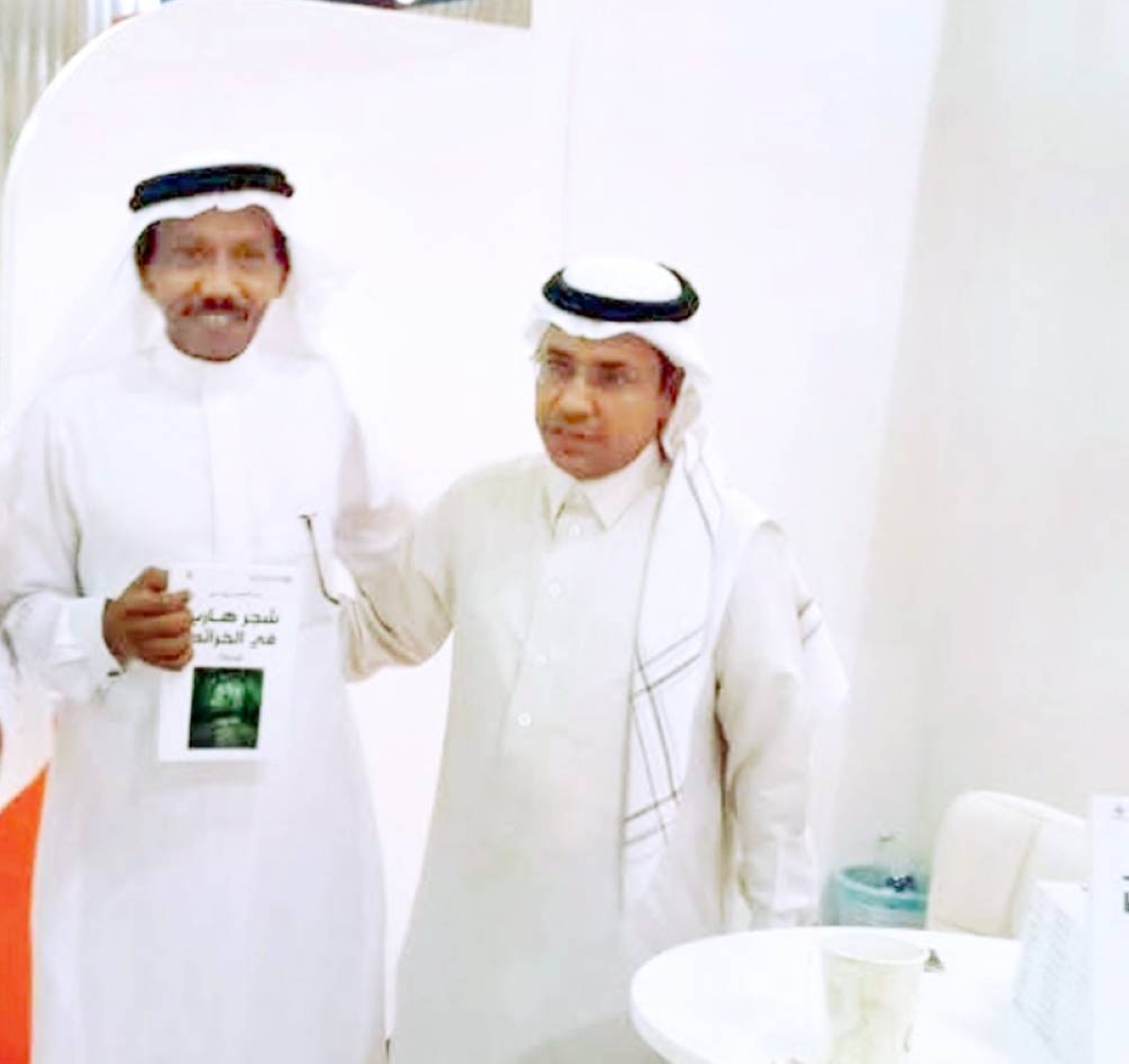
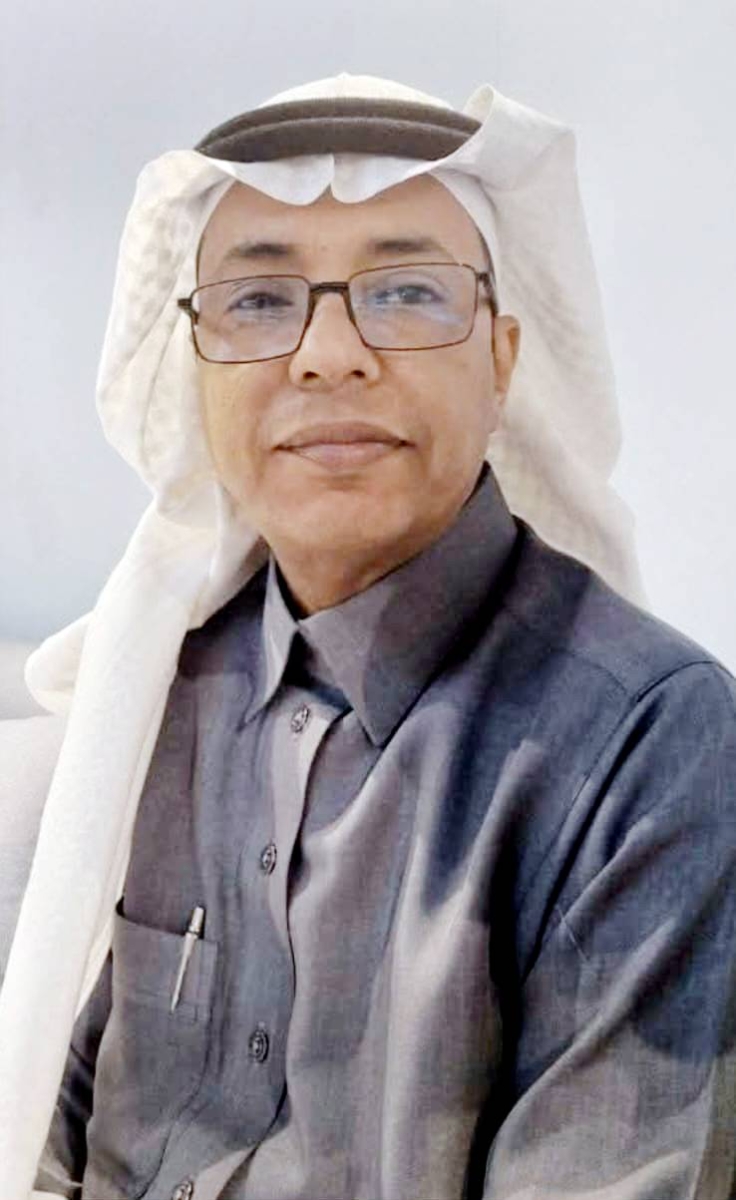
في عالمٍ يضيقُ بالسطحية وتتسارع الصور على حساب الكلمة، يظلّ إبراهيم زولي -الشاعر والمثقف السعودي العميق- صوتًا يذكّرنا بأن القراءة فعل مقاومة، وأن الكتابة رحلة مفتوحة على الدهشة والأسئلة. في إصداره الجديد «ما وراء الأغلفة.. روائع القرن العشرين»، يمزج زولي بين حساسية الشاعر وصرامة القارئ الناقد، فيقدّم لنا خريطة شخصية للتأثيرات الأدبية والفكرية التي شكّلت وعيه، ويفتح أمامنا أبوابًا إلى نصوص كبرى غيّرت مسار الذائقة العالمية.
هذا اللقاء، الذي أجريناه معه، ليس مجرد أسئلة وأجوبة، بل هو مسار من التأملات العميقة حول علاقة الشعر بالنقد، وأثر القراءة على الإبداع، وتحولات الذائقة الأدبية في المملكة، إضافة إلى رؤيته حول دور القراءة النقدية العميقة في زمن السرعة، وما الذي يحتاجه القارئ العربي لإعادة اكتشاف القرن العشرين بعيدًا عن «الكليشيهات».. فإلى نص الحوار:
المنطقة الخفيّة
• كيف تبلورت فكرة الكتاب؟ وهل كانت وليدة لحظة قرائية متأخرة؟ أم حصيلة تراكم معرفي طويل؟
•• تبلورت فكرة هذا الكتاب على مدى سنوات من القراءة المتنوعة والمتعمقة، وليست نتاج لحظة خاطفة أو انفعال عابر. كنت، منذ بداياتي مع الكتابة، والهوس القرائي، أنجذب إلى النصوص التي تحمل أسئلة كبرى عن الإنسان والوجود والمعنى، وأدوّن انطباعات وتأملات على الهامش أو في دفاتر صغيرة. ومع مرور الوقت، لم تعد هذه الملاحظات مجرّد تعليقات عابرة، بل صارت تشكّل نسيجًا معرفيًا وفكريًا يزداد ترابطًا كلما امتدّت الرحلة مع الكتب. لقد كانت تلك القراءات تمتد من الفلسفة إلى الرواية، ومن النقد الأدبي إلى الشعر، ما منحني مساحة واسعة للتأمل في الكيفية التي شكّلت بها أعمال القرن العشرين الوعي الجمالي والفكري للعالم المعاصر. وفي لحظة ما، أدركت أن هذا التراكم لا بد أن يجد له صيغة تُشارك المتلقي متعة الاكتشاف والدهشة التي رافقتني. عندها، ولدت فكرة كتاب «ما وراء الأغلفة.. روائع القرن العشرين» كمشروع يسعى إلى الربط بين التجربة الذاتية والمقاربة النقدية، بحيث يتحول العمل إلى مغامرة في ذاكرة القراءة لا تقل إثارة عن النصوص التي يتناولها.
• يحمل العنوان «ما وراء الأغلفة» دلالة استبطانية.. هل يمكن القول إن الكتاب رحلة في تأمل القارئ أكثر من النص؟
•• إلى حدٍّ كبير، نعم. فالعنوان نفسه يشير إلى تلك المنطقة الخفية التي تفصل بين النص كمنتَج مكتوب والقارئ ككائن حيّ يتفاعل معه. أنا أؤمن أن النص لا يكتمل إلا حين يجد قارئه، وأن المعنى ليس شيئًا ثابتًا داخل الكلمات، بل يتخلّق باستمرار في المسافة التي تربط النص بالقارئ.
في «ما وراء الأغلفة»، لم أسعَ إلى تقديم قراءات «موضوعية» منفصلة عن الذات، بل تعمّدت أن تكون التجربة الشخصية جزءًا من نسيج الكتابة، ولم أودّ أن أقدم نفسي ناقدًا أكاديميًا، يتأبط نظرية نقدية. أردت أن أضع القارئ أمام لحظات الاكتشاف التي عشتها أنا، أن يرافقني في انبهاري أو حيرتي، وأن يرى كيف يمكن لنصّ ما، أن يغير طريقة نظرنا إلى العالم. «ما وراء الأغلفة» إذن هو محاولة لفتح نافذة على الحوار الداخلي الذي يدور في ذهن المتلقي خلال القراءة، حيث يتقاطع الحاضر مع الماضي، والمعرفة مع الذاكرة، والتحليل مع الانفعال.
معايير التصنيف
• على ماذا استندت في اختيار «روائع القرن العشرين»، وما معاييرك في تصنيف عمل ما أنه «رائع»؟
•• اختيار «روائع القرن العشرين» لم يكن مهمة سهلة؛ فالقرن العشرون كان غنيًا بالتحولات السياسية والفكرية والفنية، وكل تحول أفرز أعمالًا تركت أثرًا مغايرًا. اعتمدت على مجموعة معايير مترابطة؛ القيمة الفنية للنص من حيث الأسلوب والبناء، وفرادته في التعبير عن تجربة إنسانية أو رؤية جديدة للعالم، وتأثيره الممتد على القرّاء والكتّاب من بعده.
أهمية القرن العشرين لا تكمن فقط في تنوع إنتاجه الفكري والأدبي، بل في كونه فترة تحول جذري. عرف هذا القرن ظهور الحداثة وما بعد الحداثة، وتفكيك الأطر التقليدية للرواية، الشعر، والفلسفة. أضف إلى ذلك أن القرن العشرين، بكل ما حمله من حروب عالمية، وثورات، وتحولات اجتماعية، كان بمثابة مختبر للأفكار. شهد صعود الأيديولوجيات الكبرى وانهيارها، وتفكك الإمبراطوريات، وظهور حركات التحرر في العالم الثالث. وقد حرصت على التنوع الجغرافي والثقافي، إذ شملت الأعمال كل قارات العالم من أفريقيا، إلى أوروبا، وآسيا، وانتهاء بالأمريكتين.
الـ«رائع» التي ذكرتها في سؤالك، بالنسبة لي ليس ما حظي بالشهرة أو الجوائز فحسب، بل ما استطاع أن يحافظ على حيويته وقوة تأثيره وديمومته عبر الزمن، وأن يظل قادرًا على إلهام القرّاء، حتى لو تغيرت الظروف التي وُلد فيها. أحيانًا يكون النص الـ«رائع» هو الذي يسبق زمنه، فيثير أسئلة لم يكن المجتمع مستعدًا لها، وقد يكون هو النص الذي يلتقط لحظة إنسانية عامة بصدق عميق يجعله خالدًا.
• هل حاولت في هذا العمل أن تعيد رسم خريطة التأثيرات القرائية التي شكّلت وعيك الثقافي؟
•• بالفعل، هذا الكتاب يمكن اعتباره خريطة شخصية للتأثيرات التي أسهمت في تشكيل وعيي القرائي والفكري. غير أن هذه الخريطة ليست مغلقة أو خاصة بي وحدي. حاولت أن أقدّمها بطريقة تسمح للقارئ أن يرى نفسه فيها، وأن يتبيّن نقاط التلاقي والاختلاف بين رحلته ورحلتي.
لقد سعيت إلى تتبّع المسارات التي عبرتها نصوص مختلفة في حياتي، بدءًا من القراءات الأولى التي تشكّل الحساسية الجمالية، وصولًا إلى الأعمال التي تزعزع اليقينيات، وتدفع لإعادة التفكير في أسس الكتابة والقراءة. اجتهدت أن أُظهر كيف تتشابك هذه المسارات، وكيف يمكن لنص أدبي أن يفتح بابًا إلى فلسفة، أو لكتاب نقدي أن يجعلنا نقرأ الشعر بطريقة جديدة.
حاجز القراءة
• أنت شاعر في المقام الأول، كيف أثّرت قراءاتك في السرد والنقد على تشكيل لغتك الشعرية؟
•• باتت الحواجز ببن الأجناس الأدبية رقيقة وهشّة، واللغة الشعرية، في تقديري، لا تنمو في فراغ.. إنها كائن حي يتغذّى من كل ما حوله. شغفي بالسرد منحني حسّ الحكاية، علاوة على أنه يمنح القصيدة عناصر من الحوار وبناء المشهد وتعدد الأصوات، ما يفتح أمام النص الشعري أبعادًا أكثر ثراء وتنوعًا. أما النقد، فقد أيقظ فيّ الانتباه إلى التفاصيل الصغيرة: اختيار الكلمة، إيقاع الجملة، توزيع الصور.
بفضل السرد، تعلمت أن أبطئ إيقاع القصيدة حين تحتاج للتأمل، أو أتمّه سريعًا وقتما يفرض الانفعال ذلك. وبفضل النقد، صرت أكثر وعيًا بما أكتب، ومواظبًا على مراجعة نصي بعين قارئ صارم قبل أن أدفع به للنشر. آنذاك تغدو اللغة الشعرية مزيجًا من الدهشة العاطفية والانضباط الفني.
• هل هناك نصوص معينة غيّرت مجرى ذائقتك، أو زعزعت مسلّماتك القرائية الأولى؟
•• بالتأكيد، ثمة نصوص كانت بمثابة نقاط انعطاف حقيقية في رحلتي القرائية؛ بعضها جاء في وقت مبكر ففتح أمامي أبوابًا لم أكن أعرف بوجودها، وبعضها جاء متأخرًا وإنْ كان صادمًا لدرجة دفعتني لإعادة النظر في كل ما قرأته قبل ذلك. على سبيل المثال، هناك روايات غيّرت فهمي لمعنى السرد، فبدل أن أراه مجرد حكاية تُروى، أدركت أنه بناء معقّد يمكن أن يحمل فلسفة كاملة أو نقدًا عميقًا للواقع.
كما أن بعض النصوص الفلسفية والنقدية علّمتني أن الجمال لا ينفصل عن الفكر، وأن النص العظيم هو الذي يثير فيك أسئلة تظل ترافقك لأيام وربما لسنوات. وهناك نصوص كسرت قوالب المألوف والسائد.. كنت أحسب أن الشعر لا يكون شعرًا إلا إذا كان موزونًا، ثم قرأت نصوصًا أثبتت لي أن الشعر يمكن أن يتنفس بحرية في فضاءات مفتوحة دون أن يفقد جوهره. مثل هذه التجارب زعزعت المسلّمات وأعادت بناء الذائقة، لكنها منحتني هدية أكبر؛ شجاعة الشك، وحرية البحث عن الجمال في أشكال وأجناس لم أكن أتصورها.
• هل تكتب مدفوعًا بالدهشة أم بالأسئلة؟ وهل «القراءة» طريق للكتابة؟ أم حاجز دونها في بعض الأحيان؟
•• الدهشة والأسئلة بالنسبة لي مثل وجهين لعملة واحدة. أحيانًا تكون البداية شرارة دهشة أمام مشهد أو فكرة أو نص، وتارة تكون بداية السؤال الذي لا يهدأ حتى أبحث عن إجابته في الكتابة. أكتب حين أشعر أن هناك شيئًا ما يؤرّقني، يريد أن يجد صوته على الورق، وأيًا كان الدافع، فالكتابة عندي ليست فعلًا عابرًا بل عملية مجازفة نحو المجهول.
أما عن القراءة، فهي البوابة التي ألج منها إلى عالم الكتابة. القراءة تمنحني اللغة التي أكتب بها، والأفق الذي أتحرك فيه، والوعي الذي من خلاله أرى نصي من الخارج. لكنها، قد تتحول أحيانًا إلى حاجز حين يطغى حضور النصوص الأخرى أو لغة شاعر على صوتي الشخصي. عندما يحدث ذلك، أحتاج إلى التنويع القرائي، ومشاهدة الدراما والسينما وحتى الفن التشكيلي، لأستعيد إيقاع كتابتي، حتى أعود إليها بعين جديدة.
معايشة النصوص
• هذا الإصدار يمثل انزياحًا من الشعر إلى النقد القرائي.. هل ترى في هذا الانتقال تحولًا في مسارك أم امتدادًا له؟
•• أراه امتدادًا طبيعيًا لا تحوّلًا جذريًا. الشعر والنقد القرائي يشتغلان على جوهر واحد؛ البحث عن المعنى وصياغة رؤية للعالم. أجل، قد يتراءى لنا أن الشعر والنقد يقفان على ضفتين متقابلتين من نهر الإبداع؛ الأول ينطلق من الذات الحدسية ليخلق حقائق وجدانية عبر اللغة الرمزية والتصوير الاستعاري، فيما يتموضع الثاني في دائرة العقل التأملي، مستندًا إلى آليات التفكيك المنهجي والبناء التأويلي. فإذا كان الشعر يمارس فعل الكشف عبر الإلهام، فإن النقد يتعاطى مع ذلك عبر الاستدلال، وكلاهما طريق واحد إلى الحقيقة، لكن عبر وسائل مختلفة.
في هذا الكتاب، وجدت نفسي أقرأ النصوص بروح الشاعر، فأبحث عن موسيقاها الخفية وصورها المضمرة، وفي الوقت ذاته أكتب عنها بعين الناقد الذي يحلل بنيتها وسياقها. هذا المزيج جعل التجربة أكثر ثراءً، وأتاح لي أن أقدم للقارئ -ولو أنها مجرد محاولة أولى في هذا الجنس الكتابي- عملًا فيه دفء التجربة الشخصية وعمق القراءة.
• كيف تنظر إلى العلاقة بين الشاعر والناقد في داخلك؟ وهل يتصارعان أم يتحاوران؟
•• العلاقة بينهما أشبه بحوار طويل لا ينقطع. الشاعر الذي يسكنني يمنح الناقد حساسية خاصة للكلمة والصورة، فلا يكتفي بقراءة النصوص من الخارج، بل يحاول أن يعيش عوالمها. والناقد يهب الشاعر القدرة على المراجعة، وعلى طرح الأسئلة الصعبة قبل أن تخرج القصيدة إلى النور.
قد يحدث أحيانًا أن يتجادلا أو يختلفا؛ فالشاعر يريد أحيانًا أن يترك النص على سجيته، بينما يلحّ الناقد على إعادة صياغته أو تهذيبه. وفي النهاية، يتفقان على أن الهدف هو إنتاج نص يوازن بين الدهشة والعقل، وبين الانفعال والوعي.
• في زمن الطغيان السريع للصور والفيديو، هل ما زال للقراءة مكانٌ مركزي في تكوين الكاتب الحقيقي؟
•• نعم، وربما أكثر من أي وقت مضى. الصور والفيديو قد تنقل معلومة أو إحساسًا بسرعة، إلاّ أنها لا تمنح الكاتب عمق الوعي الذي تأتي به القراءة. القراءة ليست مجرد تمرين ذهني، بل هي تجربة معايشة للنصوص، تتيح لك أن تستوعب أفكار الآخرين وتعيد صياغتها بلغتك.
في زمن السرعة، تصبح القراءة أشبه بعمل مقاومة، مقاومة للتبسيط المفرط وللاستهلاك السريع للأفكار. الكاتب الذي لا يقرأ يظل أسير مخزونه المحدود، بينما الذي يقرأ يفتح لمخيّلته أبوابًا إلى عوالم لا نهاية لها.
الجدل الخلّاق
• كيف تقرأ تحوّلات الذائقة الأدبية في المملكة خلال العقدين الأخيرين؟ وأين يقف الشعر وسط هذه التحولات؟
•• شهدت المملكة خلال العقدين الأخيرين انفتاحًا واسعًا على تجارب أدبية عالمية، وازدهار أشكالٍ جديدة من السرد والشعر، وانتشار منصات النشر الإلكترونية. هذا الانفتاح أتاح للأدباء والقراء الوصول إلى أصوات لم تكن متاحة من قبل، وأحدث تنوعًا في الذائقة والتلقي.
أما الشعر، فعلى الرغم من التحديات التي يواجهها في ظل هيمنة الرواية ووسائل الإعلام البصرية، فإنه ما انفك يحتفظ بمكانته كفضاء للتعبير العميق عن الذات والهوية، بيد أنه يحتاج إلى تجديد في الشكل والمضمون ليستكمل رحلته في الذاكرة العربية دون أن يفقد جذوره التاريخية.
• ما رأيك في موقع «القراءة النقدية العميقة» في المشهد الثقافي اليوم؟ وهل ترى أنها مهددة بالتبسيط والتسطيح؟
•• القراءة النقدية العميقة هي العمود الفقري لأي حركة ثقافية حقيقية. من دونها، يصبح المشهد الثقافي عرضة للسطحية والانفعال اللحظي. غير أنها تواجه اليوم تحديات حقيقية، وربما أشدها وطأة إيقاع السرعة الذي يفرضه الإعلام الجديد، وانتشار ثقافة «الملخصات» التي تقدم النصوص في دقائق معدودة.
التبسيط ليس مشكلة في حد ذاته إذا كان مدخلًا للفهم، لكنه يصبح خطرًا حين يحل محل الفهم العميق، وحين يُقدَّم على أنه كافٍ. الحفاظ على القراءة النقدية العميقة يتطلب فضاءات تعليمية وثقافية تدعم الحوار والجدل الخلّاق، وتشجع القرّاء على طرح الأسئلة لا الاكتفاء بالإجابات الجاهزة.
• برأيك، ما الذي يحتاجه القارئ العربي ليُعيد اكتشاف القرن العشرين أدبيًا بعيدًا عن «الكليشيهات»؟
•• أعتقد أن القارئ العربي يحتاج أولًا إلى فضول نقدي يجعله يتجاوز الروايات التي تتكرر في القوائم «الأكثر مبيعًا» أو «الأشهر»، وأن يبحث بنفسه عن الأعمال التي ربما لم تحظَ بالشهرة لكنها تحمل قيمة فنية وفكرية عالية.
كما يحتاج إلى أدوات نقدية تساعده على فهم السياقات التاريخية والاجتماعية التي ولدت فيها تلك النصوص، لأن قراءة نص عن الحرب أو الثورة أو التحولات الاجتماعية دون معرفة خلفيته، تفقده نصف معناه. والأهم من ذلك، أن يتحرر من الصور النمطية التي قدّمها النقد التقليدي عن بعض الكتّاب أو المدارس الأدبية، أو الأعمال الكلاسيكية، وأن يقترب منها بعين مفتوحة على فضاء الاحتمالات.
• ما الكتاب الذي تمنّيت لو كتبته؟ وماذا تقرأ هذه الأيام؟
•• لو كان لي أن أتمنى كتابة عمل لم أكتبه، لاخترت «في انتظار غودو» لصمويل بيكيت. هذا النص الذي يبدو بسيطًا في ظاهره، يخفي وراءه عمقًا فلسفيًا هائلًا، وقدرة على تحويل الانتظار -وهو تجربة يومية مملة- إلى عمل فني يتحدى الزمن والمعنى. اللافت، أنه يعيد تعريف المسرح واللغة معًا، ويعلمنا أن نرى في الصمت والحوار البسيط أسئلة مصيرية عن الحياة والموت.
أما حاليًا، فأقرأ كتاب برتراند راسل «ما الذي أؤمن به». هذا الكتاب الصغير في حجمه، العظيم في طرحه، يقدم خلاصة رؤية الفيلسوف البريطاني للحياة بعيدًا عن القوالب التقليدية. كتبه راسل عام 1925، لكنه ما زال حيًا في أسئلته وأجوبته، إذ يمزج بين الاسئلة الفلسفية والنزعة الإنسانية، ويؤكد أن القيم يجب أن تُبنى على العقل والتجربة الإنسانية لا على الموروث غير المفحوص والميتافيزيقا.
• لو خُيّرت أن تترك للقرّاء سطرًا واحدًا من كل كتبك، فبأي سطرٍ تختتم؟
•• يا صديقي علي، الكلمات ليست غاية، بل أثر الخطى، على طريقٍ لا نهاية له.
إن النصوص ليست محطات ننتهي عندها، بل علامات في درب طويل من البحث والتدبّر. كل كتاب هو خطوة جديدة، وكل كلمة بين دفتيه، محاولة لرسم خريطة لمعنى لم يكتمل بعد، وربما لن يكتمل أبدًا.
قال إنّ كتابه الأخير رحلة بين دهشة الشعر وبصيرة النقد
زولي لـ «عكاظ»: القراءة فعل مقاومة في زمن السرعة والصورة
29 أغسطس 2025 - 00:45
|
آخر تحديث 29 أغسطس 2025 - 00:45


تابع قناة عكاظ على الواتساب
حاوره | علي مكي ali_makki2@
In a world that is narrowing with superficiality and where images accelerate at the expense of words, Ibrahim Zuli - the profound Saudi poet and intellectual - remains a voice reminding us that reading is an act of resistance, and that writing is a journey open to wonder and questions. In his new release "Beyond the Covers... Masterpieces of the Twentieth Century," Zuli blends the sensitivity of a poet with the rigor of a critical reader, presenting us with a personal map of the literary and intellectual influences that shaped his consciousness, and opening doors to major texts that changed the course of global taste.
This interview, which we conducted with him, is not just a series of questions and answers, but a pathway of deep reflections on the relationship between poetry and criticism, the impact of reading on creativity, and the transformations of literary taste in the Kingdom, in addition to his vision regarding the role of deep critical reading in an age of speed, and what the Arab reader needs to rediscover the twentieth century away from "clichés"... Here is the text of the dialogue:
The Hidden Area
• How did the idea of the book crystallize? Was it born out of a late reading moment? Or is it the result of a long accumulation of knowledge?
•• The idea for this book crystallized over years of diverse and in-depth reading, and it is not the product of a fleeting moment or a passing emotion. Since my beginnings with writing and my reading obsession, I have been drawn to texts that carry major questions about humanity, existence, and meaning, and I have recorded impressions and reflections in the margins or in small notebooks. Over time, these notes became more than mere passing comments; they formed an increasingly interconnected tapestry of knowledge and thought as my journey with books extended. These readings spanned from philosophy to novels, from literary criticism to poetry, which granted me a wide space to reflect on how the works of the twentieth century shaped the aesthetic and intellectual consciousness of the contemporary world. At some point, I realized that this accumulation needed to find a form that would share with the reader the joy of discovery and wonder that accompanied me. Thus, the idea for the book "Beyond the Covers... Masterpieces of the Twentieth Century" was born as a project that seeks to connect personal experience with critical approach, transforming the work into an adventure in the memory of reading that is no less exciting than the texts it addresses.
• The title "Beyond the Covers" carries an introspective connotation... Can it be said that the book is more of a journey in the reader's contemplation than in the text itself?
•• To a large extent, yes. The title itself refers to that hidden area that separates the text as a written product from the reader as a living being who interacts with it. I believe that the text is not complete until it finds its reader, and that meaning is not something fixed within the words, but is constantly created in the space that connects the text to the reader.
In "Beyond the Covers," I did not seek to present "objective" readings separate from the self, but I intentionally made the personal experience part of the fabric of the writing. I did not want to present myself as an academic critic, clutching a critical theory. I wanted to place the reader in front of the moments of discovery that I experienced, to accompany me in my amazement or confusion, and to see how a particular text can change our way of looking at the world. "Beyond the Covers" is, therefore, an attempt to open a window onto the internal dialogue that takes place in the mind of the recipient during reading, where the present intersects with the past, knowledge with memory, and analysis with emotion.
Classification Criteria
• What did you rely on in choosing "Masterpieces of the Twentieth Century," and what are your criteria for classifying a work as "masterful"?
•• Choosing "Masterpieces of the Twentieth Century" was not an easy task; the twentieth century was rich in political, intellectual, and artistic transformations, each of which produced works that left a different impact. I relied on a set of interconnected criteria: the artistic value of the text in terms of style and structure, its uniqueness in expressing a human experience or a new vision of the world, and its extended influence on readers and writers thereafter.
The importance of the twentieth century lies not only in the diversity of its intellectual and literary production but also in being a period of radical transformation. This century witnessed the emergence of modernity and postmodernity, the dismantling of traditional frameworks for novels, poetry, and philosophy. Additionally, the twentieth century, with all its global wars, revolutions, and social transformations, served as a laboratory for ideas. It witnessed the rise and fall of major ideologies, the disintegration of empires, and the emergence of liberation movements in the Third World. I made sure to include geographical and cultural diversity, as the works encompassed all continents from Africa to Europe, Asia, and the Americas.
The "masterful" that you mentioned in your question, for me, is not just what has gained fame or awards, but what has managed to maintain its vitality, impact, and durability over time, and remains capable of inspiring readers, even if the circumstances in which it was born have changed. Sometimes, the "masterful" text is one that precedes its time, raising questions that society was not ready for, and it may be the text that captures a universal human moment with a deep sincerity that makes it eternal.
• Did you attempt in this work to redraw the map of the reading influences that shaped your cultural consciousness?
•• Indeed, this book can be considered a personal map of the influences that contributed to shaping my reading and intellectual consciousness. However, this map is not closed or exclusive to me. I tried to present it in a way that allows the reader to see themselves in it, to discern points of convergence and divergence between their journey and mine.
I sought to trace the paths that various texts traversed in my life, starting from the early readings that formed aesthetic sensitivity, to the works that shake certainties and push for a reconsideration of the foundations of writing and reading. I endeavored to show how these paths intertwine, and how a literary text can open a door to philosophy, or how a critical book can lead us to read poetry in a new way.
The Reading Barrier
• You are primarily a poet; how have your readings in narrative and criticism influenced the formation of your poetic language?
•• The barriers between literary genres have become thin and fragile, and poetic language, in my view, does not grow in a vacuum... It is a living being that feeds on everything around it. My passion for narrative has given me a sense of storytelling, in addition to providing the poem with elements of dialogue, scene construction, and multiple voices, which opens up richer and more diverse dimensions for the poetic text. As for criticism, it has awakened in me an attention to small details: word choice, sentence rhythm, image distribution.
Thanks to narrative, I learned to slow the pace of the poem when it needs contemplation, or to speed it up when emotion demands it. And thanks to criticism, I became more aware of what I write, and diligent in reviewing my text with the eye of a strict reader before I push it for publication. At that point, poetic language becomes a blend of emotional wonder and artistic discipline.
• Are there specific texts that changed the course of your taste or shook your initial reading assumptions?
•• Certainly, there are texts that served as real turning points in my reading journey; some came early on, opening doors I did not know existed, while others came later, shocking enough to push me to reconsider everything I had read before. For example, there are novels that changed my understanding of the meaning of narrative; instead of seeing it as just a story being told, I realized it is a complex structure that can carry a complete philosophy or a deep critique of reality.
Additionally, some philosophical and critical texts taught me that beauty is inseparable from thought, and that a great text is one that raises questions that linger with you for days or even years. There are also texts that broke the molds of the familiar and the prevailing... I used to think that poetry is only poetry if it is metered, then I read texts that proved to me that poetry can breathe freely in open spaces without losing its essence. Such experiences shook assumptions and rebuilt taste, but they granted me a greater gift; the courage to doubt and the freedom to search for beauty in forms and genres I had not imagined.
• Do you write driven by wonder or by questions? And is "reading" a path to writing? Or sometimes a barrier to it?
•• Wonder and questions, for me, are like two sides of the same coin. Sometimes the beginning is a spark of wonder in front of a scene, idea, or text, and at other times it is the beginning of a question that does not rest until I search for its answer in writing. I write when I feel that there is something troubling me, wanting to find its voice on paper, and whatever the motivation, writing for me is not a fleeting act but a process of daring towards the unknown.
As for reading, it is the gateway through which I enter the world of writing. Reading provides me with the language I write in, the horizon I move in, and the awareness through which I see my text from the outside. However, it can sometimes turn into a barrier when the presence of other texts or a poet's language overshadows my personal voice. When that happens, I need to diversify my reading, watch drama and cinema, and even engage with visual art to regain the rhythm of my writing, so that I can return to it with a new eye.
Experiencing Texts
• This release represents a shift from poetry to reading criticism... Do you see this transition as a transformation in your path or an extension of it?
•• I see it as a natural extension, not a radical transformation. Poetry and reading criticism work on the same essence; the search for meaning and the formulation of a vision of the world. Yes, it may seem to us that poetry and criticism stand on opposite banks of the river of creativity; the former springs from intuitive self to create emotional truths through symbolic language and metaphorical imagery, while the latter is positioned within the realm of reflective thought, relying on systematic deconstruction and interpretive construction. If poetry practices the act of revelation through inspiration, then criticism engages with that through inference, and both are one path to truth, but through different means.
In this book, I found myself reading texts with the spirit of a poet, searching for their hidden music and implicit images, while at the same time writing about them with the eye of a critic who analyzes their structure and context. This blend made the experience richer and allowed me to present to the reader - even if it is just a first attempt in this literary genre - a work that carries the warmth of personal experience and the depth of reading.
• How do you view the relationship between the poet and the critic within you? Do they clash or converse?
•• The relationship between them is like a long, unbroken dialogue. The poet within me grants the critic a special sensitivity to the word and image, so he does not settle for reading texts from the outside, but tries to live their worlds. The critic bestows upon the poet the ability to review and to pose difficult questions before the poem comes to light.
Sometimes, they may argue or disagree; the poet sometimes wants to leave the text in its natural state, while the critic insists on reshaping or refining it. In the end, they agree that the goal is to produce a text that balances wonder and reason, between emotion and awareness.
• In an age of rapid visual and video dominance, does reading still hold a central place in the formation of a true writer?
•• Yes, and perhaps more than ever. Images and videos can convey information or feelings quickly, yet they do not provide the writer with the depth of awareness that reading brings. Reading is not just a mental exercise; it is an experience of living with texts, allowing you to absorb the ideas of others and rephrase them in your language.
In an age of speed, reading becomes akin to an act of resistance, a resistance to excessive simplification and the rapid consumption of ideas. A writer who does not read remains a prisoner of their limited stock, while one who reads opens their imagination to endless worlds.
The Creative Debate
• How do you read the transformations of literary taste in the Kingdom over the past two decades? And where does poetry stand amidst these transformations?
•• The Kingdom has witnessed, over the past two decades, a wide opening to global literary experiences, the flourishing of new forms of narrative and poetry, and the spread of electronic publishing platforms. This openness has allowed writers and readers to access voices that were not previously available, resulting in a diversity of taste and reception.
As for poetry, despite the challenges it faces in light of the dominance of the novel and visual media, it continues to maintain its status as a space for deep expression of self and identity; however, it needs renewal in form and content to continue its journey in Arab memory without losing its historical roots.
• What is your opinion on the position of "deep critical reading" in today's cultural scene? Do you see it threatened by simplification and superficiality?
•• Deep critical reading is the backbone of any genuine cultural movement. Without it, the cultural scene becomes susceptible to superficiality and momentary emotion. However, it faces real challenges today, perhaps the most severe being the pace of speed imposed by new media and the spread of a "summary" culture that presents texts in a matter of minutes.
Simplification is not a problem in itself if it serves as an entry point for understanding, but it becomes dangerous when it replaces deep understanding and is presented as sufficient. Maintaining deep critical reading requires educational and cultural spaces that support dialogue and creative debate, encouraging readers to ask questions rather than settle for ready-made answers.
• In your opinion, what does the Arab reader need to rediscover the twentieth century literarily, away from "clichés"?
•• I believe that the Arab reader first needs a critical curiosity that allows them to go beyond the novels that are repeated in the "bestseller" or "most famous" lists, and to search for works that may not have gained fame but carry high artistic and intellectual value.
They also need critical tools that help them understand the historical and social contexts in which those texts were born, because reading a text about war, revolution, or social transformations without knowing its background loses half of its meaning. Most importantly, they need to free themselves from the stereotypes presented by traditional criticism about certain writers or literary schools, or classical works, and to approach them with an open eye to the realm of possibilities.
• What book do you wish you had written? And what are you reading these days?
•• If I could wish to write a work I haven't written, I would choose "Waiting for Godot" by Samuel Beckett. This text, which seems simple on the surface, hides behind it a tremendous philosophical depth and the ability to transform waiting - a mundane daily experience - into an artistic work that challenges time and meaning. Notably, it redefines both theater and language, teaching us to see in silence and simple dialogue existential questions about life and death.
As for currently, I am reading Bertrand Russell's book "What I Believe." This small book in size, great in its themes, presents a summary of the British philosopher's vision of life away from traditional molds. Russell wrote it in 1925, yet it remains alive in its questions and answers, blending philosophical inquiries with humanistic tendencies, and affirming that values should be built on reason and human experience, not on unexamined heritage and metaphysics.
• If you were to leave readers with one line from all your books, which line would you choose to conclude with?
•• My friend Ali, words are not an end, but the trace of footsteps on a path with no end.
Texts are not stations we arrive at, but signs on a long road of search and contemplation. Each book is a new step, and every word between its covers is an attempt to map a meaning that is not yet complete, and perhaps will never be complete.
This interview, which we conducted with him, is not just a series of questions and answers, but a pathway of deep reflections on the relationship between poetry and criticism, the impact of reading on creativity, and the transformations of literary taste in the Kingdom, in addition to his vision regarding the role of deep critical reading in an age of speed, and what the Arab reader needs to rediscover the twentieth century away from "clichés"... Here is the text of the dialogue:
The Hidden Area
• How did the idea of the book crystallize? Was it born out of a late reading moment? Or is it the result of a long accumulation of knowledge?
•• The idea for this book crystallized over years of diverse and in-depth reading, and it is not the product of a fleeting moment or a passing emotion. Since my beginnings with writing and my reading obsession, I have been drawn to texts that carry major questions about humanity, existence, and meaning, and I have recorded impressions and reflections in the margins or in small notebooks. Over time, these notes became more than mere passing comments; they formed an increasingly interconnected tapestry of knowledge and thought as my journey with books extended. These readings spanned from philosophy to novels, from literary criticism to poetry, which granted me a wide space to reflect on how the works of the twentieth century shaped the aesthetic and intellectual consciousness of the contemporary world. At some point, I realized that this accumulation needed to find a form that would share with the reader the joy of discovery and wonder that accompanied me. Thus, the idea for the book "Beyond the Covers... Masterpieces of the Twentieth Century" was born as a project that seeks to connect personal experience with critical approach, transforming the work into an adventure in the memory of reading that is no less exciting than the texts it addresses.
• The title "Beyond the Covers" carries an introspective connotation... Can it be said that the book is more of a journey in the reader's contemplation than in the text itself?
•• To a large extent, yes. The title itself refers to that hidden area that separates the text as a written product from the reader as a living being who interacts with it. I believe that the text is not complete until it finds its reader, and that meaning is not something fixed within the words, but is constantly created in the space that connects the text to the reader.
In "Beyond the Covers," I did not seek to present "objective" readings separate from the self, but I intentionally made the personal experience part of the fabric of the writing. I did not want to present myself as an academic critic, clutching a critical theory. I wanted to place the reader in front of the moments of discovery that I experienced, to accompany me in my amazement or confusion, and to see how a particular text can change our way of looking at the world. "Beyond the Covers" is, therefore, an attempt to open a window onto the internal dialogue that takes place in the mind of the recipient during reading, where the present intersects with the past, knowledge with memory, and analysis with emotion.
Classification Criteria
• What did you rely on in choosing "Masterpieces of the Twentieth Century," and what are your criteria for classifying a work as "masterful"?
•• Choosing "Masterpieces of the Twentieth Century" was not an easy task; the twentieth century was rich in political, intellectual, and artistic transformations, each of which produced works that left a different impact. I relied on a set of interconnected criteria: the artistic value of the text in terms of style and structure, its uniqueness in expressing a human experience or a new vision of the world, and its extended influence on readers and writers thereafter.
The importance of the twentieth century lies not only in the diversity of its intellectual and literary production but also in being a period of radical transformation. This century witnessed the emergence of modernity and postmodernity, the dismantling of traditional frameworks for novels, poetry, and philosophy. Additionally, the twentieth century, with all its global wars, revolutions, and social transformations, served as a laboratory for ideas. It witnessed the rise and fall of major ideologies, the disintegration of empires, and the emergence of liberation movements in the Third World. I made sure to include geographical and cultural diversity, as the works encompassed all continents from Africa to Europe, Asia, and the Americas.
The "masterful" that you mentioned in your question, for me, is not just what has gained fame or awards, but what has managed to maintain its vitality, impact, and durability over time, and remains capable of inspiring readers, even if the circumstances in which it was born have changed. Sometimes, the "masterful" text is one that precedes its time, raising questions that society was not ready for, and it may be the text that captures a universal human moment with a deep sincerity that makes it eternal.
• Did you attempt in this work to redraw the map of the reading influences that shaped your cultural consciousness?
•• Indeed, this book can be considered a personal map of the influences that contributed to shaping my reading and intellectual consciousness. However, this map is not closed or exclusive to me. I tried to present it in a way that allows the reader to see themselves in it, to discern points of convergence and divergence between their journey and mine.
I sought to trace the paths that various texts traversed in my life, starting from the early readings that formed aesthetic sensitivity, to the works that shake certainties and push for a reconsideration of the foundations of writing and reading. I endeavored to show how these paths intertwine, and how a literary text can open a door to philosophy, or how a critical book can lead us to read poetry in a new way.
The Reading Barrier
• You are primarily a poet; how have your readings in narrative and criticism influenced the formation of your poetic language?
•• The barriers between literary genres have become thin and fragile, and poetic language, in my view, does not grow in a vacuum... It is a living being that feeds on everything around it. My passion for narrative has given me a sense of storytelling, in addition to providing the poem with elements of dialogue, scene construction, and multiple voices, which opens up richer and more diverse dimensions for the poetic text. As for criticism, it has awakened in me an attention to small details: word choice, sentence rhythm, image distribution.
Thanks to narrative, I learned to slow the pace of the poem when it needs contemplation, or to speed it up when emotion demands it. And thanks to criticism, I became more aware of what I write, and diligent in reviewing my text with the eye of a strict reader before I push it for publication. At that point, poetic language becomes a blend of emotional wonder and artistic discipline.
• Are there specific texts that changed the course of your taste or shook your initial reading assumptions?
•• Certainly, there are texts that served as real turning points in my reading journey; some came early on, opening doors I did not know existed, while others came later, shocking enough to push me to reconsider everything I had read before. For example, there are novels that changed my understanding of the meaning of narrative; instead of seeing it as just a story being told, I realized it is a complex structure that can carry a complete philosophy or a deep critique of reality.
Additionally, some philosophical and critical texts taught me that beauty is inseparable from thought, and that a great text is one that raises questions that linger with you for days or even years. There are also texts that broke the molds of the familiar and the prevailing... I used to think that poetry is only poetry if it is metered, then I read texts that proved to me that poetry can breathe freely in open spaces without losing its essence. Such experiences shook assumptions and rebuilt taste, but they granted me a greater gift; the courage to doubt and the freedom to search for beauty in forms and genres I had not imagined.
• Do you write driven by wonder or by questions? And is "reading" a path to writing? Or sometimes a barrier to it?
•• Wonder and questions, for me, are like two sides of the same coin. Sometimes the beginning is a spark of wonder in front of a scene, idea, or text, and at other times it is the beginning of a question that does not rest until I search for its answer in writing. I write when I feel that there is something troubling me, wanting to find its voice on paper, and whatever the motivation, writing for me is not a fleeting act but a process of daring towards the unknown.
As for reading, it is the gateway through which I enter the world of writing. Reading provides me with the language I write in, the horizon I move in, and the awareness through which I see my text from the outside. However, it can sometimes turn into a barrier when the presence of other texts or a poet's language overshadows my personal voice. When that happens, I need to diversify my reading, watch drama and cinema, and even engage with visual art to regain the rhythm of my writing, so that I can return to it with a new eye.
Experiencing Texts
• This release represents a shift from poetry to reading criticism... Do you see this transition as a transformation in your path or an extension of it?
•• I see it as a natural extension, not a radical transformation. Poetry and reading criticism work on the same essence; the search for meaning and the formulation of a vision of the world. Yes, it may seem to us that poetry and criticism stand on opposite banks of the river of creativity; the former springs from intuitive self to create emotional truths through symbolic language and metaphorical imagery, while the latter is positioned within the realm of reflective thought, relying on systematic deconstruction and interpretive construction. If poetry practices the act of revelation through inspiration, then criticism engages with that through inference, and both are one path to truth, but through different means.
In this book, I found myself reading texts with the spirit of a poet, searching for their hidden music and implicit images, while at the same time writing about them with the eye of a critic who analyzes their structure and context. This blend made the experience richer and allowed me to present to the reader - even if it is just a first attempt in this literary genre - a work that carries the warmth of personal experience and the depth of reading.
• How do you view the relationship between the poet and the critic within you? Do they clash or converse?
•• The relationship between them is like a long, unbroken dialogue. The poet within me grants the critic a special sensitivity to the word and image, so he does not settle for reading texts from the outside, but tries to live their worlds. The critic bestows upon the poet the ability to review and to pose difficult questions before the poem comes to light.
Sometimes, they may argue or disagree; the poet sometimes wants to leave the text in its natural state, while the critic insists on reshaping or refining it. In the end, they agree that the goal is to produce a text that balances wonder and reason, between emotion and awareness.
• In an age of rapid visual and video dominance, does reading still hold a central place in the formation of a true writer?
•• Yes, and perhaps more than ever. Images and videos can convey information or feelings quickly, yet they do not provide the writer with the depth of awareness that reading brings. Reading is not just a mental exercise; it is an experience of living with texts, allowing you to absorb the ideas of others and rephrase them in your language.
In an age of speed, reading becomes akin to an act of resistance, a resistance to excessive simplification and the rapid consumption of ideas. A writer who does not read remains a prisoner of their limited stock, while one who reads opens their imagination to endless worlds.
The Creative Debate
• How do you read the transformations of literary taste in the Kingdom over the past two decades? And where does poetry stand amidst these transformations?
•• The Kingdom has witnessed, over the past two decades, a wide opening to global literary experiences, the flourishing of new forms of narrative and poetry, and the spread of electronic publishing platforms. This openness has allowed writers and readers to access voices that were not previously available, resulting in a diversity of taste and reception.
As for poetry, despite the challenges it faces in light of the dominance of the novel and visual media, it continues to maintain its status as a space for deep expression of self and identity; however, it needs renewal in form and content to continue its journey in Arab memory without losing its historical roots.
• What is your opinion on the position of "deep critical reading" in today's cultural scene? Do you see it threatened by simplification and superficiality?
•• Deep critical reading is the backbone of any genuine cultural movement. Without it, the cultural scene becomes susceptible to superficiality and momentary emotion. However, it faces real challenges today, perhaps the most severe being the pace of speed imposed by new media and the spread of a "summary" culture that presents texts in a matter of minutes.
Simplification is not a problem in itself if it serves as an entry point for understanding, but it becomes dangerous when it replaces deep understanding and is presented as sufficient. Maintaining deep critical reading requires educational and cultural spaces that support dialogue and creative debate, encouraging readers to ask questions rather than settle for ready-made answers.
• In your opinion, what does the Arab reader need to rediscover the twentieth century literarily, away from "clichés"?
•• I believe that the Arab reader first needs a critical curiosity that allows them to go beyond the novels that are repeated in the "bestseller" or "most famous" lists, and to search for works that may not have gained fame but carry high artistic and intellectual value.
They also need critical tools that help them understand the historical and social contexts in which those texts were born, because reading a text about war, revolution, or social transformations without knowing its background loses half of its meaning. Most importantly, they need to free themselves from the stereotypes presented by traditional criticism about certain writers or literary schools, or classical works, and to approach them with an open eye to the realm of possibilities.
• What book do you wish you had written? And what are you reading these days?
•• If I could wish to write a work I haven't written, I would choose "Waiting for Godot" by Samuel Beckett. This text, which seems simple on the surface, hides behind it a tremendous philosophical depth and the ability to transform waiting - a mundane daily experience - into an artistic work that challenges time and meaning. Notably, it redefines both theater and language, teaching us to see in silence and simple dialogue existential questions about life and death.
As for currently, I am reading Bertrand Russell's book "What I Believe." This small book in size, great in its themes, presents a summary of the British philosopher's vision of life away from traditional molds. Russell wrote it in 1925, yet it remains alive in its questions and answers, blending philosophical inquiries with humanistic tendencies, and affirming that values should be built on reason and human experience, not on unexamined heritage and metaphysics.
• If you were to leave readers with one line from all your books, which line would you choose to conclude with?
•• My friend Ali, words are not an end, but the trace of footsteps on a path with no end.
Texts are not stations we arrive at, but signs on a long road of search and contemplation. Each book is a new step, and every word between its covers is an attempt to map a meaning that is not yet complete, and perhaps will never be complete.


