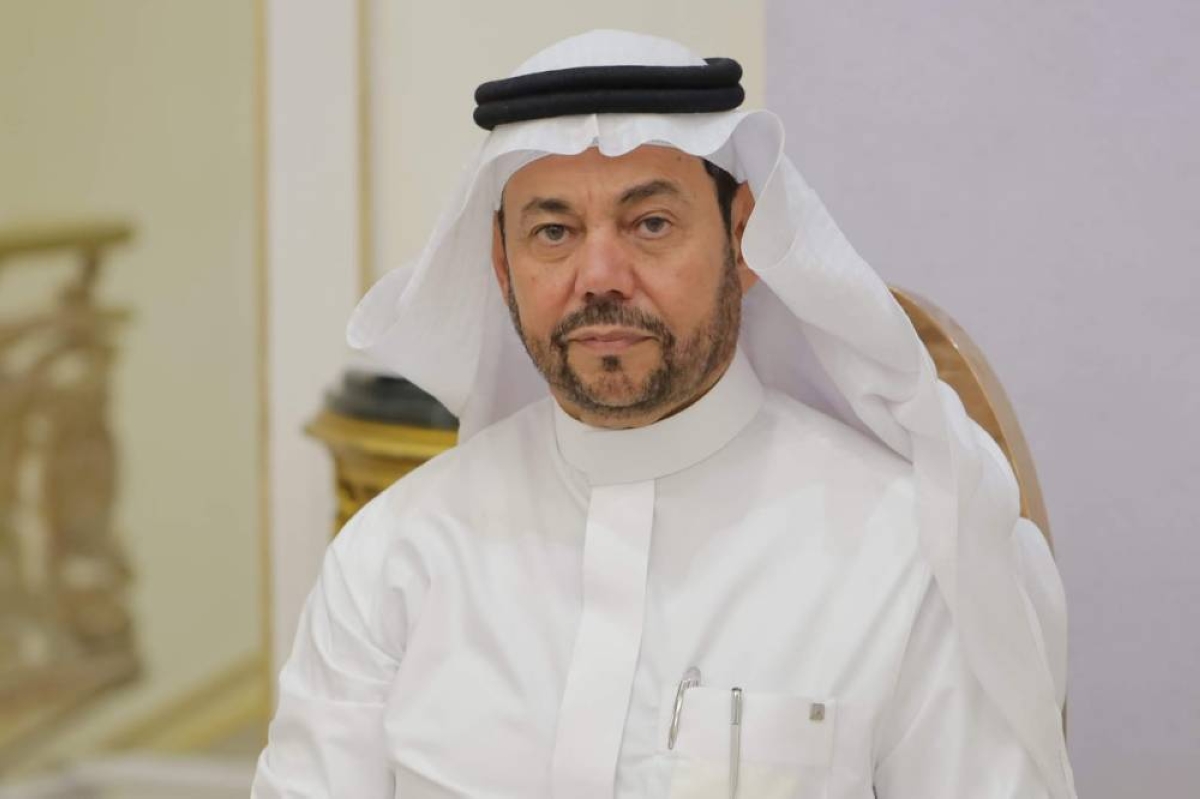
في خطوة تمثل منعطفًا مهمًا في مسيرة الثقافة السعودية، دخل نادي جدة الأدبي مرحلة جديدة بتحوله إلى جمعية أدبي جدة، بعد موافقة المركز الوطني لتنمية القطاع غير الربحي على اعتماد أول مجلس إدارة للجمعية لمدة أربع سنوات، برئاسة الدكتور عبدالله عويقل السلمي، الرئيس السابق للنادي.
التشكيل الجديد حمل ملامح من الذاكرة والتجديد معًا، إذ عاد أمين سر النادي الأسبق محمد علي قدس، الذي كان شاهدًا على أول مجلس لإدارة النادي، ليشارك في صناعة المستقبل، إلى جانب عضوية الدكتور عبدالرحمن السلمي، وعبدالعزيز الشريف، والدكتورة فاطمة إلياس كأول سيدة في المجلس، في دلالة على انفتاح أكبر على تنوع الخبرات.
هذا التحول يأتي ضمن إستراتيجية وطنية لتحويل الأندية الأدبية إلى جمعيات غير ربحية تحت إشراف المركز الوطني، بما يمنحها مرونة أكبر في إدارة برامجها، وتوسيع دائرة تأثيرها في المشهد الثقافي، وتطوير أدواتها لخدمة الأدباء والمثقفين.
في أول اجتماع له، أكد الدكتور السلمي أن الجمعية تنطلق برؤية طموحة تستلهم إرث النادي وتفتح آفاقًا أوسع للمستقبل، واعدًا بإطلاق مبادرات ومشاريع نوعية تلبي طموحات أعضاء الجمعية العمومية وتثري الحركة الثقافية في جدة والمملكة.
وأقر المجلس تشكيل لجانه المتخصصة، وتوزيع المهام بين أعضائه، وإنهاء إجراءات الاستلام والتسليم من النادي إلى الجمعية، واستكمال متطلبات المواءمة، في إشارة إلى بداية عهد جديد للعمل المؤسسي الثقافي في جدة.
In a step that represents an important turning point in the journey of Saudi culture, the Jeddah Literary Club has entered a new phase by transforming into the Jeddah Literary Association, following the approval of the National Center for the Development of the Non-Profit Sector to adopt the first board of directors of the association for a period of four years, chaired by Dr. Abdullah Owaikel Al-Sulami, the former president of the club.
The new formation carries features of both memory and renewal, as the former club secretary, Mohammed Ali Quds, who witnessed the first board of the club, returns to participate in shaping the future, alongside the membership of Dr. Abdulrahman Al-Sulami, Abdulaziz Al-Sharif, and Dr. Fatima Elias as the first woman on the board, indicating a greater openness to diverse experiences.
This transformation comes as part of a national strategy to convert literary clubs into non-profit associations under the supervision of the National Center, granting them greater flexibility in managing their programs, expanding their influence in the cultural scene, and developing their tools to serve writers and intellectuals.
In its first meeting, Dr. Al-Sulami confirmed that the association launches with an ambitious vision that draws inspiration from the club's legacy and opens wider horizons for the future, promising to launch initiatives and quality projects that meet the aspirations of the general assembly members and enrich the cultural movement in Jeddah and the Kingdom.
The council approved the formation of its specialized committees, the distribution of tasks among its members, and the completion of the handover procedures from the club to the association, as well as fulfilling the alignment requirements, signaling the beginning of a new era for institutional cultural work in Jeddah.