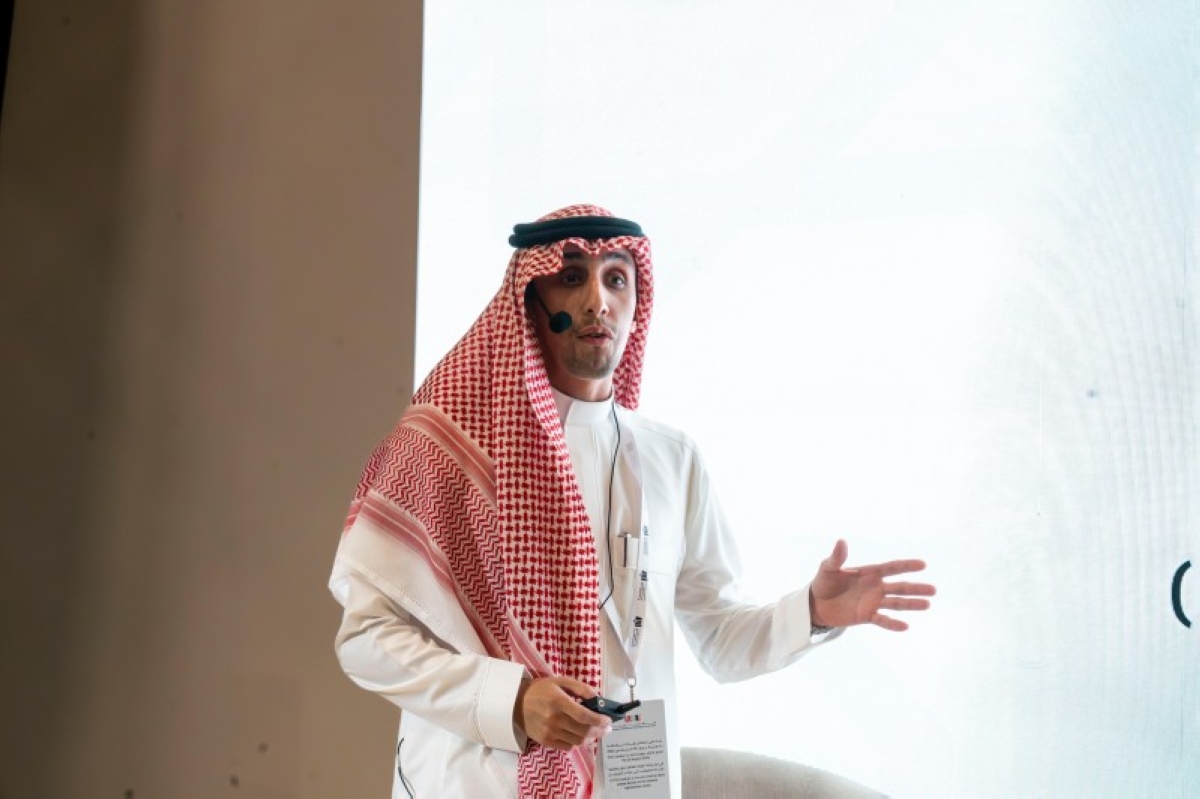
أكَّد الدكتور خالد الحربي أنَّ تسويق المحتوى الثَّقافي لا يبدأ بالنَّشر، بل بفهم الجمهور، وأنَّ الرَّسائل المعرفيَّة التي لا تُترجم إلى تأثيرٍ على الوعي والسُّلوك تبقى في دائرة الاستهلاك السّطحي، حيث إنَّ «المحتوى القويّ قد يفشل، والمحتوى الضّعيف قد ينتشر، إن لم يُصغَ بما يلائمُ نمط التّلقّي وسلوك الجمهور».
جاء ذلك خلال ورشةٍ بعنوان «ما بين القارئ والرِّسالة: كيف تسوِّق محتواك الثَّقافيّ من خلال فَهم جمهورك»، أقيمتْ ضمن فعاليّات معرض المدينة المنوّرة للكتاب 2025، الذي تنظِّمه هيئةُ الأدب والنَّشر والتَّرجمة.
وأضاف الحربيّ في بداية الورشة: «إذا لم يفهم الكاتبُ جمهورَه، فماذا يَكتُب له؟ وإذا فهمه فقط ليكسبه، فماذا يضيف له؟ نحن بحاجةٍ إلى محتوى يعرف مَن يخاطب دون أن يرضخَ له بالكامل». وهذا ما جعله يدعو إلى إعادةِ تعريفِ العلاقة بين النَّشر والمتلقّي، بحيث لا تكتفي الرّسائل الثّقافيّة بأن تُقرأ، بل تتجاوز ذلك إلى التّأثير في الذَّائقة والهويّة.
وأوضح أنَّ النَّشر التَّقليدي، الذي يُنتج كتابًا ثمَّ ينتظر قُرّاءه، لم يعُد كافيًا في ظلِّ التّحوّلات السَّريعة في سلوك القرّاء، ما لم يتحوّل إلى تجربةٍ تفاعليَّة تبدأ من فَهم احتياجاتِ الفئات المستهدفة، وتقديم محتوى قادرٍ على استيعابِ هذا التنوّع.
كما أشار إلى أهميّة تحليل سلوك الجمهور، سواء في تفضيله للورقي أو الرَّقمي، أو في حضوره المباشر للفعاليات الثَّقافية مقابل متابعتها من بُعد، موضحًا أنَّ هذه المؤشّراتِ تساعدُ صنّاع المحتوى ودورَ النّشر على اختيار المنصّاتِ والقنوات الأنسب، وتطويرِ أدوات تسويقٍ أكثرَ فاعليّة.
وقدّم الحربي خلال الورشة أمثلةً تطبيقيَّةً على استراتيجيَّاتٍ تسويقيَّةٍ اتِّصاليَّة ناجحةٍ، استَخدمَتْها مبادراتٌ معرفيَّةٌ لبناء قاعدةٍ جماهيريَّة راسخةٍ، من خلال الجمع بين العُمق الثَّقافيّ والمخاطبة الذكيَّة للفئات المستهدفة.
كما توقَّف عند أبرز التَّحديات التي تواجه صنّاع المحتوى، وعلى رأسها التّوفيق بين الأمانة المعرفيّة ومتطلبات السّوق، وبين العمق والانتشار، مشيرًا إلى أنَّ من ينجح في هذه الموازنة يصنع مشروعًا ثقافيًّا حقيقيًّا، لا مجرد «منشور عابر».
Dr. Khalid Al-Harbi confirmed that marketing cultural content does not begin with publication, but with understanding the audience, and that knowledge messages that do not translate into an impact on awareness and behavior remain within the realm of superficial consumption, as "strong content may fail, and weak content may spread, if it is not crafted to suit the reception style and behavior of the audience."
This came during a workshop titled "Between the Reader and the Message: How to Market Your Cultural Content Through Understanding Your Audience," held as part of the activities of the Medina Book Fair 2025, organized by the Literature, Publishing, and Translation Commission.
Al-Harbi added at the beginning of the workshop: "If the writer does not understand their audience, what will they write for them? And if they only understand them to win them over, what do they add to them? We need content that knows who it is addressing without fully yielding to them." This is what led him to call for a redefinition of the relationship between publishing and the recipient, so that cultural messages do not merely aim to be read, but also extend to influence taste and identity.
He explained that traditional publishing, which produces a book and then waits for its readers, is no longer sufficient in light of the rapid changes in reader behavior, unless it transforms into an interactive experience that begins with understanding the needs of the target groups and providing content capable of accommodating this diversity.
He also pointed out the importance of analyzing audience behavior, whether in their preference for print or digital formats, or in their direct attendance at cultural events versus following them remotely, explaining that these indicators help content creators and publishing houses choose the most suitable platforms and channels, and develop more effective marketing tools.
During the workshop, Al-Harbi presented practical examples of successful communication marketing strategies used by knowledge initiatives to build a solid audience base, by combining cultural depth with intelligent engagement of the target groups.
He also addressed the main challenges facing content creators, foremost among them the balance between intellectual integrity and market demands, and between depth and dissemination, noting that those who succeed in this balance create a genuine cultural project, not just a "transient post."