


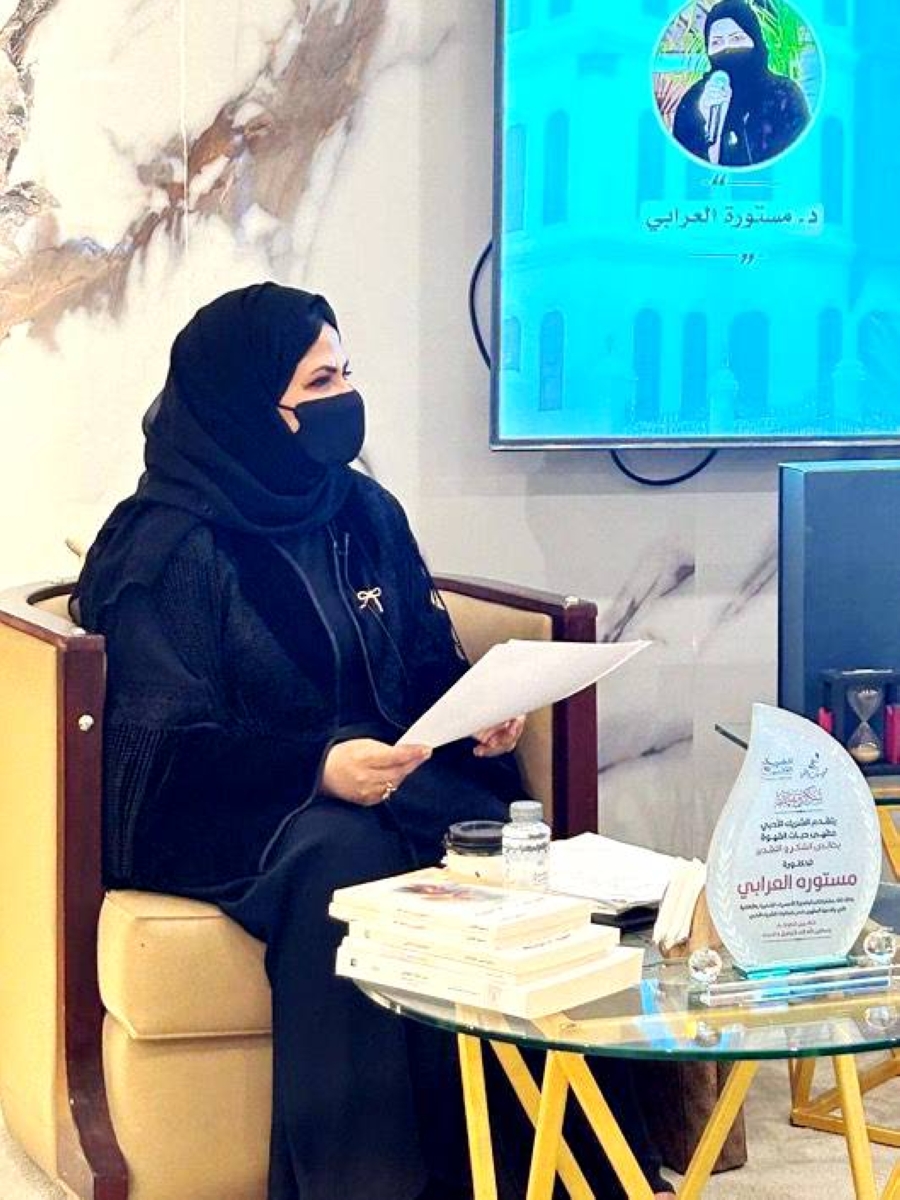
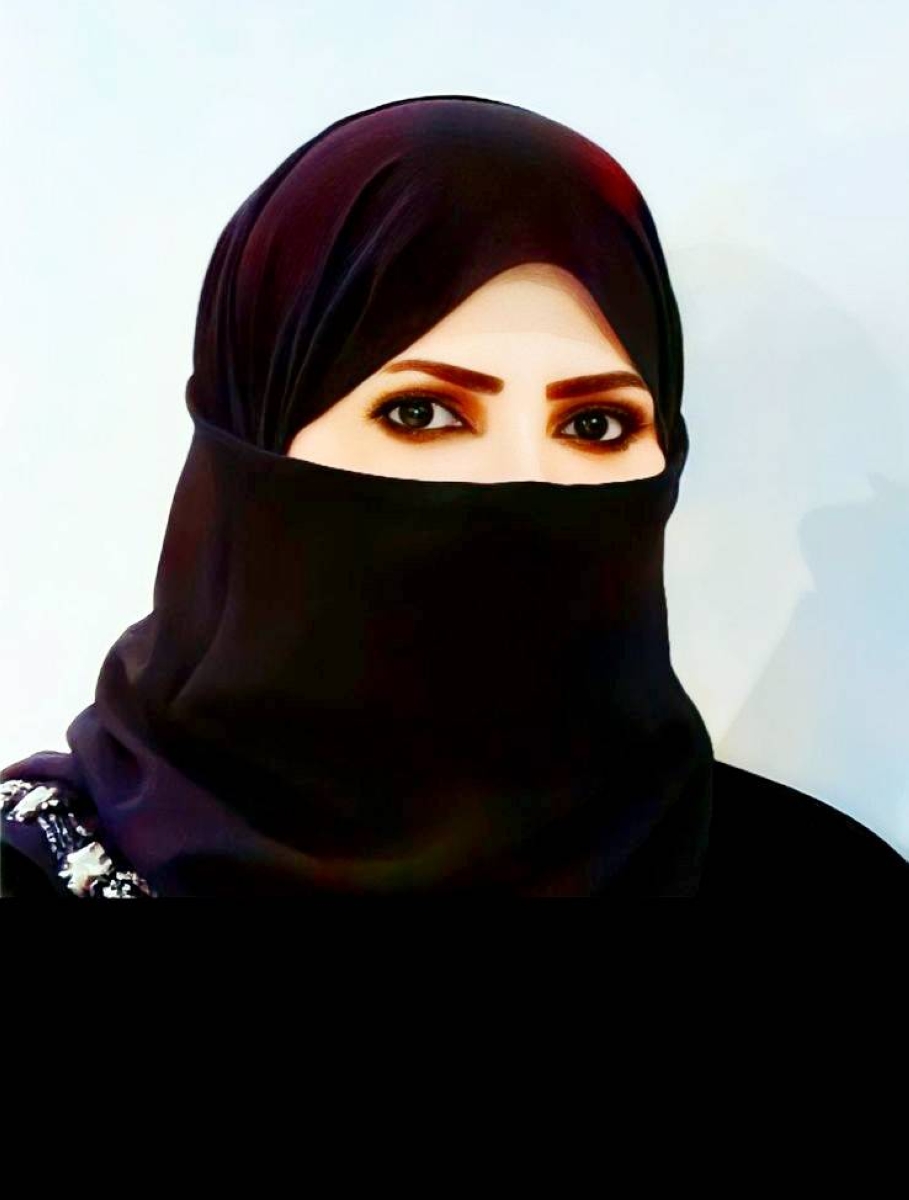
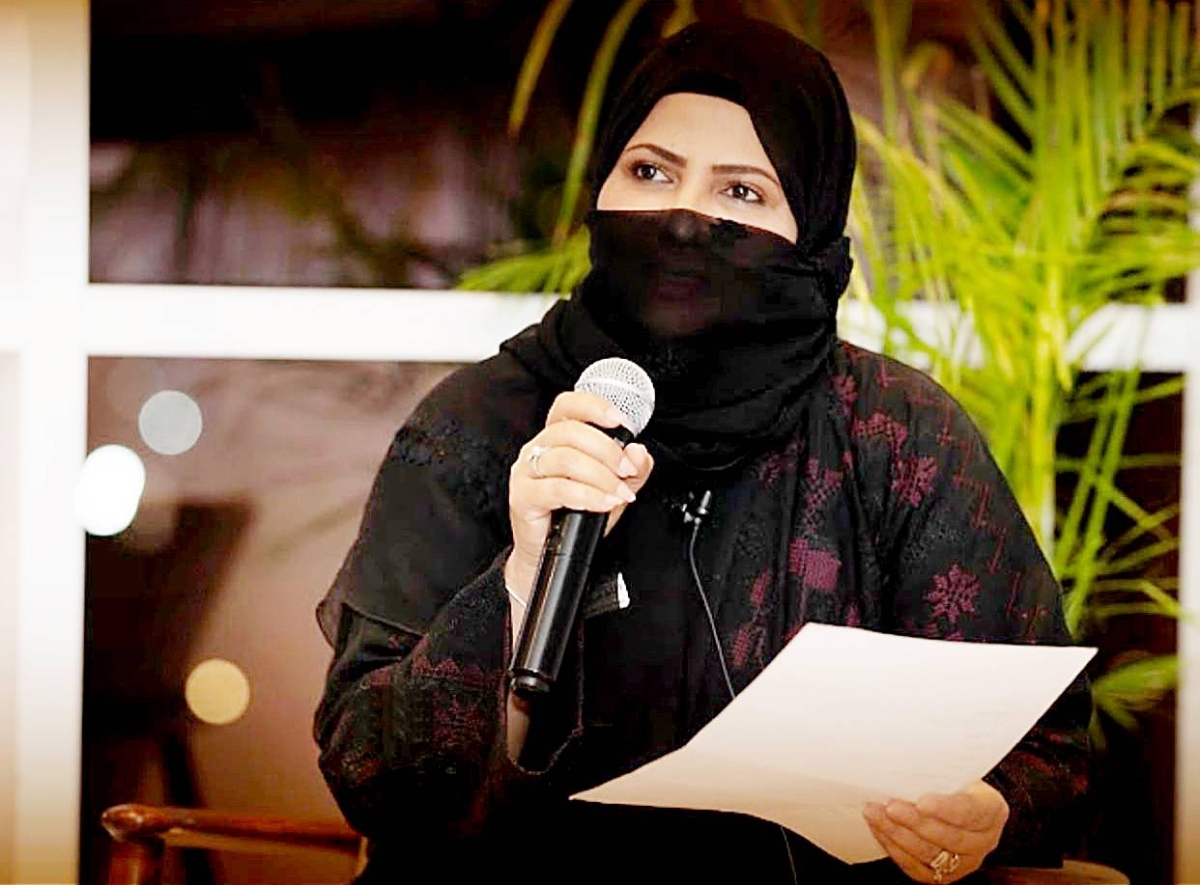
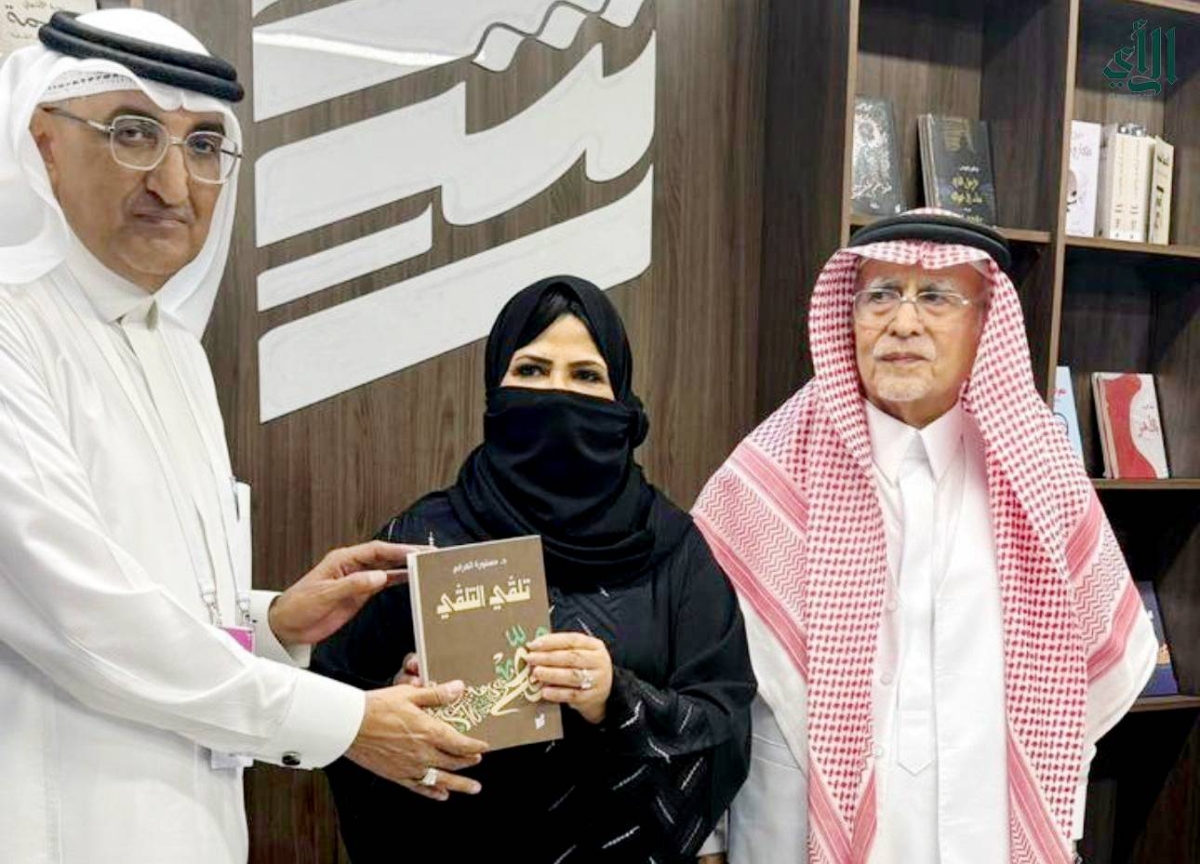
لم تكن الشاعرة الناقدة الأكاديمية الدكتورة مستورة العرابي، يوماً، منفصلةً عن واقعها، وانتمائها، فهي الكاتبة الإنسانية، والإنسانة المبدعة، التي تعرف متى تحضر وأين وكيف، وذلك لوعيها بمسؤوليتها الثقافية، ما منحها احترام وتقدير الجميع. تهب القصيدة أنوثةً لا تجرح كرامتها، وتمنح النقد أبعاداً لا توحّش جمالياته، وهي أيقونة أدبية في مشهدنا العربي، تؤكدُ في كل يوم إخلاصها لمنجزها، وتجاوزها لذاتها المُؤرقة بالأجمل دوماً، وهنا نصّ حوارنا معها..
• بماذا يمكن أن تصفي مشروعك الشعري؟
•• مشروعي الشعري، كتابات شعرية لم تكتمل بعد، كما أحبذ ألا أؤطرها زمنياً، بقدر ما أقدّم لغة واصفة، تركز على الخلفية المعرفية والرؤية الشعرية، التي أعمل على تطويرها باستمرار بعد الانعتاق من الديوان السابق، والانفتاح على أفق أكثر عمقاً ورحابة. كلما انتهيت من ديوان همست في داخلي: «لم أبدأ بعد». تجربتي الشعرية تجربة حياة، وهي ما يصفه علماء المعرفة اليوم بأن للفنون والآداب جذوراً في التجارب الشعرية سواء أكانت محلية أم عربية أم عالمية، فالأولى تقودنا إلى التراث العربي، وأنا ولدت في بيئة حجازية يعبق تراثها بالشعر واللغة، فهي بيئة المعلقات، وسوق عكاظ، وبيئة اللغة الشعرية الرصينة. من هنا تشكّلت لديّ الثنائية المركزية التي ترافقني: الواقع والحلم. وكانت بوصلتي في جعل الشعر أداة للتجربة والبوح والعبور، لذلك أخذت من هذا البعد المحلي أن أجعل من الشعر لغة للتجربة والأحلام، فالمعجم «الواقعي» لا يُجدي نفعاً في الشعر إذا لم يتجاوز الحدود والمنطق الصوري العقلي حيث التركيب بين المتباعدات والمتناقضات، وهذا بالضبط ما يعطي للشعر خاصية الحداثة العربية التي تشكل قراءة أخرى للتراث، وليس تجاوزاً له كما يدعي بعض الشعراء والنقاد المتطرفين في فهم الحداثة. ذلك أن الأنساق الثقافية تعيش مع الإنسان. أو كما يقول «غاستون باشلار» التراث يعيش فينا لكننا نتجاوزه نسبياً فيستمر فينا بطريقة جديدة. إذن المعرفة الشعرية في نظري هي هذا التوليف بين المحلّي والعربي نحو العالمي. وبهذا المعنى تتجاوز معرفتي الشعرية حدود الجغرافيا، ومشروعاً يتماس مع أسئلة الإنسان، وهواجسه، وقلقه الوجودي محاولاً أن يجسد عبر لغة الشعر تلك الثنائية الأبدية: الواقع والحلم.
• يبدو من خلال إجابتك أن لديك وعياً نقدياً بالشعر وكتابته، خصوصاً أنك أصدرت ديواناً حديثاً بعنوان «ما انتبذتُ سوى يقيني» واحتفيت به بطريقة مختلفة، لماذا؟
•• نعم، حين أصدرت ديواني «ما انتبذتُ سوى يقيني»، لم يكن الأمر محض احتفاء بتجربة جديدة، بل كان وقوفاً صامتاً على عتبة جديدة من الأسئلة. فالشعر لديّ ليس اكتمالاً، بل هو ارتحال دائم نحو المعنى، هذا الديوان، على غرار ما سبقه، لا يأتي بوصفه نتيجة، بل كتجربة مفتوحة تنبض بالحياة والسؤال، وتوالد المعنى ليترك القارئ في فسحة من التأويل، وهذا يعني أن الاحتفاء المختلف بديوان ما هو إلا لحظة نفسية وفلسفية فقط.
• ماذا يمثل المكان في تجربتك الشعرية؟ وهل ثمة أماكن ألهمتك الكتابة بشكل خاص؟
•• المكان في تجربتي الشعرية ليس مجرد إطار جغرافي يحضن القصيدة، بل هو كائن حيّ يتنفس داخلها، ويتحول إلى استعارة كبرى للحياة والحنين والانتماء، وقلتُ سابقاً إن الشاعر لا ينفصل عن دوائر المحلّي والقومي والإنساني، بل يتورط فيها جميعاً، يعيشها لا باعتبارها مراحل زمنية منفصلة، بل حالة شعورية متزامنة تتغلغل في وجدانه ووعيه الإبداعي، وأنا ابنة الحجاز، وتحديداً مدينة الطائف المبدعة، التي لا يمكنني إلا أن أكون مدينةً لها بالحُبّ والدهشة.. الطائف بكل تضاريسها وجبالها وقراها وأوديتها وألوانها وعبيرها سكنتني قبل أن أعي الشعر، وعلمتني أبجديات الانجذاب والإنصات والحنين، لا أستطيع النظر إلى أمكنة الطفولة دون أن يتحوّل المشهد إلى لوحة شعرية مضيئة، تمتزج فيها رائحة الورد الطائفي، والفل، والكادي، والشيح، والخزامى، فتوقظ في الروح شغف الإبداع، وتُنشّط في الذاكرة ألوان الوطن وتفاصيله. ومن هنا، أجد نفسي في كثير من قصائدي، أسيرةً لهذا العشق بوصفه هويةً وتاريخاً وقيماً ووطناً يتجدد في القصيدة كما يتجدد في الواقع. وتجلّى هذا العشق في قصائد، وأوبريتات وطنية كتبتها، فكانت بمثابة ملاحم شعرية لا بطل فيها سوى الوطن بكل تجلياته، ولعل القادم يحمل في طياته ديواناً شعرياً جديداً، سيكون فيه الوطن هو البؤرة، والاستعارة الكبرى، التي نعيش بها وعليها، ونبني بها قصائدنا كما نبني أحلامنا.
• هل الشعر أم النقد هو ما يمثل مستورة العرابي؟
•• أقول لك بأن الشعر روحي والنقد عقلي، فهل يمكن الفصل بينهما؛ إذ إن العلاقة بينهما عضوية متشابكة في حياتي، فكلما ازداد نضجي النقدي وأدواته واتسعت رؤاي الفكرية توهج إحساسي الشعري وبنائي له من حيث التجديد والإبداع.
• ما رأيك في تحولات المشهد الثقافي السعودي في السنوات الأخيرة؟
•• الإجابة عن هذا السؤال، في نظري، ليست مجرد رأي عابر، بل هي متعة معرفية لا حدود لها، فما شهدته المملكة في الأعوام الأخيرة لا يُعدّ تحوّلاً جزئياً أو تحديثاً شكلياً، بل هو نقلة عملاقة امتدت من الماضي بكل موروثه وثقله، إلى الحاضر بكل طموحاته وآماله، نحو مستقبل واعٍ بكل أبعاده، وأتاحت الإستراتيجية الثقافية الوطنية ضمن رؤية 2030 فضاءً جديداً ومفتوحاً للمثقفين والمبدعين السعوديين، فانطلقت السينما بنظرة كونية، وازدهر الفن التشكيلي، وتألقت المنصات الفكرية والنقدية والفنية، لترسم مكانة حقيقية للمثقف السعودي في محافل الثقافة العالمية، لا كمتلقٍ صامت فقط بل كصانعٍ وشريك فاعل.. نحن الآن نعيش لحظة ثقافية فارقة، لحظة يتحول فيها الخطاب الثقافي السعودي إلى مركز الحضور والفعل الثقافي العالمي.
• في ظل تسارع الإنتاج الأدبي، ما معياركِ لتمييز الأدب الحقيقي من المجاملة الأدبية؟
•• دعني أكون صريحة معك ومع القراء بشكل لا لبس فيه: إن المبدع والناقد الحصيف الذي ينهل من الأصول الأدبية والفنية العريقة والتيارات النقدية الجديدة في الدرس السيميائي والمعرفي والتداولي والسينمائي وغيرها لا يحتاج إلى مجاملات، بل إن تلك المجاملات تسيء له ولمنجزه، ولذلك لا أعتقد أن المبدع الجاد سيعرّض نفسه ومشروعه للمجاملات، وهي عموماً غير مهيمنة على مشهدنا الثقافي والأدبي. ولذلك أنصح بالقراءة المتنوعة وبلغات متعددة في الشعر والنقد والثقافة عموماً ومستجداتها المنهجية والعلمية والإبداعية التي تجعل بالضرورة المبدع والناقد مجدداً لنفسه ولآليات اشتغاله وإبداعه.
• هل ما زال الشعر يحتفظ بمكانته في عصر المنصات الرقمية؟ أم أنه أصبح محاصراً من طرف الإبداع الرقمي رواية وشعراً؟
•• هذا السؤال يحتمل أكثر من إشكالية، أولها الطارئون على الأدب بعامة والشعر منه خصوصاً، وهذه ليست جديدة، فمنذ ولادة الأدب وفيه طارئون، ومن الطبيعي أن تستمر، فوجودهم اليوم في المنصات هو امتداد لما سبق من تواجدهم على الورق، وثانيهما أنّه يحتمل إشكالية؛ ضعف الأدب بعامة، خصوصاً الشعر؛ بسبب انشغال المبدعين الرقميين بالصناعة التقنية على حساب الصياغات اللغوية الجمالية وهذه الإشكالية مفتعلة؛ كون المستوى الحرفي أحد أهم مستويات عناصر بناء النصوص الرقمية، ومن دونه يفقد النص جانباً كبيراً من تأثيره؛ لأن جوهر الشعر في العصر الورقي والرقمي واحد، فالكتابة اللغوية هي الأصل جنباً إلى جنب مع عناصر البناء الرقميّة الأخرى؛ صوتاً وصورةً وحركة وتقانةً. إذ إن الشعر هوية قائمة الذات في لغتها وتصوراتها كيفما تطورت تكنولوجيا العلوم.
• كيف ترين أثر انضمام مدينة الطائف لشبكة اليونيسكو كأول مدينة مبدعة في الأدب؟ وما الذي يحتاجه الأدب والثقافة في الطائف لمواكبة هذا الانضمام وترسيخه عالمياً؟
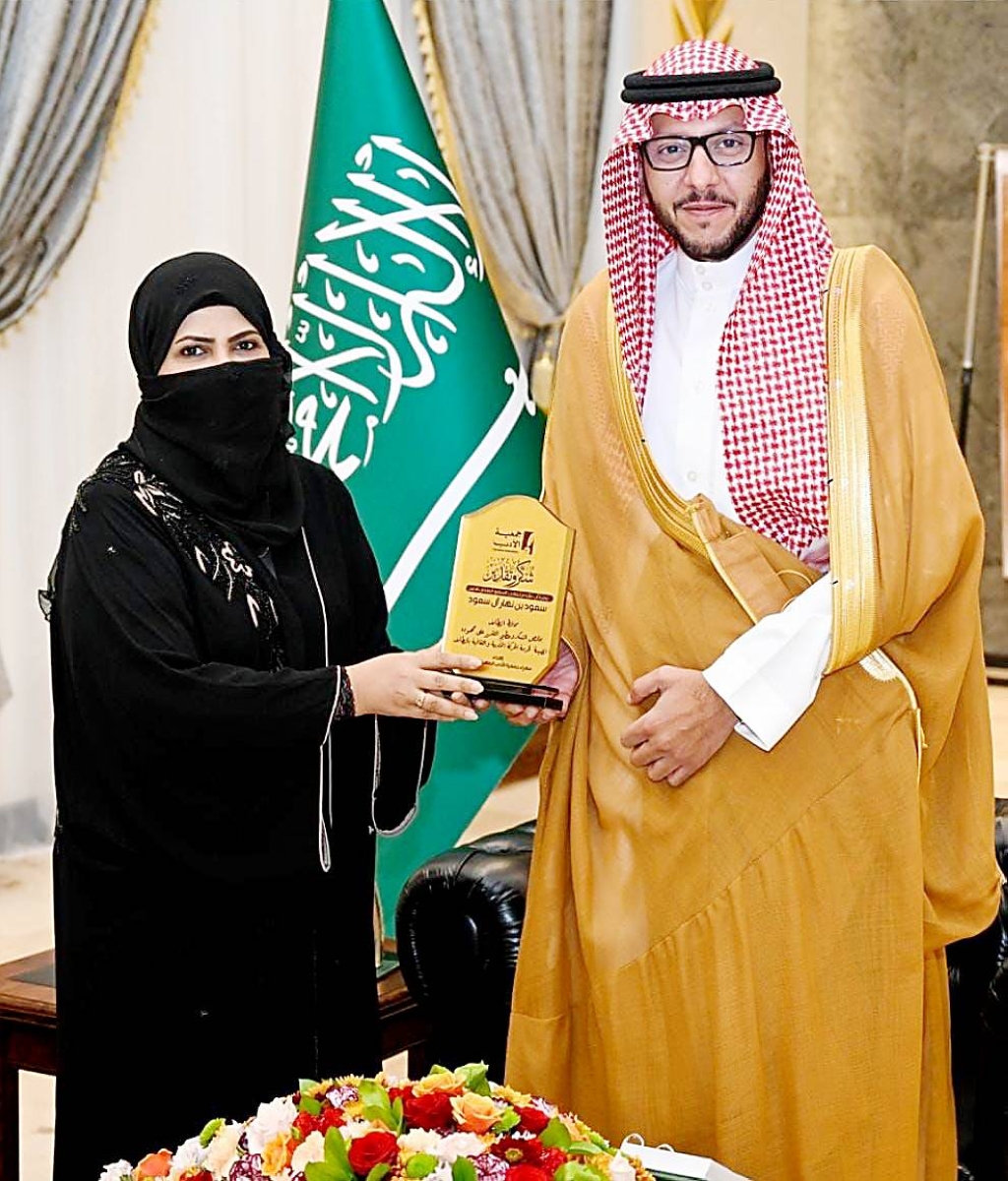
•• هذا الحدث ليس مجرد وسام، بل تكليف حضاري وثقافي كبير بكل المقاييس؛ لأنه يُدرج مدينة الطائف وثقافتها في نسق العالمية، وهذا الحضور الثقافي الكبير الذي تشهده محافظة الطائف يأتي من حرص محافظ الطائف الأمير سعود بن نهار بن سعود بن عبدالعزيز؛ الذي يقف مع كافة المشاريع الثقافية والأدبية، والحرص على تذليل العقبات، وأصبحت الطائف مدينة مبدعة في مجال الأدب بشبكة اليونسكو؛ لأن الطائف بتاريخها الضارب في أعماق التراث العربي تمتلك مقومات الريادة، وبالتالي تحتاج إلى ورش إبداعية، وملتقيات أدبية، ومؤتمرات فكرية تتجاوز الشكل إلى المضمون، لمساندة هذا الانضمام وتأكيده وتحفيز انخراط الطاقات الشبابية، وتفعيل دور المؤسسات الثقافية والتعليمية؛ لترسيخ هذه الهوية الجديدة، وجعلها انطلاقة لمشروع ثقافي مستمر، لا لحظة احتفاء عابرة.
• تشهد هذه الأيام جمعية الأدب المهنية دورة جديدة ثانية لعضوية مجلس الإدارة، وكونك عضواً مؤسساً وأحد أعضاء الجمعية العمومية، ما التطلعات التي تنتظرينها من المجلس الجديد؟
•• الجمعية تسير بخطى واثقة ومتسارعة جداً منذ أن انطلقت بحفل انطلاقتها الشهير في مدينة حائل، ومنذ ذلك التاريخ ونحن نشهد تقريباً كل يوم نشاطاً جديداً يضيف ويثري الساحة الأدبية والقطاع الأدبي بشكل عام، وما نرجوه من المجلس المنتظر مواصلة هذا النمو المتسارع الذي يصبُّ رأساً في رؤية وزارة الثقافة للقطاع ورؤية المملكة 2030 بشكل عام.
• من خلال تجاربك المتعددة في إدارة المبادرات الثقافية للشباب، برأيك ما أهم ما ينقص الشباب اليوم؟
•• أعتقد أن الشباب اليوم متحمس أكثر، ومن خلال تجاربي المتواضعة في مبادرة «شرفة الشعر»، و«مسابقة الإبداع الأدبي لطلاب الجامعات السعودية» بهيئة الأدب والنشر والترجمة، و«مسابقة أديب» بجمعية الأدب المهنية، وجدت شباباً طموحاً واعياً يسعى للإبداع والتجديد والتجريب؛ لذلك يجب أن نعمل على مساندة مجهودات وزارة الثقافة في خلق مناخ الابتكار والفعل التشاركي حتى داخل المؤسسات الجامعية لاستقطاب الشباب ودعمهم، كون الوعي بدايةً ينطلق من الجامعات والمؤسسات التعليمية.
• في بعض من نشاطاتكم كرئيس لسفراء الأدب بالطائف تابعنا فعاليات تجمع بين الشعر الشعبي والفصيح، كيف تقيّمين ذلك؟
•• إن حضور الشعر الشعبي إلى جانب الفصيح لا يقلل من قيمة أحدهما، بل في هذا الحضور معاً إعادة الاعتبار لوحدة الشعر مهما اختلفت أدواته، كما يعمق الذاكرة اللغوية الكبرى ويعبر عن التراكم الثقافي والحضاري، ويؤكد أن الشعر تجربة إنسانية تتجاوز الفصل بينهما، وهذا يؤكد ما يطرحه اللسانيون المعاصرون من علاقة الامتداد الواردة بين الشعر العامي والفصيح، فالعامية هي امتداد للغة الأم؛ أي اللغة العربية الفصحى، حيث التفاعل بينهما في ورش وندوات وأمسيات يفيدهما معاً، ويغني جمالية القراءة لدى المتلقي.
• كيف تقيّمين ترجمة نصوصك وعدد من الشاعرات العربيات في مجلة عالمية؟
•• أعتبر الترجمة نافذة للدخول إلى حضارات أخرى. ومن ثم، فأهمية ترجمة قصائدي تكمن في أن يتعرف الآخر على جانب من جوانب حضارتنا وقيمنا وذكائنا الشعري، وليس كل جوانبه البلاغية والجمالية فقط، ولكن لنعلم أن الترجمة مهما بلغت دقتها لن تصل إلى الكمال والجودة الواسمة للنص الأصلي، إلا أنها تظل ضرورية للمبدع قصد بلوغ صوته إلى الآخر.
• ما سبب فقدان الطائف لكثير من نشاطاتها الثقافية؟
•• مدينة الطائف هي مدينة الشعر والشعراء والأدباء والمثقفين، تشهد مثل غيرها من المدن في المملكة تحولات اجتماعية وثقافية عميقة، خصوصاً مع هيمنة الأدوات الرقمية والذكاء الاصطناعي ووسائل التكنولوجيا الحديثة التي ربما أنها أضعفت الحس الثقافي وأنشطته المتعددة في كل مكان، غير أن انضمام الطائف إلى شبكة اليونيسكو للمدن المبدعة نأمل من خلاله أن تفتح الآفاق لها قصد تفعيل النشاط الثقافي بشكل ممتد لا يتوقف، وبشكل يتيح نهضة أدبية وثقافية جديدة فيها.
• أين دور جامعة الطائف الثقافي في المجتمع المحلي؟
•• جامعة الطائف تقوم بأدوار طلائعية بوصفها منارة للعلم والبحث وداعمة للفكر والثقافة، غير أن دينامية الحركة الثقافية الجامعية في الطائف تحتاج إلى إعادة تشكيل وبرمجة وفق رؤية إستراتيجية مستقبلية تراعي متطلبات الشباب المتجددة واهتماماتهم بما يتناغم مع رؤية 2030 التي تراهن على الإبداع والابتكار والتنوع من حيث التشكيل والفنون البصرية والمسرح وصناعة المحتوى الإبداعي وغير ذلك.
«سيرة ذاتية»
مستورة العرابي
أستاذ فلسفة الأدب والنقد الحديث ونقد النقد بجامعة الطائف.
شاعرة وباحثة وعضو مؤسس في جمعية الأدب المهنية.
عملت في كثير من اللجان الأكاديمية والعلمية والبحثية والثقافية.
شاركت في العديد من الأمسيات الشعرية والندوات النقدية داخل المملكة وخارجها، وقد تُرجمت كثير من قصائدها إلى عدد من اللغات العالمية.
صدر لها عدد من الدواوين الشعرية والدراسات النقدية منها:
- التشكيل الجمالي في شعر عبدالعزيز خوجة عن نادي جدة الأدبي 2014م.
- صناعة المعنى في شعر محمد إبراهيم يعقوب - مقاربة سيميائية، صادر عن نادي مكة الأدبي الثقافي مع مؤسسة الانتشار العربي 2020م.
- «ما التبس بي.. ما غبت عنه» ديوان شعر، صادر عن نادي الطائف الأدبي الثقافي مع مؤسسة الانتشار العربي 2020م.
- إضاءات لفراشات المعنى، مقاربات نقدية في الشعر والقصة، صادر عن نادي الطائف الأدبي مع الانتشار العربي 2023م.
- «تلقي التلقي»، مقاربات نقدية في الشعر والرواية، صدر عن دار رشم، 2024م.
- «ما انتبذت سوى يقيني»، ديوان شعر، صدر عن دار موزاييك، 2025م.
أكدت أن مشروعها لم يكتمل والمجاملات تسيء للمبدع ومنجزه..
مستورة العرابي: الشعر روحي والنقد عقلي والحداثة ليست تجاوزاً للتراث
1 أغسطس 2025 - 02:45
|
آخر تحديث 2 أغسطس 2025 - 12:15


تابع قناة عكاظ على الواتساب
حاورها: عبدالعزيز الربيعي arabiue@
The poet, critic, and academic Dr. Mastoura Al-Arabi has never been disconnected from her reality and belonging. She is the human writer and the creative person who knows when to be present, where, and how, due to her awareness of her cultural responsibility, which has earned her the respect and appreciation of all. She bestows femininity upon poetry that does not wound its dignity, and grants criticism dimensions that do not savage its aesthetics. She is a literary icon in our Arab scene, affirming her dedication to her work every day, transcending her restless self towards the more beautiful always. Here is the text of our dialogue with her..
• How would you describe your poetic project?
•• My poetic project consists of unfinished poetic writings, and I prefer not to frame them temporally, as much as I present a descriptive language that focuses on the cognitive background and poetic vision that I continuously work on developing after breaking free from the previous collection and opening up to a deeper and broader horizon. Every time I finish a collection, I whisper to myself: "I have not begun yet." My poetic experience is a life experience, which today’s knowledge scholars describe as the arts and literature having roots in poetic experiences, whether local, Arab, or global. The first leads us to the Arab heritage, and I was born in a Hijazi environment steeped in poetry and language; it is the environment of the Mu'allaqat, Souq Okaz, and the environment of refined poetic language. From here, I formed the central duality that accompanies me: reality and dream. My compass was to make poetry a tool for experience, expression, and transition. Therefore, I took from this local dimension to make poetry a language for experience and dreams. The "realistic" lexicon is of no use in poetry if it does not transcend the boundaries and the rational image logic, where the composition between the disparate and the contradictory occurs. This is precisely what gives Arabic poetry its modernity, which forms another reading of heritage, and not a transcendence of it, as some poets and critics who have a radical understanding of modernity claim. Cultural systems live with humanity. Or as Gaston Bachelard says, heritage lives within us, but we relatively transcend it, continuing in a new way. Thus, poetic knowledge, in my view, is this synthesis between the local and the Arab towards the global. In this sense, my poetic knowledge transcends the limits of geography, and is a project that touches upon human questions, anxieties, and existential concerns, attempting to embody through the language of poetry that eternal duality: reality and dream.
• It seems from your answer that you have a critical awareness of poetry and its writing, especially since you recently published a collection titled "I Have Not Withdrawn Except My Certainty" and celebrated it in a different way. Why?
•• Yes, when I published my collection "I Have Not Withdrawn Except My Certainty," it was not merely a celebration of a new experience, but a silent standing at a new threshold of questions. For me, poetry is not completion; it is a constant journey towards meaning. This collection, like its predecessors, does not come as a result, but as an open experience pulsating with life and inquiry, generating meaning that leaves the reader in a space of interpretation. This means that the different celebration of a collection is merely a psychological and philosophical moment.
• What does place represent in your poetic experience? Are there specific places that inspired your writing?
•• Place in my poetic experience is not just a geographical frame that embraces the poem; it is a living being that breathes within it, transforming into a grand metaphor for life, longing, and belonging. I have previously stated that the poet does not separate from the circles of the local, national, and human; rather, they become entangled in all of them, experiencing them not as separate temporal stages, but as a simultaneous emotional state that permeates their consciousness and creative awareness. I am a daughter of Hijaz, specifically the creative city of Taif, to which I can only be devoted with love and wonder. Taif, with all its terrains, mountains, villages, valleys, colors, and fragrances, inhabited me before I was aware of poetry, teaching me the basics of attraction, listening, and longing. I cannot look at the places of my childhood without the scene transforming into a luminous poetic painting, where the scent of Taif roses, jasmine, and lavender awakens in the soul the passion for creativity and activates in memory the colors and details of the homeland. From here, I find myself in many of my poems, a captive of this love as it embodies identity, history, values, and a homeland that renews itself in poetry as it does in reality. This love has manifested in poems and national operettas I have written, serving as poetic epics with no hero other than the homeland in all its manifestations. Perhaps what lies ahead carries within it a new poetic collection, where the homeland will be the focal point and the grand metaphor through which we live and build our poems as we build our dreams.
• Is it poetry or criticism that represents Mastoura Al-Arabi?
•• I tell you that poetry is my soul and criticism is my mind, so can one separate between them? The relationship between them is an intertwined organic one in my life. The more my critical maturity and tools grow, and my intellectual horizons expand, the more my poetic feeling and its construction glow in terms of renewal and creativity.
• What do you think of the transformations in the Saudi cultural scene in recent years?
•• Answering this question, in my view, is not just a passing opinion, but a boundless cognitive pleasure. What the Kingdom has witnessed in recent years is not a partial transformation or a superficial modernization; rather, it is a giant leap that has extended from the past with all its heritage and weight to the present with all its ambitions and hopes, towards a future aware of all its dimensions. The national cultural strategy within Vision 2030 has provided a new and open space for Saudi intellectuals and creators. Cinema has launched with a global perspective, visual arts have flourished, and intellectual, critical, and artistic platforms have shone, establishing a true place for the Saudi intellectual in the global culture arenas, not merely as a silent recipient but as an active creator and partner. We are now living a pivotal cultural moment, a moment in which the Saudi cultural discourse transforms into a center of presence and cultural action on the global stage.
• In light of the accelerating literary production, what is your criterion for distinguishing true literature from literary flattery?
•• Let me be frank with you and the readers in a way that is unequivocal: The creator and the astute critic who draws from the rich literary and artistic roots and the new critical currents in semiotic, cognitive, discursive, cinematic studies, and others do not need flattery. Such flattery harms them and their achievements. Therefore, I do not believe that a serious creator will expose themselves and their project to flattery, which is generally not dominant in our cultural and literary scene. Thus, I advise diverse reading in multiple languages in poetry, criticism, and culture in general, along with its methodological, scientific, and creative updates that necessarily make the creator and critic renew themselves and their working and creative mechanisms.
• Does poetry still retain its status in the age of digital platforms? Or has it become besieged by digital creativity in novels and poetry?
•• This question entails more than one issue. The first is the newcomers to literature in general and poetry in particular, which is not new. Since the birth of literature, there have been newcomers, and it is natural for this to continue. Their presence today on platforms is an extension of their previous existence on paper. The second issue is the potential problem of the weakness of literature in general, especially poetry, due to the preoccupation of digital creators with technical production at the expense of aesthetic linguistic formulations. This problem is fabricated, as the craft level is one of the most important elements in building digital texts. Without it, the text loses a significant part of its impact. The essence of poetry in both the paper and digital ages is the same; linguistic writing is the original alongside other digital building elements: sound, image, movement, and technology. Poetry is a self-sustaining identity in its language and perceptions, regardless of how the technology of sciences evolves.
• How do you see the impact of Taif's joining the UNESCO Creative Cities of Literature network? What does literature and culture in Taif need to keep pace with this membership and establish it globally?
•• This event is not just a badge; it is a significant civilizational and cultural assignment by all measures because it places the city of Taif and its culture within the framework of globality. This significant cultural presence that the Taif Governorate is witnessing comes from the commitment of Governor Saud bin Nahar bin Saud bin Abdulaziz, who supports all cultural and literary projects and strives to smooth obstacles. Taif has become a creative city in the field of literature within the UNESCO network because it possesses the elements of leadership with its deep-rooted history in Arab heritage. Therefore, it needs creative workshops, literary gatherings, and intellectual conferences that transcend form to substance, to support this membership and affirm it, stimulate the engagement of youthful energies, and activate the role of cultural and educational institutions to solidify this new identity and make it a launchpad for a continuous cultural project, not just a fleeting moment of celebration.
• These days, the Professional Literature Association is witnessing a new round for the membership of the board of directors. As a founding member and one of the members of the general assembly, what aspirations do you expect from the new council?
•• The association has been moving confidently and rapidly since its famous launch ceremony in the city of Hail. Since that date, we have witnessed almost daily new activities that add to and enrich the literary scene and the literary sector in general. What we hope from the upcoming council is to continue this rapid growth that directly aligns with the Ministry of Culture's vision for the sector and the Kingdom's Vision 2030 in general.
• Through your multiple experiences in managing cultural initiatives for youth, what do you think is the most important thing that youth today lack?
•• I believe that youth today are more enthusiastic, and through my modest experiences in the "Poetry Balcony" initiative, the "Literary Creativity Competition for Saudi University Students" at the Literature, Publishing, and Translation Authority, and the "Writer" competition at the Professional Literature Association, I found ambitious and aware youth striving for creativity, renewal, and experimentation. Therefore, we must work to support the Ministry of Culture's efforts in creating an atmosphere of innovation and participatory action even within university institutions to attract and support youth, as awareness begins primarily from universities and educational institutions.
• In some of your activities as the head of the Literature Ambassadors in Taif, we have followed events that combine both popular and classical poetry. How do you evaluate that?
•• The presence of popular poetry alongside classical poetry does not diminish the value of either; rather, this presence together restores the significance of the unity of poetry, regardless of the tools used. It deepens the great linguistic memory and expresses the cultural and civilizational accumulation, affirming that poetry is a human experience that transcends the division between them. This confirms what contemporary linguists propose regarding the relationship of extension between colloquial and classical poetry, as colloquial is an extension of the mother tongue, i.e., Modern Standard Arabic, where interaction between them in workshops, seminars, and evenings benefits both and enriches the aesthetics of reading for the audience.
• How do you evaluate the translation of your texts and those of several Arab female poets in an international magazine?
•• I consider translation a window into other civilizations. Therefore, the importance of translating my poems lies in allowing others to recognize a facet of our civilization, values, and poetic intelligence, not just its rhetorical and aesthetic aspects. However, we must understand that no matter how precise the translation is, it will not reach the perfection and quality that characterize the original text. Nevertheless, it remains necessary for the creator to reach their voice to others.
• What is the reason for Taif losing many of its cultural activities?
•• The city of Taif is the city of poetry, poets, writers, and intellectuals. Like other cities in the Kingdom, it witnesses profound social and cultural transformations, especially with the dominance of digital tools, artificial intelligence, and modern technology, which may have weakened the cultural sensibility and its various activities everywhere. However, with Taif's joining the UNESCO Creative Cities network, we hope it will open up avenues to activate cultural activity in a sustained manner, allowing for a new literary and cultural renaissance.
• What is the role of Taif University in the local community?
•• Taif University plays pioneering roles as a beacon of knowledge and research and a supporter of thought and culture. However, the dynamics of university cultural movement in Taif need to be reshaped and programmed according to a future strategic vision that considers the evolving needs and interests of youth, in harmony with Vision 2030, which bets on creativity, innovation, and diversity in terms of formation, visual arts, theater, and the production of creative content, among others.
“Curriculum Vitae”
Mastoura Al-Arabi
Professor of Philosophy of Literature, Modern Criticism, and Critique of Criticism at Taif University.
Poet, researcher, and founding member of the Professional Literature Association.
Worked in many academic, scientific, research, and cultural committees.
Participated in numerous poetry evenings and critical seminars inside and outside the Kingdom, and many of her poems have been translated into several world languages.
She has published several poetry collections and critical studies, including:
- "The Aesthetic Formation in the Poetry of Abdulaziz Khoja," published by the Jeddah Literary Club in 2014.
- "The Construction of Meaning in the Poetry of Muhammad Ibrahim Yaqub - A Semiotic Approach," published by the Makkah Literary Cultural Club in collaboration with the Arab Dissemination Foundation in 2020.
- "What Has Confused Me... What I Have Been Absent From," a poetry collection published by the Taif Literary Cultural Club in collaboration with the Arab Dissemination Foundation in 2020.
- "Illuminations for the Butterflies of Meaning," critical approaches in poetry and story, published by the Taif Literary Club with the Arab Dissemination Foundation in 2023.
- "Receiving Reception," critical approaches in poetry and novels, published by Dar Rashm in 2024.
- "I Have Not Withdrawn Except My Certainty," a poetry collection published by Dar Mosaic in 2025.
• How would you describe your poetic project?
•• My poetic project consists of unfinished poetic writings, and I prefer not to frame them temporally, as much as I present a descriptive language that focuses on the cognitive background and poetic vision that I continuously work on developing after breaking free from the previous collection and opening up to a deeper and broader horizon. Every time I finish a collection, I whisper to myself: "I have not begun yet." My poetic experience is a life experience, which today’s knowledge scholars describe as the arts and literature having roots in poetic experiences, whether local, Arab, or global. The first leads us to the Arab heritage, and I was born in a Hijazi environment steeped in poetry and language; it is the environment of the Mu'allaqat, Souq Okaz, and the environment of refined poetic language. From here, I formed the central duality that accompanies me: reality and dream. My compass was to make poetry a tool for experience, expression, and transition. Therefore, I took from this local dimension to make poetry a language for experience and dreams. The "realistic" lexicon is of no use in poetry if it does not transcend the boundaries and the rational image logic, where the composition between the disparate and the contradictory occurs. This is precisely what gives Arabic poetry its modernity, which forms another reading of heritage, and not a transcendence of it, as some poets and critics who have a radical understanding of modernity claim. Cultural systems live with humanity. Or as Gaston Bachelard says, heritage lives within us, but we relatively transcend it, continuing in a new way. Thus, poetic knowledge, in my view, is this synthesis between the local and the Arab towards the global. In this sense, my poetic knowledge transcends the limits of geography, and is a project that touches upon human questions, anxieties, and existential concerns, attempting to embody through the language of poetry that eternal duality: reality and dream.
• It seems from your answer that you have a critical awareness of poetry and its writing, especially since you recently published a collection titled "I Have Not Withdrawn Except My Certainty" and celebrated it in a different way. Why?
•• Yes, when I published my collection "I Have Not Withdrawn Except My Certainty," it was not merely a celebration of a new experience, but a silent standing at a new threshold of questions. For me, poetry is not completion; it is a constant journey towards meaning. This collection, like its predecessors, does not come as a result, but as an open experience pulsating with life and inquiry, generating meaning that leaves the reader in a space of interpretation. This means that the different celebration of a collection is merely a psychological and philosophical moment.
• What does place represent in your poetic experience? Are there specific places that inspired your writing?
•• Place in my poetic experience is not just a geographical frame that embraces the poem; it is a living being that breathes within it, transforming into a grand metaphor for life, longing, and belonging. I have previously stated that the poet does not separate from the circles of the local, national, and human; rather, they become entangled in all of them, experiencing them not as separate temporal stages, but as a simultaneous emotional state that permeates their consciousness and creative awareness. I am a daughter of Hijaz, specifically the creative city of Taif, to which I can only be devoted with love and wonder. Taif, with all its terrains, mountains, villages, valleys, colors, and fragrances, inhabited me before I was aware of poetry, teaching me the basics of attraction, listening, and longing. I cannot look at the places of my childhood without the scene transforming into a luminous poetic painting, where the scent of Taif roses, jasmine, and lavender awakens in the soul the passion for creativity and activates in memory the colors and details of the homeland. From here, I find myself in many of my poems, a captive of this love as it embodies identity, history, values, and a homeland that renews itself in poetry as it does in reality. This love has manifested in poems and national operettas I have written, serving as poetic epics with no hero other than the homeland in all its manifestations. Perhaps what lies ahead carries within it a new poetic collection, where the homeland will be the focal point and the grand metaphor through which we live and build our poems as we build our dreams.
• Is it poetry or criticism that represents Mastoura Al-Arabi?
•• I tell you that poetry is my soul and criticism is my mind, so can one separate between them? The relationship between them is an intertwined organic one in my life. The more my critical maturity and tools grow, and my intellectual horizons expand, the more my poetic feeling and its construction glow in terms of renewal and creativity.
• What do you think of the transformations in the Saudi cultural scene in recent years?
•• Answering this question, in my view, is not just a passing opinion, but a boundless cognitive pleasure. What the Kingdom has witnessed in recent years is not a partial transformation or a superficial modernization; rather, it is a giant leap that has extended from the past with all its heritage and weight to the present with all its ambitions and hopes, towards a future aware of all its dimensions. The national cultural strategy within Vision 2030 has provided a new and open space for Saudi intellectuals and creators. Cinema has launched with a global perspective, visual arts have flourished, and intellectual, critical, and artistic platforms have shone, establishing a true place for the Saudi intellectual in the global culture arenas, not merely as a silent recipient but as an active creator and partner. We are now living a pivotal cultural moment, a moment in which the Saudi cultural discourse transforms into a center of presence and cultural action on the global stage.
• In light of the accelerating literary production, what is your criterion for distinguishing true literature from literary flattery?
•• Let me be frank with you and the readers in a way that is unequivocal: The creator and the astute critic who draws from the rich literary and artistic roots and the new critical currents in semiotic, cognitive, discursive, cinematic studies, and others do not need flattery. Such flattery harms them and their achievements. Therefore, I do not believe that a serious creator will expose themselves and their project to flattery, which is generally not dominant in our cultural and literary scene. Thus, I advise diverse reading in multiple languages in poetry, criticism, and culture in general, along with its methodological, scientific, and creative updates that necessarily make the creator and critic renew themselves and their working and creative mechanisms.
• Does poetry still retain its status in the age of digital platforms? Or has it become besieged by digital creativity in novels and poetry?
•• This question entails more than one issue. The first is the newcomers to literature in general and poetry in particular, which is not new. Since the birth of literature, there have been newcomers, and it is natural for this to continue. Their presence today on platforms is an extension of their previous existence on paper. The second issue is the potential problem of the weakness of literature in general, especially poetry, due to the preoccupation of digital creators with technical production at the expense of aesthetic linguistic formulations. This problem is fabricated, as the craft level is one of the most important elements in building digital texts. Without it, the text loses a significant part of its impact. The essence of poetry in both the paper and digital ages is the same; linguistic writing is the original alongside other digital building elements: sound, image, movement, and technology. Poetry is a self-sustaining identity in its language and perceptions, regardless of how the technology of sciences evolves.
• How do you see the impact of Taif's joining the UNESCO Creative Cities of Literature network? What does literature and culture in Taif need to keep pace with this membership and establish it globally?
•• This event is not just a badge; it is a significant civilizational and cultural assignment by all measures because it places the city of Taif and its culture within the framework of globality. This significant cultural presence that the Taif Governorate is witnessing comes from the commitment of Governor Saud bin Nahar bin Saud bin Abdulaziz, who supports all cultural and literary projects and strives to smooth obstacles. Taif has become a creative city in the field of literature within the UNESCO network because it possesses the elements of leadership with its deep-rooted history in Arab heritage. Therefore, it needs creative workshops, literary gatherings, and intellectual conferences that transcend form to substance, to support this membership and affirm it, stimulate the engagement of youthful energies, and activate the role of cultural and educational institutions to solidify this new identity and make it a launchpad for a continuous cultural project, not just a fleeting moment of celebration.
• These days, the Professional Literature Association is witnessing a new round for the membership of the board of directors. As a founding member and one of the members of the general assembly, what aspirations do you expect from the new council?
•• The association has been moving confidently and rapidly since its famous launch ceremony in the city of Hail. Since that date, we have witnessed almost daily new activities that add to and enrich the literary scene and the literary sector in general. What we hope from the upcoming council is to continue this rapid growth that directly aligns with the Ministry of Culture's vision for the sector and the Kingdom's Vision 2030 in general.
• Through your multiple experiences in managing cultural initiatives for youth, what do you think is the most important thing that youth today lack?
•• I believe that youth today are more enthusiastic, and through my modest experiences in the "Poetry Balcony" initiative, the "Literary Creativity Competition for Saudi University Students" at the Literature, Publishing, and Translation Authority, and the "Writer" competition at the Professional Literature Association, I found ambitious and aware youth striving for creativity, renewal, and experimentation. Therefore, we must work to support the Ministry of Culture's efforts in creating an atmosphere of innovation and participatory action even within university institutions to attract and support youth, as awareness begins primarily from universities and educational institutions.
• In some of your activities as the head of the Literature Ambassadors in Taif, we have followed events that combine both popular and classical poetry. How do you evaluate that?
•• The presence of popular poetry alongside classical poetry does not diminish the value of either; rather, this presence together restores the significance of the unity of poetry, regardless of the tools used. It deepens the great linguistic memory and expresses the cultural and civilizational accumulation, affirming that poetry is a human experience that transcends the division between them. This confirms what contemporary linguists propose regarding the relationship of extension between colloquial and classical poetry, as colloquial is an extension of the mother tongue, i.e., Modern Standard Arabic, where interaction between them in workshops, seminars, and evenings benefits both and enriches the aesthetics of reading for the audience.
• How do you evaluate the translation of your texts and those of several Arab female poets in an international magazine?
•• I consider translation a window into other civilizations. Therefore, the importance of translating my poems lies in allowing others to recognize a facet of our civilization, values, and poetic intelligence, not just its rhetorical and aesthetic aspects. However, we must understand that no matter how precise the translation is, it will not reach the perfection and quality that characterize the original text. Nevertheless, it remains necessary for the creator to reach their voice to others.
• What is the reason for Taif losing many of its cultural activities?
•• The city of Taif is the city of poetry, poets, writers, and intellectuals. Like other cities in the Kingdom, it witnesses profound social and cultural transformations, especially with the dominance of digital tools, artificial intelligence, and modern technology, which may have weakened the cultural sensibility and its various activities everywhere. However, with Taif's joining the UNESCO Creative Cities network, we hope it will open up avenues to activate cultural activity in a sustained manner, allowing for a new literary and cultural renaissance.
• What is the role of Taif University in the local community?
•• Taif University plays pioneering roles as a beacon of knowledge and research and a supporter of thought and culture. However, the dynamics of university cultural movement in Taif need to be reshaped and programmed according to a future strategic vision that considers the evolving needs and interests of youth, in harmony with Vision 2030, which bets on creativity, innovation, and diversity in terms of formation, visual arts, theater, and the production of creative content, among others.
“Curriculum Vitae”
Mastoura Al-Arabi
Professor of Philosophy of Literature, Modern Criticism, and Critique of Criticism at Taif University.
Poet, researcher, and founding member of the Professional Literature Association.
Worked in many academic, scientific, research, and cultural committees.
Participated in numerous poetry evenings and critical seminars inside and outside the Kingdom, and many of her poems have been translated into several world languages.
She has published several poetry collections and critical studies, including:
- "The Aesthetic Formation in the Poetry of Abdulaziz Khoja," published by the Jeddah Literary Club in 2014.
- "The Construction of Meaning in the Poetry of Muhammad Ibrahim Yaqub - A Semiotic Approach," published by the Makkah Literary Cultural Club in collaboration with the Arab Dissemination Foundation in 2020.
- "What Has Confused Me... What I Have Been Absent From," a poetry collection published by the Taif Literary Cultural Club in collaboration with the Arab Dissemination Foundation in 2020.
- "Illuminations for the Butterflies of Meaning," critical approaches in poetry and story, published by the Taif Literary Club with the Arab Dissemination Foundation in 2023.
- "Receiving Reception," critical approaches in poetry and novels, published by Dar Rashm in 2024.
- "I Have Not Withdrawn Except My Certainty," a poetry collection published by Dar Mosaic in 2025.


