



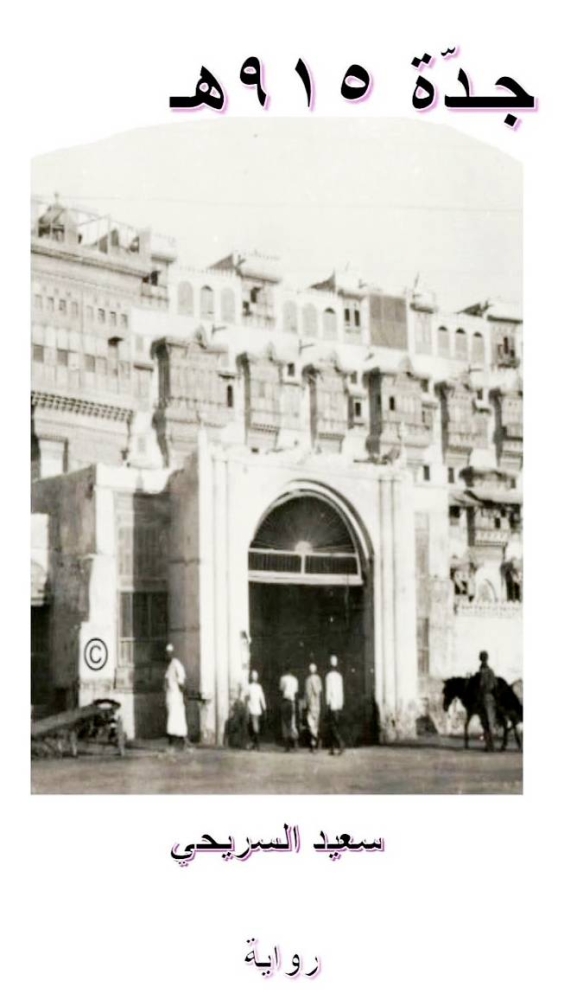
كعادة الناقد الدكتور سعيد السريحي، في الافتتان بالدهشة، والإدهاش، غدا مُدهشاً وهو في مطلع العقد السابع من عمره، بتبنيه منهجية «الإنتاج» الأدبي، ما بين سيرة، ونقد، وقصائد، وروايات، ولكي يؤكد لقارئه امتلاكه أدوات السارد، عاد إلى المشهد بأحدث إصداراته، السردية «جدة 915هـ» متناولاً فيه حياة أهالي مدينة جدة في زمن الوباء، وكأنما استعاد السارد زمن الجدري، واستبطن تداعيات وباء فايروس كورونا، والرواية الصادرة عن دار مدارك، تعد الإصدار الـ17 لأبي إقبال.
يؤكد صاحب «الكتابة خارج الأقواس» أن العمل الأحدث يمثّل بالنسبة له مغامرة تستند على أساس من إيمانه بأن الكتابة إن لم تكن ضرباً من المغامرة فإنها لا تستحق العناء الذي يُبذَل فيها، والرواية تقوم على تخييل الأصول التاريخية، التي صاحبت بناء سور جدة عام 915هـ.
ومن الفصل الأول للرواية نجتزئ هذا المشهد:
«اقتربوا من بيوتهم، تلوح على جدرانها ذاكرة موشومة بالجدري، الذي عاث فيها قبل سنوات قليلة، جاس شهراً بين البيوت، كمَن لهم في مفارق الطرق ومنعطفات الأزقة، ولم يغادرها إلا بعد أن اصطحب، من كل بيت من بيوتها، رفيقاً له في رحيله عنها، وترك في كل بيت من بيوتها أجساداً موشومة بآثار الدمامل، رحل وحمل معه أولئك الذين حملوه لجدة على أكتافهم من أعماق البحر، وقسموا دمامله وبثوره بين حاراتها وبرحاتها وأزقتها وأسواقها، حملهم معه فأراحهم من تحمّل إثم من رحلوا ولوم من تركهم الجدري أشباه أحياء.
عاد البحارة ذات يوم بقواربهم محملة بما أخفوه عن أعين حراس البحر، من توابل وقمح وأقمشة مهربة غير أنهم عادوا بخبر آخر تكتموا عليه، ثم أفشوه بعد أن أثقلهم حمله سرّاً، تحدثوا عمّا رأوه على سطح تلك السفينة، التي كانت تحمل البضائع، من رجال توشم وجوههم وسواعدهم الدمامل، ورجال يئنون من وطأة الحمى والجراح التي تمزق أجسادهم، وحدثوهم عن جثث تنز أكفانها صديداً تتناهشها الحيتان يلقي بها البحارة في الماء.
- حسبنا الله ونعم الوكيل، وما قلتوا لنا ليه؟
- الله لا يجزاكم خير، بعتوا لنا بضايع ناس منصابين بالجدري؟
- ما خفتوا ربكم؟ الطمع عمى عيونكم
أوسع أهل جدة أولئك المهربين الذين نقلوا البضائع من سفينة الجدري لوماً، ثم أسرعوا إلى مخازنهم ودكاكينهم وبيوتهم يخرجون منها ما اشتروه من توابل وقمح وأقمشة يشعلون فيها النار، كلما أوشكت تنطفئ أشعلتها بضائع جديدة تردد من اشتروها في حرقها ثم لم يجدوا بدّاً من أن يطعموها النار.
- الله يستر، صار لها أكثر من أسبوع عندنا
- ما يصيبنا إلا اللي كتبه الله لنا
انتظرت جدة الموت يسقط عليها ذات مساء من السماء، أو يخرج إليها ذات صباح من البحر، واستيقظت يوم عيد الأضحى على فاجعة أول إصابة بالجدري، أدركوا أن الموت اختار من بينهم أضاحيه للعيد.
عقدت الجائحة ألسنتهم وعقدوا مجلسهم يتراءون فيما يصنعون.
أدخلتهم يد الجدري في تجربة مختلفة مع الموت؛ تجربة تشكل نقيض تجربة الموت فجأة، الموت حين يتوقف القلب، تغادر الروح الجسد بسلام، تتركه سالماً معافى، تقبل جبينه، تلقي عليه تحية الوداع، تنحني شاكرة له السماح لها بقضاء الوقت معه، ثم تغادر، تتركه كأنما هو يغط في نوم عميق، كأنما هو بانتظار تراجعها عن قرارها وعودتها إليه، أو بانتظار روح أخرى تحل فيه، الموت بالجدري مختلف تمام، الجسد يتهالك، يتقوض، يتحلل، لا يأبه بالروح التي لا تزال ساكنة فيه، كأنما يعلن الجسد للروح أنه لم يعد مكاناً تسكن فيه، وأن عليها أن تغادر، الجسد في موت الفجاءة يشبه بيتاً أسدل القاطنون فيه ستائره، أغلقوا بابه بهدوء، وغادروا، الجسد في الموت بالجدري يشبه بيتاً هوى على رؤوس ساكنيه».
مستعيداً زمن الجدري.. ومستبطناً فايروس كورونا
سعيد السريحي يؤكد مهارته السرديّة برواية «جدة 915 هـ»
30 مايو 2025 - 04:19
|
آخر تحديث 30 مايو 2025 - 04:19


تابع قناة عكاظ على الواتساب
علي الرباعي (الباحة) Al_ARobai@
As is customary for the critic Dr. Saeed Al-Surayhi, in his fascination with wonder and amazement, he has become astonishing even at the dawn of his seventh decade, adopting a literary "production" methodology, encompassing biography, criticism, poetry, and novels. To affirm to his readers his mastery of the narrator's tools, he returned to the scene with his latest release, the narrative "Jeddah 915 AH," which discusses the lives of the people of Jeddah during the time of the plague, as if the narrator has revived the era of smallpox, internalizing the repercussions of the coronavirus pandemic. The novel, published by Dar Madarak, is the 17th release for Abu Iqbal.
The author of "Writing Outside the Parentheses" asserts that this latest work represents an adventure for him, based on his belief that if writing is not a kind of adventure, it does not deserve the effort expended on it. The novel is built on the imaginative reconstruction of the historical roots that accompanied the construction of the Jeddah wall in 915 AH.
From the first chapter of the novel, we excerpt this scene:
“They approached their homes, their walls bearing a memory branded by smallpox, which had ravaged them a few years ago, lurking for a month among the houses, like one who has a presence at crossroads and alley bends, and did not leave until he took with him, from each of their homes, a companion in his departure, leaving behind in each house bodies marked by the scars of boils. He departed, carrying with him those who had brought him to Jeddah on their shoulders from the depths of the sea, dividing his boils and sores among its neighborhoods, squares, alleys, and markets. He took them with him, relieving them of the burden of the sin of those who had departed and the blame of those whom smallpox had left as mere shadows of life.
One day, the sailors returned with their boats laden with what they had hidden from the eyes of the sea guards, spices, wheat, and smuggled fabrics, but they returned with another piece of news they kept to themselves, then revealed it after the weight of the secret burdened them. They spoke of what they saw on the deck of that ship, which was carrying goods, of men whose faces and arms were branded with boils, and men groaning under the weight of fever and wounds tearing at their bodies. They told them of corpses whose shrouds dripped with pus, being devoured by whales, thrown into the water by the sailors.
- God is sufficient for us, and He is the best disposer of affairs. Why didn’t you tell us?
- May God not reward you well; did you sell us the goods of people afflicted with smallpox?
- Did you not fear your Lord? Greed has blinded your eyes.
The people of Jeddah reproached those smugglers who transported the goods from the smallpox ship, then hurried to their stores, shops, and homes, bringing out what they had bought of spices, wheat, and fabrics to set them on fire. Whenever the flames threatened to die down, they reignited them with new goods, echoing the words of those who bought them in burning them, and they found no alternative but to feed them to the fire.
- God protect us; it has been with us for more than a week.
- Nothing befalls us except what God has decreed for us.
Jeddah awaited death to fall upon it one evening from the sky or to emerge one morning from the sea, and it woke up on the day of Eid al-Adha to the tragedy of the first smallpox infection, realizing that death had chosen among them its sacrifices for the holiday.
The pandemic tied their tongues, and they held a council, pondering what to do.
The hand of smallpox introduced them to a different experience with death; an experience that forms the opposite of the experience of sudden death, death when the heart stops, the soul departs the body peacefully, leaving it safe and sound, kissing its forehead, bidding it farewell, bowing in gratitude for allowing it to spend time with it, then departing, leaving it as if it were in a deep sleep, as if it were waiting for its return to reconsider its decision and come back to it, or waiting for another soul to inhabit it. Death by smallpox is entirely different; the body deteriorates, collapses, decomposes, indifferent to the soul that still resides within it, as if the body is announcing to the soul that it is no longer a place for it to dwell, and that it must leave. The body in sudden death resembles a house where the inhabitants have drawn the curtains, quietly closed the door, and departed. The body in death by smallpox resembles a house that has fallen upon the heads of its inhabitants.”
The author of "Writing Outside the Parentheses" asserts that this latest work represents an adventure for him, based on his belief that if writing is not a kind of adventure, it does not deserve the effort expended on it. The novel is built on the imaginative reconstruction of the historical roots that accompanied the construction of the Jeddah wall in 915 AH.
From the first chapter of the novel, we excerpt this scene:
“They approached their homes, their walls bearing a memory branded by smallpox, which had ravaged them a few years ago, lurking for a month among the houses, like one who has a presence at crossroads and alley bends, and did not leave until he took with him, from each of their homes, a companion in his departure, leaving behind in each house bodies marked by the scars of boils. He departed, carrying with him those who had brought him to Jeddah on their shoulders from the depths of the sea, dividing his boils and sores among its neighborhoods, squares, alleys, and markets. He took them with him, relieving them of the burden of the sin of those who had departed and the blame of those whom smallpox had left as mere shadows of life.
One day, the sailors returned with their boats laden with what they had hidden from the eyes of the sea guards, spices, wheat, and smuggled fabrics, but they returned with another piece of news they kept to themselves, then revealed it after the weight of the secret burdened them. They spoke of what they saw on the deck of that ship, which was carrying goods, of men whose faces and arms were branded with boils, and men groaning under the weight of fever and wounds tearing at their bodies. They told them of corpses whose shrouds dripped with pus, being devoured by whales, thrown into the water by the sailors.
- God is sufficient for us, and He is the best disposer of affairs. Why didn’t you tell us?
- May God not reward you well; did you sell us the goods of people afflicted with smallpox?
- Did you not fear your Lord? Greed has blinded your eyes.
The people of Jeddah reproached those smugglers who transported the goods from the smallpox ship, then hurried to their stores, shops, and homes, bringing out what they had bought of spices, wheat, and fabrics to set them on fire. Whenever the flames threatened to die down, they reignited them with new goods, echoing the words of those who bought them in burning them, and they found no alternative but to feed them to the fire.
- God protect us; it has been with us for more than a week.
- Nothing befalls us except what God has decreed for us.
Jeddah awaited death to fall upon it one evening from the sky or to emerge one morning from the sea, and it woke up on the day of Eid al-Adha to the tragedy of the first smallpox infection, realizing that death had chosen among them its sacrifices for the holiday.
The pandemic tied their tongues, and they held a council, pondering what to do.
The hand of smallpox introduced them to a different experience with death; an experience that forms the opposite of the experience of sudden death, death when the heart stops, the soul departs the body peacefully, leaving it safe and sound, kissing its forehead, bidding it farewell, bowing in gratitude for allowing it to spend time with it, then departing, leaving it as if it were in a deep sleep, as if it were waiting for its return to reconsider its decision and come back to it, or waiting for another soul to inhabit it. Death by smallpox is entirely different; the body deteriorates, collapses, decomposes, indifferent to the soul that still resides within it, as if the body is announcing to the soul that it is no longer a place for it to dwell, and that it must leave. The body in sudden death resembles a house where the inhabitants have drawn the curtains, quietly closed the door, and departed. The body in death by smallpox resembles a house that has fallen upon the heads of its inhabitants.”


