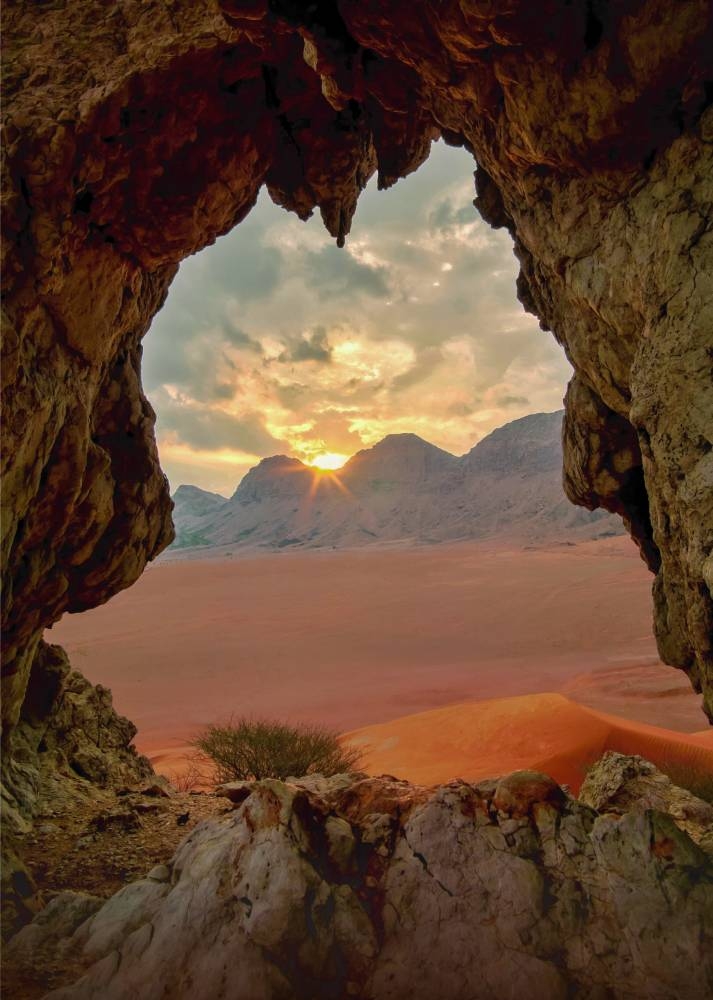
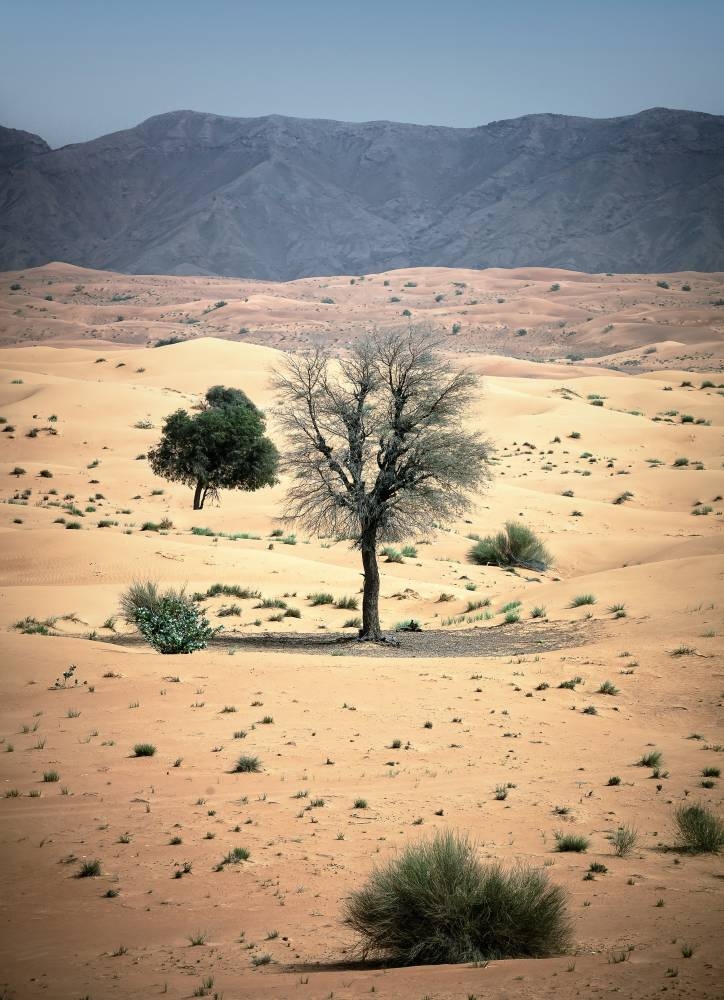
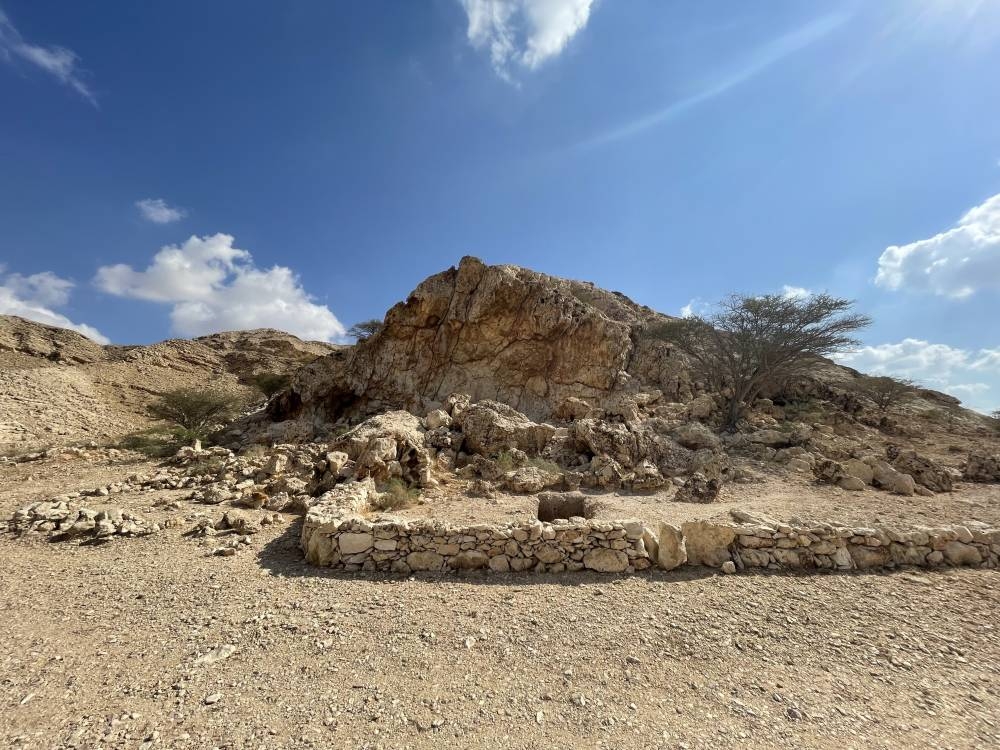
في الوقت الذي يترقب فيه المجتمع الدولي إعلان القائمة الجديدة لمواقع التراث العالمي، تتقدم دولة الإمارات العربية المتحدة، من خلال إمارة الشارقة، بخطى واثقة في ترشيح «المشهد الثقافي لعصور ما قبل التاريخ في الفاية» للإدراج ضمن قائمة اليونسكو، باعتباره موقعاً استثنائياً يوثق أحد أقدم أشكال الوجود البشري المتصل في شبه الجزيرة العربية، ويعود تاريخه إلى أكثر من 210 آلاف عام.
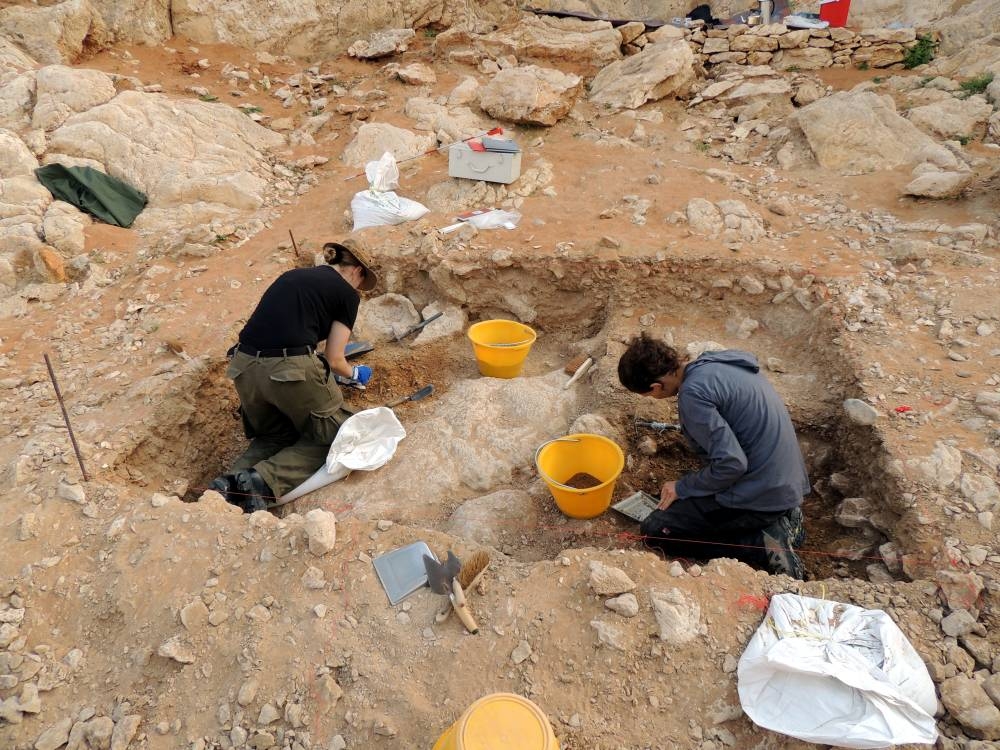
يقع «الفاية» في المنطقة الوسطى من إمارة الشارقة، ويقدّم من خلال مكتشفاته المتعددة أرشيفاً حياً لتاريخ الإنسان الأول، حيث توثق طبقاته الجيولوجية المتعاقبة مراحل من التطور والتكيف والبقاء في بيئات مناخية قاسية. وتمثل هذه المكتشفات قيمة إنسانية وعلمية عالمية تُسهم في إعادة بناء فهمنا لأصول الإنسان وهجراته الأولى خارج أفريقيا.
وتقود الشيخة بدور بنت سلطان القاسمي، بصفتها سفيرة الترشيح الدولي للموقع، حملة واسعة للتعريف العالمي بأهمية «الفاية»، حيث أكدت أن الموقع لا يمثل مجرد معلم أثري، بل يحمل في طبقات الأرض أرشيفاً متكاملاً يعمّق فهمنا لهويتنا وجذورنا، ويضيء الطريقة التي تعلم بها الإنسان فنون البقاء منذ فجر التاريخ. وأضافت أن إدراج «الفاية» في قائمة التراث العالمي يمثل خطوة نحو حماية هذا الإرث الإنساني، ويمنحه فرصة أوسع ليؤدي دوراً تثقيفياً وحضارياً للأجيال القادمة، ويكرّس موقع الإمارات كمحور فاعل في حماية التراث الإنساني العالمي.
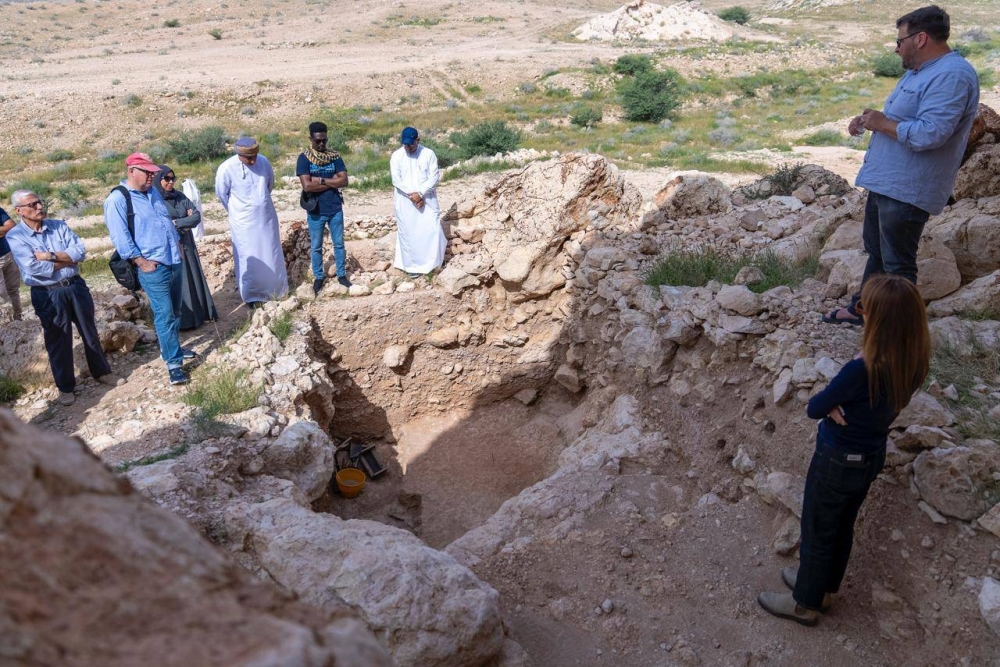
وقد جاء ترشيح الموقع ضمن فئة «المشهد الثقافي» في عام 2024، ويخضع حالياً للتقييم من قبل لجنة التراث العالمي التابعة لليونسكو. ويمثّل هذا الترشيح تتويجاً لأكثر من ثلاثة عقود من البحث العلمي والتعاون الدولي، قادتها هيئة الشارقة للآثار بالشراكة مع جامعات مرموقة مثل جامعة توبنغن الألمانية وجامعة أكسفورد بروكس البريطانية، وأثمرت عن اكتشاف 18 طبقة جيولوجية تعود للعصر الحجري، توثّق كلٌ منها نشاطاً بشرياً مختلفاً في الموقع.
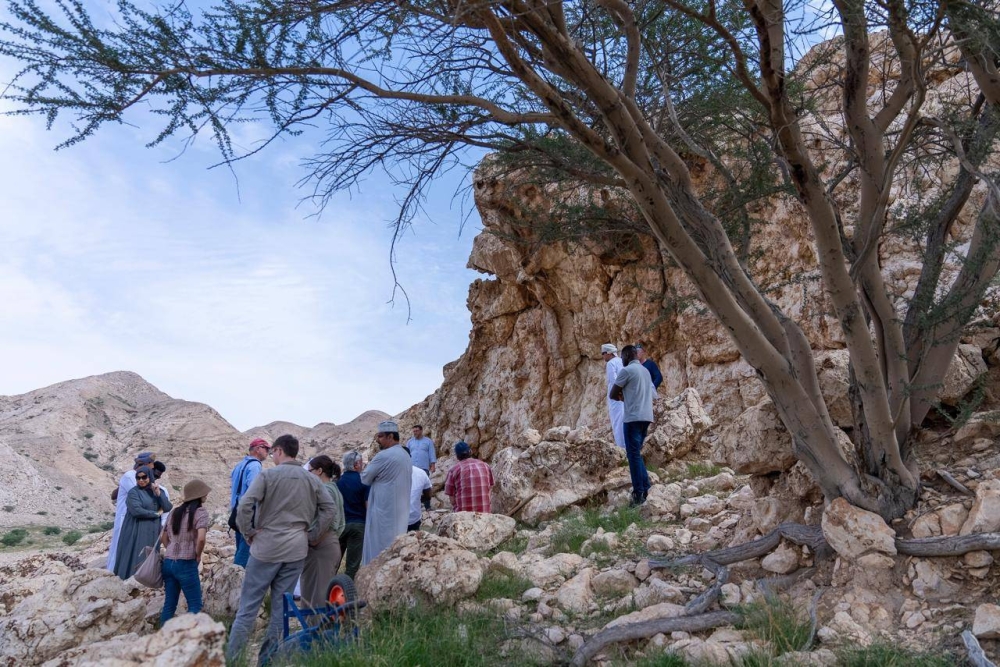
وتظهر الاكتشافات أن «الفاية» لم يكن ممراً عابراً للهجرات البشرية فحسب، بل كان موقعاً شهد استيطاناً بشرياً متكرراً خلال الفترات المناخية الملائمة، بفضل توفر مصادر المياه الطبيعية، والصوان لصناعة الأدوات، والمأوى في الجبال المجاورة. وقد أكّد الباحثون أن هذه العوامل مجتمعة جعلت من «الفاية» بيئة مثالية لاستقرار الإنسان في عصور ما قبل التاريخ.
وأشار مدير عام هيئة الشارقة للآثار عيسى يوسف إلى أن الموقع يتمتع بحماية قانونية وفق قانون الشارقة للتراث الثقافي رقم (4) لسنة 2020، وأن الجهود التعاونية مع خبراء دوليين مكّنت من توثيق سجل فريد للبقاء والتكيف البشري. وأضاف أن الموقع لا يحمل قيمة وطنية فقط، بل يمثل إسهاماً عالمياً يربط بين ماضٍ بعيد وحاضرٍ يسعى لفهم جذور الإنسانية.
وفي إطار دعم هذا الترشيح، وضعت دولة الإمارات خطة إدارة متكاملة للموقع للفترة بين 2024 و2030، تهدف إلى الحفاظ عليه، وتوجيه الأبحاث العلمية، وتنظيم حركة الزوار بما يتماشى مع معايير التراث العالمي، ويضمن استدامة الموقع كمورد علمي وثقافي وإنساني.
ويحظى موقع «الفاية» باهتمام خاص في الدورة الحالية من الترشيحات، نظراً لطابعه الاستثنائي وقيمته المعرفية، وسط إجماع علمي على أهميته في إعادة رسم خريطة تطور الإنسان المبكر وهجراته. وفي حال تم اعتماده من قبل اليونسكو، فسيصبح الموقع شاهداً عالمياً على الدور الذي لعبته الجزيرة العربية في سردية التاريخ الإنساني الكبرى، ويعزز مكانة دولة الإمارات كراعٍ نشط في حماية التراث الثقافي العالمي.
As the international community awaits the announcement of the new list of World Heritage Sites, the United Arab Emirates, through the Emirate of Sharjah, is confidently advancing its nomination of "The Cultural Landscape of Prehistoric Times in Al-Fayah" for inclusion in the UNESCO list, as it is an exceptional site documenting one of the oldest forms of continuous human existence in the Arabian Peninsula, dating back more than 210,000 years.
Located in the central region of the Emirate of Sharjah, "Al-Fayah" offers through its multiple discoveries a living archive of early human history, where its successive geological layers document stages of evolution, adaptation, and survival in harsh climatic environments. These discoveries represent a global human and scientific value that contributes to reconstructing our understanding of human origins and early migrations out of Africa.
Sheikha Bodour bint Sultan Al Qasimi, as the ambassador for the international nomination of the site, is leading a wide campaign to globally raise awareness of the importance of "Al-Fayah." She emphasized that the site is not merely an archaeological landmark but carries within its layers of earth a comprehensive archive that deepens our understanding of our identity and roots, illuminating the ways in which humans learned the arts of survival since the dawn of history. She added that the inclusion of "Al-Fayah" in the World Heritage list represents a step towards protecting this human legacy, providing it with a broader opportunity to play an educational and cultural role for future generations, and establishing the UAE as an active hub in the protection of global human heritage.
The site was nominated under the category of "Cultural Landscape" in 2024 and is currently undergoing evaluation by the UNESCO World Heritage Committee. This nomination crowns more than three decades of scientific research and international cooperation, led by the Sharjah Archaeology Authority in partnership with prestigious universities such as the University of Tübingen in Germany and Oxford Brookes University in the UK, resulting in the discovery of 18 geological layers dating back to the Stone Age, each documenting different human activities at the site.
The discoveries indicate that "Al-Fayah" was not merely a transit point for human migrations but a site that witnessed repeated human settlement during favorable climatic periods, thanks to the availability of natural water sources, flint for tool-making, and shelter in the nearby mountains. Researchers have confirmed that these combined factors made "Al-Fayah" an ideal environment for human settlement in prehistoric times.
The Director General of the Sharjah Archaeology Authority, Issa Youssef, pointed out that the site enjoys legal protection under the Sharjah Cultural Heritage Law No. (4) of 2020, and that collaborative efforts with international experts have enabled the documentation of a unique record of human survival and adaptation. He added that the site holds not only national value but represents a global contribution that connects a distant past with a present striving to understand the roots of humanity.
In support of this nomination, the United Arab Emirates has developed a comprehensive management plan for the site for the period between 2024 and 2030, aimed at preserving it, directing scientific research, and organizing visitor traffic in line with World Heritage standards, ensuring the sustainability of the site as a scientific, cultural, and human resource.
The "Al-Fayah" site is receiving special attention in the current round of nominations due to its exceptional nature and knowledge value, amidst a scientific consensus on its importance in redrawing the map of early human evolution and migrations. If approved by UNESCO, the site will become a global witness to the role that the Arabian Peninsula played in the grand narrative of human history, enhancing the UAE's position as an active guardian of global cultural heritage.