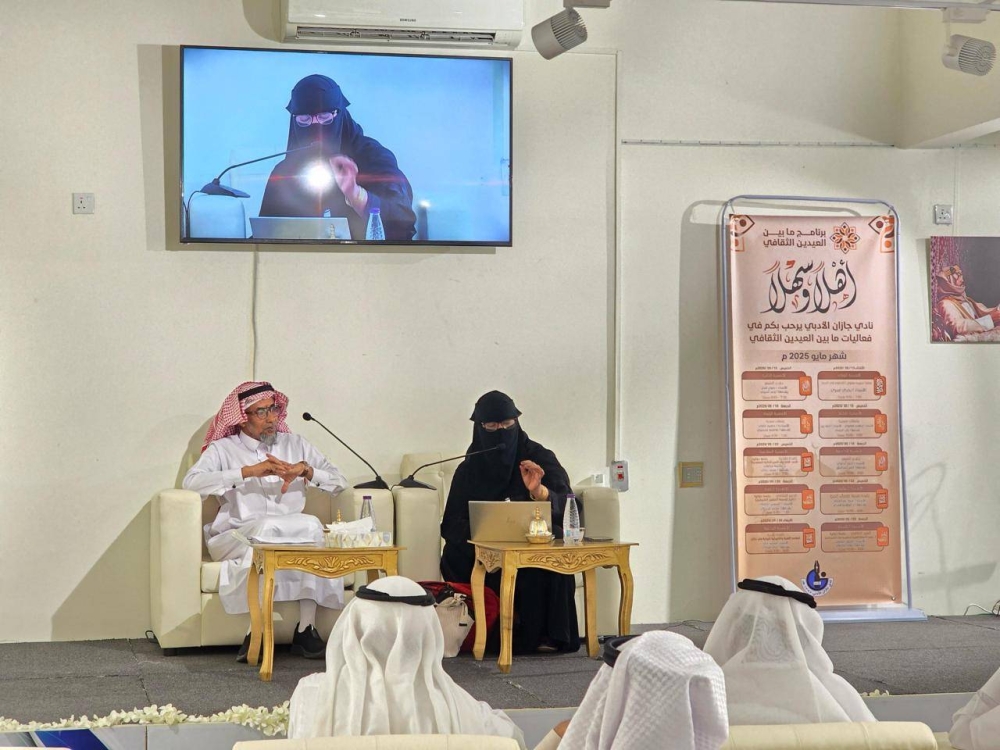
وصفت أستاذ الأدب الحديث والنقد بجامعة تبوك سابقًا الدكتورة عائشة يحيى الحكمي أن الحج إرث ثقافي وإنساني هائل، يشغل موضوعه الذاكرة الإنسانية على مر العصور بصفته المكون المعرفي الذي لا نظير له في ذاكرة الإنسان المسلم وغير المسلم.
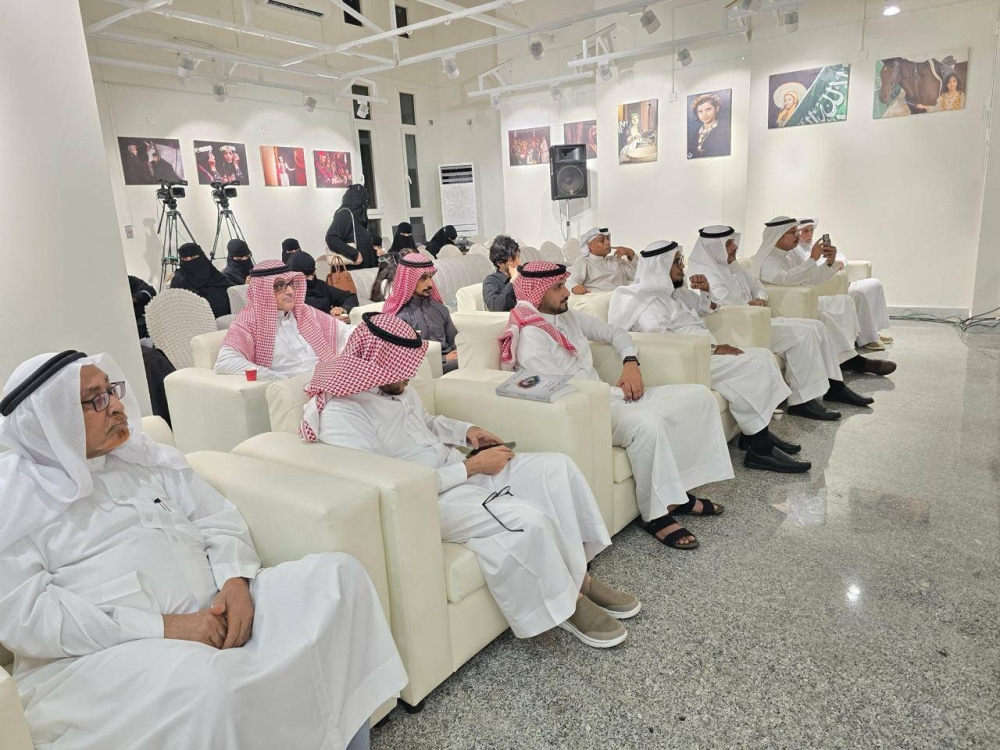
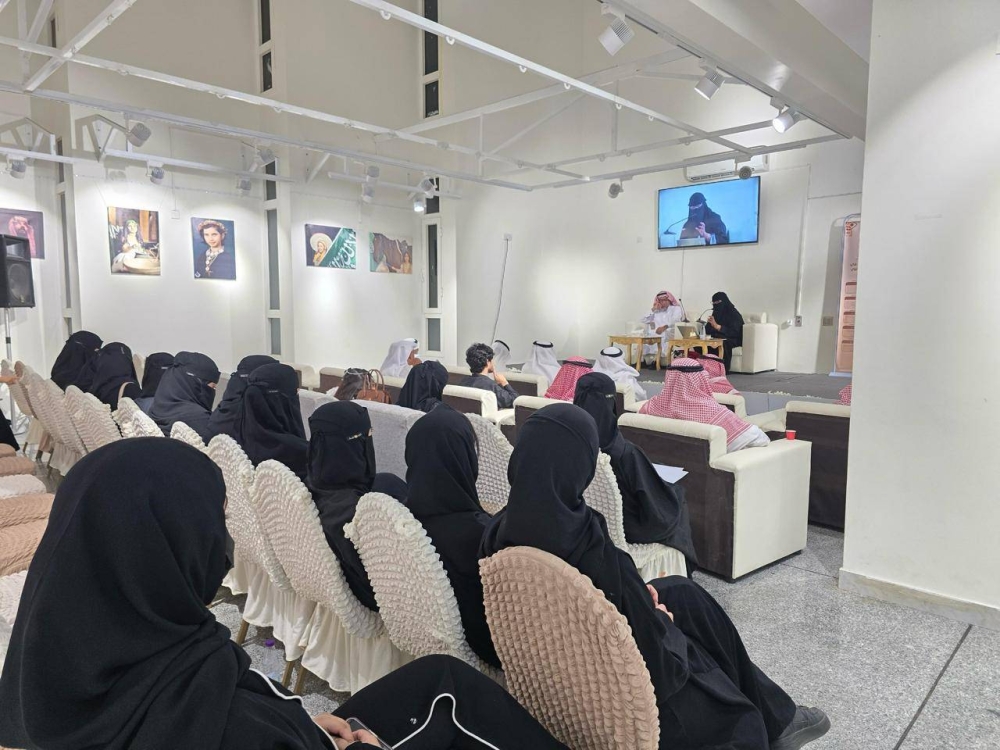
جاء ذلك خلال حديثها بنادي جازان الأدبي في جلسة حوارية أدارها الكاتب والإعلامي محمد الرياني عن الحج: «قراءة في السير السعودية». وقالت إن العقيدة التي يتلقاها المسلم ويتربى عليها بالاكتساب والمحاكاة ثم الوعي والإدراك، ويقف المسلم على جوانب من حدوده في وقت مبكر من العمر من خلال بيئته الأسرية والمدرسية ثم تأتي مرحلة الوعي الاعتقادي من هذه العلاقة العميقة بين الحج والبيئة، المسلم يشغل حضوره مساحات واسعة في ذاكرة المفكرين والأدباء والشعراء، وحين يصبح الأديب قارئا أو كاتبا يقترب أكثر من تلك الذاكرة الثقافية، ومن الطبيعي أن يحضر الحج بكل أبعاده الروحية والزمانية والمكانية في النتاج المعرفي العالمي من منطلق عالمية الإسلام عامة والأدب بصفة خاصة. في كل العصور يحظى الحج بتدوينات شتى قديما وحديثا من خلال التوثيق المكتوب سواء في الشعر أو المقامات والسير الشعبية أو أدب الرحلات أو أدب السيرة الذاتية، كذلك رافقت تلك التدوينات: دراسات وأبحاث قامت على أدب الحج في العصر الحديث ظهرت تدوينات الحج، مثل تصوير، رسم، أفلام، ومسلسلات.
كما احتفت به السير الذاتية حديثا بصور مختلفة، تناوله الأدباء والشعراء في كتاباتهم الذاتية، ومما يعزز الحضور المهم للحج في المعرفة قديما وحديثا الكتب والدراسات النظرية والتطبيقية والمقالات وموضوعها الحج. وقد حظيت رحلات الحج بعناية خاصة من الرحالة والمؤرخين والعلماء عبر مراحل التاريخ الإسلامي وتعددها وتنوعها، وتمدنا منظومة رحلات الحج إلى المدينتين المقدستين مكة والمدينة بأضخم سجل تاريخي لهما، حيث وصف المؤرخون الرحالة والأعيان هاتين المدينتين بكل شاردة وواردة، وكل صغيرة وكبيرة، وقد كانتا وما زلتا محط أنظار العالم..
فالرحالة يقصدونهما لتأدية ركن من أركان الإسلام، ويضيفون لهذا الالتقاء بعلماء الحرمين الشريفين والنهل من علومهم ومعارفهم، وأثر عن العلماء الذين رحلوا لمكة والمدينة مسائل علمية دقيقة، ومطارحات فكرية سديدة، حيث أرخت للحرمين ولعلمائهما ووصفت السكان والنشاط وبوصلة الحياة.
واتصف هؤلاء الرحالة بالوصف الدقيق، والتقصي الشامل لكل ما شاهدوه وعاصروه، وتمتاز كتب رحلات الحج بكل متعة وإمتاع. وفي العصر الحديث ازداد انشغال ذاكرة المفكر والمثقف بكل ماله صلة بالمدينتين المقدستين وشعائر الحج والعمرة. كذلك ظهرت وثائقيات الحج تعرض مشاهد الواقع قديمًا، مثل فيلم «ذكريات الحج» الذي يوثق رحلة الحجاج في الماضي. بالإضافة إلى ذلك، هناك مقالات تتحدث عن تطور خدمات الحج عبر العقود الماضية، وكيف كانت الرحلة في السابق محفوفة بالمخاطر وتتطلب صبرًا وإيمانًا كبيرًا.
السيرة الذاتية
كانت ومازالت تستهوي السيرة الذاتية القراء فتقرب منهم شخصية صاحبها التي كتبها بقلمه وعاشها بجسده وفكره، والسر مرحلة زمنية تاريخا وإنسانا، حديث السنين الماضية من العمر وقراءة السيرة الذاتية تقرب للمتلقي وقائع النجاحات والتحديات لصاحبها، وتحول واقعه النظري إلى تطبيق فيلمس القارئ نماذج مشاهدة ومشاريع حقيقية وقدوة حية، الكثير من القراء يتتبعون أحداث نجاح أصحاب السير ويقتدون بهم، وكم من قارئ صنع من حرف قرأه حدثا مثيرا والناس في نهاية الأمر نتيجة لما يقرؤون ويسمعون ويرون. وكل صاحب سيرة يفعل مثل من سبقه ولم يطلع على اشتراطات ونظريات السيرة الذاتية فقط يؤمن بأنه صاحب تجربة وتستحق التمرير إلى الآخرين ويسرد الكاتب حياته الماضية بقلمه والسارد أحد مكونات الخطاب السيري بأنه شخص واقعي من لحم ودم، يسرد الخطاب بضمير (الأنا) ضمير المتكلم الواضح في معظم السيرة، وخطاب السيرة الذاتية هو خطاب السارد نفسه، وأحياناً يسرد بضمير الجماعة (نحن).
تتفاوت السير الذاتية في التعبير عن حياتهم من كاتب إلى آخر بعضهم يتخفى بالأقنعة والسرد بصيغة الغائب كقولهم صاحبنا أو الفتى أو الراوي أو اسم مستعار مثل طريقة طه حسين في أيامه، وبعضهم يؤثر الحضور الفعلي لشخصيته. وحين نقف على سيرة الحج في ذاكرة السير الذاتية السعودية نلتقي الكثير من المدونات احتفت بمواضيعه.. الحج دائمًا إحدى محطات ذكريات أدباء الحرمين، حيث وثّق العديد منهم الحج سواء أدى المناسك أو حضرها وعاشها وشهدها تجاربهم الشخصية في يومياتهم وكتبهم. وفي الأدب السعودي يحضر كتاب «الحج في الأدب العربي» للأديب عبدالعزيز الرفاعي، الذي استعرض تأثير الحج في الشعر ما قبل الإسلام وفي بقية العصور إلى عصرنا الحاضر. وتبقى دوما مكة المكرمة والمدينة المنورة مكاناً ثقافياً مُلهِماً للحفر الثقافي والمعرفي وقراءتهما قراءة ثقافي. واستشهدت الدكتورة الحكمي في سيرة مشيناها بما دونه عبدالرحمن الشبيلي في سيرته بصفته مسؤولًا إعلاميًّا في ذلك الوقت بمرحلة تطور التلفاز السعودي وجهود الدولة في ضرورة نقل مناسك الحج (لم يكن التلفزيون حتى عام 1390 / 1970 ينقل الحج على الهواء بواسطة عربة النقل الخارجي، ولم تكن الأقمار الصناعية موجودة، بعد ذلك العام تقرر نقل الحج مباشرة فأقيمت محطتان (للمايكروويف) على جبلين بين مكة المكرمة والمشاعر المقدسة، ويروي موقفا عن جهود المهندس الفني السعودي في نقل الصورة من عرفات إلى جدة عبر منى ومكة، وكان من وزير الإعلام بنجاح العمل أن بلغ الملك فيصل الذي اهتم بالمتابعة مع الفنيين والاستماع إلى شرح تجهيزات النقل وطريقته.
ما يدونه أصحاب السير ليست مجرد سرد حكاية واقع الحج في مراحل متفاوتة، بل شهادة حيّة على تطور عظيم، يضع خدمة ضيوف الرحمن في مصاف الأولويات، وأن ما كان بالأمس مشقة، أصبح اليوم نعمة.. ويبقى الحج مهما تغيّرت ملامحه، رحلة إيمان لا تنسى يتناول تفاصيل الحياة في مكة، ويعكس انطباعاته عن الأجواء الروحانية التي تميز المكان، بما في ذلك الطيور التي تحلق بحرية بين زوار الحرم، في مشهد يعكس الطمأنينة والسكينة التي يشعر بها الحجاج والمعتمرون. ومن جميل ما دون عن الحج ماورد في رحلة الأمير شكيب أرسلان: تصويره الحي لخوف الملك عبدالعزيز - طيب الله ثراه- على قوافل الحجيج فيقول: (كان الملك من شدة أشفاقه على الحاج وعلى الرعية لا يرفع نظره دقيقة عن القوافل والسوابل).
ونوهت الدكتورة عائشة الحكمي بالسيرة الذاتية المشرقة للحج في عهد خادم الحرمين الشريفين الملك سلمان بن عبدالعزيز وولي عهده الأمير محمد بن سلمان، حيث الصورة الرائعة لمظاهر الحج التي تنقل إلى كل أقطار الأرض في مشاهد رائعة تؤكد الطفرة الكبيرة التي وصل إليها حال الحجاج، حيث ينعمون بكل سبل الراحة والأمن والرعاية منذ دخولهم وحتى مغادرتهم في مشاهد تؤكد السيرة الرائعة والتي يجب أن تكون تاريخًا يؤرخ للأجيال.
Dr. Aisha Yahya Al-Hakami, a former professor of modern literature and criticism at the University of Tabuk, described Hajj as a vast cultural and human heritage that occupies the subject of human memory throughout the ages, serving as the unique cognitive component in the memory of both Muslim and non-Muslim individuals.
This was stated during her talk at the Jazan Literary Club in a discussion session moderated by writer and media figure Muhammad Al-Riyani about Hajj: "A Reading in Saudi Narratives." She mentioned that the beliefs that a Muslim acquires and grows up with through learning and imitation, followed by awareness and understanding, allow the Muslim to recognize aspects of their limits early in life through their family and school environment. Then comes the stage of doctrinal awareness from this deep relationship between Hajj and the environment. The Muslim occupies a significant presence in the memory of thinkers, writers, and poets. When a writer becomes a reader or a writer, they get closer to that cultural memory. It is natural for Hajj, with all its spiritual, temporal, and spatial dimensions, to be present in global cognitive production from the perspective of the universality of Islam in general and literature in particular. Throughout the ages, Hajj has been documented in various forms, both ancient and modern, through written documentation in poetry, maqamat, folk narratives, travel literature, and autobiographical literature. Additionally, these documents have been accompanied by studies and research based on the literature of Hajj in modern times, resulting in Hajj documentation such as photography, drawing, films, and series.
Recently, autobiographies have celebrated Hajj in various forms, with writers and poets addressing it in their personal writings. What reinforces the significant presence of Hajj in knowledge, both ancient and modern, are the books, theoretical and practical studies, and articles on the subject of Hajj. Hajj journeys have received special attention from travelers, historians, and scholars throughout Islamic history, reflecting its diversity and richness. The system of Hajj journeys to the two holy cities, Mecca and Medina, provides the largest historical record of them, as historians, travelers, and notable figures have described these two cities in detail, covering every small and large aspect. They have always been, and continue to be, the focus of the world's attention.
Travelers aim to visit them to perform one of the pillars of Islam, adding to this encounter the opportunity to meet the scholars of the two holy mosques and to benefit from their knowledge and insights. Scholars who traveled to Mecca and Medina have recorded precise scientific issues and sound intellectual discussions, chronicling the two holy mosques and their scholars, describing the inhabitants, activities, and the compass of life.
These travelers are characterized by their precise descriptions and comprehensive inquiries into everything they witnessed and experienced, and the books of Hajj journeys are marked by enjoyment and entertainment. In modern times, the memory of thinkers and intellectuals has become increasingly occupied with everything related to the two holy cities and the rituals of Hajj and Umrah. Documentaries about Hajj have also emerged, showcasing scenes from the past, such as the film "Memories of Hajj," which documents the journey of pilgrims in earlier times. Additionally, there are articles discussing the evolution of Hajj services over the past decades, highlighting how the journey in the past was fraught with dangers and required great patience and faith.
Autobiography
Autobiographies have always captivated readers, bringing them closer to the personality of the author who wrote it with their pen and lived it with their body and mind. The secret lies in a historical time, both as a history and a human experience, recounting the past years of life. Reading an autobiography brings the audience closer to the successes and challenges faced by the author, transforming their theoretical reality into practical examples, allowing the reader to touch real models and living role models. Many readers follow the success stories of autobiographical figures and emulate them. How many readers have turned a letter they read into an exciting event, as people ultimately become a result of what they read, hear, and see? Every autobiographical figure does what their predecessors did, unaware of the conditions and theories of autobiography, believing only that they have an experience worth sharing with others. The author narrates their past life with their pen, and the narrator is one of the components of the autobiographical discourse, being a real person of flesh and blood, narrating the discourse with the pronoun (I), the first-person pronoun that is clear in most autobiographies, and the discourse of autobiography is the discourse of the narrator themselves, sometimes narrated with the pronoun of the group (we).
Autobiographies vary in expressing their lives from one writer to another; some disguise themselves behind masks and narrate in the third person, using terms like "our friend," "the young man," or "the narrator," or a pseudonym, like the method of Taha Hussein in his days, while others prefer the actual presence of their personality. When we examine the narrative of Hajj in the memory of Saudi autobiographies, we encounter many writings that celebrate its themes. Hajj is always one of the stations in the memories of the writers of the two holy mosques, as many of them documented Hajj, whether they performed the rituals or attended and experienced them in their personal diaries and books. In Saudi literature, the book "Hajj in Arabic Literature" by writer Abdulaziz Al-Rifai stands out, which reviewed the impact of Hajj on poetry before Islam and in subsequent eras up to our present time. Mecca and Medina remain, always, a cultural place inspiring cultural and cognitive excavation and reading them as a cultural text. Dr. Al-Hakami cited in her narrative what Abdulrahman Al-Shubaily recorded in his autobiography, as he was a media official at that time during the development of Saudi television and the state's efforts to broadcast the rituals of Hajj (television did not broadcast Hajj live via an outside broadcast vehicle until the year 1390/1970, and satellites did not exist. After that year, it was decided to broadcast Hajj live, and two microwave stations were established on two mountains between Mecca and the holy sites. He narrated a situation about the efforts of the Saudi technical engineer in transmitting the image from Arafat to Jeddah via Mina and Mecca, and it was reported from the Minister of Information that the work was successful, and King Faisal was keen to follow up with the technicians and listen to explanations about the transmission preparations and methods).
What autobiographical authors document is not merely a narration of the reality of Hajj at varying stages, but a living testimony to a great evolution that places the service of the guests of Allah among the top priorities, and what was once a hardship has become a blessing today. Hajj remains, no matter how its features change, an unforgettable journey of faith that addresses the details of life in Mecca, reflecting the impressions of the spiritual atmosphere that characterizes the place, including the birds that fly freely among the visitors of the sanctuary, in a scene that reflects the tranquility and peace felt by the pilgrims and worshippers. Among the beautiful accounts of Hajj is what was mentioned in the journey of Prince Shukri Arslan, where he vividly depicted King Abdulaziz's concern for the caravans of pilgrims, saying: "The king, out of his deep compassion for the pilgrims and the people, did not take his eyes off the caravans and herds for a minute."
Dr. Aisha Al-Hakami highlighted the bright autobiography of Hajj during the reign of the Custodian of the Two Holy Mosques, King Salman bin Abdulaziz, and his Crown Prince, Prince Mohammed bin Salman, where the wonderful image of Hajj is conveyed to all corners of the earth in magnificent scenes that affirm the significant leap in the conditions of the pilgrims, who enjoy all means of comfort, security, and care from the moment they arrive until they depart, in scenes that confirm the remarkable narrative that should be recorded for future generations.