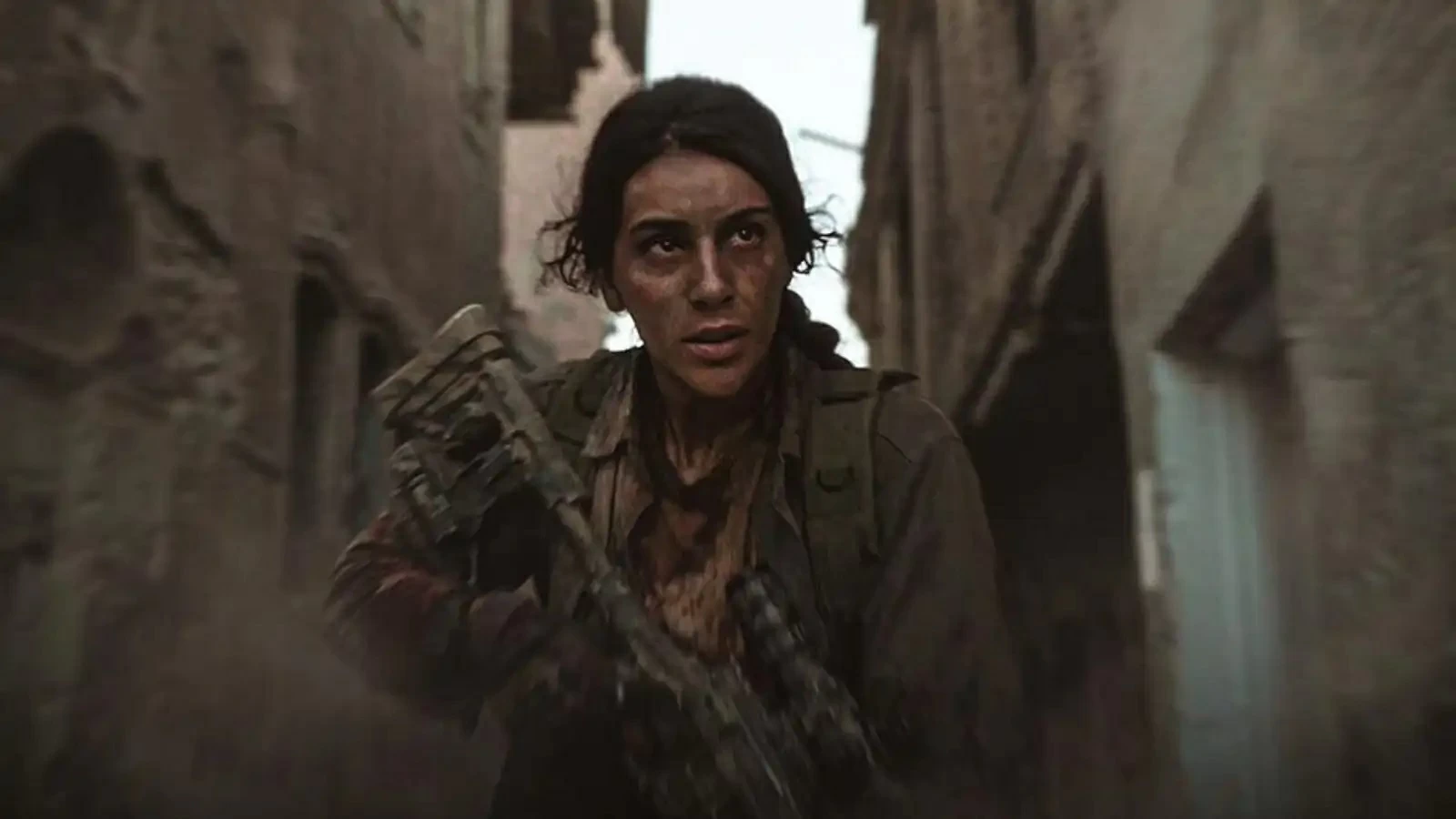
من قلب الموت والركام في شوارع الموصل الحقيقية إلى أضواء السجادة الحمراء في مهرجان البندقية السينمائي الدولي، نجح الفيلم النرويجي المثير للجدل «لا جنة إن قتلتك امرأة» (No Paradise If You Are Killed by a Woman) في خطف الأنظار وتحويل الأنظار عالمياً نحو واحدة من أشرس قصص النجاة الإنسانية.
اختير الفيلم رسمياً للعرض في قسم «أفلام منتصف الليل» بالمهرجان العريق، لينتزع أنفاس المشاهدين على مدار 110 دقائق عبر رحلة الموت والرجاء، حيث تجسد الأحداث قصة «فيان»، القناصة الكردية التي نجت بأعجوبة من أهوال الحرب، لتخوض مهمة انتحارية وسط الأنقاض بحثاً عن شقيقتها المفقودة منذ هجوم تنظيم «داعش» الكارثي عام 2014.
المخرج النرويجي ذو الأصول الكردية هالكاوت مصطفى لم يكتفِ بنقل الدراما من مخيلته، بل استوحى هذه الملحمة من قناصة حقيقية التقاها على جبهات القتال الساخنة، مصراً على اقتحام الخراب الواقعي في أحياء الموصل لتصوير المشاهد بين الركام الأصلي، لمنح العمل شحنة واقية من الرهبة لا يمكن تزييفها داخل الاستوديوهات.
هذا المزيج السينمائي النادر المنتظر عرضه تحول فور الإعلان عنه إلى حديث الأوساط الفنية، إذ اعتبره المعهد النرويجي للسينما إنجازاً تاريخياً يعيد صياغة صورة المرأة والمقاومة في وجه الإرهاب، مكرساً حضور مصطفى العالمي بعد نجاحاته المدوية في أعمال سابقة مثل «إخفاء صدام حسين».
From the heart of death and rubble in the real streets of Mosul to the lights of the red carpet at the Venice International Film Festival, the controversial Norwegian film "No Paradise If You Are Killed by a Woman" has succeeded in capturing attention and shifting global focus towards one of the fiercest stories of human survival.
The film was officially selected for screening in the "Midnight Movies" section of the prestigious festival, taking viewers' breath away for 110 minutes through a journey of death and hope, where the events portray the story of "Vian," the Kurdish sniper who miraculously survived the horrors of war, embarking on a suicidal mission amidst the ruins in search of her sister who has been missing since the catastrophic attack by ISIS in 2014.
The Norwegian director of Kurdish descent, Halkaout Mustafa, did not merely transfer the drama from his imagination; he drew inspiration for this epic from real snipers he met on the hot battlefronts, insisting on invading the real destruction in the neighborhoods of Mosul to film scenes among the original rubble, giving the work a protective charge of authenticity that cannot be faked inside studios.
This rare cinematic blend, eagerly awaited for its screening, immediately became the talk of the artistic circles upon its announcement, as the Norwegian Film Institute deemed it a historic achievement that reshapes the image of women and resistance in the face of terrorism, solidifying Mustafa's global presence after his resounding successes in previous works such as "The Hiding of Saddam Hussein."