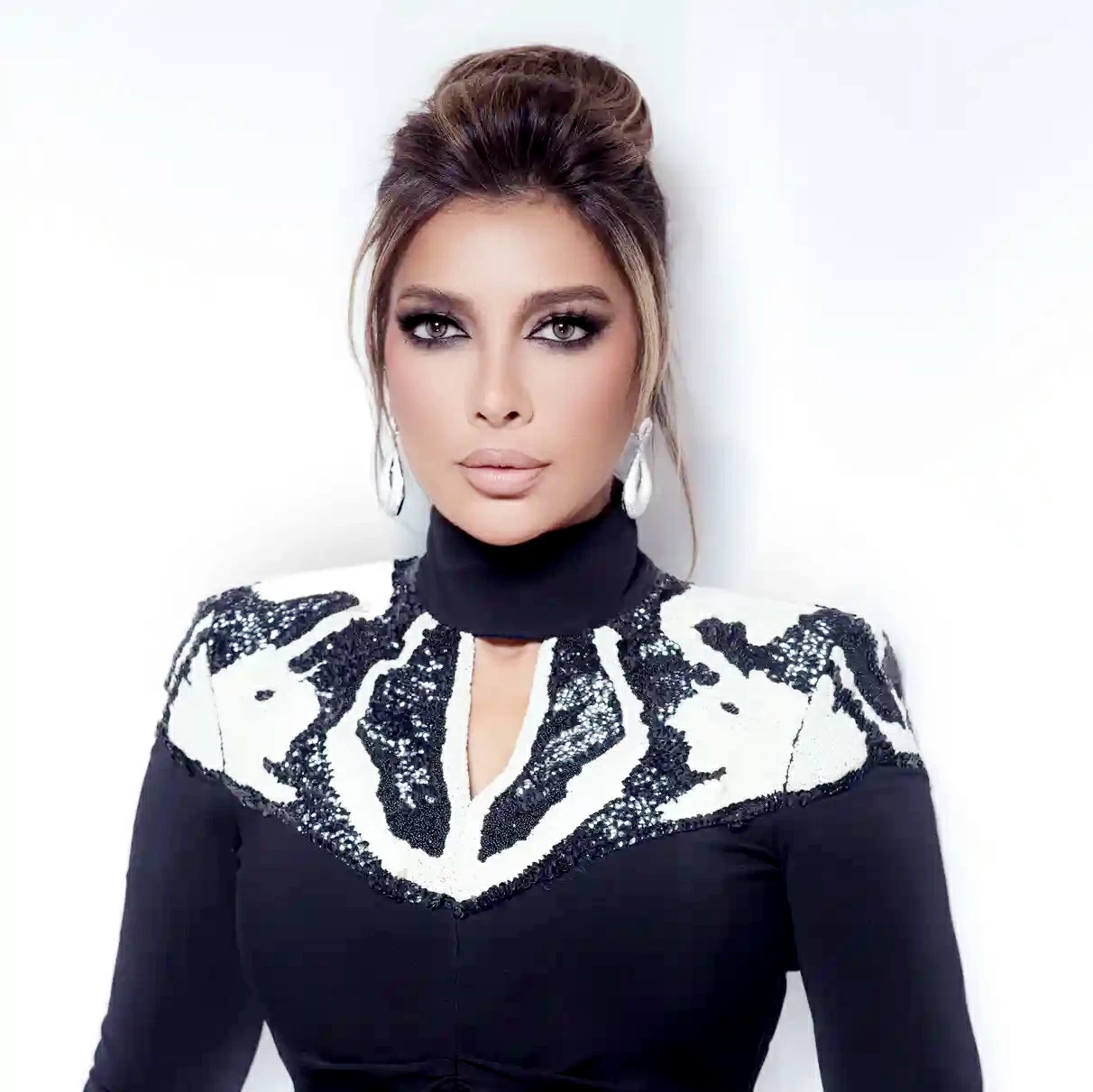
أصالة أصالة، ليستا كلمتين متجاورتين في مطلع مقال عابر، ولا تكراراً لفظياً يمكن اختصاره إلى كلمة واحدة. فبين الأولى والثانية مسيرة فنية كاملة، ومعنىً تشكّل على امتداد عقود حتى بدا الاسم وكأنه يشرح نفسه بنفسه.
تكفي ثوانٍ قليلة من أي أغنية لتأكيد حقيقة نادرة في المشهد الغنائي العربي النسائي المعاصر هي أن أصالة نصري ليست صوتاً يمكن الخلط بينه وبين غيره، فالأصوات الجميلة كثيرة، والأصوات القوية كثيرة، لكن القليل فقط من يتحوّل صوته وأداؤه ومسرحه إلى هوية فنية مستقلة.
تلك المنطقة التي يصبح فيها الفنان معروفاً قبل أن يُعرّف، وتصبح طريقته في الأداء أكثر حضوراً من الأغنية نفسها.
في بواكير الغناء العربي تحوّلت أم كلثوم إلى مدرسة مستقلة أكثر من كونها مطربة استثنائية، مدرسة قامت على الصرامة الفنية، وعلى تقديس الكلمة واللحن والاسم، وعلى بناء الأغنية بوصفها عملاً متكاملاً. ولم يكن تأثيرها في جمهورها فقط، بل في أجيال كاملة من الفنانات اللواتي وجدن أنفسهن أمام نموذج يصعب تجاوزه.
وفي المقابل تماماً، ظهرت فيروز بوصفها مدرسة أخرى لا تنتمي إلى المنطق الكلثومي ولا تتحرك في فضائه، فإذا كانت أم كلثوم تمثل الجلال الفني والامتلاء الطربي، فإن فيروز تمثل البساطة العميقة والشفافية النادرة الممتنعة.
مدرستان متناقضتان في الشكل، متفقتان في الجوهر؛ هوية واضحة لا تشبه أحداً.
هذه المسألة تحديداً هي ما يجعل تجربة أصالة نصري جديرة بالتوقف عندها. فبعيداً عن الألقاب المتداولة، وبعيداً عن تصنيفات «صوت مصر» أو «صوت سوريا» أو «فنانة العرب» أو «شمس الأغنية»، تبدو أصالة أقرب إلى توصيف آخر أكثر دقة بوصفها مدرسة فنية قائمة بذاتها.
لا تمتلك أصالة صوتاً فحسب، بل شخصية أدائية كاملة، تتنقل بين الألوان الموسيقية المختلفة، والمدارس الغنائية المتعددة، دون أن تفقد ملامحها الخاصة. بل إن اللافت أنها قادرة على إعادة تشكيل الأغنية وفق هويتها هي، لا وفق هوية العمل الأصلي. ولذلك يبقى توقيع أصالة حاضراً حتى عندما تؤدي أعمالاً ارتبطت بأسماء تاريخية كبيرة.أصالة من ذلك النطاق الضيق جداً من الفنانات اللواتي تجاوز حضورهن حدود الأغنية إلى صناعة شخصية فنية متكاملة، تُعرف بنبرتها وأدائها وحضورها قبل أن تُعرف بأعمالها، فحملت إرثها بتقدير كثالث المدارس الفنية في الأغنية العربية النسائية، محتلة مكانة خاصة في الوسط الفني؛ يقف أمام تجربتها كبار الفنانين والموسيقيين بكثير من التقدير والاعتراف، لا بوصفها امتداداً لأحد، بل باعتبارها تجربة مستقلة تمتلك وزنها الفني وقيمتها الخاصة.
Asala, Asala, are not just two adjacent words at the beginning of a passing article, nor a verbal repetition that can be condensed into a single word. Between the first and the second lies a complete artistic journey, and a meaning that has formed over decades until the name seems to explain itself.
A few seconds of any song are enough to confirm a rare truth in the contemporary Arab female singing scene: Asala Nasri is not a voice that can be confused with others. There are many beautiful voices, and many powerful voices, but only a few transform their voice, performance, and stage into an independent artistic identity.
That area where the artist becomes known before being defined, and their way of performing becomes more present than the song itself.
In the early days of Arab singing, Umm Kulthum transformed into an independent school more than just an exceptional singer, a school based on artistic rigor, on sanctifying the word, melody, and name, and on building the song as a complete work. Her influence was not only on her audience but on entire generations of female artists who found themselves facing a model that is difficult to surpass.
In complete contrast, Fairouz emerged as another school that does not belong to the Kulthumi logic nor operates within its space. If Umm Kulthum represents artistic grandeur and rich musicality, then Fairouz represents deep simplicity and rare, elusive transparency.
Two contrasting schools in form, yet agreeing in essence; a clear identity that resembles no one.
This very issue is what makes Asala Nasri's experience worthy of attention. Far from the circulating titles, and away from classifications like "Voice of Egypt," "Voice of Syria," "Artist of the Arabs," or "Sun of Song," Asala seems closer to a more precise description as an independent artistic school.
Asala does not just possess a voice; she has a complete performance personality, moving between different musical colors and various singing schools without losing her unique features. In fact, what is striking is that she is capable of reshaping the song according to her own identity, not according to the identity of the original work. Therefore, Asala's signature remains present even when she performs works associated with great historical names. Asala belongs to that very narrow range of female artists whose presence has transcended the boundaries of song to create a complete artistic persona, known by her tone, performance, and presence before she is known by her works. She carries her legacy with appreciation as the third school of artistic expression in Arab female singing, occupying a special place in the artistic community; before her experience, many prominent artists and musicians stand with great respect and recognition, not as an extension of anyone, but as an independent experience that possesses its own artistic weight and value.