


منذ بداياته في ثمانينات القرن الماضي، ظل راغب علامة رمزًا للأناقة الفنية، وأحد أبرز نجوم الغناء العربي الذين جمعوا بين الصوت العذب، والحضور الطاغي، والذكاء المهني في البقاء ضمن دائرة الضوء. ومع تراكم تجاربه في الساحة حافظ راغب على صورة الفنان المتزن، المتصالح مع الأجيال، والقادر على الجمع بين الإعجاب الجماهيري والرصانة. لكن في السنوات الأخيرة، تغيرت هذه الصورة تدريجيًا، لا سيما في الحفلات الجماهيرية التي باتت تثير جدلًا لا ينتهي، بين معجبات يتجاوزن حدود المعقول، وردود فعل من فنان بدا أنه بدوره قرر كسر بعض الحواجز.
تحولت منصات راغب علامة من مسارح غنائية إلى ساحات ضوء مشتعلة بجرعات من الإثارة والاستعراض الذي يبدو أحيانًا وكأنه مقصود. عناق طويل لمعجبة على المسرح، رقصة ملتصقة، نظرات طويلة وكلمات جريئة على المايكروفون... كلها مشاهد باتت تتكرر، وبدأت تطرح تساؤلًا مشروعًا: هل فقد راغب توازنه بين الفن والنجومية، أم أنه قرر اللعب على وتر الإثارة في زمنٍ صاخب؟
ليس جديدًا أن تواجه النجوم مواقف محرجة مع الجمهور، لكن اللافت أن راغب لا ينسحب منها بل يحتضنها أحيانًا، بل ويعيد نشرها عبر حساباته، كأنه يكرّسها. ومع تكرار هذه المشاهد، بدأت تتزاحم علامات الاستفهام: هل لا يزال راغب يملك السيطرة على صورته العامة، أم أنه في طور إعادة صياغتها بما يناسب مزاجًا جماهيريًا متغيرًا؟
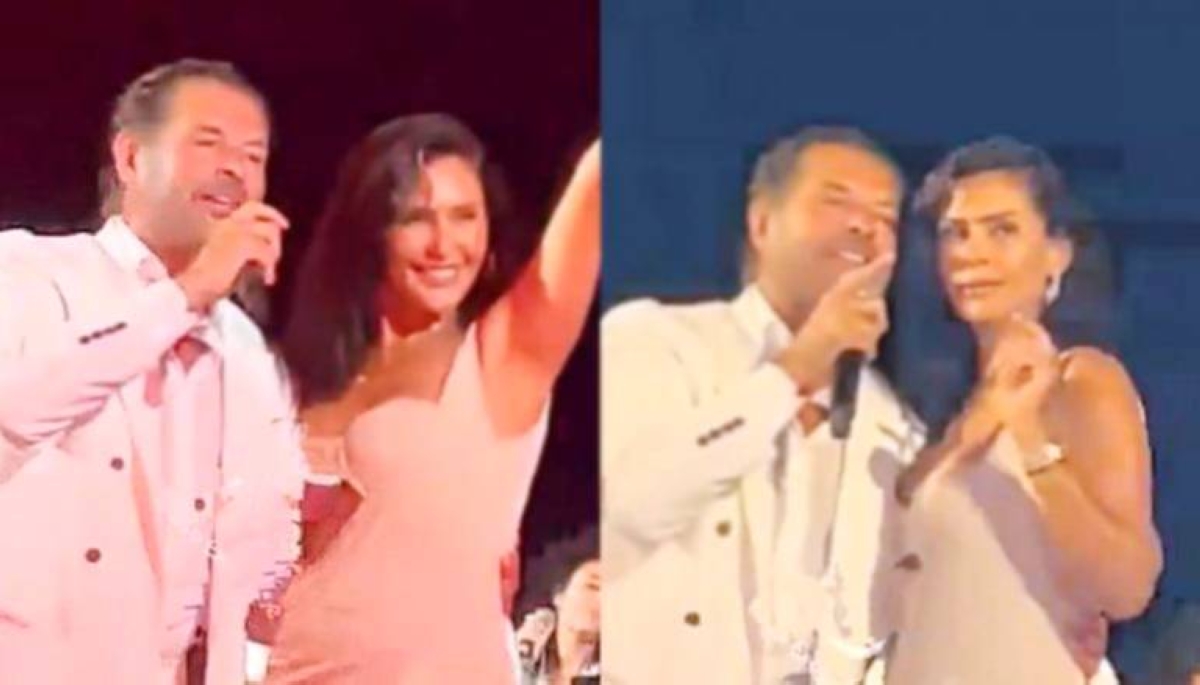
أحد أبرز المواقف التي فجّرت الجدل وقعت أخيرًا في حفلة أقامها راغب علامة في القاهرة، حينما اعتلت إحدى المعجبات المسرح واحتضنته بطريقة بدت حميمية بشكل لافت، بينما قابلها راغب بابتسامة وترحيب، وتفاعل معها في مشهد انتشر كالنار في الهشيم. سرعان ما تدحرجت كرة الثلج، إذ أصدرت نقابة المهن الموسيقية المصرية بيانًا أعربت فيه عن انزعاجها مما جرى، مؤكدة ضرورة احترام الذوق العام، ووضع ضوابط للعروض الغنائية، خصوصاً حين يتم نقلها عبر وسائل التواصل.
البيان المصري فتح باب النقاش ليس فقط في مصر، بل امتد إلى لبنان، حيث انقسمت الآراء بين من رأى في سلوك راغب خفة ظل وتلقائية، ومن رأى أن نجمًا بحجمه وتاريخه لا يليق به التورط في مشاهد قد تُسيء لتاريخه.
عناق وجُرأة وقبلات.. هل فقد «راغب» السيطرة على شخصيته أم أعاد صياغتها بما يناسب «الترند»؟
23 يوليو 2025 - 06:40
|
آخر تحديث 23 يوليو 2025 - 06:40


تابع قناة عكاظ على الواتساب
«عكاظ» (جدة) OKAZ_online@
Since his beginnings in the 1980s, Ragheb Alama has remained a symbol of artistic elegance and one of the most prominent stars of Arabic singing, combining a sweet voice, a commanding presence, and professional intelligence to stay in the spotlight. With the accumulation of his experiences in the field, Ragheb has maintained the image of a balanced artist, at peace with generations, capable of combining public admiration with sobriety. However, in recent years, this image has gradually changed, especially in public concerts that have sparked endless controversy, with fans crossing reasonable boundaries and reactions from an artist who seems to have decided to break some barriers himself.
Ragheb Alama's platforms have transformed from musical stages into arenas of blazing light filled with doses of excitement and performance that sometimes seem intentional. A long embrace with a fan on stage, a close dance, lingering gazes, and bold words on the microphone... all these scenes have become repetitive, raising a legitimate question: Has Ragheb lost his balance between art and stardom, or has he decided to play on the chord of excitement in a noisy era?
It is not new for stars to face embarrassing situations with the audience, but what is striking is that Ragheb does not withdraw from them; instead, he sometimes embraces them and even reposts them on his accounts, as if he is cementing them. With the repetition of these scenes, questions began to pile up: Does Ragheb still have control over his public image, or is he in the process of reshaping it to fit a changing public mood?
One of the most prominent incidents that ignited controversy recently occurred at a concert Ragheb Alama held in Cairo when a fan climbed onto the stage and embraced him in a way that seemed strikingly intimate, while Ragheb responded with a smile and welcome, interacting with her in a scene that spread like wildfire. The snowball quickly rolled, as the Egyptian Musicians' Syndicate issued a statement expressing its discomfort with what had happened, emphasizing the need to respect public taste and establish controls for musical performances, especially when they are broadcast on social media.
The Egyptian statement opened the door for discussion not only in Egypt but also extended to Lebanon, where opinions were divided between those who saw Ragheb's behavior as lightheartedness and spontaneity, and those who believed that a star of his stature and history should not be involved in scenes that could tarnish his legacy.
Ragheb Alama's platforms have transformed from musical stages into arenas of blazing light filled with doses of excitement and performance that sometimes seem intentional. A long embrace with a fan on stage, a close dance, lingering gazes, and bold words on the microphone... all these scenes have become repetitive, raising a legitimate question: Has Ragheb lost his balance between art and stardom, or has he decided to play on the chord of excitement in a noisy era?
It is not new for stars to face embarrassing situations with the audience, but what is striking is that Ragheb does not withdraw from them; instead, he sometimes embraces them and even reposts them on his accounts, as if he is cementing them. With the repetition of these scenes, questions began to pile up: Does Ragheb still have control over his public image, or is he in the process of reshaping it to fit a changing public mood?
One of the most prominent incidents that ignited controversy recently occurred at a concert Ragheb Alama held in Cairo when a fan climbed onto the stage and embraced him in a way that seemed strikingly intimate, while Ragheb responded with a smile and welcome, interacting with her in a scene that spread like wildfire. The snowball quickly rolled, as the Egyptian Musicians' Syndicate issued a statement expressing its discomfort with what had happened, emphasizing the need to respect public taste and establish controls for musical performances, especially when they are broadcast on social media.
The Egyptian statement opened the door for discussion not only in Egypt but also extended to Lebanon, where opinions were divided between those who saw Ragheb's behavior as lightheartedness and spontaneity, and those who believed that a star of his stature and history should not be involved in scenes that could tarnish his legacy.


