تابع قناة عكاظ على الواتساب
في تسعينيات القرن الماضي، ومع تسجيل أولى حالات حمى الضنك في مدينة جدة، بدأت المملكة العربية السعودية في تأسيس إستراتيجيات الإصحاح البيئي والترصد الوبائي من خلال منظومة عمل مشتركة أصبحت لاحقًا مرجعًا وطنيًا ونالت إشادات دولية.
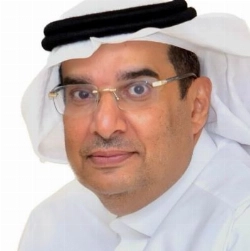
وقد قاد هذه الجهود فريق متخصص ضم كاتب هذا المقال مدير مشروع مكافحة آفات الصحة العامة بأمانة جدة، والدكتور طه الخطيب من الشؤون الصحية بجدة، وعبد العزيز الغامدي من الوقاية الصحية بالأمانة، ومحمد داود فيرق من صحة البيئة بالأمانة.
واعتمد المشروع على تعاون علمي دولي مهم، حيث ساهم مركز مكافحة الأمراض الأمريكي (CDC) في عزل فيروس حمى الضنك وتحديده بدقة، ما أتاح للفريق السعودي التركيز على تطوير آليات المكافحة الكيميائية والميكانيكية واختيار أكثر مبيدات البيرثرويد كفاءة وأمانًا. كما جرى تأسيس جهاز ميداني منظم يضم مديري عمليات ومشرفين وفنيين متخصصين في أعمال الاستكشاف والرش والمكافحة، لضمان تنفيذ العمليات وفق أعلى المعايير.
ولتعزيز سرعة الاستجابة، أُنشئ نظام اتصال لاسلكي متطور يربط مستشفيات وزارة الصحة بغرفة العمليات، حيث تُستقبل البلاغات فورياً مع تحديد الموقع الجغرافي لسكن المصاب، ثم توجيه الفرق الميدانية مباشرة إلى الموقع. واعتمد الفريق بروتوكولاً جغرافياً دقيقاً يقوم على إنشاء مربع عملياتي بمساحة كيلومتر مربع حول منزل المصاب، وهو نطاق النشاط الحيوي لبعوضة Aedes aegypti، لتنفيذ عمليات شاملة تشمل إزالة مصادر التوالد والمكافحة الميكانيكية والرش الكيميائي.
كما شملت الخطة تطهير الأحياء القديمة، بما في ذلك حظائر الأغنام والخزانات العلوية والسفلية دون استثناء، بالتزامن مع حملة توعوية واسعة عبر وسائل الإعلام والصحف والمساجد، مما عزز تعاون السكان وسهّل دخول الفرق للمنازل. وقد حظي هذا التنظيم الميداني بإشادة واسعة خلال ندوة علمية كبرى عُقدت في أحد المستشفيات الخاصة بجدة بمشاركة خبراء من القطاعين الحكومي والخاص، إضافة إلى مختصين أمريكيين أكدوا أن مستوى التنظيم يطابق أعلى معايير منظمة الصحة العالمية. وبناءً على هذا النجاح، اعتمدت وزارة الصحة الخطة كمرجع رسمي وعممتها على مختلف مناطق المملكة.
وقد جاء هذا النجاح مدعوماً بمتابعة مباشرة واهتمام كبير من أمير منطقة مكة المكرمة آنذاك الأمير ماجد بن عبد العزيز رحمه الله، ومن أمين مدينة جدة آنذاك، عبر غرفة العمليات الرئيسية بالإمارة، مما أسهم في ترسيخ هذه التجربة كأحد أبرز النماذج الوطنية في مكافحة الأمراض المنقولة بالنواقل.
*مدير مشروع مكافحة آفات الصحة العامة بأمانة مدينة جدة سابقاً
In the 1990s, with the recording of the first cases of dengue fever in the city of Jeddah, the Kingdom of Saudi Arabia began to establish environmental sanitation and epidemiological surveillance strategies through a collaborative work system that later became a national reference and received international acclaim.
This effort was led by a specialized team that included the author of this article, the Director of the Public Health Pest Control Project at the Jeddah Municipality, Dr. Taha Al-Khatib from the health affairs in Jeddah, Abdulaziz Al-Ghamdi from health prevention at the municipality, and Muhammad Dawood Firq from environmental health at the municipality.
The project relied on significant international scientific collaboration, as the U.S. Centers for Disease Control and Prevention (CDC) contributed to the isolation and precise identification of the dengue virus, allowing the Saudi team to focus on developing chemical and mechanical control mechanisms and selecting the most efficient and safe pyrethroid insecticides. An organized field unit was also established, comprising operations managers, supervisors, and technicians specialized in exploration, spraying, and control activities, to ensure that operations were carried out according to the highest standards.
To enhance the speed of response, an advanced wireless communication system was created, linking Ministry of Health hospitals with the operations room, where reports are received immediately along with the geographical location of the infected person's residence, followed by directing field teams directly to the site. The team adopted a precise geographical protocol based on creating an operational square with an area of one square kilometer around the infected person's home, which is the vital activity range for the Aedes aegypti mosquito, to implement comprehensive operations that include removing breeding sources, mechanical control, and chemical spraying.
The plan also included the disinfection of old neighborhoods, including sheep pens and both overhead and underground tanks without exception, alongside a wide awareness campaign through media, newspapers, and mosques, which enhanced community cooperation and facilitated the teams' access to homes. This field organization received widespread praise during a major scientific seminar held at a private hospital in Jeddah with the participation of experts from both the public and private sectors, in addition to American specialists who confirmed that the level of organization matched the highest standards of the World Health Organization. Based on this success, the Ministry of Health adopted the plan as an official reference and disseminated it across various regions of the Kingdom.
This success was supported by direct follow-up and significant interest from the then Governor of the Makkah Region, Prince Majid bin Abdulaziz, may he rest in peace, and from the Mayor of Jeddah at that time, through the main operations room of the emirate, which contributed to establishing this experience as one of the most prominent national models in combating vector-borne diseases.
*Former Director of the Public Health Pest Control Project at the Jeddah Municipality