في ظل التحول التنموي الذي يشهده الوطن لم تعد الإدارة مجرد مكاتب، وملفات، ومعاملات تنتقل من مكتب إلى آخر، بل أصبحت منظومة متحركة تُقاس سرعتها بقدرتها على استثمار المعرفة والتقنية، وجودة قرارها، ومرونتها في الاستجابة، وقربها من الإنسان. ومن هذه الزاوية يمكن قراءة التحول التطبيقي لنمط الإدارة في وطننا الغالي باعتباره انتقالًا في فلسفة مهننة توظيف الأدوات لا مجرد تحديث البيانات والأرقام، ويعد تحولًا يتصل بالطموح الذي يقوده الأمير محمد بن سلمان لبناء دولة أكثر كفاءة، ومؤسسات أكثر مرونة، وقرار أكثر قدرة على صناعة الأثر.
وتسعى ملامح التحول إلى العمل على ترشيد المال العام، وضبط سبل الإنفاق الإداري، من خلال تقليص الاعتماد على أجهزة المعاملات، والملفات، والأرشفة والسجلات التقليدية، وما تستنزفه من مساحات وتجهيزات وصيانة وتكاليف تشغيلية. وفضلًا عن معالجة البيئات التخزينية وتفادي أضرارها، تتيح الأرشفة الإلكترونية حفظ الوثائق وتنظيمها واسترجاعها والاطلاع عليها عبر شاشة الجوال الشخصي بكل أمان، بما يحفظ المال والوقت والمعلومة، ويرفع كفاءة الإدارة، ويجعل الوثيقة متاحة عند الحاجة دون عبء المكان أو كثرة الملفات. وهنا لا تكون التقنية مجرد وسيلة لإنجاز المعاملة، بل أداة لترشيد الموارد وحماية الذاكرة المؤسسية وتحسين جودة العمل.
والمتابع للمشهد يدرك أن الحكومة الإلكترونية ليست جديدة وفق نشأتها وتطبيقها التدريجي، لكن الإدارة الحديثة عملت على تسريع تفعيل التقنية وتوسيع وظائفها حتى أصبحت جزءًا من بنية القرار والإدارة والرقابة. فحزم المعلومات، وقواعد البيانات الرقمية، ومراكز التحكم، والأمن السيبراني، والذكاء الاصطناعي، والتحليل الإحصائي، والخوارزميات، أصبحت أدوات متقدمة تساعد الإدارة على الانتقال من قراءة ما حدث إلى فهم ما يحدث واستشراف ما يمكن أن يحدث.
والمبهج في هذا التحول أن الإدارة تنحت عن نماذج المكاتب المغلقة وطول الإجراءات وبطء المعاملات الروتينية، إلى نموذج أكثر انفتاحًا ووضوحًا وقابلية للمتابعة عبر البرامج والتطبيقات والأجهزة الشخصية. فأصبح صاحب المعاملة يعرف أين وصلت، وما مسارها، وما أُنجز منها، وما بقي عليها. ولم يعد الوصول إلى المعلومة مرتبطًا بكثرة المراجعة والانتظار، بل أصبحت الأنظمة الرقمية أكثر قدرة على حفظ الحقوق، ورفع الشفافية، وقياس الأداء، وكشف مواقع التعثر.
وتلتقي التقنية هنا مع الحوكمة، فالأتمتة لا تختصر الوقت فحسب، بل توضح المسؤوليات، وتحد من التعقيد، وتدعم النزاهة، وتجعل مؤشرات قياس الأداء أداة للحكم على النتائج والمخرجات لا مجرد عدد الإجراءات المنفذة. وبذلك يصبح القرار الإداري أكثر مهنية لاستناده إلى بيانات قابلة للقياس والتحليل، ويصبح المسؤول أقرب إلى المساءلة عن الأثر الذي يصنعه لا عن النشاط الذي يمارسه.
وفي ظل تباعد المناطق، أصبح الاجتماع عن بُعد ممارسة إدارية اعتيادية تصنع قرارات إيجابية، وتقلل الجهد والتكلفة، وتحترم الوقت، وتمنح الفرد مرونة أكبر في أداء مهامه. ولم يعد نجاح الاجتماع مرتبطًا بالمكان، بل بجودة المشاركة ووضوح المعلومات وسرعة الوصول إلى القرار، وهي مرونة ترفع سقف الأمانة والانضباط، لأن سهولة الوصول إلى العمل تقابلها مسؤولية أكبر عن جودة الإنجاز.
وامتدت هذه النقلة إلى التعليم بوصفه المحرك الأساسي لتنمية العقول وتطوير المهارات، فأصبحت منظومة التعليم بمختلف مراحلها، من رياض الأطفال حتى الدراسات العليا والدكتوراه، أكثر قدرة على توظيف التعلم عن بُعد والتطبيقات والمنصات الرقمية لرفع مستوى المعرفة بسرعة فائقة، لتغدو التقنية بيئة معرفية تبني رأس المال البشري الذي تحتاجه الإدارة والاقتصاد والتنمية.
ومع تغير أدوات الإدارة تغير الموظف نفسه، فلم يعد منفذًا للإجراءات فقط، بل أصبح عنصرًا في منظومة تتطلب سرعة التعلم، وفهم التقنية، والعمل الجماعي، والتكيف. ومن هنا يأتي تمكين الشباب بوصفه خيارًا إداريًا وتنمويًا يضخ دماء طموحة في مفاصل الدولة ومواقعها القيادية، ويمنح المؤسسات طاقة جديدة لتحقيق قفزات غير تقليدية، فالشباب عقلية تتقبل التغيير وتبحث عن الحلول.
وتأتي الرشاقة التنظيمية لتكمل الصورة، فتبسيط الإجراءات، وتقليص الحلقات البيروقراطية، وإعادة تنظيم الجهات والمجالس، رفعت سرعة القرار وكفاءة التنفيذ، محولة الحماس الوطني إلى إنتاجية مستدامة ومشروعات نوعية تمنح الدولة قدرة ومناعة أكبر في التعامل مع المتغيرات الاقتصادية العالمية. وتغيرت كذلك علاقة المؤسسة بالجمهور، فتحولت الخدمة من معاملة روتينية إلى تجربة تحترم وقت المستفيد وحقه وكرامته، مع ترسيخ اللباقة والإنصات والتواضع.
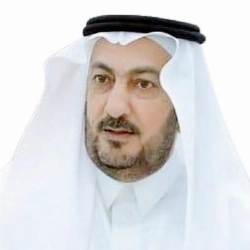
وفي هذا المشهد يبرز الأستاذ بدر العساكر، مدير المكتب الخاص لولي العهد عضو مجلس إدارة مؤسسة محمد بن سلمان (مسك) كنموذج تطبيقي للإدارة الحديثة والاتصال المؤسسي الفاعل. فحضوره الرقمي عبر منصة «X» يتجاوز نقل الخبر إلى الرصد والمتابعة والتفاعل الواعي وتوضيح السياق ووضع المعلومة في نصابها، في فضاء تتسارع فيه الأحداث، وتتجلى قيمة الحضور في التفاعل المتزن بالوقت المناسب، وبأعلى درجات الدقة والانضباط، بوصفه نموذجًا للإدارة الآنية التي ترصد وتفهم وتوجه الرسالة بأقصى درجات التأثير.
إن جوهر التحول الإداري لوطننا مبهج بالانتقال من الورق إلى البيانات، ومن الإجراء إلى صناعة الأثر، ومن القرار المنعزل إلى القرار المدعوم بالمعلومة، ومن الرقمنة إلى الذكاء المؤسسي. وفي قلب هذا التحول تبرز رؤية ولي العهد التي جعلت الطموح محركًا، والشباب طاقة، والمرونة منهجًا، والتقنية أداة، والحوكمة إطارًا، والشفافية أساسًا للثقة، لبناء إدارة وطنية تحول المعلومة إلى قرار، والقرار إلى إنجاز، والإنجاز إلى أثر مستدام.
In light of the developmental transformation that the nation is witnessing, administration is no longer just offices, files, and transactions moving from one desk to another; it has become a dynamic system measured by its ability to invest in knowledge and technology, the quality of its decisions, its responsiveness, and its proximity to people. From this perspective, we can interpret the practical transformation of the management style in our beloved country as a shift in the philosophy of professionalizing the use of tools, not just updating data and numbers. This transformation is connected to the ambition led by Prince Mohammed bin Salman to build a more efficient state, more flexible institutions, and decisions that are more capable of making an impact.
The features of this transformation aim to rationalize public funds and regulate administrative spending by reducing reliance on transaction devices, files, traditional archiving, and records, which consume space, equipment, maintenance, and operational costs. In addition to addressing storage environments and avoiding their damages, electronic archiving allows for the safe preservation, organization, retrieval, and access to documents via personal mobile screens, thereby saving money, time, and information, enhancing management efficiency, and making documents available when needed without the burden of space or excessive files. Here, technology is not merely a means to complete transactions, but a tool for rationalizing resources, protecting institutional memory, and improving work quality.
Those following the scene realize that e-government is not new in its inception and gradual application, but modern administration has worked to accelerate the activation of technology and expand its functions until it has become part of the structure of decision-making, management, and oversight. Information packages, digital databases, control centers, cybersecurity, artificial intelligence, statistical analysis, and algorithms have become advanced tools that help management transition from merely reading what happened to understanding what is happening and anticipating what may happen.
What is encouraging about this transformation is that management is carving out a path away from closed office models, lengthy procedures, and slow routine transactions, towards a more open, clear, and trackable model through programs, applications, and personal devices. The individual now knows where their transaction stands, its path, what has been accomplished, and what remains. Access to information is no longer tied to excessive reviews and waiting; rather, digital systems are more capable of safeguarding rights, enhancing transparency, measuring performance, and revealing points of failure.
Here, technology meets governance, as automation not only saves time but clarifies responsibilities, reduces complexity, supports integrity, and makes performance measurement indicators tools for judging outcomes and outputs, not just the number of completed procedures. Thus, administrative decisions become more professional as they rely on measurable and analyzable data, and the responsible party becomes closer to accountability for the impact they create rather than the activities they perform.
In light of the geographical distances, remote meetings have become a routine administrative practice that produces positive decisions, reduces effort and costs, respects time, and grants individuals greater flexibility in performing their tasks. The success of a meeting is no longer dependent on location, but on the quality of participation, clarity of information, and speed of decision-making, a flexibility that raises the standards of trust and discipline, as the ease of access to work is matched by a greater responsibility for quality achievement.
This shift has also extended to education as the primary driver of developing minds and skills. The education system, at all its stages from kindergarten to postgraduate studies and doctoral programs, has become more capable of employing remote learning and digital applications and platforms to rapidly elevate knowledge levels, making technology a knowledge environment that builds the human capital needed for management, economy, and development.
With the changing tools of management, the employee has also transformed; they are no longer just implementers of procedures but have become elements in a system that requires rapid learning, understanding of technology, teamwork, and adaptability. Hence, empowering youth emerges as an administrative and developmental choice that injects ambitious blood into the joints of the state and its leadership positions, granting institutions new energy to achieve unconventional leaps, as youth embody a mindset that embraces change and seeks solutions.
Organizational agility completes the picture, as simplifying procedures, reducing bureaucratic loops, and reorganizing entities and councils have increased decision-making speed and execution efficiency, transforming national enthusiasm into sustainable productivity and quality projects that grant the state greater capacity and resilience in dealing with global economic changes. The relationship between the institution and the public has also changed, transforming service from a routine transaction into an experience that respects the beneficiary's time, rights, and dignity, while instilling politeness, listening, and humility.
In this scene, Professor Badr Al-Asaker, Director of the Private Office of the Crown Prince and a member of the Board of Trustees of the Mohammed bin Salman Foundation (Misk), stands out as an exemplary model of modern management and effective institutional communication. His digital presence on the "X" platform goes beyond merely conveying news to monitoring, following up, engaging consciously, clarifying context, and placing information in its proper context, in a space where events accelerate, and the value of presence is manifested in balanced interaction at the right time, with the highest levels of accuracy and discipline, serving as a model for real-time management that monitors, understands, and directs the message with maximum impact.
The essence of the administrative transformation in our nation is delightful, transitioning from paper to data, from procedure to impact-making, from isolated decisions to information-supported decisions, and from digitization to institutional intelligence. At the heart of this transformation lies the vision of the Crown Prince, which has made ambition a driving force, youth an energy source, flexibility a methodology, technology a tool, governance a framework, and transparency a foundation for trust, to build a national administration that transforms information into decisions, decisions into achievements, and achievements into sustainable impact.