لو طرحنا سؤالاً يجول في خواطرنا بماذا تقاس الحياة؟ وما معيار الثراء؟ فالإجابة ستختلف باختلاف ثقافة ووعي من يتصدّر ويتصدّى لها؛ بحكم أن للحياة معنى وقيمة لا يدركهما كل أحد، وللأنفس ثراؤها، الذي لا يوازيه ثراء، ومن صفات إطراء الاستثنائي (كريم نَفْس) وحياة البشر ليست حياة بالمعنى الدِّلالي والجمال بالمُطلق بل تخضع للنسبيّة، فالبعض يعيش حياة كلاسيكية، يشارك غيره هموم الأكل والشرب والنوم والعمل، وحياته وقف على همّ نفسه، والبعض أكسير حياته في حياة وسعادة وسلامة من حوله؛ فتغدو حياته حيوات، بعدد من يضفي عليهم من نفسه الكريمة بما تمثّلته من القِيَم والمبادئ، المتجليّة في قناعاته وسلوكه وتصرفاته، ما أثرى أيامه بما تبناه من مواقف قلّ نظيرها، ولا يستطيعها إلا من ألجم الأنانية بلجام البذل والعطاء، وأشرك المجتمع في خيره، لا عن نظرياتٍ شكليّة، بل من اعتناق جوهريّ.
لا تعلّم أرقى الجامعات كيف يغدو الإنسان (نبيلاً كريماً شهماً)، فالنبلُ والكرم والشهامة (جين وراثي)، أو كروموسومات في نواة، يصطفي الله بها من علِم أزلاً في قلوبهم خيرا، ثم يُكفلهم مبكراً حضن ورعاية والدين أخيار؛ يُنمّون فيهم بذرة الإحسان، ومكارم الأخلاق، كما يهبهم من الذريّة صفوةً يعزّزون ويراعون السيرة والمسيرة بما يحبّه ويرضاه أهل السماء وأهل الأرض، وشتان بين تغدو بهم ومعهم الحياة، أنقى وأرق وأرقى بإكسابهم الثراء معاني من كرم سيرتهم وأخلاقهم، وبين من تغدو الحياة عليهم عبئا أو تغدو بهم عبثا، ومن يتحوّل الثراء على أيديهم إلى نقمة وإشقاء.
في حياتنا نرى من يكسو المال وقاراً، لأنه يشعر بأنه في الحياة قيمة غير مطروحة للسوم، وهناك من يهبهم المال سعراً أو ثمناً شأن سلع الأسواق القائمة على حظوظ (إن قام حظه باع له واشترى له، وإن نام حظه لا شرى له ولا باع)، والعطاء يختلف باختلاف ثقافة وصحة عقل ونفسية المُعطي، فهو ليس نتاج امتلاء وشبع، بل تعبير عن إرادة امتنان للرحمن وللأوطان، باعثها المحبة والرغبة في مد أواصر الخير، انطلاقاً من شعور بالمسؤولية دون طلبٍ من أحد أو توجيه، وتأسيساً على عمق الروابط الاجتماعية والإنسانية غير المتكلّفة، إضافة إلى طموح يستهدف تعميم الخير في المجتمع؛ ليعمّ ويتنامى، ما يعزّز التواصل الإيجابي مع الأجيال، ومن المُكلف جداً على الإنسان أن ينجح في التعبير عن امتنانه إن لم يُرِدْ ويُحبّ، يحُبّ نفسه، وأسرته، ومجتمعه، ووطنه ويريد إسعاد البشرية جمعاء.
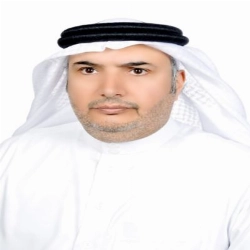
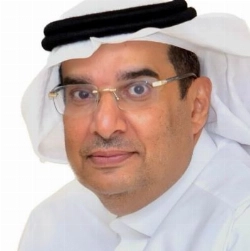
ليس المال هو الذي صنع شخصية رجل الأعمال سعيد العنقري، بل هو الذي صنع المال وأدبه وهذب نوازعه الطبيعية التي يستهجنها بتذكّر السنوات الشاقة، وتذكير من حوله بسيرته وسيرة أبيه رحمه الله، بما فيها من دروس صقلت جوهر الروح وكتب لها ذو العرش في الصدور قبولاً. ولذا كان من السهل عليه أن يتحكّم في شرَه الثروة وشرورها، بأدوات منطقيّة وإنسانية وثقافية نابعة من فلسفة لا تتوفر لأي موسر؛ فالعنقري وازن بين شخصيته المثقفة، النخبوية، وبين الشخصية الاجتماعية القريبة من الناس، وبين سيّد المال الذي خبر وعاش وعايش نماذج فتحت قلبه وثقافته ووعيه على تاريخ الأمم وسلوكيات الشعوب، عبر قراءته لهم باللغات والكلمات وبالعلاقات والصداقات، فاكتشف مبكّراً معنى الوجود أمام العدم، وقيمة الحضور إزاء الغياب، فكان التمدّن والتحضّر وكانت الأنسنة.
منذ وعيت على اسم (العنقري) وعيت على مشاريع تنموية، وخلال نصف قرن، لا يُذكر اسمه إلا مقترناً بمشروعٍ أو مبادرة أو عطاء، ما يؤكد على أن شخصه الكريم مُغرمٌ بالوفاء للمكان والإنسان، ولذا اتجه نحو مأسسة العمل الخيري الاجتماعي والثقافي والتطوعي لتحقيق الاستدامة، ولم تكن الاتفاقيات التي وقعتها مؤسسة سعيد العنقري، بالأمس القريب مع التجمع الصحي في الباحة لإنشاء مركز سعيد العنقري لغسيل الكلى وعلاج الأورام المجهز بأكثر من أربعين سريراً يستفيد منها 400 مريض، وما كراسي الزيتون واللوز التي أسّسها في جامعة الباحة، والجمعية التنموية التموينية، وإتمام مبنى النادي الأدبي، والشراكات مع جمعية أدبي الباحة وفرع جمعية الثقافة، وأعمال دون وفوق ذلك بمبالغ مليونية لا يعلمها إلا الله، إلا تأكيداً على أنه (واحدٌ كأَلْف) كما قال ابن دريد الأزدي (وَالناسُ أَلفٌ مِنهُمُ كَواحِدٍ، وَواحِدٌ كَالأَلفِ إِن أَمرٌ عَنا؛ وَلِلفَتى مِن مالِهِ ما قَدَّمَتْ؛ يَداهُ بين أهله لا ما اِقتَنى، وَإِنَّما المَرءُ حَديثٌ بَعدَهُ، فَكُن حَديثاً حَسَناً لِمَن وَعى).
تلويحة: إذا كان تأثير الكثير من المثقفين في مجتمعاتهم بالأقوال، فإن أثر المثقف (أبو سامي) أفعال خالدة، وأعمال جليلة، ومواقف غاية في التهذيب معروفاً أو عِرفاناً، علماً بأن العنقري يفوق شرائح مثقفة؛ قراءةً وتحليلاً واستيعاب معطيات وتحوّلات وسلوكيات ومدّ يدّ. وإن قيل؛ تمدحه لأنه اختارك ضمن أصدقائه، قلتُ؛ تلك تهمةٌ أُثبتها، وذاك شرفٌ أدّعيه.
If we were to ask a question that crosses our minds: how is life measured? And what is the standard of wealth? The answer will differ depending on the culture and awareness of those who confront it; given that life has a meaning and value that not everyone perceives, and souls have their own wealth, which is unmatched by any other. One of the characteristics of exceptional praise is (noble soul), and human life is not life in the absolute semantic and aesthetic sense but is subject to relativity. Some live a classical life, sharing with others the concerns of eating, drinking, sleeping, and working, and their life revolves around their own worries, while others find the elixir of their life in the happiness and well-being of those around them; thus, their life becomes many lives, equal to the number of those to whom they extend their noble self, represented by the values and principles reflected in their convictions, behavior, and actions, enriching their days with the stances they adopt, which are rarely matched and can only be achieved by those who have bridled selfishness with the reins of generosity and giving, and who involve the community in their goodness, not through formal theories, but through genuine belief.
The most prestigious universities do not teach how a person becomes (noble, generous, and chivalrous); nobility, generosity, and chivalry are (genetic traits), or chromosomes in a nucleus, which God selects for those whom He knew from eternity to have goodness in their hearts, and then He ensures them early on the embrace and care of righteous parents; they cultivate in them the seed of kindness and noble morals, just as He grants them offspring who enhance and uphold the legacy and journey in accordance with what pleases and satisfies the people of heaven and the people of earth. There is a vast difference between a life that becomes purer, more delicate, and more elevated with them, enriching them with meanings from the nobility of their character and morals, and a life that becomes a burden or a triviality for them, and between those who turn wealth into a curse and misery.
In our lives, we see some who adorn wealth with dignity because they feel that they have a value in life that is not up for bidding. There are those who give wealth as a price or cost, like goods in markets based on fortunes (if their fortune rises, they sell for him and buy for him, and if their fortune sleeps, they neither buy nor sell). Giving varies according to the culture, mental health, and psychology of the giver; it is not the result of fullness and satisfaction, but an expression of a will of gratitude to the Merciful and to the homelands, driven by love and the desire to extend the bonds of goodness, stemming from a sense of responsibility without asking anyone or being directed, and based on the depth of social and human connections that are unpretentious, in addition to an ambition aimed at generalizing goodness in society; for it to spread and grow, which enhances positive communication with generations. It is very burdensome for a person to succeed in expressing their gratitude if they do not want and love, love themselves, their family, their community, and their homeland, and wish to bring happiness to all humanity.
It is not wealth that shaped the character of businessman Saeed Al-Anqari, but he is the one who created wealth and refined it, tempering his natural instincts that he finds distasteful by recalling the arduous years and reminding those around him of his story and that of his father, may God have mercy on him, which includes lessons that have polished the essence of the soul and granted it acceptance from the One on the Throne. Therefore, it was easy for him to control the greed of wealth and its evils, using logical, human, and cultural tools derived from a philosophy that is not available to every wealthy person; for Al-Anqari balanced between his cultured, elite personality and his social persona close to the people, and between being a master of wealth who experienced and lived through models that opened his heart, culture, and awareness to the history of nations and the behaviors of peoples, through reading them in languages and words and through relationships and friendships. He discovered early on the meaning of existence in the face of nothingness and the value of presence in the face of absence, leading to civilization and urbanity and the humanization of life.
Since I became aware of the name (Al-Anqari), I became aware of developmental projects, and over half a century, his name is mentioned only in conjunction with a project, initiative, or contribution, which confirms that his noble self is enamored with loyalty to place and people. Therefore, he directed his efforts towards institutionalizing charitable, social, cultural, and voluntary work to achieve sustainability. The agreements signed by the Saeed Al-Anqari Foundation, recently with the health cluster in Al-Baha to establish the Saeed Al-Anqari Center for Dialysis and Cancer Treatment, equipped with more than forty beds benefiting 400 patients, and the olive and almond chairs he established at Al-Baha University, and the developmental food association, and the completion of the literary club building, and partnerships with the Al-Baha Literary Association and the branch of the Culture Association, and works above and beyond that with millions of amounts known only to God, are all confirmations that he is (one like a thousand), as Ibn Duraid Al-Azdi said (and people are a thousand of them like one, and one is like a thousand if a matter concerns us; and for a young man, from his wealth is what his hands have provided among his family, not what he has acquired, and indeed a person is a narrative after him, so be a good narrative for whoever is aware).
A wave: If the influence of many intellectuals in their societies is through words, then the impact of the intellectual (Abu Sami) is through immortal actions, noble works, and refined stances, known or acknowledged, noting that Al-Anqari surpasses educated segments in reading, analysis, and understanding of data, transformations, behaviors, and extending a hand. And if it is said; you praise him because he chose you among his friends, I say; that is an accusation I affirm, and that is an honor I claim.