قبل عدة سنوات، في أحد اللقاءات العلمية قام أحد الحاضرين بتعريف نفسه وتخصصه، فأردف قائلا: (فلان بن فلان استشاري جراحة الأنف الأيمن)، فلربما أني قمت بتصديق ما قال، لولا أن أشار إلى أنها طرفة ذات مغزى في خاطره، منتقداً بها ظاهرة إلزامية التخصصات الدقيقة وتشعباتها، واختزال الخدمات الصحية إلى الدقيقة دون مراعاة التخصص العام أحياناً، مما أشعل نقاشاً طويلاً ما بين مؤيد ومعارض. وهنا يُطرح السؤال، ما هي المعادلة المتزنة ما بين توفر الخدمة الطبية المتخصصة وتوفر خدمة طبية شمولية؟ وهل الأفضل للطبيب هو تقديم القليل من كل شيء أم الكثير من شيء واحد؟ أم الوزن بين كليهما؟
ومع ملاحظة الشريط الزمني لوجود التخصصات الطبية فإننا نجد أن بداية وجود الأطباء في المملكة في أوائل القرن العشرين كان من خلال استقطاب أطباء عامين، ولربما وجدوا بالمدن الكبرى فقط بمعدل طبيب واحد في بعض المدن، ومحدودية الخدمات آنذاك كانت تحتم عليهم استقبال جميع أنواع الحلات وعلاجها بلا استثناء. تطورت الأمور بعد ذلك بدايةً من منتصف القرن إلى نهايته، حيث بدأ مفهوم التخصصية، متزامناً مع انطلاق الابتعاث، فحصل الكثير من الأطباء السعوديين على التخصصات العامة، كاختصاص الطب الباطني واختصاص الجراحة العامة والأطفال والنساء والولادة.. إلخ، وحالهم كحال الطبيب العام سابقاً، اضطروا إلى توسيع دائرة خدماتهم حتى وإن شملت جوانب خارج تخصصهم في بعض الأحيان. ومع نهاية القرن العشرين تطور مفهوم التخصصات الدقيقة بشكل كبير، مما عاد على الخدمات الطبية بالنفع وريادة الكثير من المنشآت الطبية السعودية على مستوى العالم.
في الجانب الآخر، صاحب ذلك ارتفاع المنافسة والرغبة في دراسة سنوات أكثر من قبل الطلاب والأطباء المتدربين لغرض التميز والحصول على فرص وظيفية أفضل. وبالنظر إلى تاريخ تطور المفهوم فإننا نجد أن حاجة الوصول إلى سوق العمل الطبي والممارسة الطبية كانت تتطلب ٧ سنوات من الدراسة في عام ١٩٥٠، مقابل ذلك نجدها تتطلب ما بين ١٣ إلى ١٦ سنة في ٢٠٢٥، أي ما يعادل زيادة سنة كل عشر سنوات، ويبقى السؤال: هل ستستمر تلك المعدلات في النمو؟ وهل حان الوقت لتغيير هيكل المقررات والمسارات الطبية؟
وبالنظر إلى بعض الأمثلة العالمية، فنجد أن مقاعد التخصصات الدقيقة في أمريكا وكندا وأوروبا ليست دائماً هي المطلب الأول لأبناء تلك البلدان، وذلك بسبب نظرتهم إلى أنها قد تقيد من ممارستهم في مجال واحد، وأنه ليس بحاجة إلى مؤهل إضافي لعمل ما يريد دقيقاً، ويتشابه هذا الفكر ببعض دول أوروبا كألمانيا، كما نجد عكس ذلك في بعض المراكز التميزية التي تتطلب التخصص دقيقاً في مجال ما بعينه.
ولا شك أني من مؤيدي التخصصية، وذلك لآثارها الإيجابية المتعلقة بتقديم أحدث التقنيات المواكبة للتقدم العلمي، وفتح مجال الأبحاث العلمية الدقيقة التي تسهم بشكل مباشر وغير مباشر على المستفيدين والمؤسسات العلمية، مع مراعاة أنها لابد أن تمثل نسبة متزنة ما بين الأطباء العامين والمتخصصين، في التخصص العام والتخصص الدقيق، وربما الإبقاء على ممارسة المتخصصين الدقيقين إلى ممارسة تخصصاتهم العامة والمحافظة على تلك الثقافة. أما الآثار السلبية للنزوح عن ممارسة التخصص العام تنقسم إلى آثار على الممارس الصحي والمراجع، أما ما هو على الممارس: ١- التأخر عن مواكبة العلوم بتخصصه العام، ٢- فقدان المهارات الإكلينيكية والجراحية لتخصصه العام، ٣- عدم تنويع المخاطر بممارسة تخصص دقيق قد يختفي بفضل الابتكار أو التقنية. وأما الآثار السلبية على المراجع: ١- تدني الكفاءة المؤسساتية (مثال: اضطرار المراجع لطلب خدمة من ٣ أطباء في نفس القسم والسبب اختلاف تخصصاتهم الدقيقة مع تشابه تخصصهم العام). ٢- ارتفاع التكلفة نظراً لأن الخدمة تقدم من عدة أشخاص كلٌ منهم على حِدة، والتي تنعكس بشكل غير مباشر على أسعار التأمين.
ولاشك أن الموضوع بحاجة إلى دراسات أكثر تعمقاً، إلا أنه لابد من العمل على المفهوم والفكر والثقافة المرتبطة بالتخصصية الدقيقة، وذلك من خلال تعزيز أهمية دور الجميع دون استثناء في المنظومة الصحية، عاماً أم متخصصاً، وإيجاد معادلة ما بين (شغف الممارس، حاجة المجتمع، عدد المستفيدين، وتوجه المؤسسة الصحية الخدماتي).

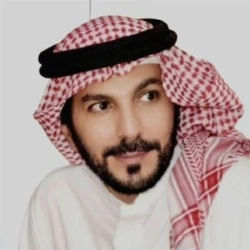
فيصل زقزوق
ما بين الشمولية.. والتخصصية الطبية..!
16 أكتوبر 2025 - 00:30
|
آخر تحديث 16 أكتوبر 2025 - 00:30


تابع قناة عكاظ على الواتساب
Several years ago, during a scientific meeting, one of the attendees introduced himself and his specialty, adding: "So-and-so, consultant in right nasal surgery." Perhaps I would have believed what he said, had he not indicated that it was a meaningful joke in his mind, criticizing the phenomenon of mandatory specialties and their complexities, and the reduction of healthcare services to the specific without considering the general specialty at times, which ignited a long debate between supporters and opponents. Here arises the question: What is the balanced equation between the availability of specialized medical services and the provision of comprehensive medical care? Is it better for a doctor to offer a little of everything or a lot of one thing? Or is it about balancing both?
Observing the timeline of the existence of medical specialties, we find that the beginning of the presence of doctors in the Kingdom in the early twentieth century was through the recruitment of general practitioners, who perhaps were found only in major cities at a rate of one doctor in some cities, and the limited services at that time forced them to receive and treat all types of cases without exception. Things evolved after that, starting from the mid-century to its end, where the concept of specialization began, coinciding with the launch of scholarships, so many Saudi doctors obtained general specialties, such as internal medicine, general surgery, pediatrics, and obstetrics... etc. Their situation was similar to that of general practitioners in the past; they were compelled to expand their range of services even if it included aspects outside their specialty at times. By the end of the twentieth century, the concept of precise specialties developed significantly, benefiting medical services and leading many Saudi medical institutions to excel on a global level.
On the other hand, this was accompanied by increased competition and the desire for students and trainee doctors to study more years for the sake of distinction and obtaining better job opportunities. Looking at the history of the evolution of the concept, we find that the need to enter the medical job market and practice medicine required 7 years of study in 1950; in contrast, it now requires between 13 to 16 years in 2025, which is equivalent to an increase of one year every ten years. The question remains: Will these rates continue to grow? Is it time to change the structure of medical curricula and pathways?
Looking at some global examples, we find that seats in precise specialties in America, Canada, and Europe are not always the first choice for the children of those countries, due to their view that it may restrict their practice in one field, and that they do not need an additional qualification to do what they want precisely. This thought is similar in some European countries like Germany, while we find the opposite in some distinguished centers that require precise specialization in a specific field.
There is no doubt that I am a supporter of specialization, due to its positive effects related to providing the latest technologies in line with scientific advancement, and opening the field for precise scientific research that contributes directly and indirectly to beneficiaries and scientific institutions, while ensuring that it must represent a balanced ratio between general practitioners and specialists, in both general and precise specialties, and perhaps maintaining the practice of precise specialists in their general specialties and preserving that culture. As for the negative effects of drifting away from practicing general specialties, they are divided into effects on the healthcare practitioner and the patient. Regarding the practitioner: 1- Delayed adaptation to the sciences of their general specialty, 2- Loss of clinical and surgical skills in their general specialty, 3- Lack of risk diversification by practicing a precise specialty that may disappear due to innovation or technology. And the negative effects on the patient: 1- Deterioration of institutional efficiency (for example: the patient having to seek services from 3 doctors in the same department due to the differences in their precise specialties despite the similarity in their general specialty). 2- Increased costs since the service is provided by several individuals, each separately, which indirectly reflects on insurance prices.
There is no doubt that the topic needs more in-depth studies; however, it is essential to work on the concept, thought, and culture associated with precise specialization, by enhancing the importance of everyone's role without exception in the healthcare system, whether general or specialized, and finding an equation between (the practitioner's passion, the community's needs, the number of beneficiaries, and the service orientation of the healthcare institution).
Observing the timeline of the existence of medical specialties, we find that the beginning of the presence of doctors in the Kingdom in the early twentieth century was through the recruitment of general practitioners, who perhaps were found only in major cities at a rate of one doctor in some cities, and the limited services at that time forced them to receive and treat all types of cases without exception. Things evolved after that, starting from the mid-century to its end, where the concept of specialization began, coinciding with the launch of scholarships, so many Saudi doctors obtained general specialties, such as internal medicine, general surgery, pediatrics, and obstetrics... etc. Their situation was similar to that of general practitioners in the past; they were compelled to expand their range of services even if it included aspects outside their specialty at times. By the end of the twentieth century, the concept of precise specialties developed significantly, benefiting medical services and leading many Saudi medical institutions to excel on a global level.
On the other hand, this was accompanied by increased competition and the desire for students and trainee doctors to study more years for the sake of distinction and obtaining better job opportunities. Looking at the history of the evolution of the concept, we find that the need to enter the medical job market and practice medicine required 7 years of study in 1950; in contrast, it now requires between 13 to 16 years in 2025, which is equivalent to an increase of one year every ten years. The question remains: Will these rates continue to grow? Is it time to change the structure of medical curricula and pathways?
Looking at some global examples, we find that seats in precise specialties in America, Canada, and Europe are not always the first choice for the children of those countries, due to their view that it may restrict their practice in one field, and that they do not need an additional qualification to do what they want precisely. This thought is similar in some European countries like Germany, while we find the opposite in some distinguished centers that require precise specialization in a specific field.
There is no doubt that I am a supporter of specialization, due to its positive effects related to providing the latest technologies in line with scientific advancement, and opening the field for precise scientific research that contributes directly and indirectly to beneficiaries and scientific institutions, while ensuring that it must represent a balanced ratio between general practitioners and specialists, in both general and precise specialties, and perhaps maintaining the practice of precise specialists in their general specialties and preserving that culture. As for the negative effects of drifting away from practicing general specialties, they are divided into effects on the healthcare practitioner and the patient. Regarding the practitioner: 1- Delayed adaptation to the sciences of their general specialty, 2- Loss of clinical and surgical skills in their general specialty, 3- Lack of risk diversification by practicing a precise specialty that may disappear due to innovation or technology. And the negative effects on the patient: 1- Deterioration of institutional efficiency (for example: the patient having to seek services from 3 doctors in the same department due to the differences in their precise specialties despite the similarity in their general specialty). 2- Increased costs since the service is provided by several individuals, each separately, which indirectly reflects on insurance prices.
There is no doubt that the topic needs more in-depth studies; however, it is essential to work on the concept, thought, and culture associated with precise specialization, by enhancing the importance of everyone's role without exception in the healthcare system, whether general or specialized, and finding an equation between (the practitioner's passion, the community's needs, the number of beneficiaries, and the service orientation of the healthcare institution).