لو لم يعتبر الغرب المتنفذ (الدول المتزعمة لحلف ناتو بخاصة) روسيا عدواً، أو خصماً أو منافساً قوياً ومختلفاً، لسعى لضمها هي الأخرى عضواً في حلف «ناتو»، لا سيما أن قادة روس طالبوا -بعد انهيار الاتحاد السوفيتي- بتفكيك حلف ناتو كما تفكك حلف وارسو -أو ضم روسيا إلى حلف ناتو- كما ضمت معظم الجمهوريات المنسلخة عن المعسكر الشرقي سابقاً لهذا الحلف. لكن قادة الناتو رفضوا بشدة مجرد التفكير في حل حلف ناتو، بعد انهيار حلف وارسو وزوال الاتحاد السوفيتي عام 1991م. بل عملوا على دعم وتوسيع عضوية الحلف في اتجاه الشرق، حتى أصبح عدد أعضائه 28 دولة الآن، بدلاً من 16 دولة قبل عام 1991م. ومبرر أولئك القادة أن الأخطار التي تواجه ذلك الغرب ما زالت قائمة؛ متمثلة في: الإسلام السياسي، والإرهاب، وفي الدول المناوئة للغرب، وبخاصة: روسيا، الصين، إيران، كوريا الشمالية... وغيرها.
ذلك يدفع لاستطلاع طبيعة «العلاقة» بين روسيا من جهة، والغرب المتنفذ من جهة أخرى. تاريخياً، تعتبر روسيا مختلفة عن أوروبا، وخاصة أوروبا الغربية، رغم أن روسيا تعتبر دولة يورو ـ آسيوية. فالجزء الأهم من روسيا يقع في أوروبا. ولكن روسيا دولة عظمى سابقة كانت -وما زالت- لها طموحات توسعية تجاه الغرب (أوروبا) وتوجهات سياسية مختلفة عن جيرانها في الغرب. الأمر الذي جعل روسيا، على مر التاريخ، دولة مناوئة للغرب المتنفذ بخاصة. ويشهد التاريخ زحف القوات الروسية بداخل العمق الأوروبي. وكذلك غزو بعض دول الغرب لروسيا، ووصول تلك القوات في عدة مرات إلى داخل سانت بطرسبرج ومشارف موسكو. لذا، أصبحت هناك عداوة تاريخية بين الدولة الروسية وجيرانها الغربيين. وفاقم من هذا العداء تحول روسيا لدولة شيوعية مناوئة لكل ما هو غربي، في الفترة 1917- 1991م.
كما ساهمت أزمة أوكرانيا، المتمثلة في غزو روسيا لأوكرانيا، في تعميق العداء الأوربي لروسيا. وأعادت العلاقات الروسية- الأوروبية الى المربع الأول، في العلاقات الصراعية، بين الطرفين.
****
وتعتبر روسيا الاتحادية أكبر دول العالم مساحة، إذ تبلغ مساحتها 17075400 كم2، بما يشمل شرق أوروبا، وحوالي ثلث قارة آسيا، بموارد طبيعية هائلة. وسكانها 146 مليون نسمة. وهي مكونة من 89 منطقة، ويحكمها دستور عام 1993م، الذي يقيم نظاماً رئاسياً تمثيلياً، فيدرالياً، برئيس له صلاحيات تنفيذية واسعة، مع برلمان مكون من مجلسين: المجلس الفيدرالي، وهو مكون من 178 عضواً، والدوما، وعدد أعضائه 450 نائباً. ولا تزال نموذجاً للاتحادات الفيدرالية.
****
بعد زوال الاتحاد السوفيتي حاول الغرب المتنفذ تقسيم روسيا نفسها، بعد أن سلخ منها الجمهوريات الأربع عشرة التي كانت ملحقة بالاتحاد السوفيتي. وما زال التنافس حاداً بين روسيا والغرب المتنفذ. وما زال الأخير يحاول إضعاف روسيا بكل الطرق الممكنة، ومنها تقسيم الاتحاد الفيدرالي الروسي. وقد أشار الرئيس بوتين إلى ذلك كثيراً، مندداً بسياسة الغرب تجاه بلاده.
ذلك يجعل احتمال تحالف روسيا مع الصين أقرب للحصول من تحالفها مع فرنسا أو بريطانيا أو أمريكا. ولولا قوة روسيا العسكرية، وامتلاكها ترسانة هائلة من السلاح النووي، لأصبحت روسيا مجرد دولة هامشية. ولكن إمكانات روسيا جعلتها تنافس على قمة العالم الاقتصادية- السياسية، لتصبح إحدى القوى العظمى التي تشكل الآن نظاماً دولياً من أقطاب متعددة (أمريكا، الصين، روسيا). وبالتالي فإن العلاقة بين روسيا والغرب المتنفذ ما زال يسود فيها الصراع، أكثر من التعاون. وآخر مظاهر هذا الصراع هي: العقوبات الاقتصادية الغربية التي فُرضت على روسيا، بسبب تدخلها في أوكرانيا، وضمها لشبه جزيرة القرم، ومناطق أوكرانيا الشرقية. ورغم ذلك، فإن هناك كثيراً من المصالح المشتركة التي تجمع بين روسيا وزميلاتها من الدول الغربية الكبرى، إضافة إلى نظرة متشابهة تجاه كثير من القضايا ذات الاهتمام المشترك.
وبالإمكان معرفة السياسة الخارجية الروسية نحو منطقة الخليج، أو غيرها عبر مدخل الأهداف/ الوسائل. وسيتبين أن روسيا تعتبر هذه المنطقة مهمة جداً، للعالم ككل، وللأقطاب، بصفة خاصة. وسيتبين أن روسيا تحرص من قديم على التواجد بالمنطقة، وأن تكون لها قواعد عسكرية. وهذا هو ما حصل فعلاً، حتى بعد هروب بشار الأسد من سوريا.
****
وعن تورط روسيا في أوكرانيا، يقول عالم السياسة (جون ميرشايمر): «أعتقد أن جوهر ما يحدث هو أن الغرب يدفع أوكرانيا للهلاك، عبر تزيين شهوة التوجه إلى الغرب، والانضمام إليه، ومن ثم الاصطدام مع روسيا، وبالتالي الدمار. وقد اندفع قادة أوكرانيا في هذا الاتجاه. لذا، فإنني أدعو إلى تغيير هذه السياسة، وتبني سياسة تتضمن وضع أوكرانيا على الحياد، ودعم اقتصادها، وإخراجها تماماً من ساحة الصراع بين الغرب وروسيا. ذلك هو الموقف الأفضل لأوكرانيا وشعبها. فبدون التزام «الحياد» بين الجانبين؛ الغربي والروسي، ستدخل أوكرانيا نفسها في دوامة مدمرة. إن ما نعمله، نحن هنا في الغرب، هو أننا نشجع قادة أوكرانيا على التشدد مع الروس، والإصرار على الانضمام إلى حلف ناتو. لقد أوحينا لهم أن الوقت يسير في صالحنا، وأننا سننتصر، في نهاية الأمر، على روسيا بوتن. وأننا سنضم أوكرانيا إلى ناتو، عاجلاً، أو آجلاً. فإن استمروا في تصديق ذلك، فسيقودون بلادهم للهلاك. إن تأليب أوكرانيا، من قبل الغرب، على روسيا، لن ينتج عنه سوى الصراع والحروب. إن من مصلحة أوكرانيا، ومصلحتنا هنا في الغرب، وأيضاً من مصلحة روسيا، ألا تنضم أوكرانيا إلى الغرب، بل تقف على موقف الحياد، لتنجو من التهلكة». ولم تأخذ أمريكا والغرب بهذه النصائح، فحصلت المأساة، وما زالت تتفاقم، يوماً بعد يوم.
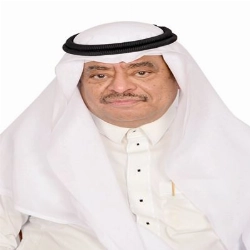
صدقة يحيى فاضل
تنافس روسيا مع الغرب المتنفذ.. !
10 أغسطس 2025 - 00:00
|
آخر تحديث 26 أغسطس 2025 - 15:52


تابع قناة عكاظ على الواتساب
If the influential West (especially the leading NATO countries) did not consider Russia an enemy, adversary, or a strong and different competitor, it would have sought to include it as a member of NATO as well, especially since Russian leaders called - after the collapse of the Soviet Union - for the dismantling of NATO just as the Warsaw Pact was dismantled, or for Russia to join NATO, as most of the republics that broke away from the Eastern bloc previously joined this alliance. However, NATO leaders strongly rejected even the thought of dissolving NATO after the collapse of the Warsaw Pact and the dissolution of the Soviet Union in 1991. Instead, they worked to support and expand the alliance's membership eastward, increasing its number of member states to 28 now, up from 16 before 1991. The justification of those leaders is that the dangers facing the West are still present, represented by: political Islam, terrorism, and countries opposed to the West, especially: Russia, China, Iran, North Korea... and others.
This prompts an exploration of the nature of the "relationship" between Russia on one side and the influential West on the other. Historically, Russia is considered different from Europe, especially Western Europe, although Russia is regarded as a Euro-Asian country. The most significant part of Russia lies in Europe. However, Russia is a former superpower that has had - and still has - expansionist ambitions towards the West (Europe) and political orientations different from its neighbors in the West. This has made Russia, throughout history, a country opposed to the influential West in particular. History witnesses the advance of Russian forces deep into European territory. Likewise, some Western countries invaded Russia, with those forces reaching several times into St. Petersburg and the outskirts of Moscow. Thus, a historical enmity has developed between the Russian state and its Western neighbors. This enmity was exacerbated by Russia's transformation into a communist state opposed to everything Western during the period from 1917 to 1991.
The Ukraine crisis, represented by Russia's invasion of Ukraine, has also deepened European hostility towards Russia. It has returned Russian-European relations to square one, in terms of conflictual relations between the two sides.
****
The Russian Federation is considered the largest country in the world by area, covering 17,075,400 km², which includes Eastern Europe and about a third of the Asian continent, with vast natural resources. Its population is 146 million. It consists of 89 regions and is governed by the constitution of 1993, which establishes a representative presidential system, federally, with a president having broad executive powers, along with a parliament composed of two chambers: the Federation Council, which has 178 members, and the State Duma, which has 450 deputies. It remains a model for federal unions.
****
After the dissolution of the Soviet Union, the influential West attempted to divide Russia itself, after detaching the fourteen republics that were part of the Soviet Union. Competition remains fierce between Russia and the influential West. The latter continues to try to weaken Russia by all possible means, including the division of the Russian federal union. President Putin has frequently pointed this out, condemning the West's policy towards his country.
This makes the possibility of an alliance between Russia and China closer than its alliance with France, Britain, or America. Were it not for Russia's military strength and its possession of a vast nuclear arsenal, Russia would have become merely a marginal state. However, Russia's capabilities have allowed it to compete at the top of the global economic-political landscape, becoming one of the great powers that now form a multipolar international system (America, China, Russia). Consequently, the relationship between Russia and the influential West is still characterized by conflict more than cooperation. The latest manifestations of this conflict are the Western economic sanctions imposed on Russia due to its intervention in Ukraine, its annexation of Crimea, and the eastern regions of Ukraine. Despite this, there are many common interests that bind Russia and its counterparts among the major Western countries, in addition to a similar outlook on many issues of mutual concern.
It is possible to understand Russian foreign policy towards the Gulf region, or others, through the lens of objectives/means. It will become clear that Russia considers this region very important for the world as a whole and for the poles in particular. It will also become evident that Russia has long sought to be present in the region and to have military bases there. This has indeed happened, even after Bashar al-Assad's flight from Syria.
****
Regarding Russia's involvement in Ukraine, political scientist John Mearsheimer states: "I believe the essence of what is happening is that the West is pushing Ukraine to destruction by embellishing the desire to turn towards the West and join it, and then colliding with Russia, leading to devastation. Ukrainian leaders have rushed in this direction. Therefore, I call for a change in this policy and the adoption of a policy that includes placing Ukraine in a neutral position, supporting its economy, and completely removing it from the battlefield between the West and Russia. That is the best position for Ukraine and its people. Without a commitment to 'neutrality' between the two sides; the West and Russia, Ukraine will plunge itself into a destructive whirlpool. What we are doing here in the West is encouraging Ukrainian leaders to be tough with the Russians and insist on joining NATO. We have suggested to them that time is on our side and that we will ultimately triumph over Putin's Russia. And that we will join Ukraine to NATO, sooner or later. If they continue to believe that, they will lead their country to destruction. Inciting Ukraine, by the West, against Russia will result in nothing but conflict and wars. It is in Ukraine's interest, and our interest here in the West, and also in Russia's interest, that Ukraine does not join the West, but rather stands in a position of neutrality to escape destruction." The U.S. and the West did not heed this advice, resulting in the tragedy that continues to escalate day by day.
This prompts an exploration of the nature of the "relationship" between Russia on one side and the influential West on the other. Historically, Russia is considered different from Europe, especially Western Europe, although Russia is regarded as a Euro-Asian country. The most significant part of Russia lies in Europe. However, Russia is a former superpower that has had - and still has - expansionist ambitions towards the West (Europe) and political orientations different from its neighbors in the West. This has made Russia, throughout history, a country opposed to the influential West in particular. History witnesses the advance of Russian forces deep into European territory. Likewise, some Western countries invaded Russia, with those forces reaching several times into St. Petersburg and the outskirts of Moscow. Thus, a historical enmity has developed between the Russian state and its Western neighbors. This enmity was exacerbated by Russia's transformation into a communist state opposed to everything Western during the period from 1917 to 1991.
The Ukraine crisis, represented by Russia's invasion of Ukraine, has also deepened European hostility towards Russia. It has returned Russian-European relations to square one, in terms of conflictual relations between the two sides.
****
The Russian Federation is considered the largest country in the world by area, covering 17,075,400 km², which includes Eastern Europe and about a third of the Asian continent, with vast natural resources. Its population is 146 million. It consists of 89 regions and is governed by the constitution of 1993, which establishes a representative presidential system, federally, with a president having broad executive powers, along with a parliament composed of two chambers: the Federation Council, which has 178 members, and the State Duma, which has 450 deputies. It remains a model for federal unions.
****
After the dissolution of the Soviet Union, the influential West attempted to divide Russia itself, after detaching the fourteen republics that were part of the Soviet Union. Competition remains fierce between Russia and the influential West. The latter continues to try to weaken Russia by all possible means, including the division of the Russian federal union. President Putin has frequently pointed this out, condemning the West's policy towards his country.
This makes the possibility of an alliance between Russia and China closer than its alliance with France, Britain, or America. Were it not for Russia's military strength and its possession of a vast nuclear arsenal, Russia would have become merely a marginal state. However, Russia's capabilities have allowed it to compete at the top of the global economic-political landscape, becoming one of the great powers that now form a multipolar international system (America, China, Russia). Consequently, the relationship between Russia and the influential West is still characterized by conflict more than cooperation. The latest manifestations of this conflict are the Western economic sanctions imposed on Russia due to its intervention in Ukraine, its annexation of Crimea, and the eastern regions of Ukraine. Despite this, there are many common interests that bind Russia and its counterparts among the major Western countries, in addition to a similar outlook on many issues of mutual concern.
It is possible to understand Russian foreign policy towards the Gulf region, or others, through the lens of objectives/means. It will become clear that Russia considers this region very important for the world as a whole and for the poles in particular. It will also become evident that Russia has long sought to be present in the region and to have military bases there. This has indeed happened, even after Bashar al-Assad's flight from Syria.
****
Regarding Russia's involvement in Ukraine, political scientist John Mearsheimer states: "I believe the essence of what is happening is that the West is pushing Ukraine to destruction by embellishing the desire to turn towards the West and join it, and then colliding with Russia, leading to devastation. Ukrainian leaders have rushed in this direction. Therefore, I call for a change in this policy and the adoption of a policy that includes placing Ukraine in a neutral position, supporting its economy, and completely removing it from the battlefield between the West and Russia. That is the best position for Ukraine and its people. Without a commitment to 'neutrality' between the two sides; the West and Russia, Ukraine will plunge itself into a destructive whirlpool. What we are doing here in the West is encouraging Ukrainian leaders to be tough with the Russians and insist on joining NATO. We have suggested to them that time is on our side and that we will ultimately triumph over Putin's Russia. And that we will join Ukraine to NATO, sooner or later. If they continue to believe that, they will lead their country to destruction. Inciting Ukraine, by the West, against Russia will result in nothing but conflict and wars. It is in Ukraine's interest, and our interest here in the West, and also in Russia's interest, that Ukraine does not join the West, but rather stands in a position of neutrality to escape destruction." The U.S. and the West did not heed this advice, resulting in the tragedy that continues to escalate day by day.